The University That Is Older Than the Aztec Empire
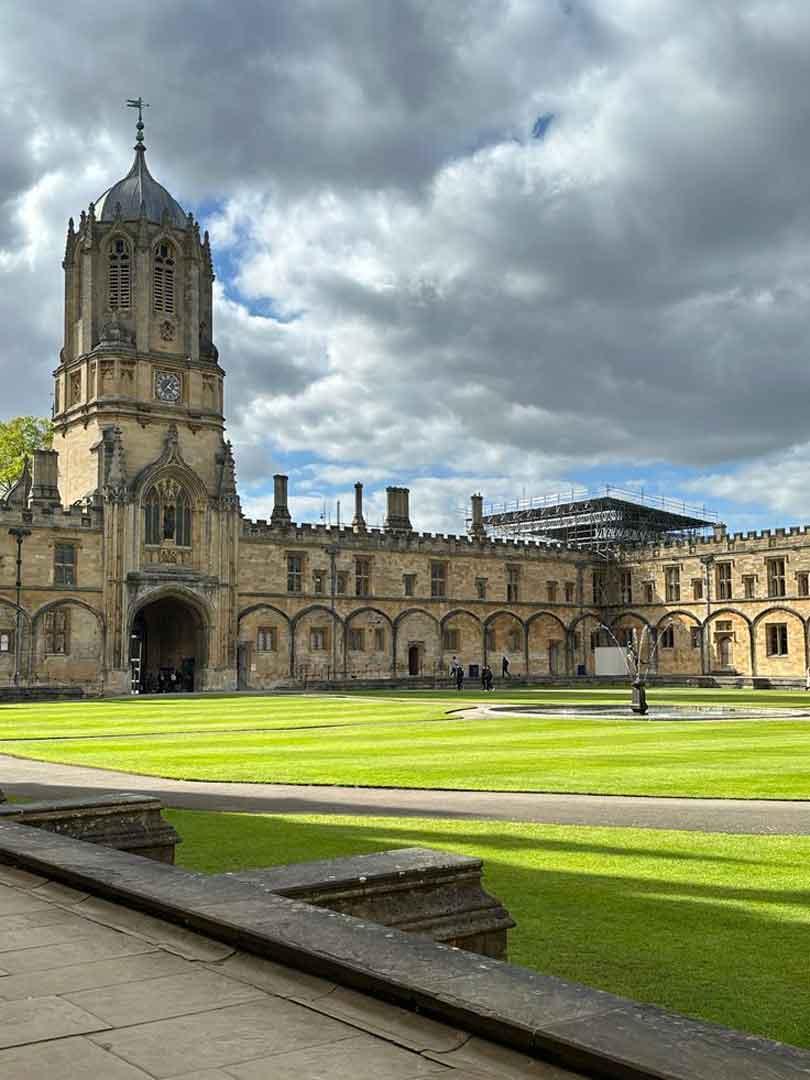
Fun Fact: The University of Oxford was already teaching students centuries before the Aztec Empire came into existence.
Imagine sitting in a university lecture today, surrounded by books, laptops and students rushing to meet deadlines, only to discover that your university is older than one of the most famous empires in ancient American history. It sounds like a historical impossibility, especially when we tend to imagine the world's great universities as relatively modern institutions and ancient empires as relics of a distant past. Yet history has a wonderful habit of challenging our assumptions. The University of Oxford, one of the world's most renowned academic institutions, was already teaching students by 1096, while the Aztec Empire emerged as a dominant political power in central Mexico in 1428. In other words, Oxford had been educating scholars for more than three centuries before the empire commonly associated with the Aztecs began to take shape. The comparison becomes even more fascinating when we consider just how much the world changed during those intervening centuries. Oxford's early scholars lived in medieval Europe, a world of monarchies, religious institutions, handwritten manuscripts and journeys that could take weeks. Across the Atlantic, the societies that would eventually form the Aztec Empire were developing their own political systems, religious traditions, cities and sophisticated approaches to agriculture. Neither world was standing still, waiting for the other to catch up. Both were developing along their own historical paths, producing achievements that continue to interest historians today.
A University Born in the Middle Ages
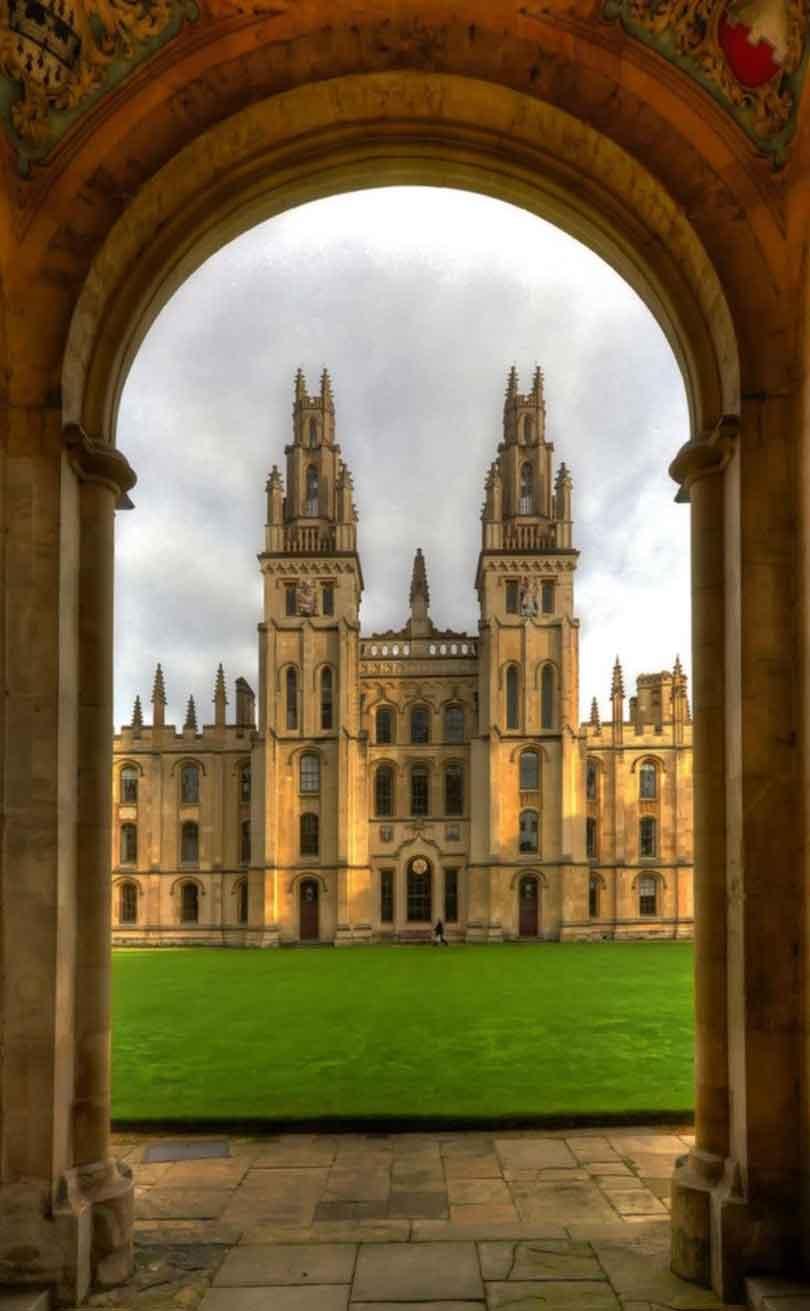
The University of Oxford does not have a precisely established founding date. Unlike modern institutions that celebrate a particular opening ceremony or the signing of an official founding document, Oxford developed gradually as a community of scholars and students. Evidence suggests that teaching was taking place there as early as 1096. Its reputation grew during the twelfth century, particularly as opportunities for higher education in England developed and scholars gathered to study subjects such as theology, law, medicine and the liberal arts. Education in medieval Oxford looked very different from university life today. Students did not have electronic databases, printed textbooks in abundance or instant access to information. Books were painstakingly copied by hand, making them expensive and relatively scarce. Latin was central to academic life, and religious institutions played a significant role in shaping what was taught and how knowledge was understood. Learning required patience, discipline and access to resources that were not available to everyone. Nevertheless, the university gradually became an important centre of intellectual life. Its scholars participated in debates about philosophy, religion, science and the nature of the world. Over time, colleges were established, traditions developed and Oxford became an institution with a lasting influence on education.
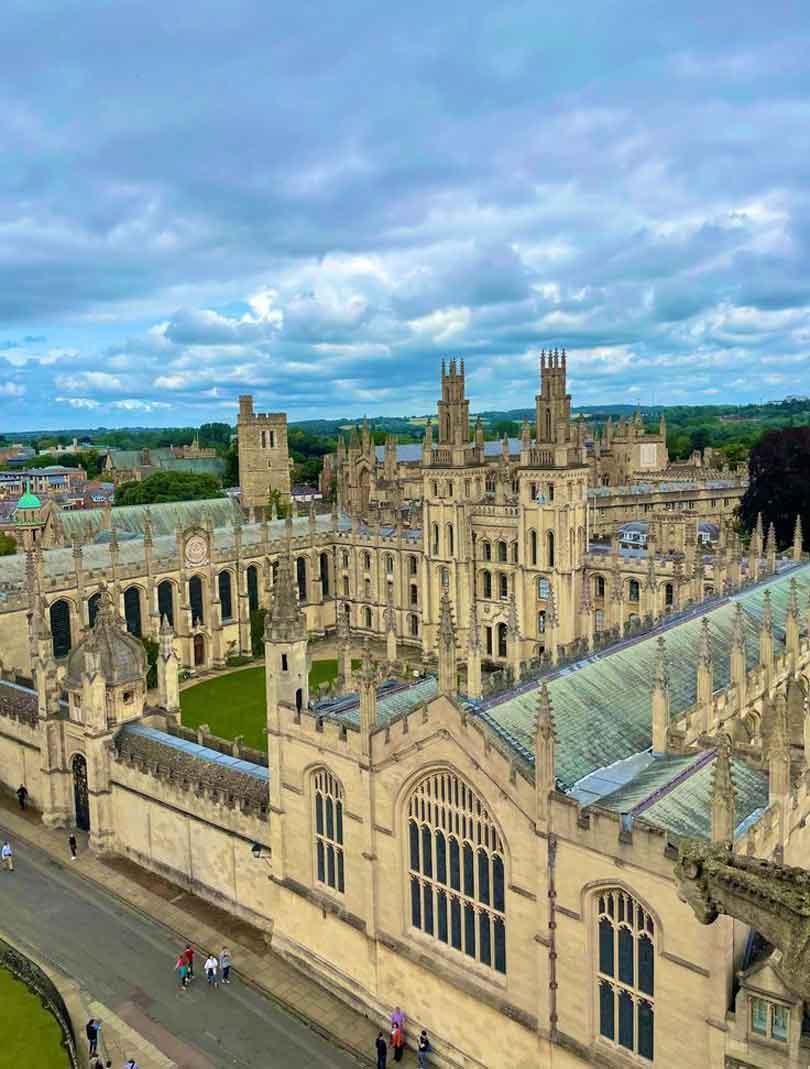
Its extraordinary longevity is not simply a matter of surviving for hundreds of years. It reflects the ability of an academic community to adapt to changing political circumstances, new discoveries and evolving ideas about knowledge.
The Rise of the Aztec Empire
Now travel across the Atlantic, not by aeroplane, of course, but through the pages of history. The Aztec Empire, also known as the Triple Alliance, emerged in 1428 when Tenochtitlan, Texcoco and Tlacopan formed an alliance in central Mexico. Tenochtitlan, the capital associated with the Mexica people, had been founded on an island in Lake Texcoco in 1325, according to traditional accounts. By the fifteenth century, the alliance had become a powerful political and military force, extending its influence across a large part of Mesoamerica. The Aztecs developed an impressive civilisation. Their capital, Tenochtitlan, featured temples, markets, causeways and waterways, supported by a complex system of urban organisation. The city astonished the Spanish conquistadors who encountered it in the early sixteenth century. Its scale and sophistication challenged European assumptions about societies beyond Europe, even though the accounts left by the conquerors were inevitably shaped by their own perspectives and interests. Agriculture was essential to the city's success. The Aztecs used chinampas, highly productive agricultural plots often described as floating gardens, although they were generally constructed in shallow lake environments rather than floating freely on the water. These plots helped support a large urban population by allowing crops to be cultivated intensively. The society also maintained extensive trade networks, complex religious practices and systems of tribute through which the empire obtained goods and resources from subordinate communities. The empire's power was relatively short-lived compared with Oxford's institutional history. Spanish forces and their Indigenous allies conquered Tenochtitlan in 1521, bringing the Aztec Empire to an end. However, the fall of the empire did not erase the people, cultures or Indigenous traditions of the region. Their descendants continue to live in Mexico and elsewhere, and Nahuatl, a language associated with the Mexica and other Indigenous communities, is still spoken today.
Three Centuries Between Two Worlds
The most remarkable part of this comparison is the timeline itself. When the Triple Alliance established the Aztec Empire in 1428, Oxford had already been associated with teaching for approximately 332 years. Its academic community had existed through generations of political change in England, including the Norman Conquest of 1066, the development of medieval institutions and the shifting fortunes of kings and kingdoms. By the time Tenochtitlan fell in 1521, Oxford had a history stretching back more than four centuries. Its scholars had witnessed transformations in European intellectual and religious life, while the world around them continued to change. The university would later experience the effects of the Renaissance, the Reformation, the Scientific Revolution and the expansion of modern scientific research.
Of course, comparing a university with an empire is not quite the same as comparing two universities or two civilisations. Oxford was an educational institution, whereas the Aztec Empire was a political and military alliance encompassing many communities. Their purposes, structures and historical trajectories were entirely different. The comparison is interesting precisely because it reveals how different kinds of human institutions can occupy the same historical timeline while developing in dramatically different ways. It also reminds us that the word ancient can be misleading. The Aztec Empire is often presented as an ancient civilisation, but its imperial period began in the fifteenth century, during what historians generally classify as the late medieval period in Europe. The empire existed only a few centuries ago in historical terms, and its final decades overlapped with a period of major transformation across the Atlantic world.
What Makes This Fact So Fascinating?
Part of the surprise comes from the way history is usually taught. We often divide the past into neat compartments: ancient civilisations belong to one-chapter, medieval Europe to another, and modern institutions to an entirely different section. These divisions make history easier to organise, but they can create the impression that different societies existed in completely separate eras. In reality, the past was far more interconnected in time than our textbooks sometimes suggest. While scholars were gathering in Oxford, societies across Africa, Asia and the Americas were developing their own cities, political systems, technologies and intellectual traditions. Their histories did not begin when Europeans encountered them, and their achievements should not be measured solely against European institutions.

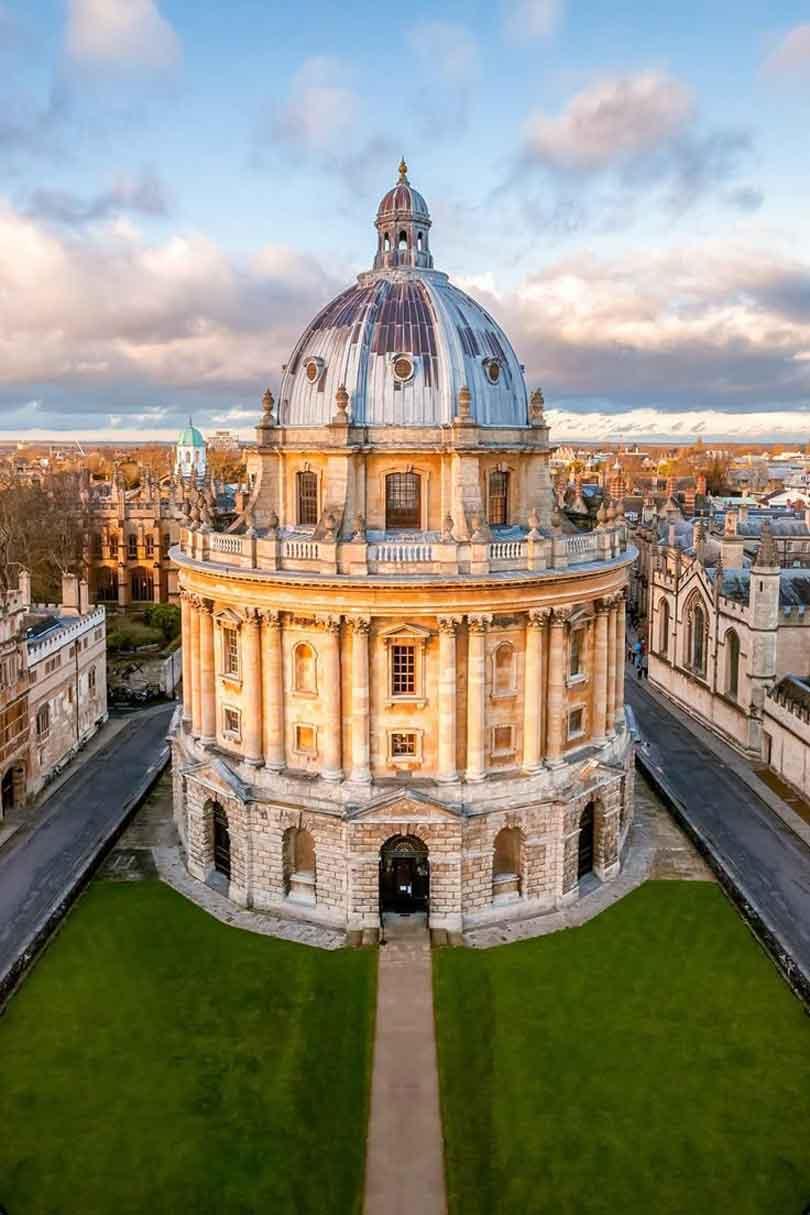
The Oxford and Aztec comparison offers a useful reminder that history is not a single procession of events unfolding in one place. It is a vast collection of stories taking place simultaneously. One society may be building an enduring educational institution while another is establishing an empire that will reshape an entire region. Both developments matter, even if they serve very different purposes. There is also something remarkable about the longevity of universities. Empires can expand rapidly, dominate their neighbours and leave behind extraordinary monuments, yet their political structures may collapse within a few generations. Universities, by contrast, can survive through changing governments and social upheavals because their central purpose, the pursuit and transmission of knowledge, can be adapted to new circumstances. That does not make universities invulnerable or empires insignificant. It simply illustrates the different ways institutions endure and influence later generations. Today, Oxford continues to educate students from around the world, while the history of the Aztec Empire remains essential to understanding Mexico's Indigenous heritage, colonial history and cultural identity. One survives as a university; the other survives through historical records, archaeological discoveries, cultural traditions and the communities whose ancestors shaped its world.
The next time someone mentions the University of Oxford, remember that its story began long before the Aztec Empire rose to power. It is a small historical detail, but one that opens the door to a much bigger realisation: the world has always been developing in multiple directions at once, and the past is considerably more surprising than the timelines on our classroom walls might lead us to believe.