The Death of the Beginner
There was a time when being bad at something was simply the beginning. You picked up a guitar and your fingers hurt. You tried to draw a face and somehow produced something that looked vaguely human only by generous interpretation. You joined a sport and spent half the practice wondering where the ball had gone. You opened a book in a language you barely understood and stumbled over every other sentence. You danced badly.
 You sang badly. You cooked something that probably should not have been served to another living person. And nobody expected you to be good. You were learning.
Somewhere along the way, however, we seem to have lost the ability to be beginners. We live in a culture that increasingly expects competence before commitment. We want to be good before we begin, confident before we try, impressive before we have earned the right to be. The possibility of looking foolish has become so uncomfortable that many people would rather never attempt something at all than experience the humiliation of being visibly inexperienced. The beginner has become an endangered species. And perhaps the strangest part is that we are surrounded by evidence that nobody is a beginner anymore.
Open social media and everyone appears to be an expert. People are fluent in fitness, finance, fashion, cooking, relationships, productivity, photography, skincare, business, parenting and personal development. Even hobbies have become strangely professionalized. You cannot simply enjoy taking photographs anymore. There are lenses to understand, editing styles to master and an audience to impress. You cannot simply go running. Suddenly there are statistics, watches, training plans and people documenting their kilometers before breakfast.
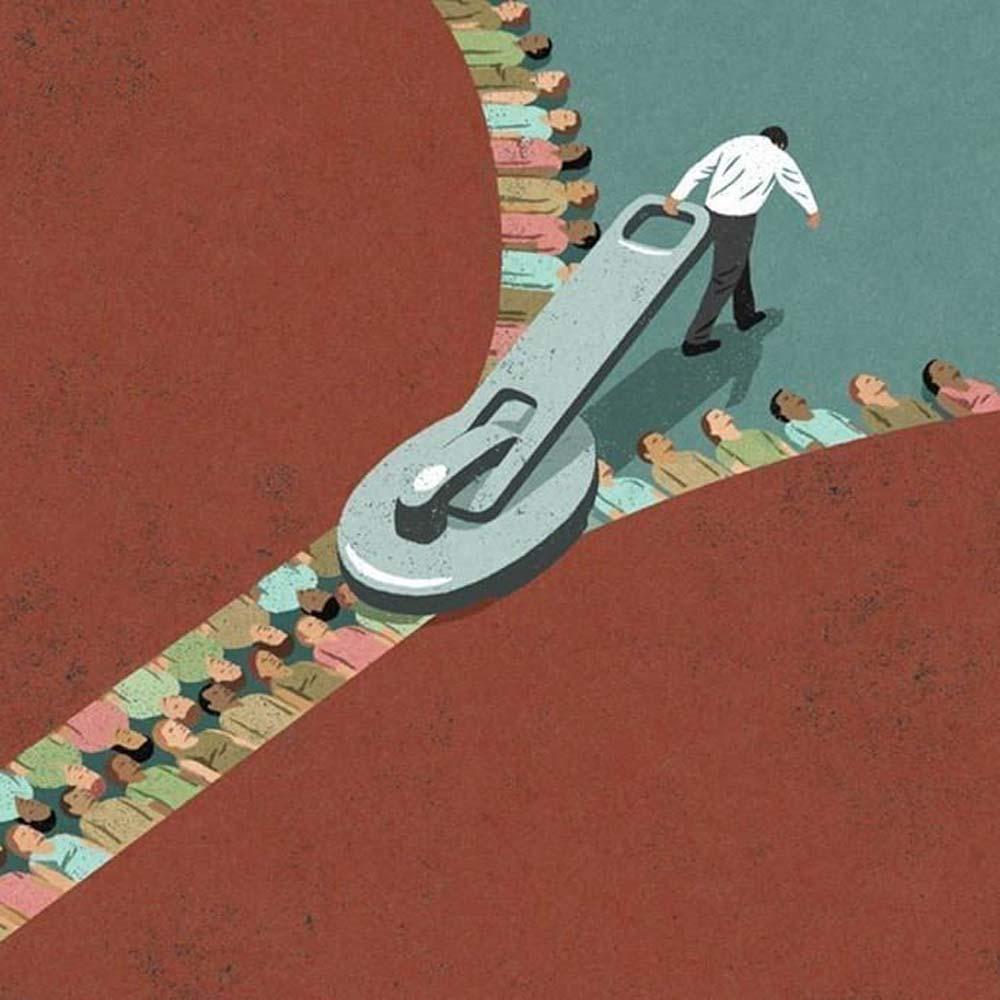
Even leisure seems to require credentials. The internet has created an enormous illusion of instant mastery. We see the finished product but rarely the embarrassing beginning that came before it. We see the author with the published book, not the terrible first chapter. We see the athlete winning medals, not the person who once could barely finish training. We see the beautiful paintings, not the hundreds of ugly ones that taught the artist how to paint. We see the successful entrepreneur discussing lessons from failure, usually after the failure has already become a respectable part of their success story.
The messy middle is conveniently missing. And that absence matters. Because when we constantly see polished outcomes, we begin to believe that everyone else started where we are supposed to finish. A teenager watches a brilliant dancer online and decides she cannot dance because her first attempt looks awkward. A young man sees people his age launching businesses and assumes he is already behind. Someone wants to write but is frightened that their first attempt will not sound like something published in a newspaper. An adult wants to learn a musical instrument but cannot bear the thought of sounding terrible.
So, they do nothing. Not because they lack interest. Because they cannot tolerate being inexperienced. This is one of the quiet tragedies of modern life. We have made embarrassment so frightening that people are abandoning curiosity to avoid it. Children understand something adults have somehow forgotten. A child can draw a terrible picture and proudly hold it up as though it belongs in a gallery. A child can attempt a dance without worrying whether everyone thinks they look ridiculous. A child can ask an incredibly obvious question without first calculating how stupid the question might make them appear. Then we grow up. We learn that people are watching. We learn that there are better people, faster people, prettier people, more talented people and more accomplished people. We learn that our mistakes can be photographed, recorded, shared and remembered. We learn to compare our private beginnings with other people's public achievements.
And eventually, we learn to hide. The fear of being bad at something is not merely vanity. It is often fear of judgement.
We are terrified of being laughed at. We are terrified of disappointing people. We are terrified of appearing less intelligent than we want others to believe we are. We are terrified that trying and failing will expose us as someone who is not naturally talented. But there is something deeply arrogant about expecting ourselves to be naturally good at everything we attempt. Nobody learns to walk by being afraid of falling. Nobody learns to speak by refusing to mispronounce words. Nobody becomes a writer by producing perfect sentences on the first attempt. Nobody becomes a musician without producing sounds that make other people wish they had somewhere else to be.
The beginner is supposed to be bad. That is the entire point. Yet modern culture has become increasingly hostile to visible incompetence. We have developed an obsession with being impressive, and it has quietly invaded areas of life that were never supposed to be performances.
You do not simply learn something anymore. You announce it. You do not simply get better. You document the transformation. You do not simply enjoy a hobby. You build an identity around it. There is nothing inherently wrong with sharing progress. The problem begins when the possibility of being seen before we are good becomes unbearable. Imagine how many musicians might exist if people were willing to sound terrible for six months. Imagine how many writers might exist if people were willing to write bad paragraphs. Imagine how many painters, dancers, photographers, athletes, chefs, entrepreneurs and language learners might exist if nobody felt embarrassed about being a beginner. How many dreams have not failed? How many have simply never been attempted? That is the question that should trouble us. We often talk about failure as though it is the great enemy of ambition. Perhaps it is not failure we fear most. Perhaps we fear being witnessed while we fail. There is a difference. Failure can happen privately. Being a beginner is public. It announces, quite unapologetically, “I do not know how to do this yet.”
And that little word, yet, is one of the most powerful words we have forgotten. Not good yet.
Not confident yet. Not experienced yet. Not ready yet. The beginner understands that ability is not an identity. It is a process. Unfortunately, we have also created environments in which children are increasingly expected to excel at everything. They are pushed towards achievements, certificates, competitions and carefully constructed résumés. Somewhere between learning and performing, childhood itself can begin to resemble an audition. A child who is naturally good at something receives praise. A child who struggles may begin to believe that the struggle says something about who they are. “I am not good at maths.” “I cannot draw.” “I am terrible at sports.” “I am not creative.” “I am not a public speaker.” These sound like simple observations, but they can become identities. And once something becomes part of our identity, we protect it.
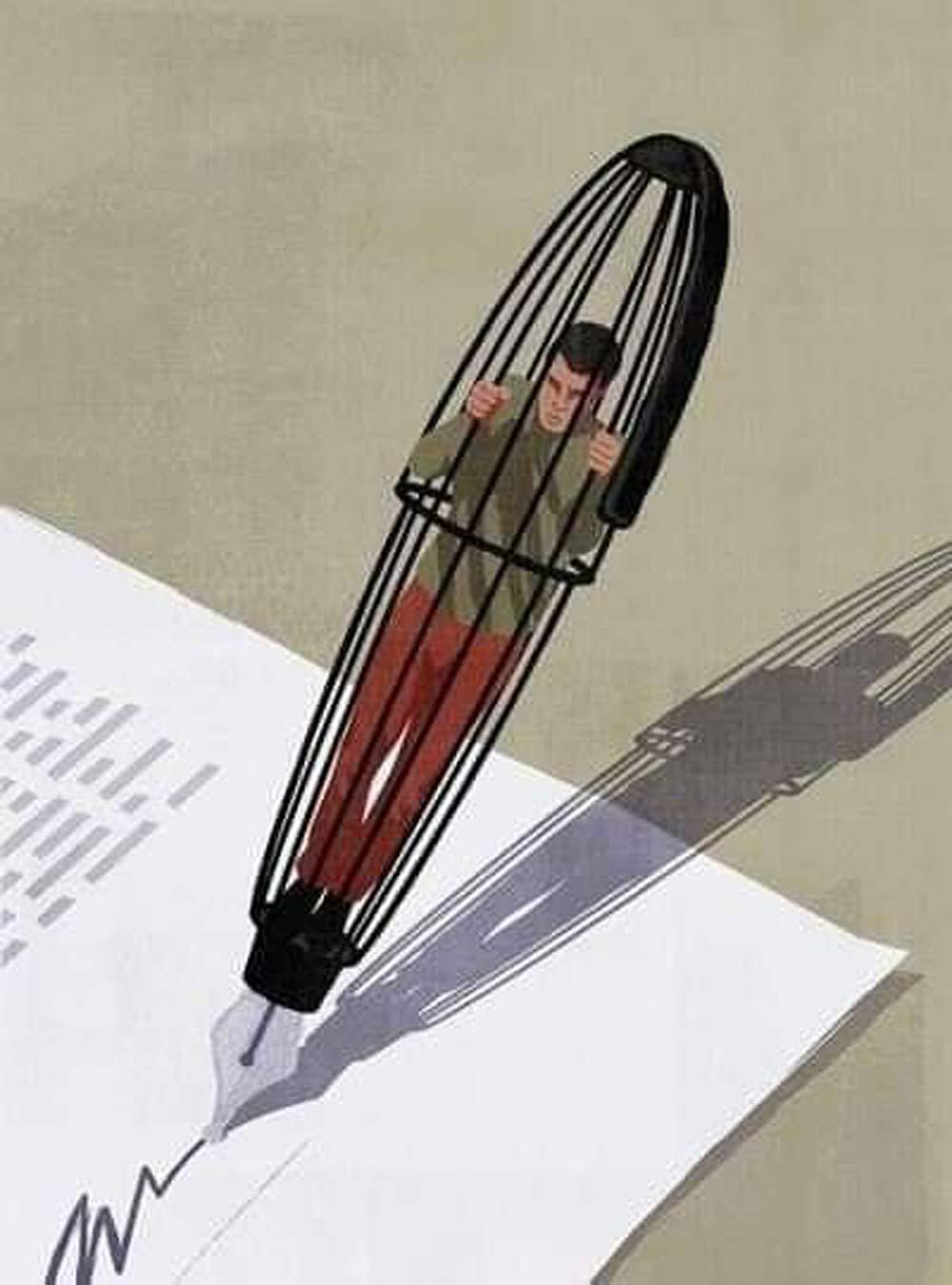
If I tell myself I am “not a writer”, I never have to risk writing something terrible. If I tell myself I am “not athletic”, I never have to walk into a gym where everyone else appears to know what they are doing. If I tell myself I am “not artistic”, I never have to show anyone an ugly painting. The label protects us from embarrassment. It also protects us from possibility. Perhaps this is why adulthood can sometimes feel strangely smaller than childhood. When we were young, we were constantly becoming someone new. We tried things without knowing whether they would become permanent parts of our lives.
As adults, we become frightened of looking foolish. We say, “That is not really my thing.” Sometimes it is not. But sometimes “not my thing” simply means “I was not immediately good at it.” There is a profound difference. We should perhaps bring back the dignity of being terrible at something. Not permanently. Not proudly refusing to improve. But temporarily, willingly and without shame. Let us allow ourselves to sing badly before we learn to sing well. Let us write dreadful first drafts. Let us learn languages while murdering the pronunciation. Let us join the dance class with two left feet. Let us pick up the racket and miss the shuttle. Let us cook something that requires an emergency takeaway afterwards.
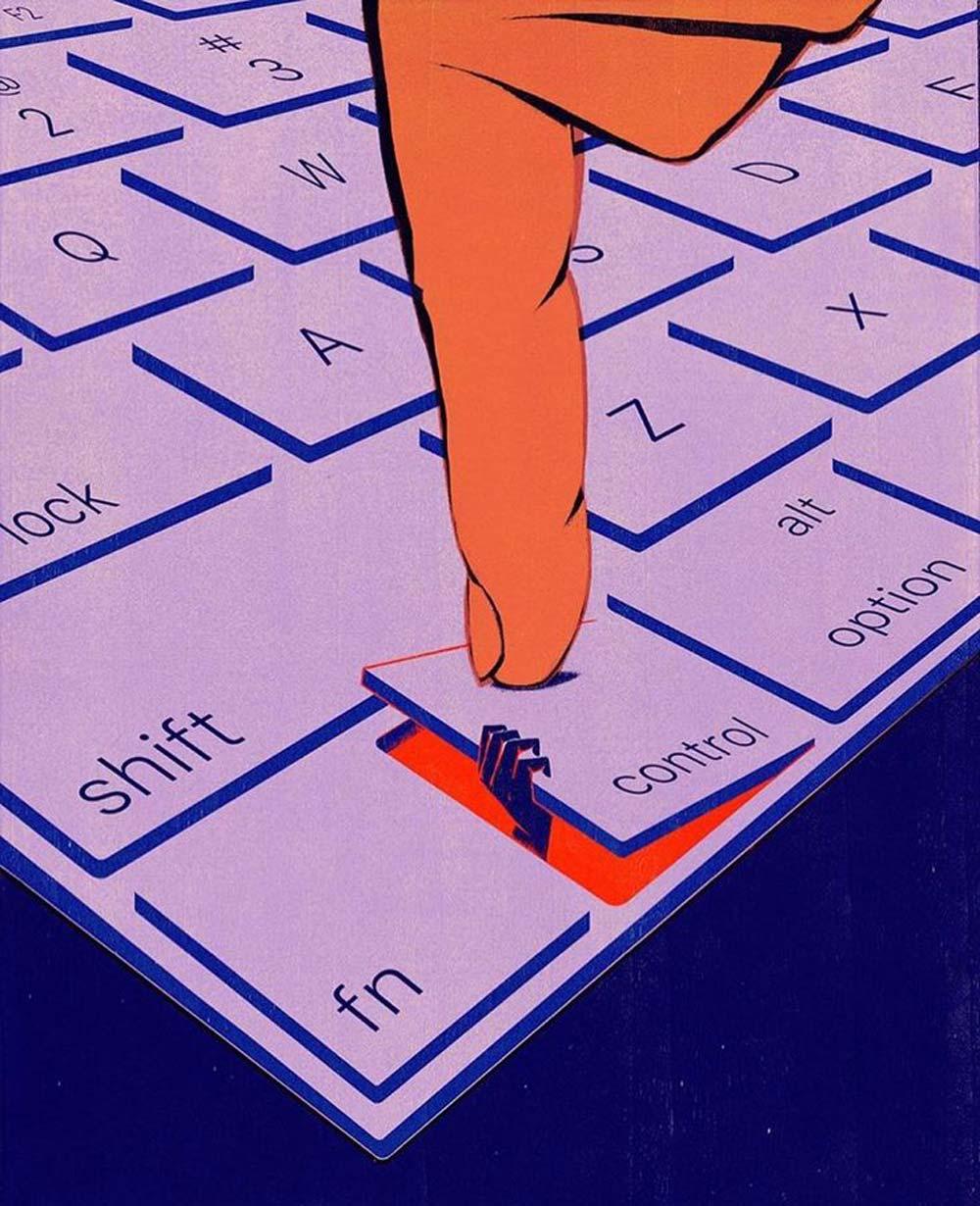
Let us be beginners. Because there is something wonderfully human about not knowing. The beginner is curious. The beginner asks questions. The beginner pays attention. The beginner notices tiny improvements that experts have long stopped noticing. The beginner experiences the joy of discovering that yesterday's impossible thing has suddenly become slightly less impossible.
And perhaps that is what we are losing. Not talent. Wonder. We are becoming so obsessed with appearing capable that we are forgetting the pleasure of becoming capable. There is a particular kind of happiness that belongs only to beginners. It is the happiness of doing something today that you could not do last month. Nobody needs to applaud it. Nobody needs to like it. Nobody needs to see it.
You know. You were there when you couldn't do it. You were there when you struggled. You were there when you almost gave up. And then, one ordinary day, you did it. That should be enough.
Perhaps we need to stop asking people, especially ourselves, “Are you good at it?” A better question might be: “Do you want to learn?” Because talent is useful, but willingness is transformative. The world does not need more people pretending to have mastered everything. It needs people brave enough to admit that they are still learning. So, pick up the instrument. Write the terrible poem. Take the first photograph. Learn the language. Join the class. Ask the stupid question. Make the ugly painting. Try the thing you have been postponing because you are afraid somebody might laugh. Let them. For a few minutes, you may be bad at it. That is not a humiliation. That is an entrance ticket. Every expert was once a beginner. Every confident person once had a first attempt. Every beautiful skill has an awkward history. We have not run out of talent. We have simply become too frightened of looking untalented while we find it. And perhaps the death of the beginner is not that people have stopped learning. It is that too many of us have decided we must already be good before we are allowed to begin.