HOW AI CONTENT AND ADS RUINED THE MOST LOVED APP, PINTEREST
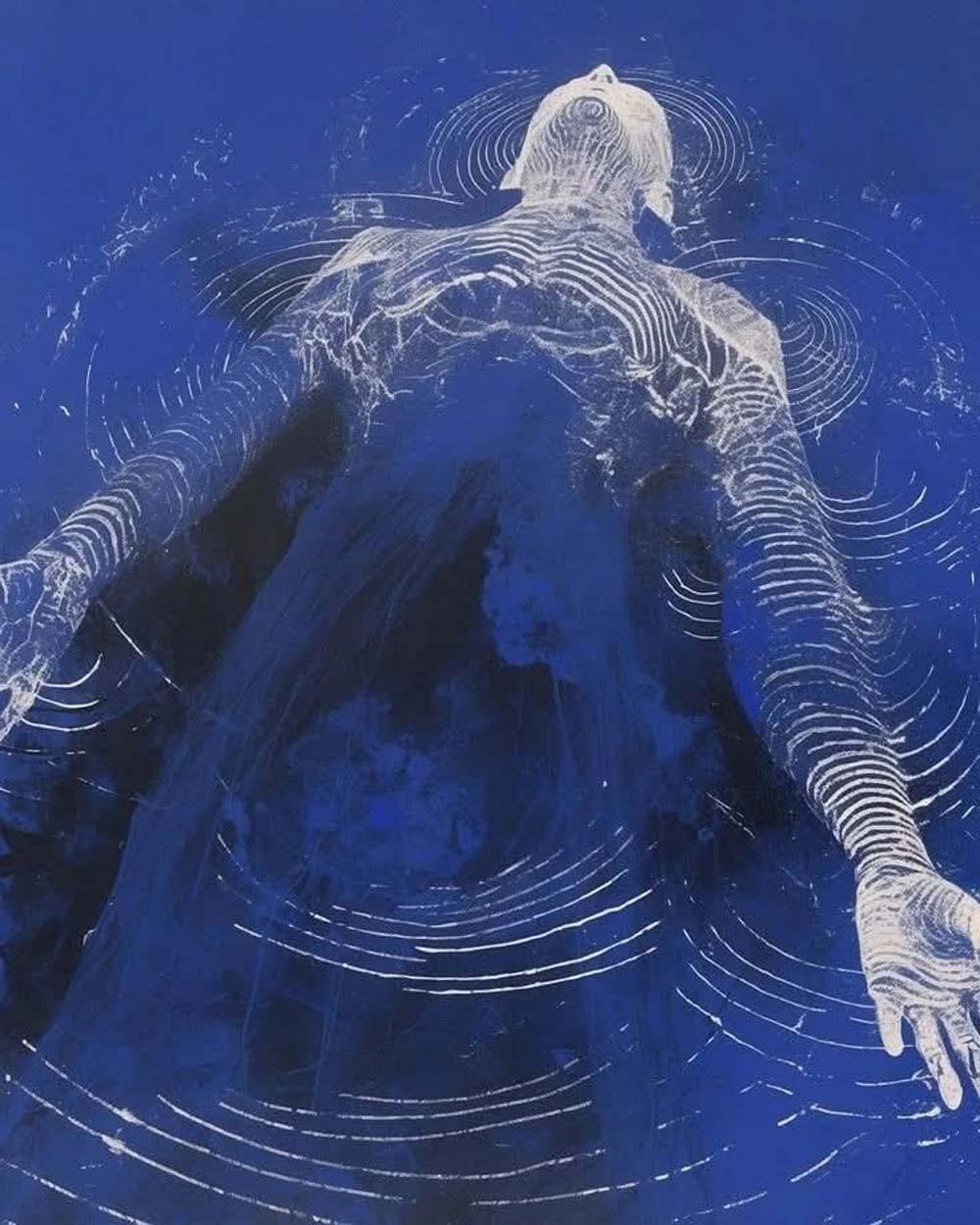
 Opening Pinterest once felt like stepping into a beautiful corner of the internet where millions of strangers quietly shared the things they loved. You could search for a bedroom idea and somehow end up exploring vintage photographs, autumn outfits, handwritten letters and paintings you had never seen before. One image led to another, and before you knew it, an hour had disappeared. That was the magic of Pinterest. Unlike other social media platforms, it never seemed to demand your attention in quite the same way.
You did not need to post photographs of yourself, build an audience or participate in whatever everyone else was discussing. You could simply explore, collect ideas and enjoy beautiful things. Today, Pinterest still looks familiar, but the experience feels different. AI-generated images increasingly fill search results, advertisements interrupt the browsing experience, and familiar aesthetics appear in endless variations. The platform has not necessarily become less visually appealing, but something about its personality seems to be disappearing. The problem is not simply that Pinterest has changed. It is that the qualities that once made it feel personal are becoming harder to find.
When Pinterest Was About Discovery
Pinterest became popular because it offered something different from conventional social media. While Instagram encouraged people to document their lives and Facebook revolved around social interaction, Pinterest allowed users to create collections around their interests without making themselves the centre of attention. Someone could build an entire board dedicated to old architecture, rainy afternoons, vintage fashion or the bedroom they hoped to have someday. These collections were often wonderfully unpredictable, combining professional photography with blurry screenshots, forgotten artwork and pictures taken on ordinary phones. That variety made the platform interesting. Not everything looked polished, and not every image followed the same aesthetic rules. You might discover an unusual photograph that had been saved by only a handful of people, then follow it into a completely different collection of ideas. There was something particularly charming about the human element behind those discoveries. Every saved image represented a small decision made by someone who found it interesting, beautiful or meaningful. People were creating visual diaries of their personalities without necessarily intending to share anything personal. You could understand someone's taste simply by looking through their boards. Their collections revealed the colours they loved, the places they dreamed of visiting and the atmosphere they wanted to create around themselves. Pinterest made personal expression feel effortless, and that was a significant part of its appeal.
When Inspiration Became Content
As social media evolved, the internet became increasingly focused on performance. Views, clicks, engagement and conversions began influencing what people created and what platforms recommended. Content was no longer judged only by whether someone found it interesting, but also by how effectively it attracted attention.
Pinterest was always a commercial platform, so advertising and shopping were never entirely separate from its purpose. People frequently used it to find products, plan purchases and discover brands. However, there is a difference between finding something worth buying while browsing and feeling that every browsing session is designed to encourage another purchase. As promoted material became more visible, Pinterest began to feel less like a collection of personal discoveries and more like a carefully arranged marketplace. Images that once appeared to exist purely for inspiration increasingly competed with advertisements and content designed to generate traffic. This shift also encouraged a more formulaic approach to visual content. When particular colours, compositions or aesthetics performed well, similar images could be produced to attract the same attention. Generative AI has accelerated that process dramatically.
The Arrival of AI-Generated Beauty
Generative AI has made it possible to create enormous quantities of visually appealing images within minutes. Someone can produce an elaborate bedroom, a romantic countryside landscape or a perfectly styled outfit without photographing or physically creating any of those things. AI can undoubtedly be a useful creative tool. It allows artists and designers to experiment with ideas, explore unfamiliar styles and imagine things that might otherwise be difficult to visualise. The technology itself is not necessarily the problem. The difficulty arises when large quantities of synthetic imagery enter a platform originally valued for discovering photographs, artwork and personal collections. Pinterest is particularly susceptible because images are its primary attraction. A picture only needs to look beautiful for someone to save it, regardless of whether the scene actually exists. AI-generated interiors offer a particularly clear example. A photograph might show a stunning bedroom with enormous windows, unusual architecture and impossibly perfect lighting. Someone looking for decorating inspiration may save it, only to discover that the room does not exist and its design might not even be physically achievable. The same problem appears with fashion, architecture, food and travel imagery. What initially looks like useful inspiration can turn out to be an artificial representation with little connection to reality. The result is a platform where visual appeal does not always translate into genuine discovery.
 When Everything Looks Too Perfect
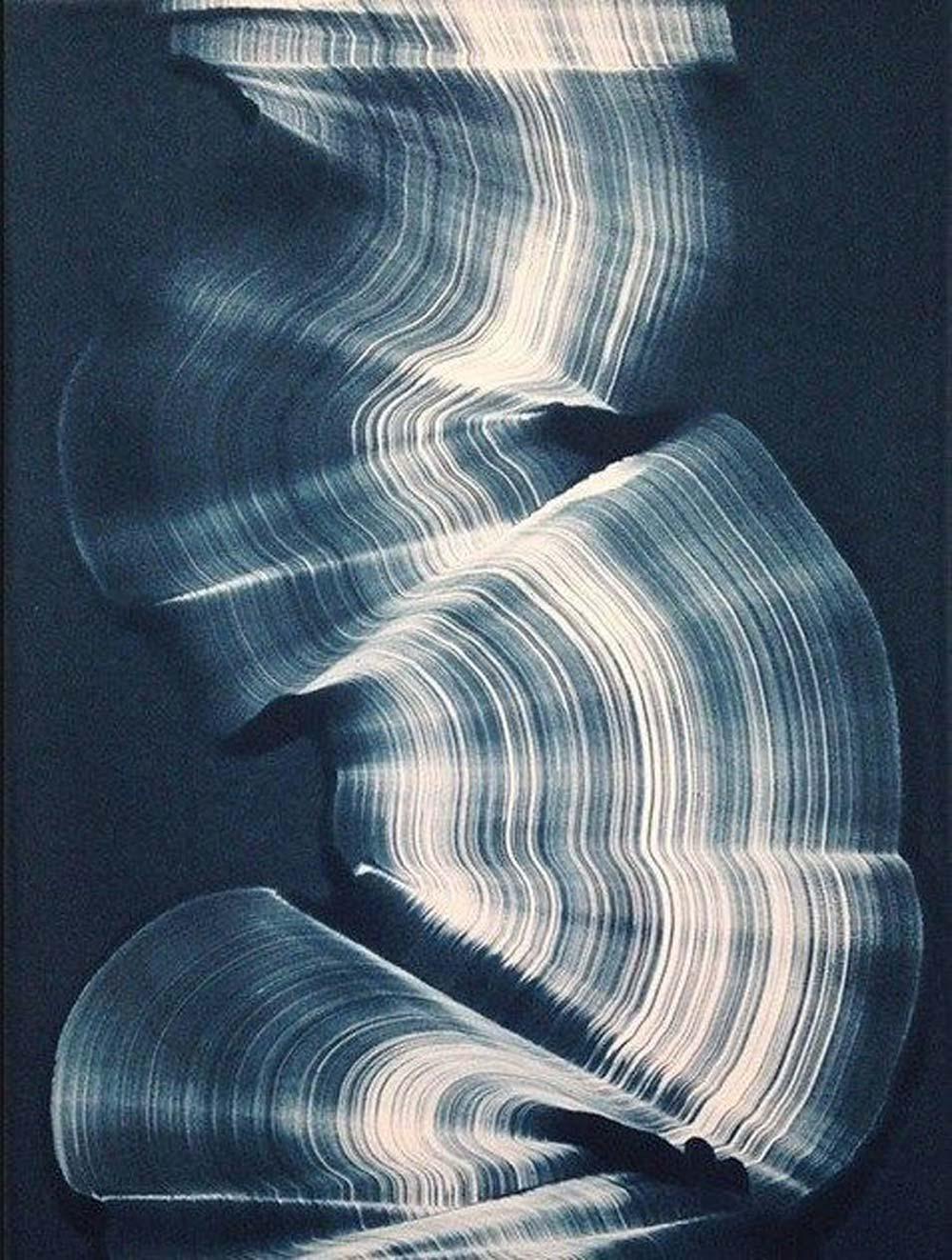
One of the most recognisable characteristics of AI-generated imagery is its tendency towards exaggerated perfection. Bedrooms are spotless, landscapes are breathtaking, faces are flawless and every scene seems illuminated by the most flattering light imaginable. Individually, these images can be impressive. But when hundreds of similar pictures appear together, their perfection begins to feel strangely monotonous. Real photographs often contain details that make them memorable. A bedroom might have an untidy desk, a faded curtain or sunlight falling awkwardly across the floor. Someone's outfit photograph might feature a cluttered background or imperfect framing. These details are not necessarily flaws. They are reminders that the image came from an actual moment. Synthetic imagery can imitate those characteristics, but it does not automatically carry the same personal history. A beautiful AI-generated kitchen may never have hosted a family dinner, and a picturesque street might never have been walked by anyone. This distinction matters because Pinterest's appeal was never limited to visual perfection. Much of its charm came from discovering fragments of other people's lives, creative experiments and unusual perspectives. When too many images share the same polished appearance, individuality becomes harder to recognise. The feed might look increasingly beautiful while simultaneously feeling less interesting.
The Disappearing Rabbit Hole
Perhaps the greatest casualty of Pinterest's changing content ecosystem is the pleasure of unexpected discovery. Previously, searching for one subject could lead you somewhere completely unrelated. A photograph of a reading corner might introduce you to an artist, whose work led to an unfamiliar architectural style or a collection of historical photographs. These journeys felt spontaneous because the images came from different people, sources and creative traditions. Their connections were sometimes surprising, and discovering those connections was part of the enjoyment. AI-generated content can weaken that experience by producing countless variations of already popular ideas. Search for a particular aesthetic and you may encounter repeated compositions, familiar colour palettes and almost identical arrangements. Instead of discovering something unexpected, you find increasingly refined versions of what you have already seen. The problem is not simply the presence of artificial images. It is the possibility that their sheer volume crowds out unusual, original or less commercially attractive material. Pinterest can offer an almost endless supply of images while making genuine exploration feel increasingly limited. There is more to scroll through, but not necessarily more to discover.
When Advertising Changes the Atmosphere
Advertising presents a different challenge because it affects how users experience the platform even when the images themselves are genuine. Pinterest has always had a natural relationship with shopping. Someone searching for living room inspiration might reasonably want to know where to purchase a particular sofa or lamp. Product discovery can be useful when it supports what the user is already trying to accomplish. However, frequent sponsored posts can make browsing feel increasingly transactional. Instead of freely exploring ideas, users may feel surrounded by content intended to influence their purchasing decisions. A photograph of a beautiful room becomes an advertisement for furniture. An outfit becomes a collection of shopping links, while a recipe becomes another opportunity to promote products. Commercial content is not inherently unwelcome, but its prominence changes the experience. Pinterest once offered the pleasure of appreciating something without necessarily needing to own it. When inspiration becomes closely tied to consumption, that freedom begins to fade. The platform may become more effective at selling products, but it risks becoming less enjoyable as a place to spend time.
Human Creators Are Paying the Price
Beyond the browsing experience, the growth of synthetic imagery raises important questions about the visibility of human creativity. Pinterest has long provided opportunities for photographers, illustrators, designers and ordinary users to share their work with people beyond their immediate audiences. A photograph or drawing could travel across thousands of boards and inspire someone who might never encounter its creator elsewhere.
Producing original work requires time, effort and personal judgment. An illustrator might spend days developing a piece, while a photographer might wait hours for the right conditions to capture a particular scene. Generative AI changes the scale of competition. Large numbers of synthetic images can be produced quickly, allowing accounts to publish far more material than an individual artist could reasonably create by hand. If visibility is influenced by engagement and publishing volume, original creators may struggle to compete with accounts capable of generating content continuously. This does not mean AI-assisted creativity has no value. It means platforms must consider whether their recommendation systems adequately recognise originality, authorship and the work involved in human creation. Without that consideration, Pinterest risks becoming a place where genuine creativity is increasingly difficult to distinguish from mass-produced imagery.
Can Pinterest Recover Its Identity?
Pinterest has already introduced measures intended to address concerns about generative AI. These include labels for content identified as AI-generated or AI-modified and controls that allow users to reduce exposure to certain categories of synthetic imagery. Such measures are useful because they give people greater transparency and some influence over their browsing experience. However, labelling content does not necessarily solve the larger problem of what the platform chooses to prioritise. Preserving Pinterest's identity may require stronger emphasis on original creators, better discovery of diverse material and a clearer distinction between inspiration and advertising. Users should be able to encounter unusual artwork, authentic photographs and personal collections without feeling overwhelmed by repetitive content. AI-generated images can have a place on the platform without dominating the experience. The challenge is finding a balance that supports commercial growth while protecting the qualities that attracted users in the first place.
What Made Pinterest Worth Loving
People did not fall in love with Pinterest because every image was perfect. They loved it because it offered a glimpse into millions of different imaginations. It was a place where someone else's photograph could remind you of your childhood, an unfamiliar painting could introduce you to a new interest, or a collection of ordinary rooms could help you imagine your future home. Those discoveries felt meaningful because they reflected human taste, curiosity and experience. Pinterest made the enormous internet feel surprisingly intimate, allowing strangers to connect through the simple act of appreciating the same things. Perhaps that is what feels most threatened by the rise of synthetic content and increasingly visible advertising. Pinterest can continue producing beautiful feeds, but beauty alone cannot replace the pleasure of finding something unexpected and genuinely personal. The platform does not need to reject technology or commercial opportunities to recover its charm. It needs to remember that inspiration is more than an endless supply of attractive images. People did not fall in love with Pinterest because it showed them perfect content. They fell in love with it because, somewhere inside that endless stream of images, they could find a little piece of themselves.