Your Brain Can Remember Things That Never Happened
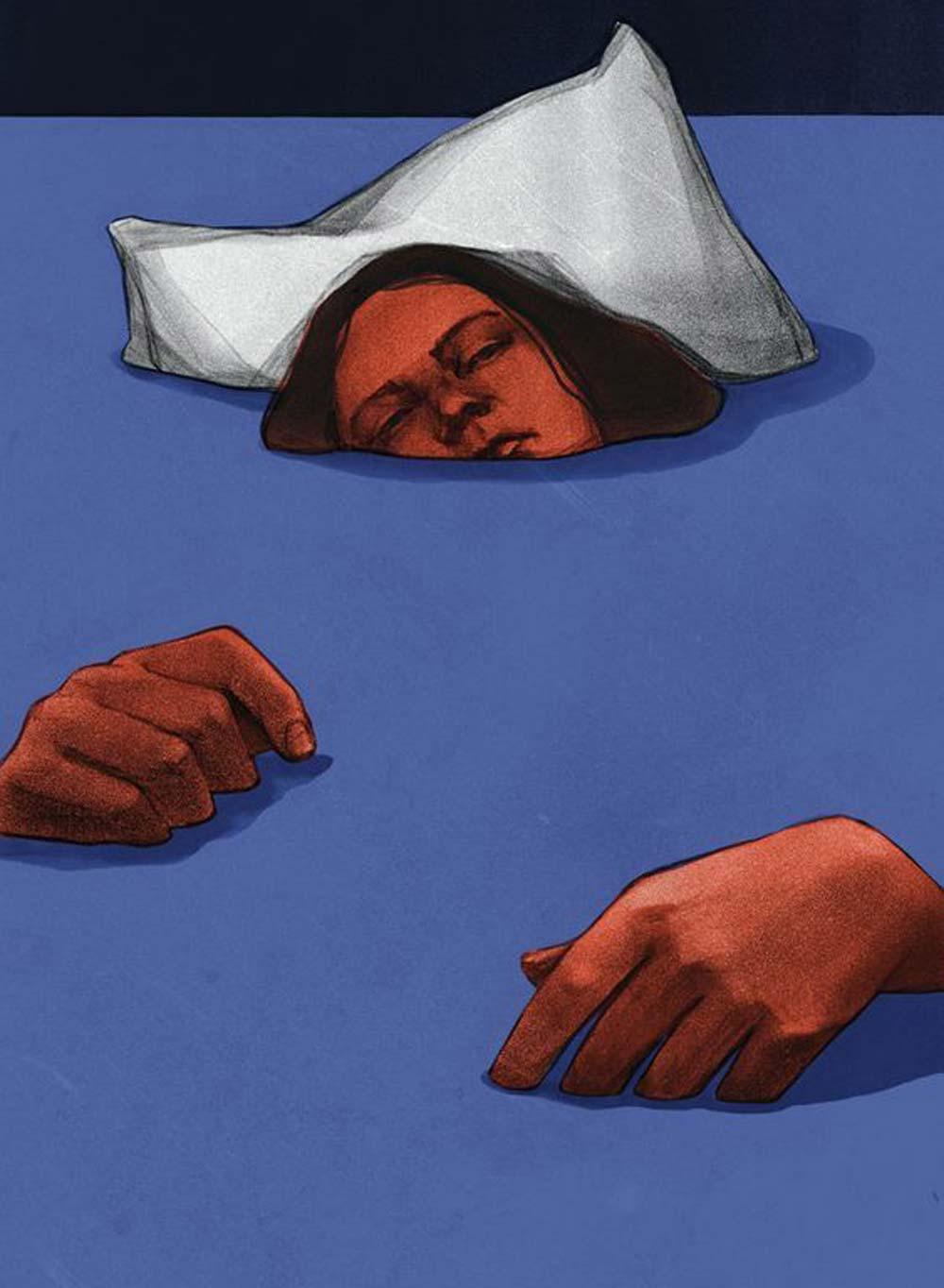
We tend to think of our memories as little recordings stored somewhere inside our heads. We remember our first day at school, a birthday party, an argument, a holiday, the face of someone we loved. We can close our eyes and sometimes see the room, hear the voices and almost feel the atmosphere again. It feels like evidence. But memory is not a recording. In fact, one of the strangest things about the human brain is that it can create a memory for an event that never happened. Not a lie. Not a deliberate invention. A genuine memory. You can remember something that never took place and feel completely certain that it did.
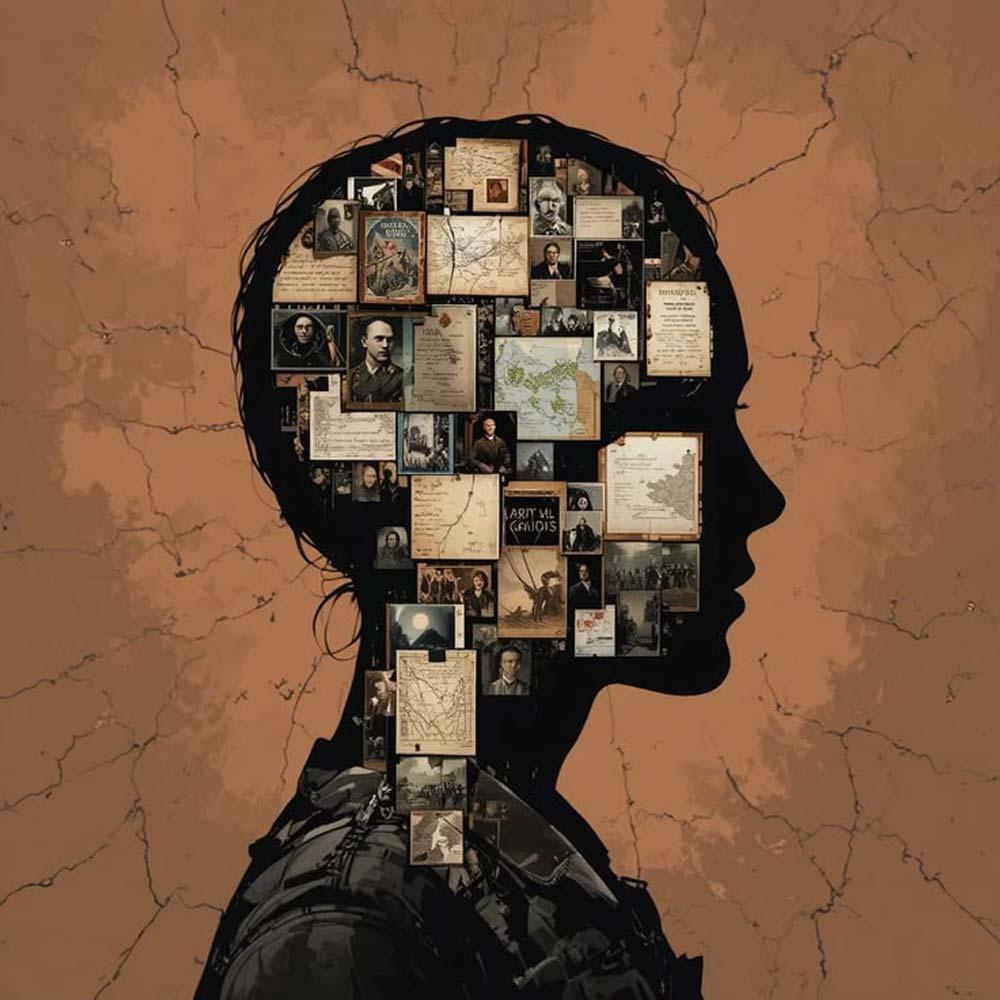
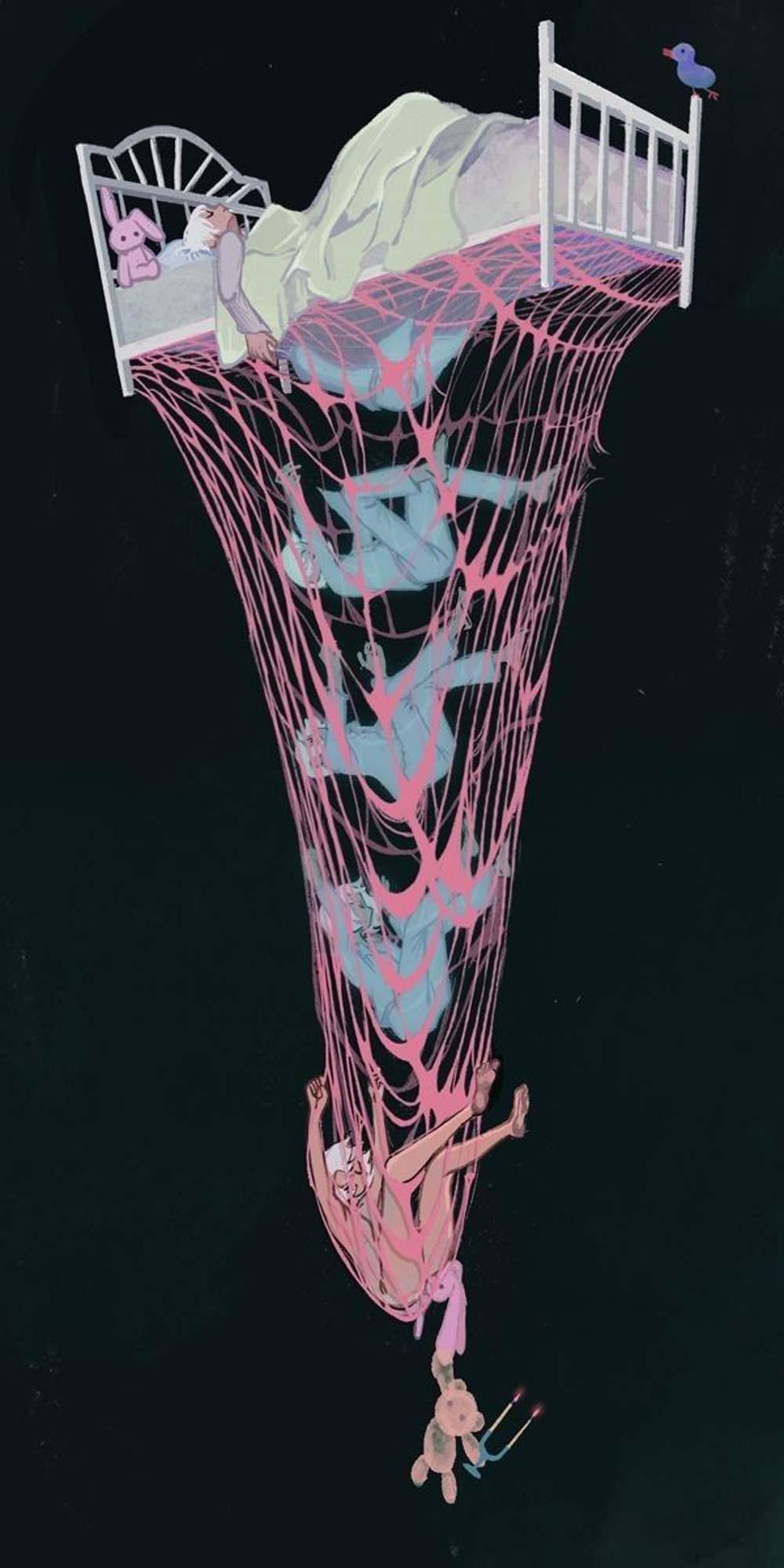 This phenomenon is known as a false memory, and it reveals something extraordinary about the way the human mind reconstructs the past. When we remember something, the brain does not simply retrieve a perfect file from storage. Instead, remembering involves reconstructing an experience from pieces of information. Details, emotions, expectations, conversations and later experiences can all influence what eventually becomes part of the memory. That means remembering is, in a sense, rebuilding. And sometimes, the brain fills in the gaps incorrectly.
Imagine remembering a childhood birthday party. You might picture the cake, the people sitting around you, the colour of the decorations and perhaps even a particular conversation. But some of those details may not actually come from the event itself. They may have been added later through photographs, stories told by relatives or your own imagination. The strange part is that once those details become incorporated into the memory, they can feel completely authentic. You do not experience them as guesses. You experience them as memories.
Psychologists have studied this phenomenon for decades. One of the most famous researchers associated with false-memory research is American psychologist Elizabeth Loftus, whose experiments demonstrated that memories can be influenced by information introduced after an event. In one well-known line of research, participants were exposed to suggestions about events that had not actually happened. Some participants later reported remembering aspects of those events. The implication was extraordinary. If someone can be encouraged to remember something that never happened, then confidence and accuracy are not necessarily the same thing. We often assume that the more confidently someone remembers an event, the more likely the memory is to be accurate. The brain does not always work that way.
Someone can say, “I remember it clearly,” and genuinely mean it. They may still be wrong. This becomes particularly important when memories are shared between people. Think about families.
One person remembers a holiday and tells the story repeatedly. Another family member hears the story so many times that the details begin to feel familiar. Eventually, they may develop their own memory of the event, including details they did not personally experience. The more a story is repeated, the more established it can become. Photographs can complicate matters too. A photograph can provide genuine information about an event, but it can also become part of our reconstruction of that event. Someone might look at an old photograph repeatedly and eventually feel as though they remember the moment itself, rather than simply remembering the photograph.
This is one reason childhood memories can be particularly fascinating. Most people have memories from very early childhood, but our ability to form and retain autobiographical memories changes dramatically during the early years of life. Adults generally have very few detailed memories from their first few years. Yet sometimes people describe remarkably vivid memories from very early childhood. Are all of those memories accurate? Not necessarily. Some may contain genuine fragments of experience. Others may have been reconstructed from photographs, family stories and later knowledge. And the brain does not attach a little warning label saying, “This part is probably reconstructed.” It simply gives us the memory. That is what makes false memories so fascinating and, at times, disturbing.
We like to imagine that our memories are part of what makes us who we are. Our personal history helps form our identity. We remember where we came from, what happened to us and the people who shaped our lives. But if memory is constantly being reconstructed, then our understanding of ourselves is not quite as fixed as we might imagine. Even ordinary everyday memories can change.
Remember an argument you had years ago. You may remember exactly what the other person said. You may remember their expression. You may remember how angry you were. Now imagine hearing the same story from that person. They may remember the conversation differently. Neither of you necessarily has to be lying. You may simply be remembering different reconstructions of the same event. Emotion makes this even more interesting. Strongly emotional events can feel exceptionally vivid. People often describe certain moments as though they have been permanently photographed in their minds. But vividness does not guarantee accuracy.
A memory can feel extraordinarily clear and still contain errors. This does not mean that our memories are useless. Far from it. Memory is incredibly sophisticated and allows us to learn, recognise people, navigate environments, develop skills and understand our own lives. Without memory, ordinary existence would be almost impossible. The point is simply that memory was not designed to function like a video camera. The brain is less interested in preserving every microscopic detail of the past than in constructing a useful understanding of what happened. That distinction matters. It also explains why our memories can be surprisingly flexible. Each time we remember something, we are potentially interacting with the memory again. The act of remembering can become part of the history of the memory itself. It is almost as though the past is not entirely finished.
We carry it around, reopen it, discuss it and sometimes unknowingly rewrite parts of it. And perhaps that explains something we have all experienced. Have you ever been absolutely certain that you remember something, only for someone else to tell you that it never happened? Perhaps you remember owning something as a child that your parents insist you never had. Perhaps you remember being somewhere, only to discover that you were not there. Perhaps you remember a conversation differently from everyone else who was present.
The instinctive response is usually: “No. I know what I remember.” And you probably do. The problem is that remembering something and remembering it accurately are two different things.
That is the curious fact. Your brain can give you a memory with the emotional force of truth even when the event itself is partly, or entirely, wrong. Which leaves us with a rather humbling thought. We spend our lives carrying our memories as evidence of who we are. Yet some of the things we are most certain about may not have happened exactly as we remember them. The mind is not a museum preserving the past behind glass. It is an active storyteller. And sometimes, without asking our permission, it adds a detail that was never there.