JEROME MORRITT ON LEADERSHIP, PURPOSE AND BUILDING A MORE RESILIENT SRI LANKA
NEW GENERATION BY MALINDA PERERA
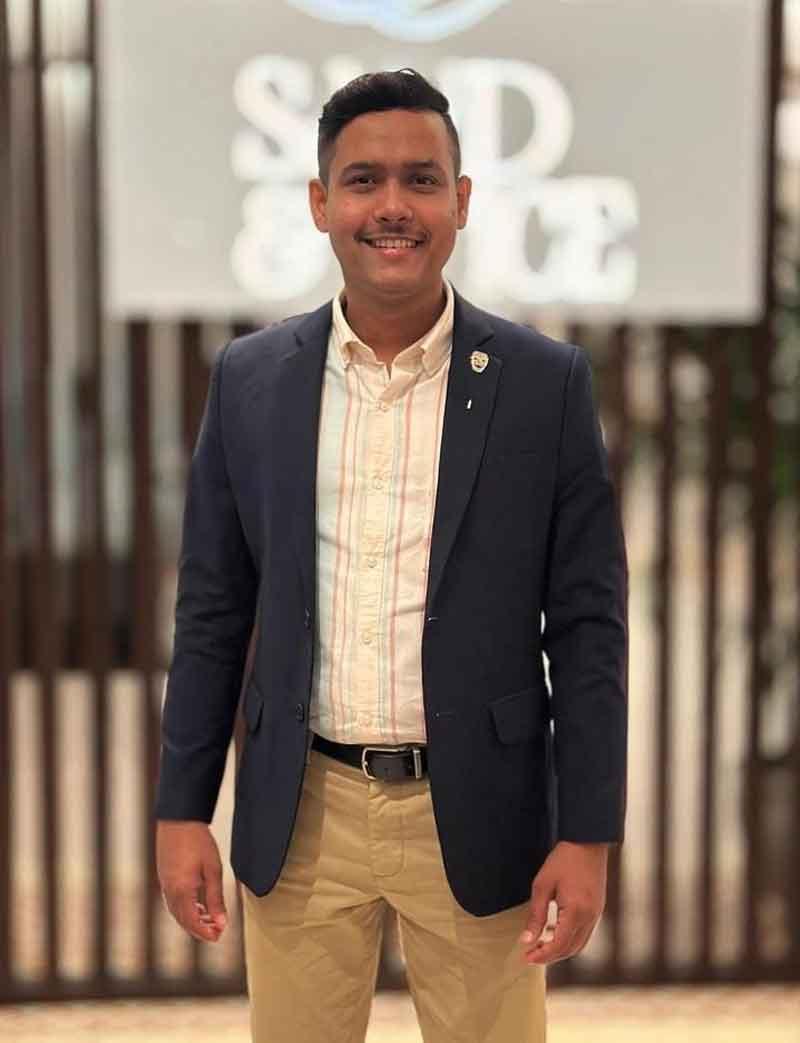
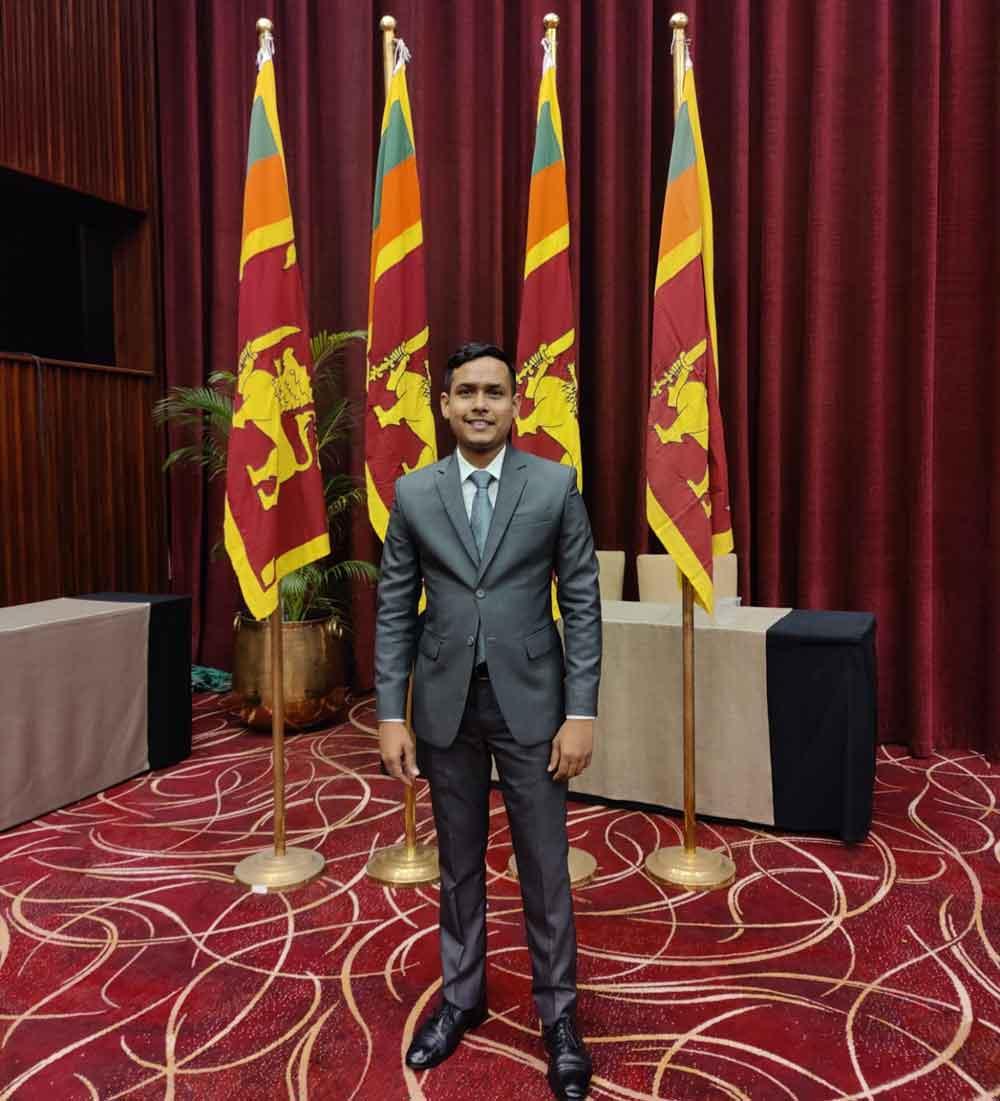
Leadership is often defined by professional achievements, but for Jerome Morritt, MABE, M.A., MCPS, its true measure lies in the lives it touches and the change it inspires. From his formative years in theatre at St. Benedict’s College to managing multimillion-dollar development portfolios, his journey reflects an unusual intersection of creativity, strategic thinking and social responsibility. With experience spanning the corporate sector, humanitarian assistance, international development and peacebuilding, Morritt brings a perspective grounded in both practical results and human connection. His work explores how innovative financing, meaningful partnerships and locally driven initiatives can contribute to Sri Lanka’s sustainable future. Equally influential are his academic pursuits in business, international relations and peace studies, which inform his understanding of development and reconciliation. In this conversation, he reflects on the experiences that shaped his leadership philosophy, the lessons learned through challenging assignments and his ambition to help build a more peaceful, inclusive and resilient Sri Lanka.
Your career bridges the corporate world and international development. How have these contrasting environments shaped your understanding of leadership?
My journey across these sectors has given me a balanced understanding of performance, sustainability and meaningful impact. When I began working in the corporate sector in 2018, I quickly learned the importance of efficiency, accountability, customer focus and delivering results. Perhaps more importantly, I learned how to function under pressure. Corporate environments teach you to think quickly, remain composed during difficult situations and persevere when expectations are high. Those lessons have stayed with me. Transitioning into international development allowed me to apply that discipline to something with a broader social purpose. Over the past six years, I have worked across development, humanitarian assistance and emergency response, where success is measured not simply through financial outcomes but through the difference made in people's lives. Today, my leadership philosophy combines strategic thinking with empathy and humility. I believe effective leadership requires strong systems and accountability, but also the ability to understand people, listen carefully and recognise that sustainable progress is ultimately a collective achievement.
Managing multimillion-dollar portfolios and national development initiatives brings considerable responsibility. What has been your most challenging experience?
Some of my most demanding experiences have involved emergency assistance, rapid response and anticipatory humanitarian action. During a crisis, decisions often need to be made quickly, sometimes amid considerable uncertainty. I have learned that remaining calm is one of the most valuable qualities a leader can possess. However, maintaining your own composure is only part of the challenge. Helping colleagues, responders and affected communities remain focused and reassured requires emotional intelligence and experience. Another challenge involves responding to immediate humanitarian needs without compromising longer-term development objectives. This demands careful planning, coordination and the willingness to adapt when circumstances change.
The greatest lesson has been that successful initiatives depend on more than financial resources. Strong partnerships, local ownership and a shared vision are equally important. I have also learned to take calculated risks while remaining accountable to donors, implementing partners and communities. Flexibility matters, but it must always be accompanied by responsibility.
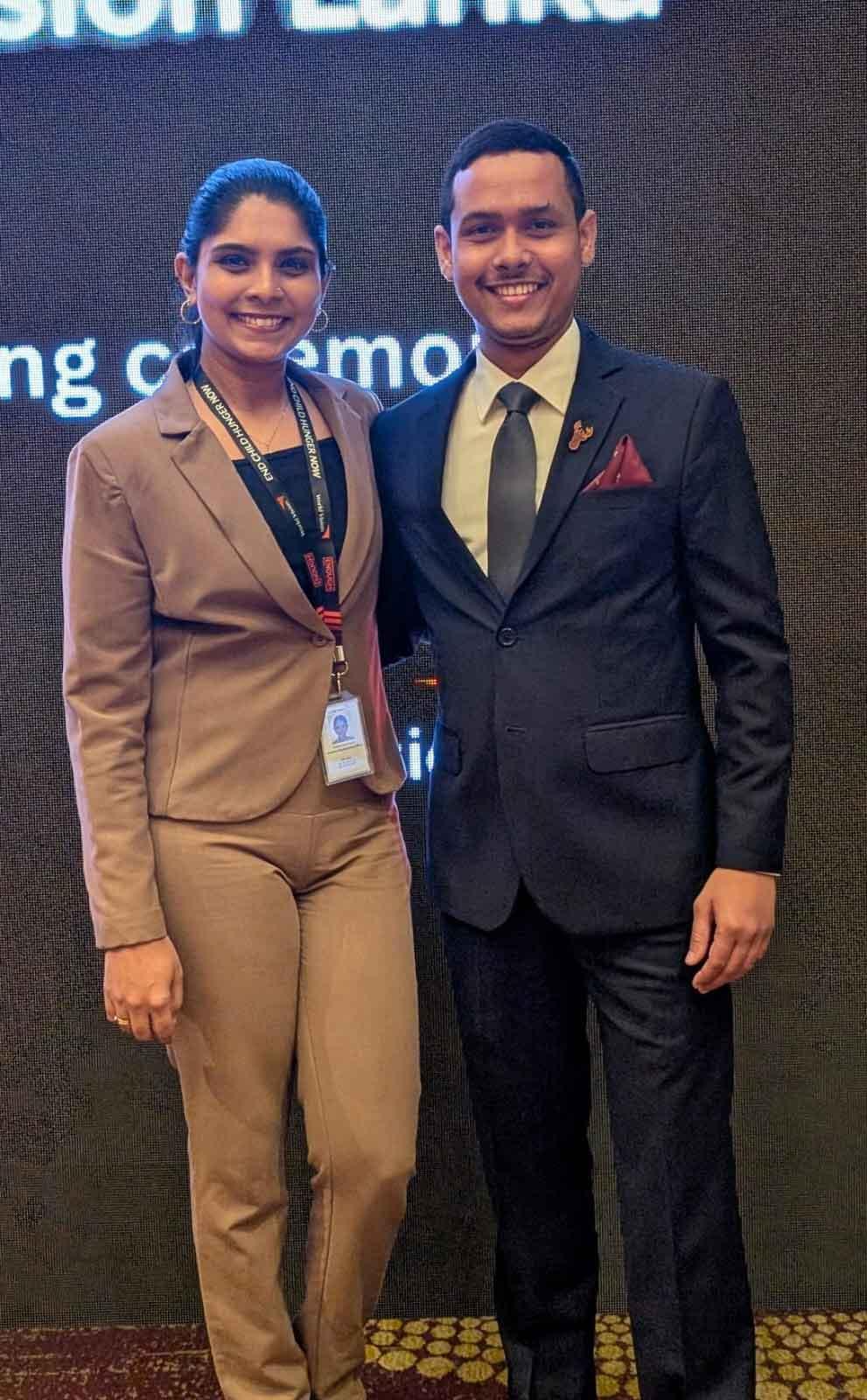
You have worked extensively on diversifying funding and strengthening domestic resource mobilisation. What makes a partnership genuinely sustainable?
For me, sustainable partnerships begin with trust, shared values and a clear understanding of what each stakeholder hopes to achieve. Resource mobilisation should never be reduced to simply requesting financial support. The most successful relationships are those in which partners recognise the wider value of their contribution and understand how collaboration can generate lasting benefits. When engaging corporate organisations, aligning development initiatives with their sustainability commitments and environmental, social and governance priorities can create meaningful opportunities. With philanthropists and individual donors, transparency and tangible results are particularly important. People want to understand how their contributions are being used and what difference they are making. Consistent communication, responsible donor stewardship, regular reporting and measurable outcomes are essential to maintaining confidence. I have seen how these principles can help expand domestic donor portfolios and create more diverse funding opportunities. Ultimately, strong partnerships are built through consistency, credibility and the understanding that meaningful impact requires sustained commitment rather than occasional engagement.
You are exploring blended finance and impact investing. Could these approaches reshape Sri Lanka's development landscape?
Absolutely. I believe innovative financing mechanisms could play an increasingly important role in Sri Lanka's development future. Traditional grant funding remains essential, particularly for humanitarian assistance and vulnerable communities. However, development challenges are becoming increasingly complex and grants alone may not provide sufficient resources to address them. Sri Lanka has a substantial and diverse private sector, which presents opportunities to mobilise capital towards initiatives delivering measurable social and environmental benefits. Blended finance offers an interesting possibility because grants and other resources can be used strategically to reduce investment risks and encourage participation from private investors and financial institutions. Impact investing similarly creates opportunities to connect financial sustainability with positive development outcomes. What excites me most is the possibility of building initiatives that remain viable beyond individual funding cycles. Rather than depending indefinitely on external assistance, we should explore models that strengthen local capacity, attract responsible investment and continue creating value long after initial donor support ends.
Your research examines the German Civil Peace Service model in Sri Lanka. What makes this approach particularly relevant to reconciliation?
What interests me most about the Civil Peace Service model is its commitment to long-term engagement, local ownership and genuine collaboration. My research has explored how the model operates through local organisations in Sri Lanka and how it contributes to relationships between actors from the Global North and Global South.
One particularly valuable feature is the positioning of international practitioners as coworkers rather than supervisors or direct implementers. This creates space for mutual learning, shared responsibility and meaningful exchanges of experience. Peacebuilding cannot simply be designed externally and imposed upon communities. It must reflect local histories, relationships, tensions and aspirations. Grassroots organisations are especially important because they understand the complexities within their communities. They can facilitate dialogue, address difficult experiences from the past and support reconciliation in ways that are locally meaningful. I believe strengthening these institutions and relationships is essential. Sustainable peace requires patience, trust and the recognition that communities themselves must remain at the centre of the process.
Humanitarian emergencies demand immediate action, while development requires patience. How do you reconcile these competing priorities?
I see humanitarian response and sustainable development as complementary responsibilities rather than separate areas of work. During an emergency, the immediate priority must always be protecting lives, preserving dignity and addressing urgent needs. However, the way assistance is delivered can also influence how communities recover and prepare for future challenges. Whenever possible, emergency interventions should strengthen local capabilities, support livelihoods and improve preparedness rather than create prolonged dependence. This requires thinking beyond the immediate crisis and considering how each intervention contributes to long-term resilience. For example, working through local institutions and community structures can help ensure that knowledge, resources and practical capabilities remain after an emergency response concludes. The ultimate objective should be to help communities recover while becoming better equipped to manage future difficulties. That balance between immediate relief and sustainable recovery is fundamental to responsible development practice.
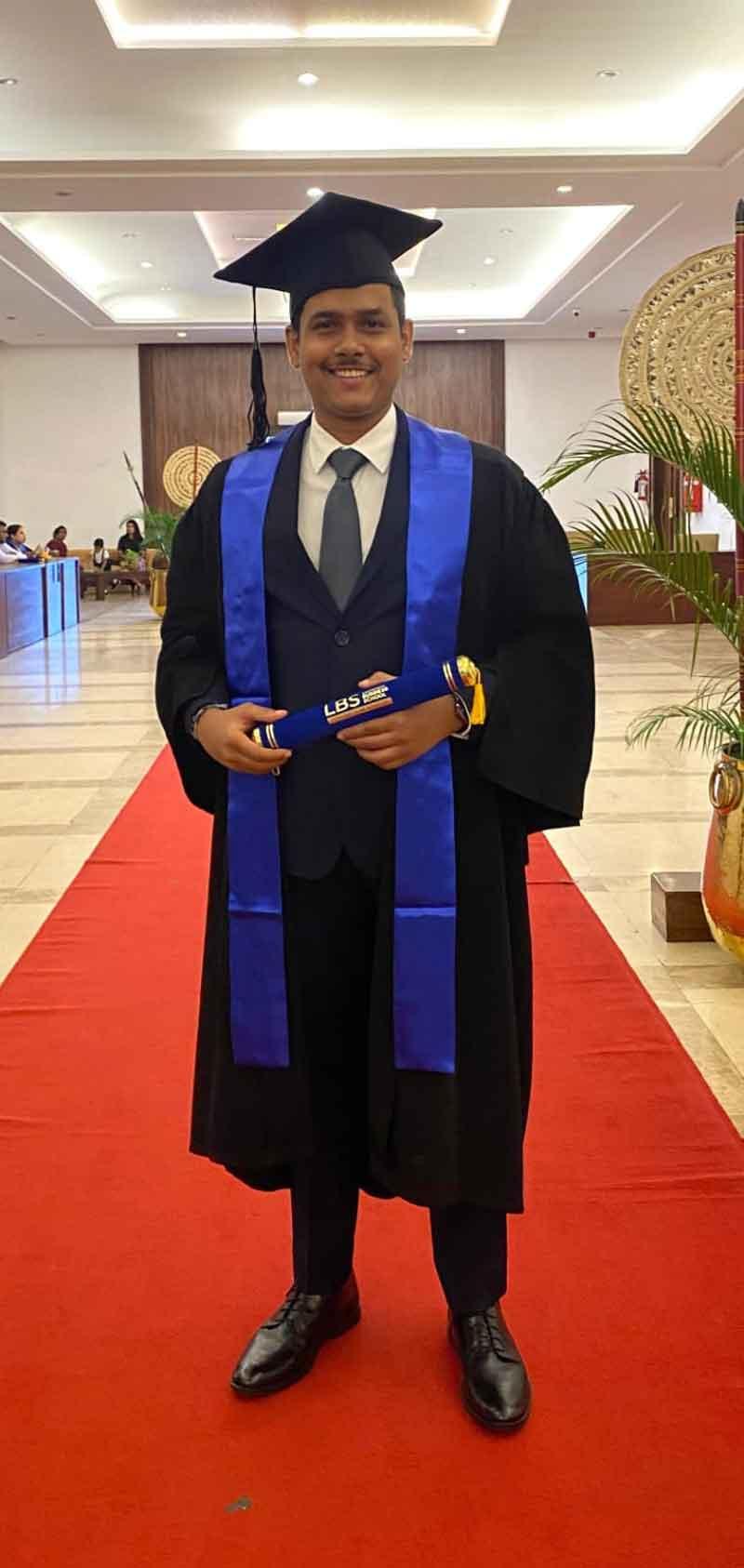
Your academic background spans business management, international relations and peace studies. How have these disciplines influenced your professional decisions?
Each discipline has contributed something different to my understanding of leadership and development. Business Management and Marketing provided a foundation in strategic planning, organisational management and stakeholder engagement. International Relations expanded my understanding of diplomacy, global systems and international development cooperation. Peace and Conflict Studies introduced another dimension, particularly the importance of social cohesion, conflict transformation and reconciliation. Together, these fields have encouraged me to approach challenges from multiple perspectives rather than search for solutions within a single discipline. Development challenges are rarely isolated. Economic opportunities, institutional relationships, social stability and community wellbeing are deeply interconnected. My academic experiences have reinforced my belief that sustainable development and lasting peace are increasingly inseparable. There comes a point where meaningful progress in one area becomes difficult without corresponding progress in the other.
You have represented organisations at national and international forums. What is the secret to building trust across cultures and institutions?
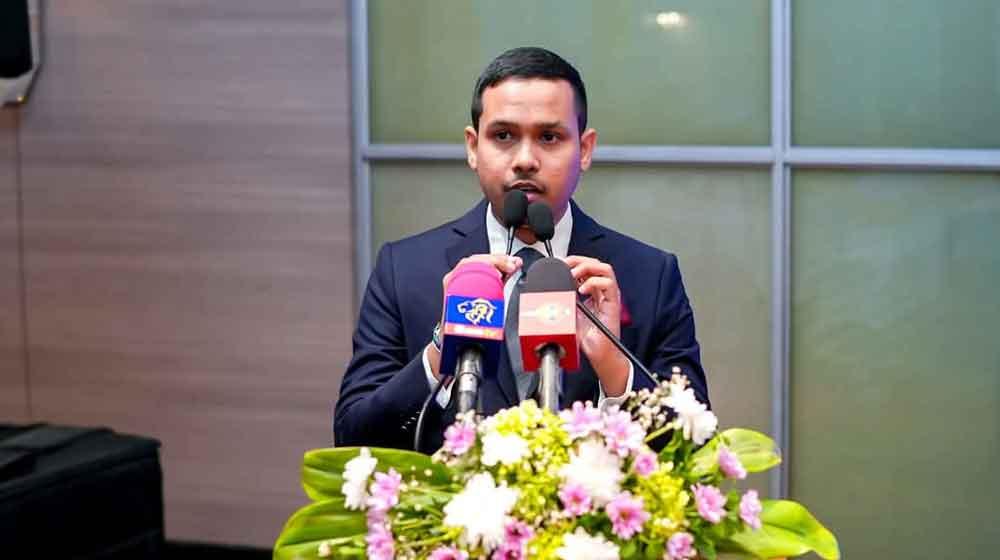
I believe meaningful relationships begin with listening. Whether engaging government representatives, international donors, corporate leaders, academics or community organisations, it is important to understand their priorities and perspectives before attempting to establish common objectives. Different institutions operate within different cultures, expectations and constraints. Recognising those differences is essential to building respectful and productive relationships. My experiences at national and international forums have reinforced the importance of cultural sensitivity, professionalism and clear communication. Trust is not created through a single meeting or successful presentation. It develops gradually when people consistently honour commitments, communicate transparently and demonstrate integrity. Finding common ground without dismissing differences is particularly important in development and peacebuilding, where collaboration often involves stakeholders with competing interests. Ultimately, partnerships endure when people feel respected, understood and confident that everyone involved is working towards a genuinely shared purpose.
Before development work, theatre played a defining role in your life. How did your years at St. Benedict's College shape the leader you became?
Theatre has probably been the single most influential experience in my personal development. As one of the longest-serving members of the St. Benedict's College English Drama Club, I had opportunities to participate in Shakespearean productions, works by Arthur Miller and musical theatre, including Les Misérables and The Greatest Show. Those experiences developed my confidence, discipline, communication skills and appreciation for teamwork. Performing teaches you to stand before an audience without fear, remain composed under pressure and communicate with people from different backgrounds. It also encourages you to understand perspectives beyond your own, which is invaluable when working with diverse stakeholders. Many of the skills I rely on professionally today, particularly public speaking, presenting ideas and building relationships, were developed on stage. Theatre taught me that effective communication involves more than speaking confidently. It requires awareness, empathy, preparation and the ability to connect meaningfully with others.
Looking ahead, what contribution do you hope to make to Sri Lanka's development and peacebuilding future?
When I reflect on my journey, I see how seemingly different experiences have contributed to a common purpose. Theatre developed my confidence and ability to connect with people. Academic study expanded my understanding of business, diplomacy, development and peace. My professional experiences taught me resilience, adaptability and the importance of servant leadership. Looking ahead, I want to contribute to a Sri Lankan development landscape that is increasingly innovative, sustainable and locally led. I am particularly passionate about strengthening domestic resource mobilisation, exploring alternative financing mechanisms and supporting peacebuilding initiatives that empower communities. My ambition is to engage more deeply in peace work while helping identify innovative funding approaches that can sustain these efforts over time. Ultimately, I hope to contribute to a society where development, reconciliation and social cohesion reinforce one another, allowing communities to build their futures with dignity, confidence and resilience.