
Jensen Huang and the Extraordinary Rise and Fall of the Man Who Built Nvidia.
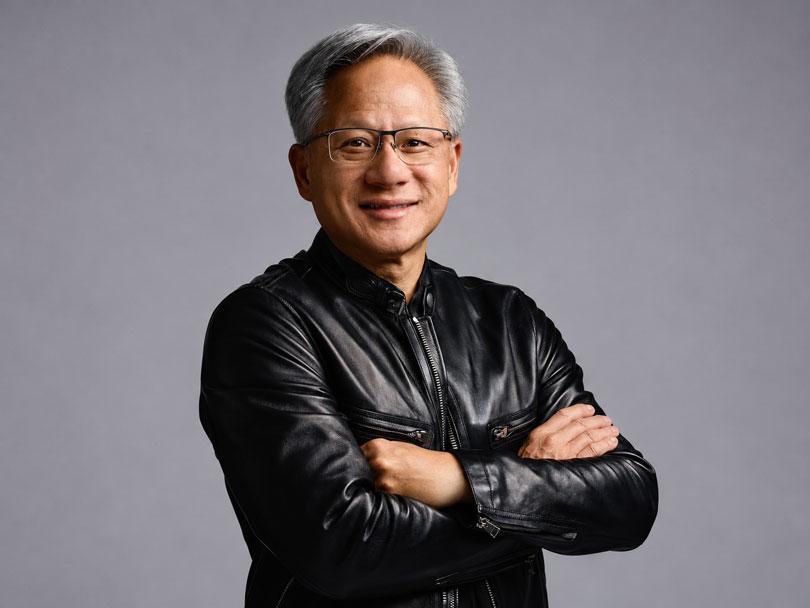
Jensen Huang
For more than three decades, Jensen Huang appeared almost inseparable from Nvidia. He founded the company at age 30, steered it through near bankruptcy and turned it into the business powering much of the world's artificial intelligence revolution. With his trademark black leather jacket, boundless energy and remarkable understanding of technology, he became one of Silicon Valley's most recognisable figures. Investors listened closely to his every prediction. Technology companies competed for his chips. His personal fortune climbed into the billions. Then, in November 2026, everything changed. Reports of extramarital affairs, including a relationship with a Chinese businesswoman suspected by American intelligence officials of espionage, engulfed the 63-year-old executive. Further revelations involving Nvidia employees intensified the controversy. On the 12th of November, Huang resigned as chief executive, president and board member of the company he had spent 33 years building. It was an extraordinary fall for a man whose childhood could hardly have been further removed from the wealth and influence he eventually acquired.
THE START
Jensen Huang was born in Tainan, Taiwan, in February 1963. His family later lived in Thailand before his parents decided that America offered their sons better educational opportunities. At nine, Jensen and his older brother were sent to the United States without their parents. They initially stayed with an uncle in Washington before being enrolled at Oneida Baptist Institute in Kentucky. The family believed it was a prestigious boarding school. In reality, it was a religious institution attended by troubled teenagers, many considerably older than Jensen. His roommate was 17 and had been involved in violent fights. Huang later recalled that almost everyone seemed to smoke and carry a pocketknife. He was small, spoke English with a strong accent and stood out immediately. Other children bullied him, sometimes using racist insults. On his way to school, boys would shake the ropes of a narrow pedestrian bridge while he tried to cross. Huang has spoken about those years without much bitterness. He taught his older roommate to read, while the teenager introduced him to weight training. The experience hardened him, although it is difficult to imagine how frightening it must have been for a nine-year-old separated from his parents in an unfamiliar country. Eventually, his parents joined the boys in America and settled in Oregon. Huang excelled academically, developed a passion for mathematics and science, and graduated from high school at just 16.
THE DISHWASHER
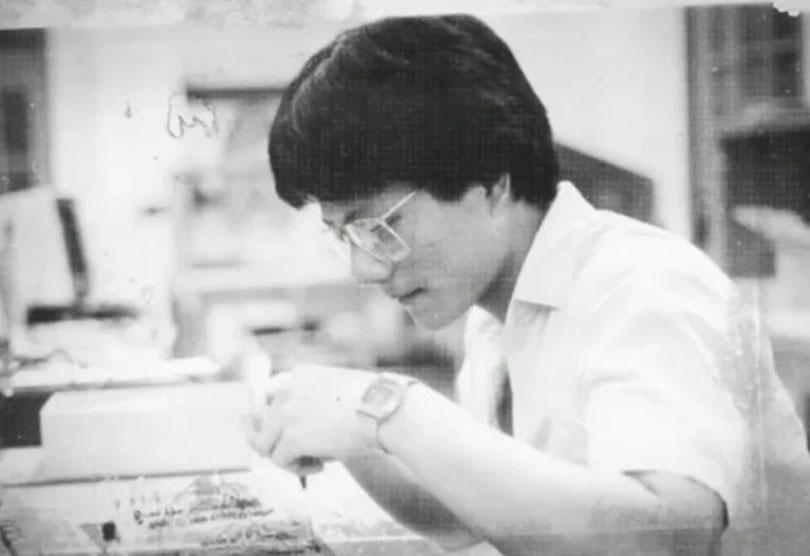
Long before the private jets, international conferences and billionaire lifestyle, Huang worked at Denny's, the American restaurant chain. He washed dishes, cleared tables and cleaned toilets. He later became a waiter and has frequently spoken about how much the job taught him. Restaurant work demanded speed, patience and the ability to cope when everything went wrong at once. Those lessons would prove useful when he began running a technology company. At Oregon State University, where he studied electrical engineering, Huang met Lori Mills, one of the few women in his course. He was younger than most of his classmates and later joked that he looked about 12. Rather than attempting to impress Lori with his appearance, he persuaded her to study with him. After months of working together, they began dating. They eventually married and had two children, Madison and Spencer.
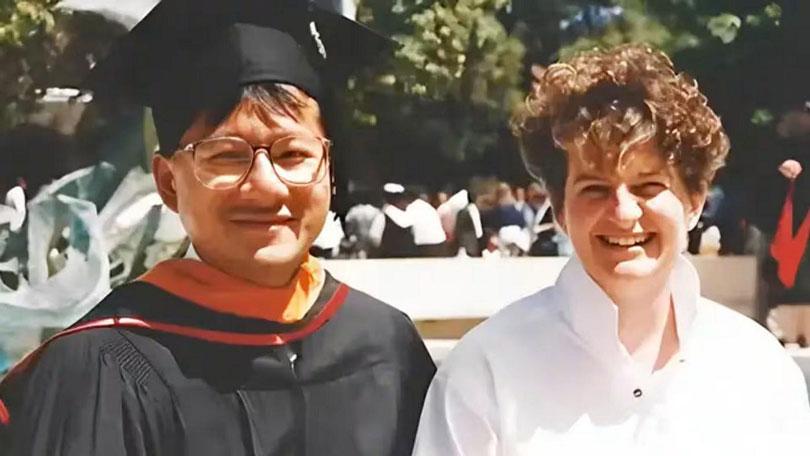
Huang graduated in 1984 and worked for Advanced Micro Devices before joining LSI Logic. He later completed a master's degree at Stanford University while building his career in Silicon Valley. By his late twenties, he was earning well and had a young family. He could have enjoyed a comfortable career in the semiconductor industry. Instead, he decided to gamble everything on an idea.
THE BILLION-DOLLAR IDEA
In 1993, Huang met fellow engineers Chris Malachowsky and Curtis Priem at a Denny's restaurant in California. They believed computers were about to undergo a revolution in graphics. Video games were becoming increasingly sophisticated, but existing chips struggled to produce realistic three-dimensional images. The three men decided to start a company that could change that. They called it Nvidia, and Huang, then just 30, became chief executive. The early years were anything but glamorous. Nvidia's first major product was built around a graphics approach that proved commercially unsuccessful. The company had invested heavily in technology that the wider industry was moving away from. Money was running out. Employees faced uncertainty, and Huang had to make difficult decisions to keep the business alive. Rather than stubbornly defending the original technology, Nvidia changed direction. In 1999, the company introduced the GeForce 256, which it marketed as the world's first graphics processing unit, or GPU. The chip helped establish Nvidia as a serious force in computer graphics. But Huang was beginning to see possibilities that extended far beyond video games.
THE GAMBLE
Graphics processors were designed to perform large numbers of calculations simultaneously. That made them useful not only for producing images but also for scientific research and other demanding computing tasks. Huang believed Nvidia could create an entirely new market by making its processors programmable. In 2006, the company introduced CUDA, a software platform that allowed developers to use Nvidia GPUs for applications beyond graphics. It was an expensive investment with no guarantee of success. For years, many investors questioned why Nvidia was spending so much money developing software for a market that barely existed. Then researchers began using GPUs to train artificial intelligence systems. As machine learning advanced, Nvidia's processors became increasingly important. When ChatGPT arrived in 2022 and brought generative AI into the mainstream, demand for powerful computing chips exploded. Technology giants including Microsoft, Amazon, Google and Meta began investing enormous sums in AI infrastructure. Nvidia became one of the biggest beneficiaries. By 2025, its market value had reached $5 trillion, a remarkable achievement for a company that had once struggled to survive. Huang's personal wealth soared. He became a billionaire many times over, admired for recognising an opportunity long before most of the industry understood its significance. But the qualities that made him successful also made Nvidia unusually dependent on him. He was deeply involved in technical decisions, maintained dozens of direct reporting relationships and exercised enormous influence over the company's direction. For years, that approach appeared to work. Then came the scandal.
THE AFFAIR
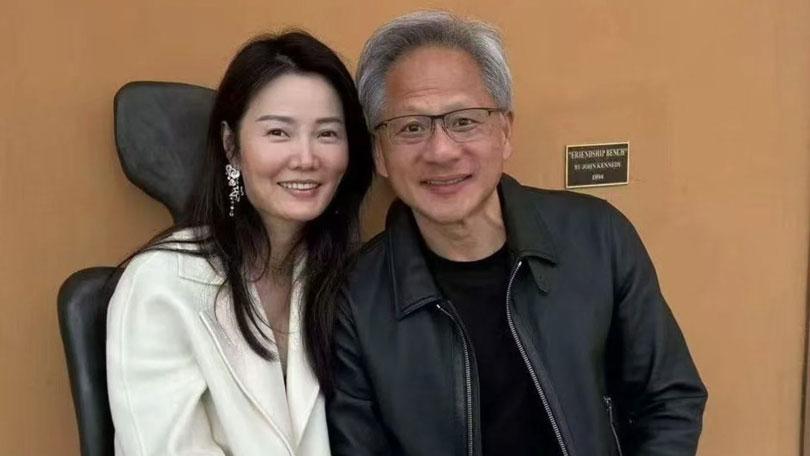
In November 2026, reports emerged about Huang's relationship with Alice Huang, a Chinese businesswoman associated with Singapore-based data centre company Megaspeed International, an Nvidia customer. American intelligence officials reportedly suspected Alice Huang of having connections to Chinese intelligence.

The allegations were serious because Nvidia's advanced chips had become strategically important to the United States, particularly amid growing technological competition with China. Huang and Alice had reportedly appeared together at business meetings, dinners and public events. As questions mounted, Huang admitted that he had been unfaithful to his wife, Lori, and apologised to his family and Nvidia employees. He denied knowing that Alice Huang was allegedly connected to Chinese intelligence. Crucially, the espionage suspicions remain unproven. Reuters has not established that Alice Huang worked for the Chinese government, and Beijing has denied the allegations. There is also no established evidence that Jensen Huang knowingly assisted espionage or passed confidential Nvidia information to China. Nevertheless, the possibility that the head of such an important American technology company might have been targeted by foreign intelligence raised concerns. Nvidia's independent directors appointed an outside law firm to investigate. The controversy was no longer simply about an executive's private life.
THE EXIT
The situation became more difficult when reports emerged of another relationship, this time involving Kimberly Powell, Nvidia's vice-president of healthcare. Powell reportedly had a direct reporting relationship with Huang, raising questions about workplace conduct and conflicts of interest. Shortly after Huang resigned, Reuters reported allegations of a further relationship involving another Nvidia employee whose identity was not disclosed. Then came claims that Huang had misled senior colleagues about his dealings with Alice Huang. According to Reuters, messages and accounts from people familiar with the matter suggested he had described their interactions as ordinary business dealings, despite later acknowledging infidelity. The timing and full nature of the relationship remained unclear. On the 12th of November 2026, Nvidia announced that Huang had resigned with immediate effect. The company's official statement did not identify a specific reason for his departure. Instead, the board praised his contributions and acknowledged the extraordinary business he had created. Colette Kress, Nvidia's longtime chief financial officer, was appointed interim chief executive, while Harvey Jones became the company's first independent board chair. Investors reacted nervously. Nvidia's shares fell sharply following the announcement, reflecting concerns about losing the man who had guided the business since its creation. For a company so closely associated with one individual, replacing him would never be straightforward.
THE END
Jensen Huang's departure cannot diminish his extraordinary achievements. From a bullied immigrant child washing dishes to earn money, he rose to build Nvidia into a cornerstone of the artificial intelligence revolution. Yet his legacy now faces scrutiny beyond technology. The allegations surrounding Alice Huang demand caution. Suspicion is not evidence, and nothing has established that he compromised American technological secrets. His admitted infidelity and reported relationships with employees, however, raise legitimate questions about personal judgement and corporate accountability. The irony is striking. After decades anticipating technological change, Huang appears to have left Nvidia confronting an unexpected leadership crisis. Its chips, software and influence will endure, but its future without him remains uncertain. History will remember a visionary engineer and formidable entrepreneur who transformed computing. It may also remember a more complicated figure whose remarkable success offered no immunity from scrutiny. After 33 years, Nvidia must prove its strength extends beyond its founder.
For more than three decades, Jensen Huang appeared almost inseparable from Nvidia. He founded the company at age 30, steered it through near bankruptcy and turned it into the business powering much of the world's artificial intelligence revolution. With his trademark black leather jacket, boundless energy and remarkable understanding of technology, he became one of Silicon Valley's most recognisable figures. Investors listened closely to his every prediction. Technology companies competed for his chips. His personal fortune climbed into the billions. Then, in November 2026, everything changed. Reports of extramarital affairs, including a relationship with a Chinese businesswoman suspected by American intelligence officials of espionage, engulfed the 63-year-old executive. Further revelations involving Nvidia employees intensified the controversy. On the 12th of November, Huang resigned as chief executive, president and board member of the company he had spent 33 years building. It was an extraordinary fall for a man whose childhood could hardly have been further removed from the wealth and influence he eventually acquired.
THE START
Jensen Huang was born in Tainan, Taiwan, in February 1963. His family later lived in Thailand before his parents decided that America offered their sons better educational opportunities. At nine, Jensen and his older brother were sent to the United States without their parents. They initially stayed with an uncle in Washington before being enrolled at Oneida Baptist Institute in Kentucky. The family believed it was a prestigious boarding school. In reality, it was a religious institution attended by troubled teenagers, many considerably older than Jensen. His roommate was 17 and had been involved in violent fights. Huang later recalled that almost everyone seemed to smoke and carry a pocketknife. He was small, spoke English with a strong accent and stood out immediately. Other children bullied him, sometimes using racist insults. On his way to school, boys would shake the ropes of a narrow pedestrian bridge while he tried to cross. Huang has spoken about those years without much bitterness. He taught his older roommate to read, while the teenager introduced him to weight training. The experience hardened him, although it is difficult to imagine how frightening it must have been for a nine-year-old separated from his parents in an unfamiliar country. Eventually, his parents joined the boys in America and settled in Oregon. Huang excelled academically, developed a passion for mathematics and science, and graduated from high school at just 16.
THE DISHWASHER
Long before the private jets, international conferences and billionaire lifestyle, Huang worked at Denny's, the American restaurant chain. He washed dishes, cleared tables and cleaned toilets. He later became a waiter and has frequently spoken about how much the job taught him. Restaurant work demanded speed, patience and the ability to cope when everything went wrong at once. Those lessons would prove useful when he began running a technology company. At Oregon State University, where he studied electrical engineering, Huang met Lori Mills, one of the few women in his course. He was younger than most of his classmates and later joked that he looked about 12. Rather than attempting to impress Lori with his appearance, he persuaded her to study with him. After months of working together, they began dating. They eventually married and had two children, Madison and Spencer.
Huang graduated in 1984 and worked for Advanced Micro Devices before joining LSI Logic. He later completed a master's degree at Stanford University while building his career in Silicon Valley. By his late twenties, he was earning well and had a young family. He could have enjoyed a comfortable career in the semiconductor industry. Instead, he decided to gamble everything on an idea.
THE BILLION-DOLLAR IDEA
In 1993, Huang met fellow engineers Chris Malachowsky and Curtis Priem at a Denny's restaurant in California. They believed computers were about to undergo a revolution in graphics. Video games were becoming increasingly sophisticated, but existing chips struggled to produce realistic three-dimensional images. The three men decided to start a company that could change that. They called it Nvidia, and Huang, then just 30, became chief executive. The early years were anything but glamorous. Nvidia's first major product was built around a graphics approach that proved commercially unsuccessful. The company had invested heavily in technology that the wider industry was moving away from. Money was running out. Employees faced uncertainty, and Huang had to make difficult decisions to keep the business alive. Rather than stubbornly defending the original technology, Nvidia changed direction. In 1999, the company introduced the GeForce 256, which it marketed as the world's first graphics processing unit, or GPU. The chip helped establish Nvidia as a serious force in computer graphics. But Huang was beginning to see possibilities that extended far beyond video games.
THE GAMBLE
Graphics processors were designed to perform large numbers of calculations simultaneously. That made them useful not only for producing images but also for scientific research and other demanding computing tasks. Huang believed Nvidia could create an entirely new market by making its processors programmable. In 2006, the company introduced CUDA, a software platform that allowed developers to use Nvidia GPUs for applications beyond graphics. It was an expensive investment with no guarantee of success. For years, many investors questioned why Nvidia was spending so much money developing software for a market that barely existed. Then researchers began using GPUs to train artificial intelligence systems. As machine learning advanced, Nvidia's processors became increasingly important. When ChatGPT arrived in 2022 and brought generative AI into the mainstream, demand for powerful computing chips exploded. Technology giants including Microsoft, Amazon, Google and Meta began investing enormous sums in AI infrastructure. Nvidia became one of the biggest beneficiaries. By 2025, its market value had reached $5 trillion, a remarkable achievement for a company that had once struggled to survive. Huang's personal wealth soared. He became a billionaire many times over, admired for recognising an opportunity long before most of the industry understood its significance. But the qualities that made him successful also made Nvidia unusually dependent on him. He was deeply involved in technical decisions, maintained dozens of direct reporting relationships and exercised enormous influence over the company's direction. For years, that approach appeared to work. Then came the scandal.
THE AFFAIR
In November 2026, reports emerged about Huang's relationship with Alice Huang, a Chinese businesswoman associated with Singapore-based data centre company Megaspeed International, an Nvidia customer. American intelligence officials reportedly suspected Alice Huang of having connections to Chinese intelligence.
The allegations were serious because Nvidia's advanced chips had become strategically important to the United States, particularly amid growing technological competition with China. Huang and Alice had reportedly appeared together at business meetings, dinners and public events. As questions mounted, Huang admitted that he had been unfaithful to his wife, Lori, and apologised to his family and Nvidia employees. He denied knowing that Alice Huang was allegedly connected to Chinese intelligence. Crucially, the espionage suspicions remain unproven. Reuters has not established that Alice Huang worked for the Chinese government, and Beijing has denied the allegations. There is also no established evidence that Jensen Huang knowingly assisted espionage or passed confidential Nvidia information to China. Nevertheless, the possibility that the head of such an important American technology company might have been targeted by foreign intelligence raised concerns. Nvidia's independent directors appointed an outside law firm to investigate. The controversy was no longer simply about an executive's private life.
THE EXIT
The situation became more difficult when reports emerged of another relationship, this time involving Kimberly Powell, Nvidia's vice-president of healthcare. Powell reportedly had a direct reporting relationship with Huang, raising questions about workplace conduct and conflicts of interest. Shortly after Huang resigned, Reuters reported allegations of a further relationship involving another Nvidia employee whose identity was not disclosed. Then came claims that Huang had misled senior colleagues about his dealings with Alice Huang. According to Reuters, messages and accounts from people familiar with the matter suggested he had described their interactions as ordinary business dealings, despite later acknowledging infidelity. The timing and full nature of the relationship remained unclear. On the 12th of November 2026, Nvidia announced that Huang had resigned with immediate effect. The company's official statement did not identify a specific reason for his departure. Instead, the board praised his contributions and acknowledged the extraordinary business he had created. Colette Kress, Nvidia's longtime chief financial officer, was appointed interim chief executive, while Harvey Jones became the company's first independent board chair. Investors reacted nervously. Nvidia's shares fell sharply following the announcement, reflecting concerns about losing the man who had guided the business since its creation. For a company so closely associated with one individual, replacing him would never be straightforward.
THE END
Jensen Huang's departure cannot diminish his extraordinary achievements. From a bullied immigrant child washing dishes to earn money, he rose to build Nvidia into a cornerstone of the artificial intelligence revolution. Yet his legacy now faces scrutiny beyond technology. The allegations surrounding Alice Huang demand caution. Suspicion is not evidence, and nothing has established that he compromised American technological secrets. His admitted infidelity and reported relationships with employees, however, raise legitimate questions about personal judgement and corporate accountability. The irony is striking. After decades anticipating technological change, Huang appears to have left Nvidia confronting an unexpected leadership crisis. Its chips, software and influence will endure, but its future without him remains uncertain. History will remember a visionary engineer and formidable entrepreneur who transformed computing. It may also remember a more complicated figure whose remarkable success offered no immunity from scrutiny. After 33 years, Nvidia must prove its strength extends beyond its founder.
Alice and Jensen