WHY ARE YELLOW BUTTERFLIES SUDDENLY EVERYWHERE IN SRI LANKA?
BY YASHMITHA SRITHERAN
Over the past few days, something rather beautiful has been happening across Sri Lanka. Yellow and white butterflies have been appearing in large numbers, filling the skies, crossing busy roads and fluttering through neighbourhoods. From Colombo to Galle and Ratnapura, people have been noticing these delicate creatures travelling together, often in the same direction. For some, it has been a lovely sight to witness, while others have been left wondering why so many butterflies have suddenly appeared.
Social media has been filled with videos and photographs of these butterflies, with people sharing their excitement and curiosity. Some have even connected their appearance to the traditional belief that butterflies travel towards Sri Pada. Others have wondered whether their sudden movement could be linked to changes in the weather. But what is actually happening?
The explanation lies in nature itself. Sri Lanka is currently experiencing a seasonal butterfly migration, a natural phenomenon influenced by monsoon rainfall, the growth of plants and butterfly breeding cycles. Although the sudden appearance of thousands of butterflies may seem unusual, these migrations have been occurring across the island for generations. Butterfly migrations in Sri Lanka generally take place during two periods of the year. The main migration occurs between October and December, while a smaller movement is observed between March and April. These periods are closely connected to seasonal rainfall, which creates favourable conditions for butterflies to reproduce. When rain arrives, plants begin producing fresh leaves, providing food for caterpillars and suitable locations for butterflies to lay their eggs. As butterfly populations increase, they begin spreading across different regions in search of additional food sources and breeding habitats. Wind patterns can also influence their movement. Interestingly, not all the butterflies appearing across Sri Lanka belong to the same species. Several types participate in these seasonal migrations, each with its own appearance, characteristics and relationship with the surrounding environment.
THE LEMON EMIGRANT
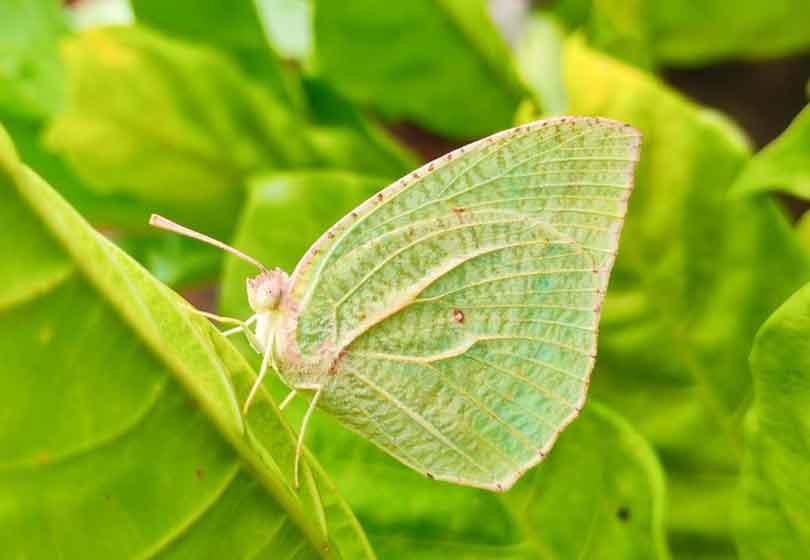
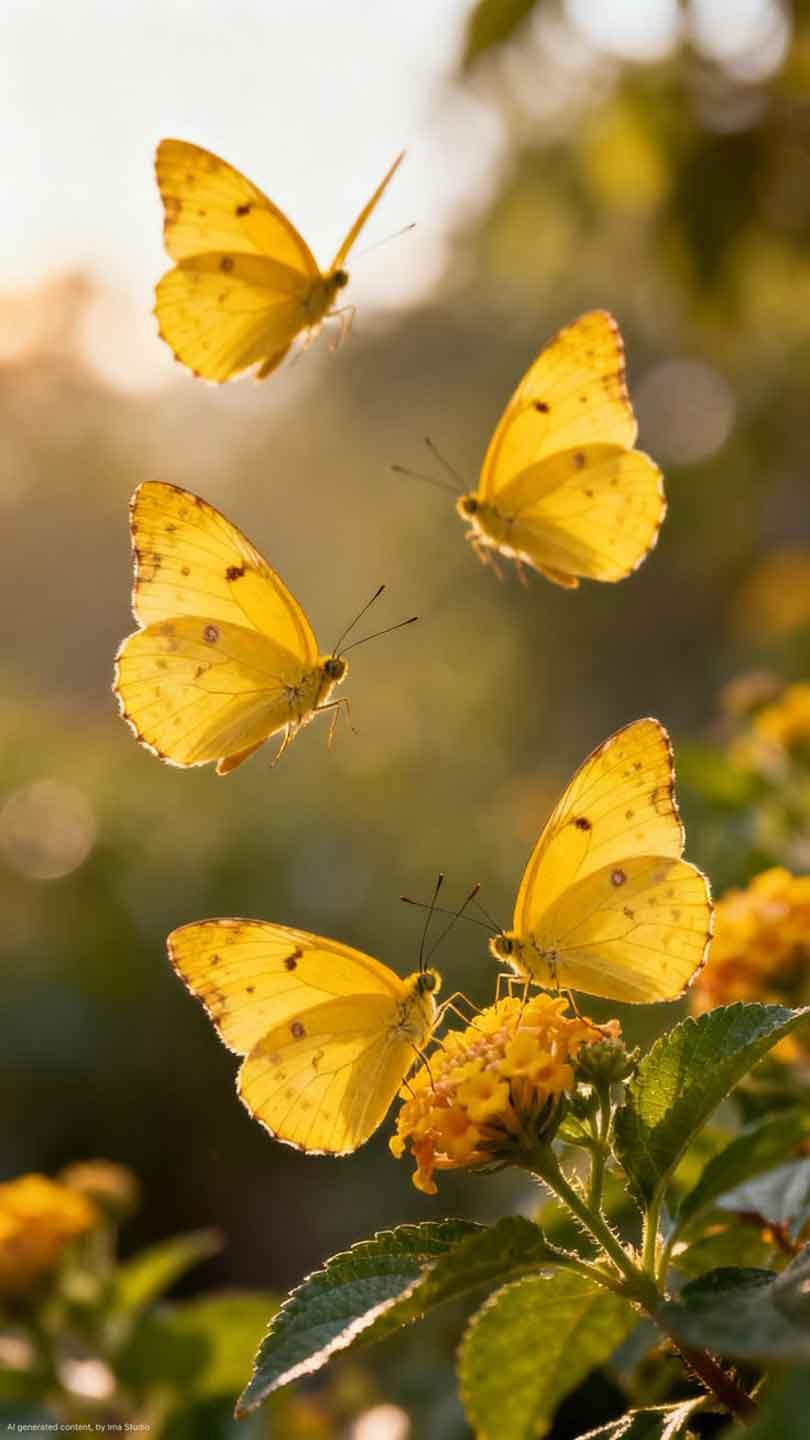
One of the butterflies associated with these migrations is the Lemon Emigrant, scientifically known as Catopsilia pomona. This species belongs to the Pieridae family, a group commonly associated with white and yellow butterflies. The Lemon Emigrant is recognised for its pale-yellow, bright-yellow or sometimes almost white wings. Its appearance can vary, making it difficult to identify accurately when seen flying at a distance. These butterflies depend on particular plants for reproduction, especially species belonging to the Cassia and related groups, including plants locally known as Thora.
During the rainy season, these plants produce fresh growth, creating suitable conditions for butterflies to lay eggs. As their numbers increase, Lemon Emigrants disperse across different areas in search of suitable habitats. The Lemon Emigrant is among the species reported moving across Colombo during the recent seasonal migration.
THE MOTTLED EMIGRANT
Another butterfly involved in the migration is the Mottled Emigrant, scientifically known as Catopsilia pyranthe. At first glance, it may look similar to the Lemon Emigrant. However, the Mottled Emigrant generally has pale wings with delicate, irregular markings, particularly on the undersides. These subtle patterns are among the features that help distinguish it from related species. Like the Lemon Emigrant, the Mottled Emigrant relies on host plants belonging to the Senna and Cassia groups for reproduction. The availability of these plants plays an important role in determining where butterflies breed and how their populations develop. However, changes in natural habitats can affect these butterflies. The spread of invasive plants, including Guinea grass and Lantana camara, can alter vegetation and reduce the availability of native plants that support certain butterfly species. This makes the protection of natural habitats particularly important for their long-term survival.
THE LESSER ALBATROSS
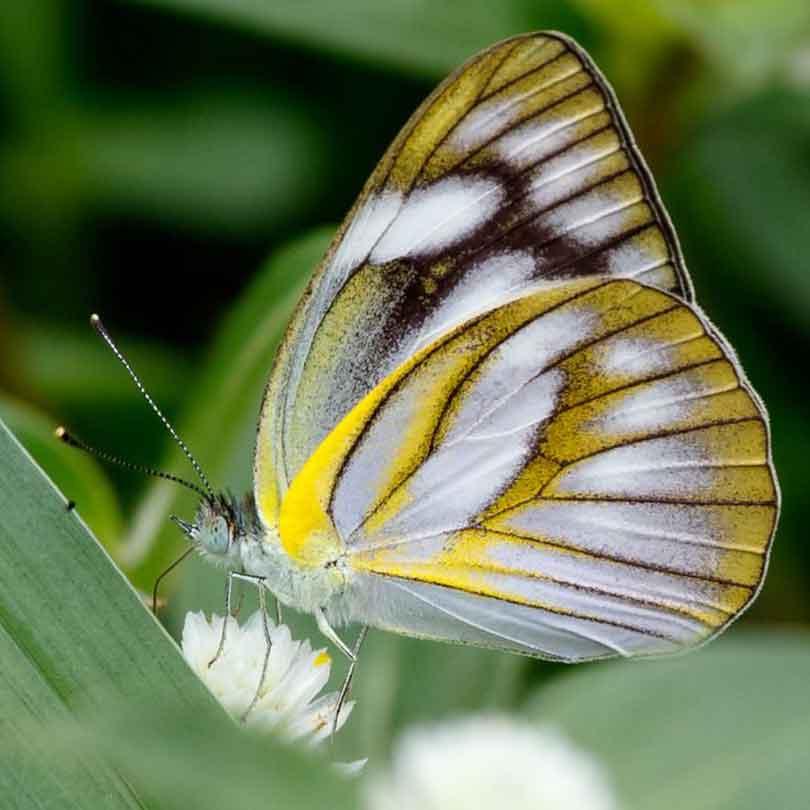
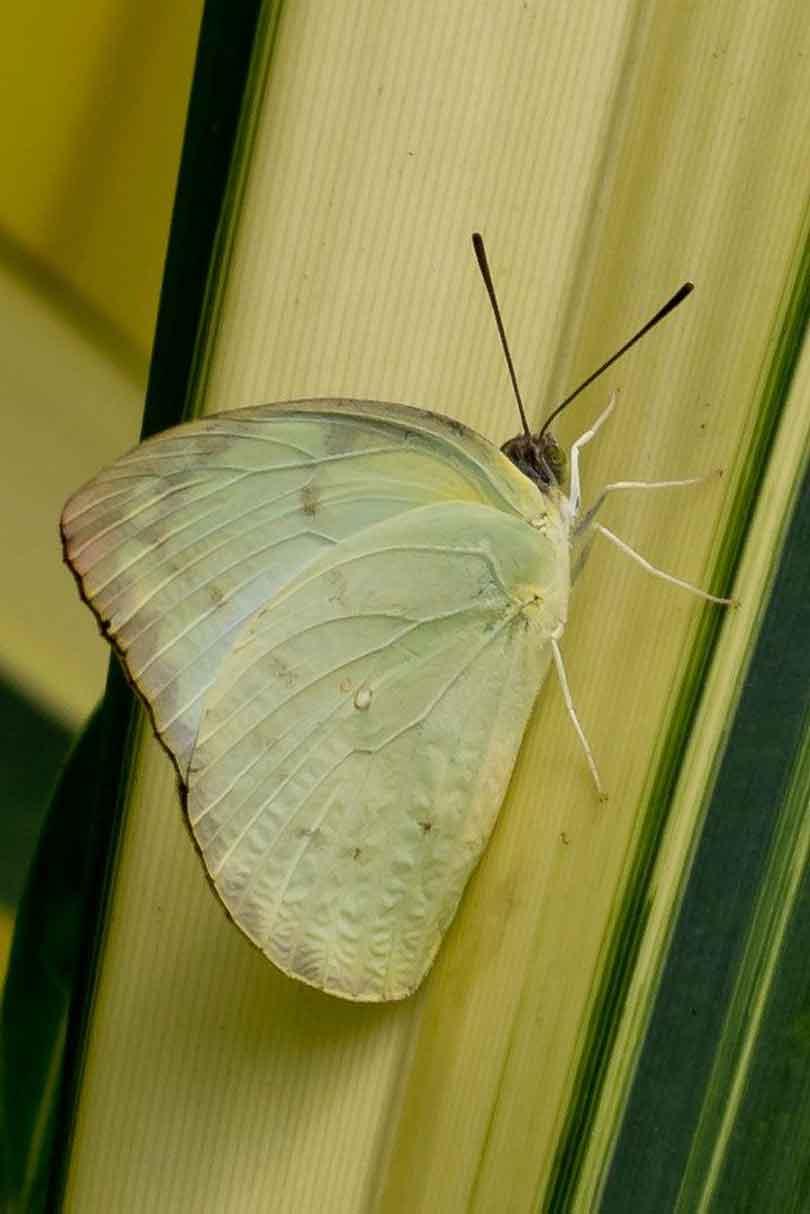
While yellow butterflies have attracted considerable attention, white butterflies are also part of the seasonal movement. One such species is the Lesser Albatross, scientifically known as Appias galene. Unlike the yellow Emigrant butterflies, the Lesser Albatross has predominantly white wings with darker markings. Its appearance varies between males and females. The Lesser Albatross is particularly interesting because of research conducted into the migration patterns of Albatross butterflies in Sri Lanka. A study published in the scientific journal Taprobanica in 2024 examined butterfly movements using observations collected from 60 locations across the island. Researchers identified three main migration routes, including a prominent movement from the southeast towards the northwest. The research documented a migration route extending from the Kumana National Park region towards Wilpattu, covering approximately 280 kilometres. The average flight speed of migrating Albatross butterflies was estimated at around 11 kilometres per hour, with the journey taking approximately three to four days. The Lesser Albatross is associated with the Weera tree, scientifically known as Drypetes sepiaria, which serves as a host plant for its caterpillars.
THE COMMON ALBATROSS
The Common Albatross, scientifically known as Appias albina, is another white butterfly associated with Sri Lanka’s seasonal migrations. It belongs to the same family as the Lesser Albatross and shares several similarities in appearance, including predominantly white wings and darker markings. The Common Albatross was also identified among the species examined in research on butterfly migration across Sri Lanka. Although different species may appear almost identical when flying together, they have distinct physical characteristics that allow specialists to identify them. The presence of several species during the same migration period highlights how seasonal rainfall and vegetation changes can influence different butterfly populations simultaneously. For generations, Sri Lankans have shared the belief that butterflies travel towards Sri Pada, particularly during the pilgrimage season.
Interestingly, this traditional belief has a connection to a real butterfly behaviour known as hill-topping. Hill-topping occurs when butterflies gather around elevated locations, such as hills and mountain summits, often to find potential mates. Locations such as Sri Pada and Kirigalpoththa have been associated with this behaviour. However, scientific observations indicate that many butterflies participating in Sri Lanka’s seasonal migrations travel towards the northwest rather than specifically heading towards Sri Pada. The migration has also raised questions about whether butterflies can predict natural disasters.
Butterflies are sensitive to environmental conditions, including changes in temperature, wind and atmospheric pressure. However, there is no established scientific evidence that mass butterfly migrations reliably predict cyclones or other natural disasters. What people are witnessing is therefore best understood as a natural seasonal movement rather than a warning of an approaching disaster. Beyond their beauty, butterflies play an important role in ecosystems, including contributing to pollination and forming part of food webs. Their survival is closely connected to the health of the plants and habitats around them.
Although large butterfly migrations continue to occur, researchers have raised concerns about declining butterfly populations, habitat changes, invasive plants and increasingly irregular rainfall patterns. For now, the yellow and white butterflies moving across Sri Lanka offer a fascinating glimpse into the natural world. What appears to be a sudden arrival is actually part of a seasonal cycle shaped by rainfall, reproduction and the search for suitable habitats. And perhaps that is what makes the sight so special. Amid the rush of everyday life, thousands of butterflies have quietly reminded us of the remarkable natural processes taking place all around us.