Why Are Children Starting To Speak So Late? The Silence We Created
Something is happening. Children are starting to speak later. Not because they are less capable. Not because they are lazy. Not because something is wrong with them. Because the environment they are growing up in has changed. The child is perfectly fine. The environment is what went silent. This is not a lazy generation. This is a generation of children developing inside an ecosystem where speech has become biologically unnecessary. We need to understand why.
THE FIRST FAILURE
The child's nervous system is drowning in sensory garbage. Background television. Cartoons during meals. iPads in the stroller. Screens everywhere, always on, always demanding attention. The human brain requires silence and direct facial tracking to wire speech pathways. It cannot build language from a continuous, chaotic stream of digital pixels. Think about what a child needs to learn to speak. They need to hear words clearly. They need to see faces. They need to watch mouths move. They need to connect sounds with meaning, over and over, in a calm and predictable environment. They cannot do this when the environment is filled with noise. When there is always a screen on. When the background hum of digital content never stops. The brain is trying to build language in a storm. And the storm is drowning out the very sounds it needs to hear. Silence is not empty. Silence is where language is born.
THE SECOND FAILURE
Here is something we do without realizing. The child points. The child grunts. And the adult instantly provides what they want. The child does not need to speak. They do not need to form words. They do not need to struggle to communicate. Because the adult is already there, anticipating every need, solving every problem before it is fully expressed. The human brain operates on strict caloric efficiency. It does not waste energy on things that are not necessary. If a child can extract food, toys, and attention without vocalizing, the brain refuses to spend the energy required to build complex articulation. Why engineer speech when you are already perfectly served in silence? This is not the child's fault. It is biology. The brain is efficient. It will not build what it does not need. But speech is something children need to build. And they build it through practice. Through struggle. Through the experience of trying to communicate and being understood. When parents anticipate every need, we rob them of this practice.
THE THIRD FAILURE
There is another pattern that is becoming common. Instead of organic communication, the parent issues relentless commands. "Say this. Repeat this. Say it properly. Say it again."
The child's amygdala instantly registers this pressure as a biological threat. The brain does not learn well when it feels threatened. It shuts down. It becomes defensive. It stops trying. Vocalization requires neural safety. A child must feel safe to speak. They must feel that it is okay to try, to make mistakes, to be understood. A calm, regulated conversation walking to the store builds vastly more neural pathways than aggressive flashcard training. The neural architecture of speech does not grow from artificial apps or pressure. It is forged strictly through genuine, unhurried human presence. When we pressure children to speak, we teach them that speaking is stressful. That it is a performance. That they must get it right.
THE EXHAUSTION TRAP
Here is something we rarely talk about. Parental state matters. Profoundly. You physically cannot provide this slow, silent presence if your own baseline biology is completely shattered. If you are permanently exhausted and running on pure adrenaline, your brain cannot tolerate slow communication. You will instinctively hand your child a screen or instantly guess their needs just to buy ten minutes of peace. This is not a failure of love. It is a failure of biology. You cannot give what you do not have. You cannot build a deeply regulated, communicative child if your own biology is operating in a state of absolute emergency. The exhaustion trap is real. And it is widespread. Parents are working longer hours. They are managing more stress. They are carrying more anxiety. They are doing more than any generation before them, with less support than any generation before them. And their children are paying the price. Not because parents do not care. Because they are depleted. Because they have nothing left to give.
WHAT THE CHILD NEEDS
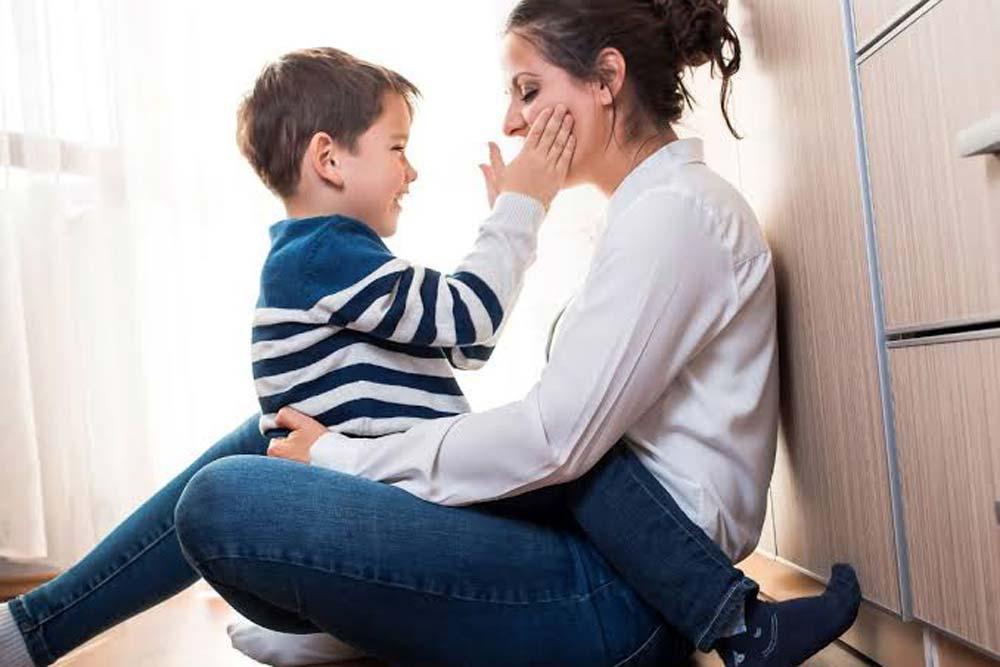
The child does not need more apps. More flashcards. More pressure. The child needs what children have always needed. They need silence. Real silence. The kind that allows the brain to hear, to process, to wire. They need faces. Direct eye contact. The kind that teaches a child that they are seen, that they matter, that communication is safe. They need unhurried presence. The kind that says: I am here. I am not rushing. I am listening. They need genuine communication. The kind that happens in the ordinary moments. Walking to the store. Cooking dinner. Folding laundry. Talking about nothing in particular. They need a parent who is regulated. Not perfect. Not always calm. But regulated enough to be present. These are not difficult things. They are simple things. But they are becoming rare.

WHAT PARENTS CAN DO
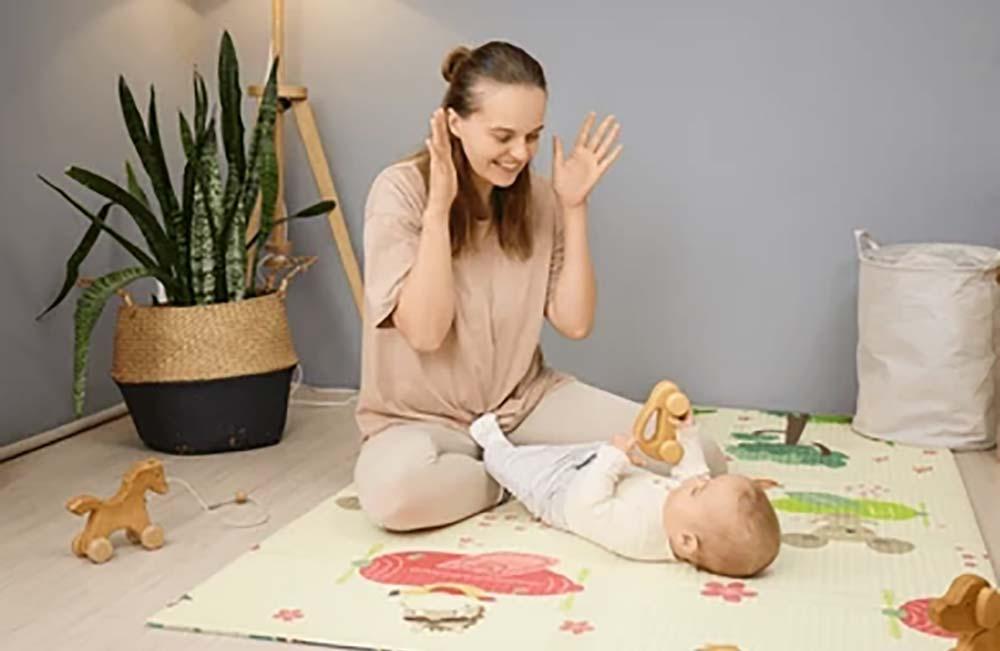
If you are a parent, here is what you can do. Turn off the background noise. Not all the time. But some of the time. Create spaces of silence. Silence is where language grows. Put down the screen. Look at your child. Let them see your face. Let them watch your mouth move. Let them learn that communication happens between people, not between a child and a device. Wait. Do not anticipate every need. Give your child a moment to try. To find the words. To struggle. To succeed.
This struggle is where learning happens. Speak calmly. Not with pressure. Not with commands. Just talk. Narrate your day. Ask questions. Describe what you see. This is how language is built. Take care of yourself. This is not selfish. It is essential. You cannot give what you do not have. Rest. Recover. Find moments of peace. Your child needs you regulated, not perfect. And remember that speech is not taught. It is caught. It happens in relationship. In silence. In presence. We cannot turn back the clock. But we can change what happens next. We can create spaces of silence. We can be present. We can trust that speech will come when the conditions are right. Because the child is not broken. The environment is, and we are the ones who can rebuild it.