WHAT HAPPENS WHEN CHILDREN NEVER HAVE TO WAIT?


We live in a world where almost everything appears to be a mere touch of a button away. Food can be ordered and Ubered within minutes, entertainment is available on demand, information is accessible instantly, and, increasingly, artificial intelligence can provide answers before we have even finished formulating our questions. Waiting, it would seem, is becoming an increasingly unnecessary part of modern life. But what happens when this expectation of instant gratification begins to shape the way we raise our children?
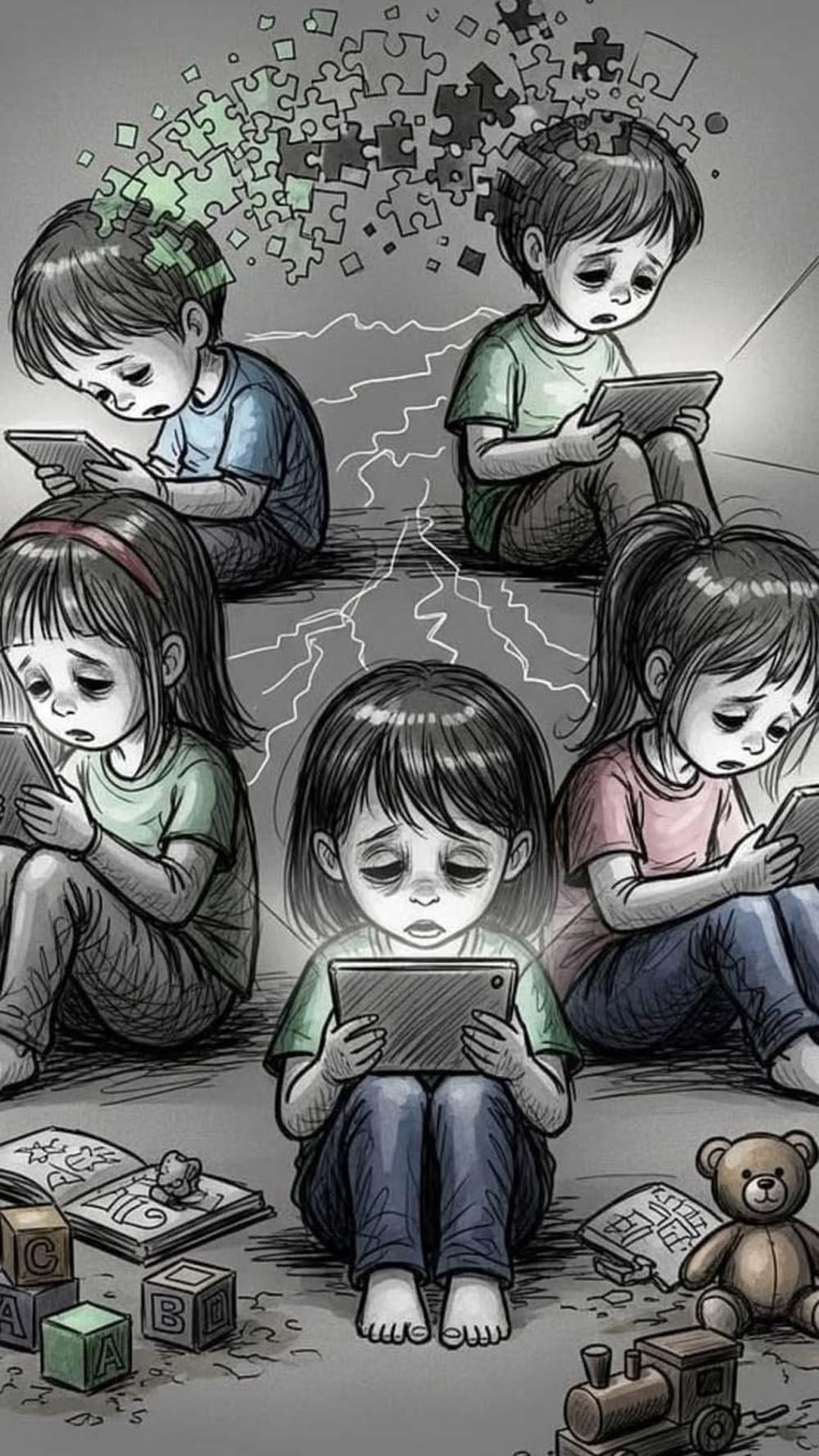
 Technology has undoubtedly had a role to play in contributing to this change in perspective. Social media, in particular, has created an environment in which teenagers are continuously bombarded by what others are doing, buying, experiencing, and accomplishing. There is an endless stream of information and entertainment competing for their attention, and the ability to switch rapidly between tasks, conversations and applications has become almost second nature to young people. Yet this constant switching of attention comes at a price. It can contribute to mental fatigue and stress, while creating an expectation that stimulation should always be readily available. Add in the fear of missing out (ie FOMO), and even an ordinary afternoon at home can begin to feel like a deprivation when a teenager sees photographs of friends apparently enjoying themselves elsewhere (many of which may not be true, mind, given the new trend of “LARPing”!).
Artificial intelligence (AI) adds in yet another dimension. A problem that once required research, thinking, discussion, and not a little frustration, can now be solved in mere seconds. Used intelligently, AI tools can be extremely useful. But how do we develop the qualities of patience and persistence that are crucial for education if the process of solving the problem is not needed anymore?
Technology, however, cannot shoulder all the blame. We too need to face a rather difficult truth ourselves and ask whether we as parents, in our inexplicable enthusiasm to make life easier for our children, contributed to creating this expectation in our children that everything should be available immediately.
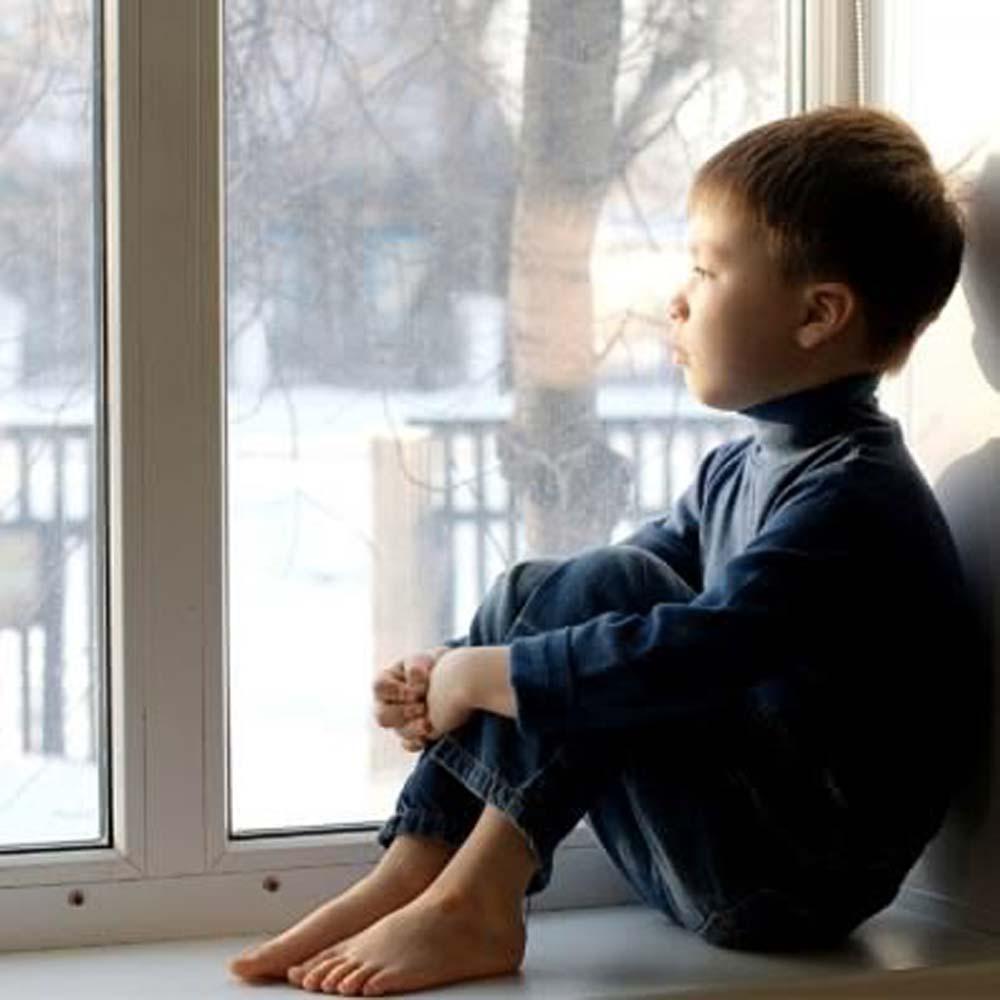
Consider something as ordinary as a child announcing that there is nothing to do. How many parents immediately reach for a phone, switch on the television, or arrange to go out for a coffee? We seem to have developed an almost instinctive unease with the idea that a child might have to sit quietly in their rooms with nothing to occupy them. Yet boredom is not necessarily a problem requiring an adult solution. Sometimes it is precisely the absence of external stimulation that allows a child's imagination to take over. A child might invent a game, pick up a book out of curiosity, build something with Lego, draw, cut up old clothes to experiment with fashion, bake brownies, burn the lawn while experimenting with a magnifying glass, feed an insect, or simply sit and think. These are not insignificant activities. They are opportunities to discover interests, exercise imagination and learn to occupy oneself without depending on somebody else for entertainment.
I recall the late Mr Mineka Wickramasingha, former Chairman of Ceylon Biscuits Limited, introducing an interesting concept at a business conference where he delivered the keynote address: “brain-stilling” as opposed to the traditional idea of brainstorming. The idea, as I recall it, was that innovation sometimes requires us to create mental space rather than continually bombard ourselves with information and ideas. It is an interesting thought when we consider how little unoccupied time we seem willing to allow children.
There is, of course, the familiar story of Isaac Newton returning to his family home at Woolsthorpe when the University of Cambridge temporarily closed during the Great Plague of 1665. This period away from the university provided him with time to think, observe and experiment, contributing to some of his most important intellectual work. The popular account of the apple falling from a tree is also associated with this period. The significance, however, is not that boredom will automatically produce a scientific breakthrough, but rather that an absence of constant demands on one’s headspace can create opportunities for observation, curiosity and original thought.
Perhaps we should also look back at our own childhoods. We grew up being bored too, but we generally found something to do. I remember sitting on the grass with friends in the school grounds when a class was cancelled, inventing horror stories and sharing each other's sandwiches as though we were enjoying an elaborate picnic. Nobody had organised the activity. Nobody had instructed us to be creative. We simply made our own entertainment. I wonder how many children today have similar opportunities, given the pressure to achieve, the packed schedules of tuition and extracurricular activities, and the reduced opportunities for spontaneous play with friends. We spend so much time preparing children for examinations, careers and the competitive world that awaits them that we sometimes forget to give them a childhood.

But the issue goes considerably further than boredom. I have often wondered why some parents feel compelled to satisfy almost every request their children make, even when doing so involves considerable inconvenience or expense. I have known parents who sent elaborate desserts to school every afternoon simply because their children wanted them, even when the family could not necessarily afford such indulgences. I have had mothers telephone me in tears, pleading with me to speak to their children and encourage them to be a little more grateful for the lunches lovingly prepared for them, which were apparently not good enough. And then there was the child who threatened to break a brand-new birthday phone because it wasn't the iPhone she had wanted. What exactly are we teaching children when every want becomes a need and every request has to be met?
I believe there is a connection between instant gratification and an inability to adapt that we ought to take seriously. Life does not always oblige. We will sadly not always get what we want, when we want it, and neither will everyone around us be particularly concerned about accommodating our preferences. Learning to accept disappointment, compromise and consider the needs of others is part of growing up. Yet how are children expected to develop these qualities if they have rarely had to wait, make do, or accept a refusal? We then wonder why some young adults struggle with criticism, cannot cope when things don't go their way or expect everyone else to accommodate them.
And this is where parents need to remember what their job actually is. We are not our children's best friends, nor should we feel compelled to be. Of course, we want them to love us and feel comfortable confiding in us. But we are their parents, and sometimes that means saying no, allowing them to be disappointed and resisting the temptation to give in to every whim. By all means, encourage children to play sports, pursue music and the arts, spend time with their books and learn practical life skills. But let them also go for a walk simply to enjoy the surroundings, watch a sunset, play hopscotch with the neighbourhood children or have a picnic in a park. Not every enjoyable experience needs to cost money or be organised by an adult. Children need to learn that one can have a perfectly lovely afternoon without the latest phone, an elaborate outing or constant entertainment. After all, life is unpredictable. Circumstances change, and we may not always be able to give our children everything they want. Surely, we owe it to them to teach them how to enjoy what they have, rather than always wanting something more.
We cannot protect our children from every inconvenience, nor should we try. The world they eventually enter will not be designed around their preferences. It will demand patience, adaptability, compromise and resilience. Perhaps the greatest disservice we can do them is to spend their childhood removing every small frustration, only for them to encounter a world that offers no such guarantees. In our determination to give our children everything, let us not forget to teach them how to make the best of what they have.