CAN WE CALL FASHION CIRCULAR IF THE PEOPLE MAKING IT ARE STILL STRUGGLING?
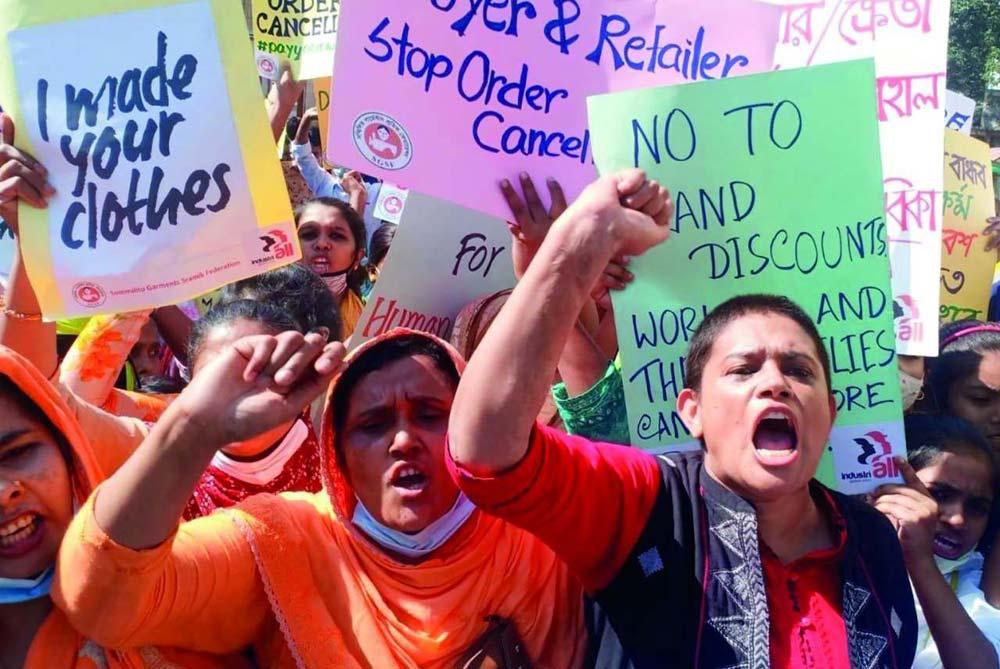
In most of my previous columns, I asked the same question that continues to linger: who pays when fashion gets cheaper? It is a question about an industry that has become remarkably efficient at producing more clothes for less money, often at the expense of the people who make them. But it leads to another question, one we must begin asking as fashion embraces circularity: can we really call fashion sustainable if the people making it possible are still struggling to make a living?
Circular fashion has become one of the industry's favourite expressions. From luxury houses experimenting with resale and repair to high-street brands introducing take-back schemes, the language of reuse, recycling and regeneration is becoming increasingly familiar. Consumers are encouraged to buy second-hand, return unwanted garments, repair damaged clothes and choose products made from recycled materials. These are important steps towards reducing fashion's environmental impact. Yet, somewhere in this conversation, we seem to have forgotten the people who make circularity possible.
We often measure circularity through materials. How much textile waste can we recover? How many tonnes of discarded clothing can we keep out of landfill? How much virgin material can we replace with recycled fibres? These are useful indicators, but they tell us only part of the story. Behind every circular solution is human labour, and much of that labour remains invisible.
Someone has to collect discarded clothing, sort through mountains of unwanted garments and separate what can be resold, repaired, recycled or dismantled. Someone must identify different fibres, remove buttons and zips, unpick seams and transform discarded materials into something useful again. These processes require time, physical effort, technical knowledge and, in many cases, years of experience.
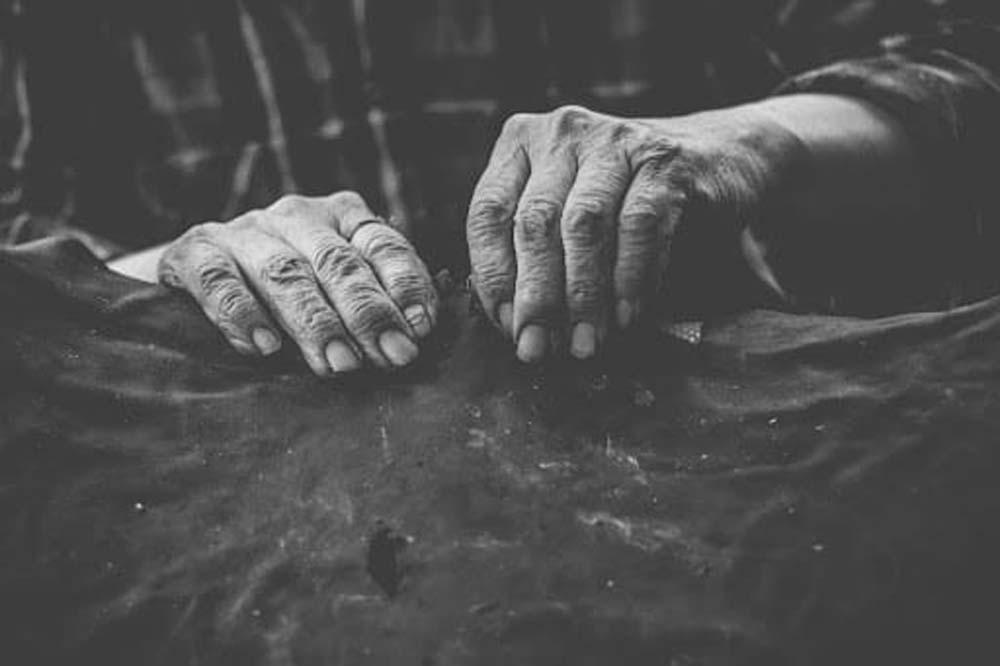
Having spent years working in garment construction and fashion education, I appreciate how much knowledge sits behind the seemingly simple act of making and remaking clothes. A skilled tailor can look at an old garment and recognise possibilities that someone else might never see. A damaged jacket can become something entirely different. An old saree can provide fabric for a new creation. What looks like waste to one person can be a valuable resource in the hands of someone with the right skills.
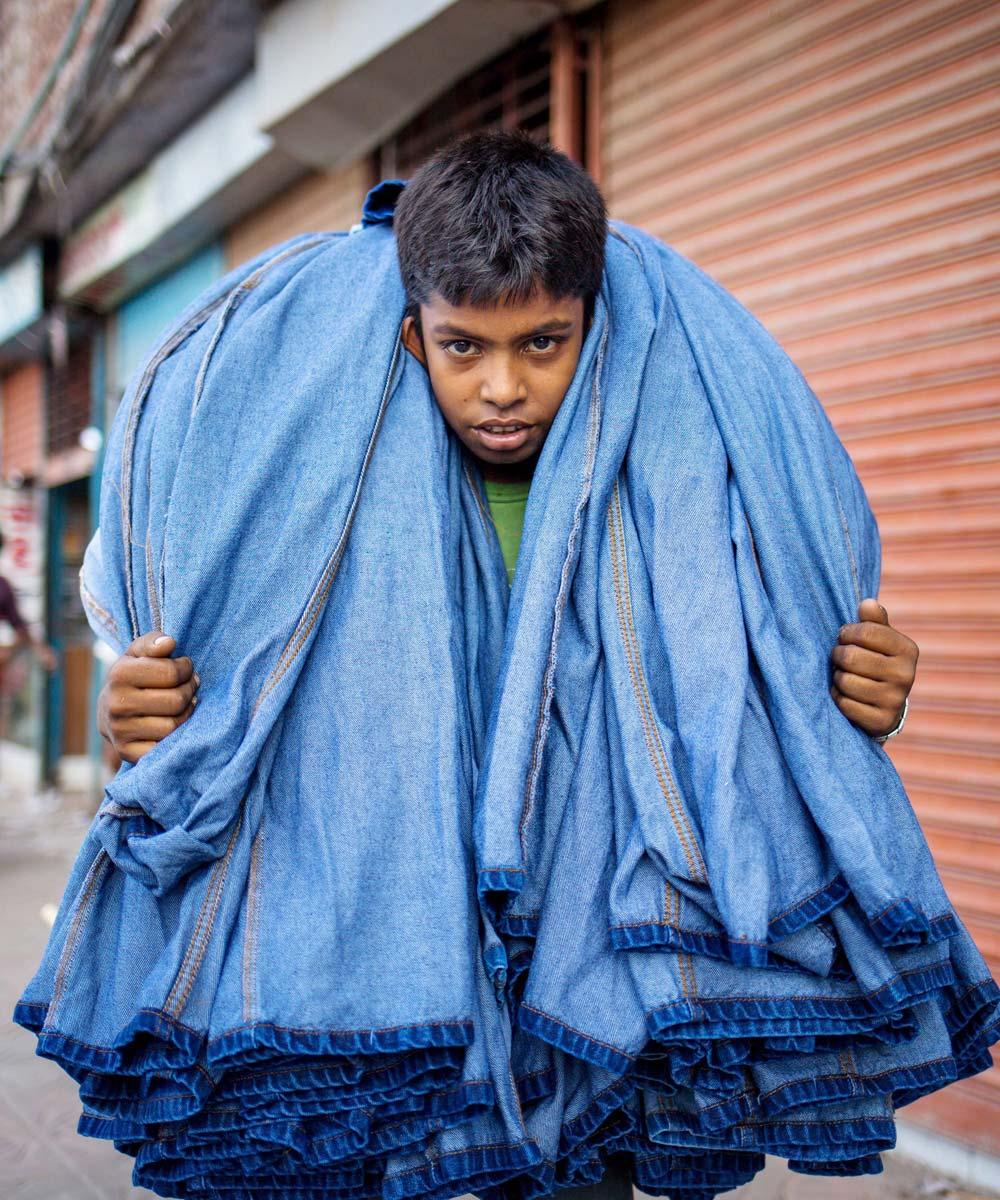
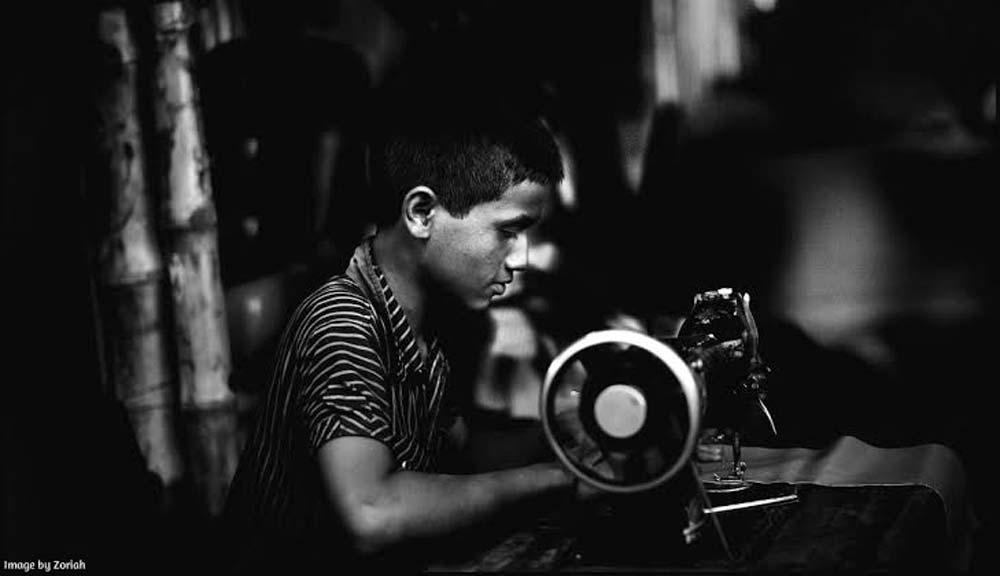
But expertise has value, and we rarely discuss whether the people possessing that expertise are adequately rewarded. For decades, the fashion industry has relied on a business model in which those doing the most physically demanding work often receive the smallest share of the value created. The global garment industry continues to face criticism over low wages, excessive working hours, unsafe factories and poor employment conditions.
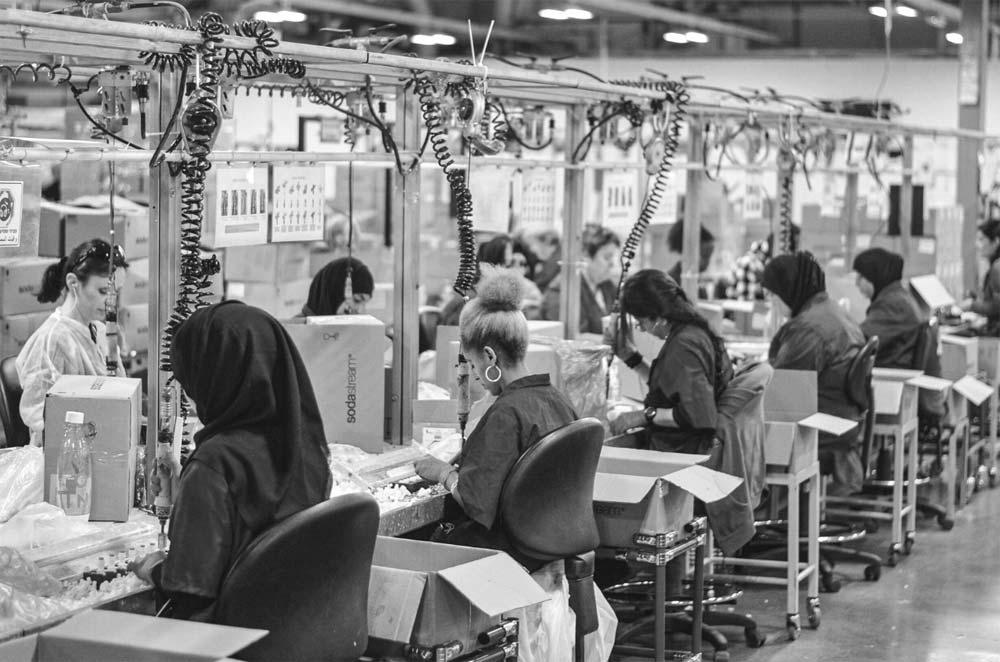
The transition towards a supposedly more sustainable industry does not automatically resolve these inequalities. In fact, there is a risk that circular fashion could reproduce many of the same problems under a different name.
Consider garment repair. Repair is now being presented as an important part of fashion's future. Luxury brands are introducing repair services, designers are incorporating visible mending into collections, and consumers are being encouraged to extend the life of their clothing. It is a welcome change from the culture of disposability. However, repairing a garment takes time, and time is money. If customers are unwilling to pay a fair price for the hours of skilled work involved, how can repair businesses survive? If the person doing the work is poorly paid, are we really creating a better fashion system?
The same question applies to textile sorting and recycling. The growing volume of discarded clothing has created opportunities for businesses involved in collecting, sorting and processing textile waste. But sorting is labour-intensive, repetitive and physically demanding. Workers may spend hours handling large quantities of discarded garments, many of which are unsuitable for reuse or recycling. The environmental benefit of diverting textiles from landfill cannot be separated from the conditions under which this work takes place.
There is also a geographical inequality that deserves greater attention. Much of the world's discarded clothing travels across borders, often ending up in countries that already face significant waste-management challenges. Communities in parts of Africa and Asia have become destinations for unwanted garments from wealthier markets. While some clothing enters second-hand markets and supports livelihoods, poor-quality and unsellable textiles can become an environmental burden. The countries receiving this waste are not necessarily the ones that benefited from its original production or consumption.
We must be careful not to celebrate the movement of unwanted clothing around the world as a circular solution without asking who is left to manage the consequences. Then there is upcycling, one of the most visually appealing expressions of circular fashion. Designers transform old garments, deadstock fabrics and discarded textiles into new products, often creating pieces with considerable artistic and commercial value. It has opened exciting possibilities for independent designers, small businesses and craftspeople. But who benefits from the value created?
An upcycled garment may be sold as a unique luxury product, carrying a premium price because of its craftsmanship and environmental story. Yet the person who sorted, dismantled, stitched or reconstructed the material may receive only a small payment for their contribution. Sustainability becomes part of the product's marketing, while the hands responsible for making it remain largely unrecognised. This is particularly relevant when we consider traditional craft communities. Across South Asia and many other parts of the world, generations of artisans have developed extraordinary skills in weaving, embroidery, lace-making, dyeing and textile manipulation.
These skills are increasingly celebrated by fashion brands searching for authenticity, craftsmanship and sustainable alternatives to mass production. But recognition does not always translate into economic security.
An artisan may be praised in a campaign and their work showcased to an international audience. Yet if they cannot negotiate fair prices, receive regular orders or maintain control over their contribution, the relationship remains unequal. We cannot claim to preserve traditional skills while allowing the people who possess them to struggle financially.
This is where the social dimension of sustainability becomes particularly important. We have become accustomed to discussing the three pillars of sustainability: environmental, social and economic. However, environmental progress often receives the greatest attention because it can be measured and communicated through impressive statistics. Social progress requires us to look beyond the finished product and examine the conditions under which it was created.
A circular economy is not automatically a fair economy. We can create better systems for recovering materials without creating better livelihoods. We can reduce textile waste while continuing to undervalue manual labour. We can promote repair and reuse while expecting skilled workers to offer their services at prices that make their businesses unsustainable. We can invest in sophisticated recycling facilities without adequately considering the people operating them.
So, what would a genuinely fair circular fashion system look like? For a start, labour costs must become part of the circularity conversation. Businesses should recognise the time, skill and physical effort involved in collecting, sorting, repairing and transforming textiles. Repair workers, textile sorters, recyclers and artisans should receive fair wages and work in safe conditions. If a circular business model depends on cheap labour to remain profitable, perhaps the model itself needs reconsidering.
Brands must also take greater responsibility for the entire life cycle of their products. It is not enough to design a garment using recycled fibres and leave someone else to deal with its eventual disposal. Producers should consider how easily their products can be repaired, dismantled and recycled, while ensuring that the systems supporting these processes provide decent employment.
Governments, educational institutions and fashion businesses also have an opportunity to invest in skills development. Garment repair, alteration, textile recovery and traditional craftsmanship should be recognised as valuable professional skills rather than informal activities expected to be performed cheaply. Training programmes, apprenticeships and access to finance could help make repair and textile-recovery businesses viable sources of employment. Consumers have a role too. We have spent decades becoming accustomed to extremely cheap clothing, influencing how we value the work behind a garment. A repair may appear expensive when compared with the price of a new T-shirt, but the comparison is misleading. We are comparing skilled human labour with a mass-produced product whose environmental and social costs are rarely reflected in its price.
Perhaps we need to reconsider what we are willing to pay to keep something in use. This does not mean circular fashion should become an expensive privilege reserved for wealthy consumers. It means creating economic structures that make repair, reuse and responsible production accessible without transferring the cost to workers.
As circular fashion moves from small independent initiatives into mainstream business models, we have an opportunity to build something better. But we must resist judging progress only by the number of garments recycled, the volume of waste recovered, or the percentage of recycled fibres used in a collection.
We must also ask whether the people behind these achievements earn a decent living, whether their working conditions are improving, whether their skills are recognised and whether they share in the opportunities being created.
I have often written about remembering the P for People in sustainability. It is worth repeating because conversations about fashion's environmental future can become so focused on materials, technology and innovation that the human element disappears. Fashion is made by people. It is repaired by people. It is sorted, dismantled, recycled and transformed by people. No matter how sophisticated our recycling technologies become, human knowledge and labour will remain central to this transition.
A system cannot genuinely regenerate resources while continuing to extract value from the people who keep those resources in circulation. Perhaps the real measure of circular fashion should be two things considered together: how successfully we keep materials in use and how successfully we improve the lives of the people who make that possible. Because if the future of fashion is meant to be circular, it cannot simply be about giving clothes another life. It must also be about giving the people behind those clothes a better one.