The Social Reckoning (2026): A Powerful Story About Truth, Technology and Responsibility
By Yashmitha Sritheran
The Social Reckoning (2026) takes audiences into the complicated world of Facebook, exploring the growing influence of social media and the consequences of decisions made behind closed doors. Written and directed by Aaron Sorkin, the film is a follow-up to his acclaimed 2010 screenplay for The Social Network, which examined the creation of Facebook and the personal conflicts surrounding its early development. While the original film concentrated on ambition, innovation and the rise of Mark Zuckerberg, The Social Reckoning shifts attention towards the social and political consequences of the platform's enormous success. The film draws inspiration from the Facebook Files investigation and the revelations of whistleblower Frances Haugen. Its central concerns include misinformation, online safety, political influence, corporate accountability and the ethical responsibilities of technology companies. At its heart, the story raises a troubling question about how a platform designed to connect people can also contribute to division, distrust and harm.
The narrative centres on Frances Haugen, a former Facebook employee whose experiences reveal serious concerns about the company's internal practices. Haugen joined Facebook with an interest in improving the way social media operates and helping the organisation address harmful content. However, her understanding of the company's priorities gradually changed as she encountered internal research and discussions about the platform's effects on users. The information raised questions about whether Facebook was doing enough to protect people from misinformation, harmful recommendations and other risks associated with its services. Rather than presenting the problem as a simple disagreement between employees and management, the story examines the difficult relationship between commercial success and public responsibility.
As Haugen becomes increasingly concerned, she faces a significant moral dilemma. Remaining silent would allow her to protect her career and avoid the personal consequences of challenging a powerful organisation. Speaking publicly, however, could expose practices that she believes deserve greater scrutiny. Her decision to disclose internal documents becomes the driving force behind the narrative. The conflict is particularly compelling because it involves an individual confronting a company with extraordinary financial resources, political connections and global influence. Through Haugen's experience, the story considers the personal courage required to question an institution from within, especially when doing so could permanently change someone's professional and private life.
An important part of the narrative involves Jeff Horwitz, an investigative journalist at The Wall Street Journal who helped bring Facebook's internal research to public attention. His involvement introduces another dimension to the story by showing how journalism can uncover information that powerful organisations might prefer to keep private. The investigation requires careful examination of documents, verification of claims and an understanding of the wider consequences of publication. Horwitz's work also demonstrates that exposing corporate misconduct or questionable decisions involves more than obtaining confidential information.
Journalists must establish the significance of their findings, protect sources where necessary and communicate complicated evidence accurately to the public.
The relationship between Haugen and Horwitz provides the foundation for a wider examination of accountability. Their efforts represent two different but connected forms of responsibility. Haugen's decision to share information raises questions about loyalty, professional ethics and the public interest, while Horwitz's investigation highlights the importance of independent reporting. Together, their stories illustrate how information can move from internal corporate discussions into public debate. The resulting scrutiny extends beyond Facebook itself, encouraging politicians, regulators, researchers and ordinary users to consider whether existing safeguards are sufficient for platforms that influence billions of people.
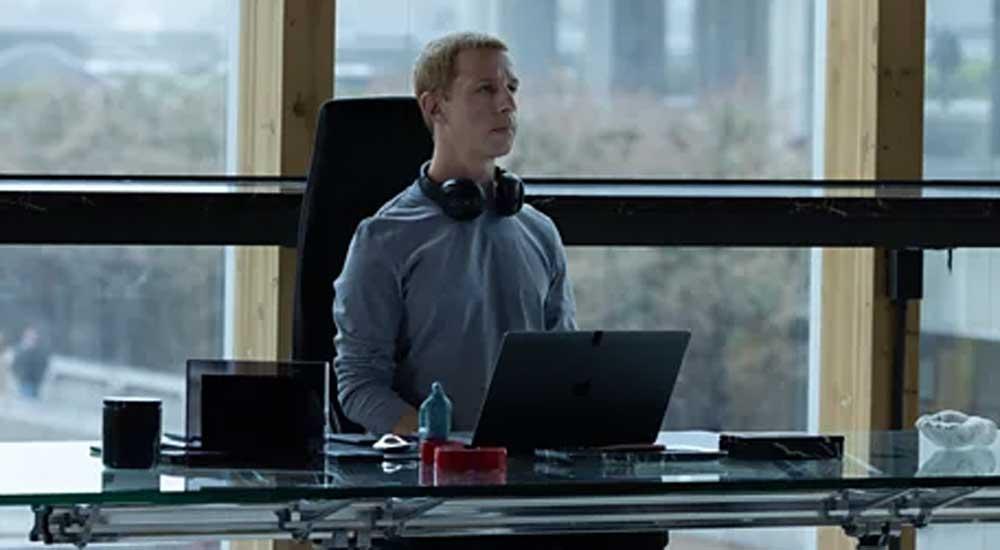
Mark Zuckerberg remains an important figure in the wider story. As Facebook's co-founder and leading executive, he represents the extraordinary concentration of influence that can develop within the technology industry. The questions surrounding his leadership extend beyond individual business decisions to the responsibilities of companies whose products shape communication, political debate and access to information. The narrative examines the tension between Facebook's stated commitment to connecting people and concerns about the harmful material circulating through its services. It also raises difficult questions about whether technology companies can effectively regulate themselves when decisions intended to improve user safety may conflict with commercial incentives.
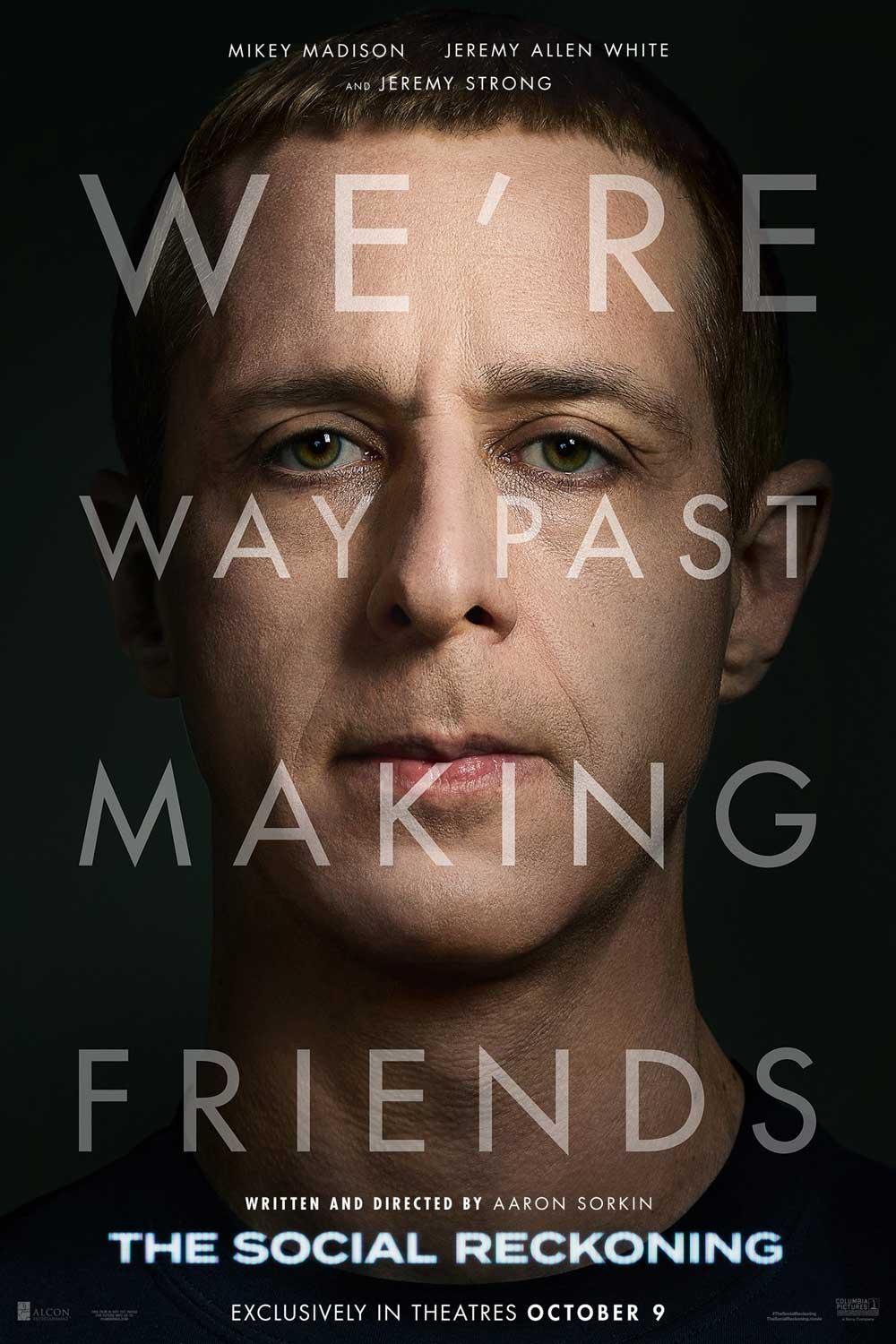
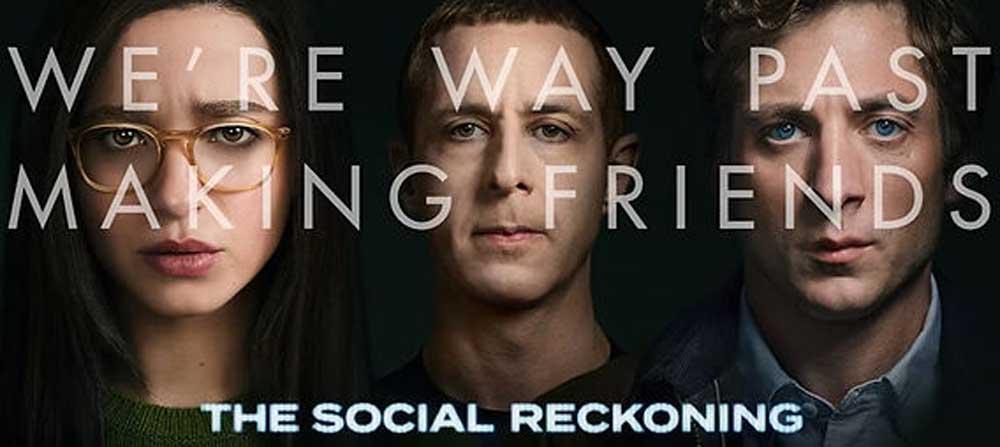
The film's announced cast brings together performers associated with a range of dramatic and comedic work. Mikey Madison is attached to portray Frances Haugen, while Jeremy Allen White is set to play Jeff Horwitz. Jeremy Strong takes on the role of Mark Zuckerberg, following Jesse Eisenberg's memorable portrayal of the Facebook founder in The Social Network. Other announced cast members include Wunmi Mosaku, Betty Gilpin, Billy Magnussen and Bill Burr. This combination of performers offers considerable dramatic potential, particularly given Sorkin's preference for dialogue-driven storytelling and characters confronting institutional pressure. However, the strength of their performances ultimately depends on how convincingly the finished film develops the relationships, motivations and conflicts at the centre of the investigation.
One of the most interesting elements of The Social Reckoning is its connection to issues that remain relevant across the digital world. Facebook and other major platforms have transformed the ways people communicate, follow current events, organise communities and participate in political discussions. Their influence extends into education, business, entertainment and personal relationships. Although these services provide valuable opportunities for connection and expression, they also create challenges involving misinformation, harassment, privacy and the circulation of harmful content. By examining the decisions made within a major technology company, the film's subject encourages audiences to think more carefully about the systems influencing what they encounter online.
The role of algorithms is particularly important to this discussion. Social media platforms use automated systems to recommend content, organise information and encourage users to remain engaged. These systems can help people discover useful material and connect with others who share their interests.
Nevertheless, they can also amplify sensational or emotionally provocative content when engagement becomes a major measure of success. The Facebook Files raised concerns about the company's knowledge of certain risks associated with its platforms and the effectiveness of its responses. These revelations provide a serious foundation for a story about the difference between recognising potential harm and taking meaningful action to reduce it.
Another significant concern involves the effects of social media on younger users. Public discussions surrounding Facebook and Instagram have included questions about body image, emotional wellbeing, harmful content and the responsibilities of platforms towards teenagers. These subjects require careful treatment because the relationship between social media use and mental health is complicated and cannot be reduced to a single explanation. Nevertheless, internal research and public testimony have contributed to demands for greater transparency and stronger protections. By drawing attention to these concerns, The Social Reckoning has the opportunity to explore how corporate decisions can affect vulnerable users and why independent scrutiny remains important.
Political influence provides another important dimension. Social media platforms have become major spaces for election campaigning, public debate and the circulation of political information. Their ability to distribute messages quickly can support democratic participation, but it can also create opportunities for manipulation and the rapid spread of misleading claims. Decisions about content moderation, recommendation systems and account restrictions therefore carry consequences that extend beyond ordinary business operations. The challenge is to balance freedom of expression with the need to address harmful activity without allowing private companies excessive control over public discussion. This tension gives the film's subject considerable relevance beyond the United States.
Sorkin's involvement creates particular expectations because his writing frequently explores power, ambition, institutional conflict and the consequences of difficult decisions. His work on The Social Network demonstrated an ability to transform complicated business disputes into engaging drama through sharp dialogue and conflicting perspectives. The Social Reckoning offers a different challenge. Rather than concentrating primarily on the origins of a successful company, it addresses the responsibilities that accompany technological dominance. The material is potentially less concerned with personal rivalry and more focused on evidence, public accountability and competing ideas about the role of social media in modern society.
The film benefits from the seriousness of its central performances, particularly Madison's portrayal of Haugen as someone struggling with the consequences of her decisions. White brings determination to Horwitz, while Strong presents Zuckerberg as a more distant and intimidating figure than Eisenberg's earlier interpretation. Their contrasting approaches help communicate the differences between personal conviction, journalistic responsibility and corporate authority. Nevertheless, Strong's comparatively limited screen time restricts the development of Zuckerberg as a fully rounded character. The supporting cast adds variety, although the narrative's emphasis on its central investigation leaves some secondary characters with fewer opportunities to develop.
Despite its strengths, The Social Reckoning does not consistently achieve the emotional impact of The Social Network. Some conversations feel prolonged, and the heavy reliance on explanation occasionally reduces the dramatic tension. Its emphasis on American politics, including the events surrounding the Capitol riot, also limits the attention given to Facebook's wider international influence. The film attempts to address several complicated issues within its 112-minute running time, meaning certain subjects receive less exploration than they deserve. These limitations make the experience informative and relevant without always making it equally compelling as cinema.
Overall, The Social Reckoning is a worthwhile continuation of the story introduced in The Social Network. Although it lacks some of the originality, emotional complexity and cinematic energy of its predecessor, it succeeds in drawing attention to important questions about misinformation, transparency, online safety and corporate responsibility. Its greatest achievement lies in showing why the actions of technology companies deserve public examination and why individuals who challenge powerful institutions can play an important role in creating accountability. For viewers interested in investigative journalism, modern technology and contemporary political issues, the film offers a thought-provoking experience that encourages discussion long after the final scene.
RATING: 3.5/5