THIS DIWALI, DRESS FOR THE LIGHT.
By: Anjna Kaur
Anjna Kaur
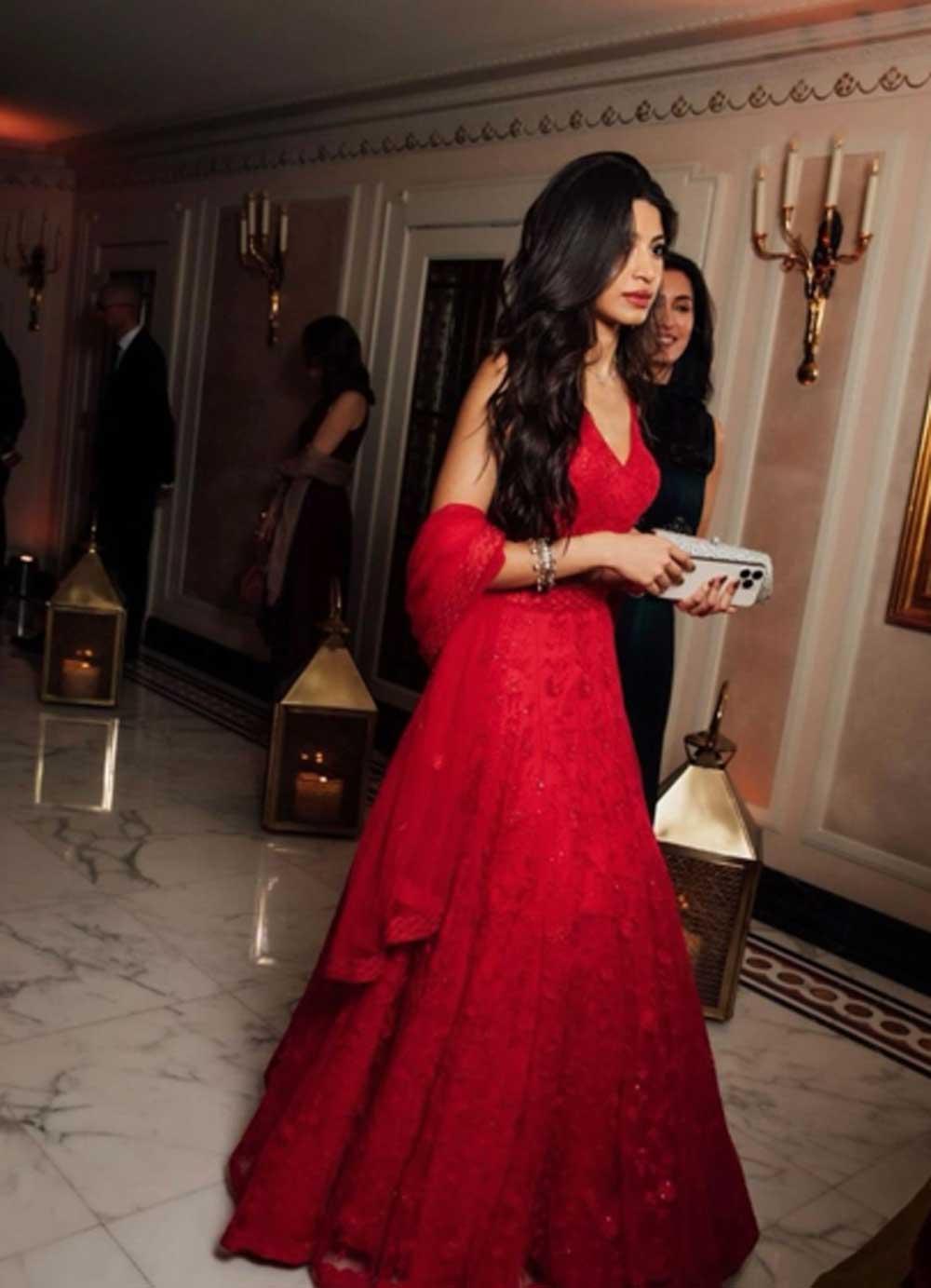
There are certain occasions when getting dressed becomes part of the celebration itself. Diwali is one of them. Before the first guest arrives, before the sweets are passed around and the evening settles into conversation, there is the pleasure of choosing what to wear. The silk unfolded across a bed. The earrings brought out of their box. The final decision over whether the outfit needs another bangle. For me, festive dressing should have that sense of anticipation. It should feel a little more considered, a little more expressive and perhaps a little more glamorous than an ordinary evening. This Diwali, I am drawn to clothes that catch the light, colours with depth and jewellery that gives an outfit its personality. There is room for spectacle, certainly, but also for the intimacy of wearing something familiar in a new way. The current festive offering gives us plenty to work with. Jewel tones, metallic finishes, statement blouses and contemporary draping all feature in this year’s Diwali fashion coverage. My interpretation is a wardrobe that invites us to enjoy dressing up while making our own decisions about how much drama feels right.
COLOUR WITH PRESENCE
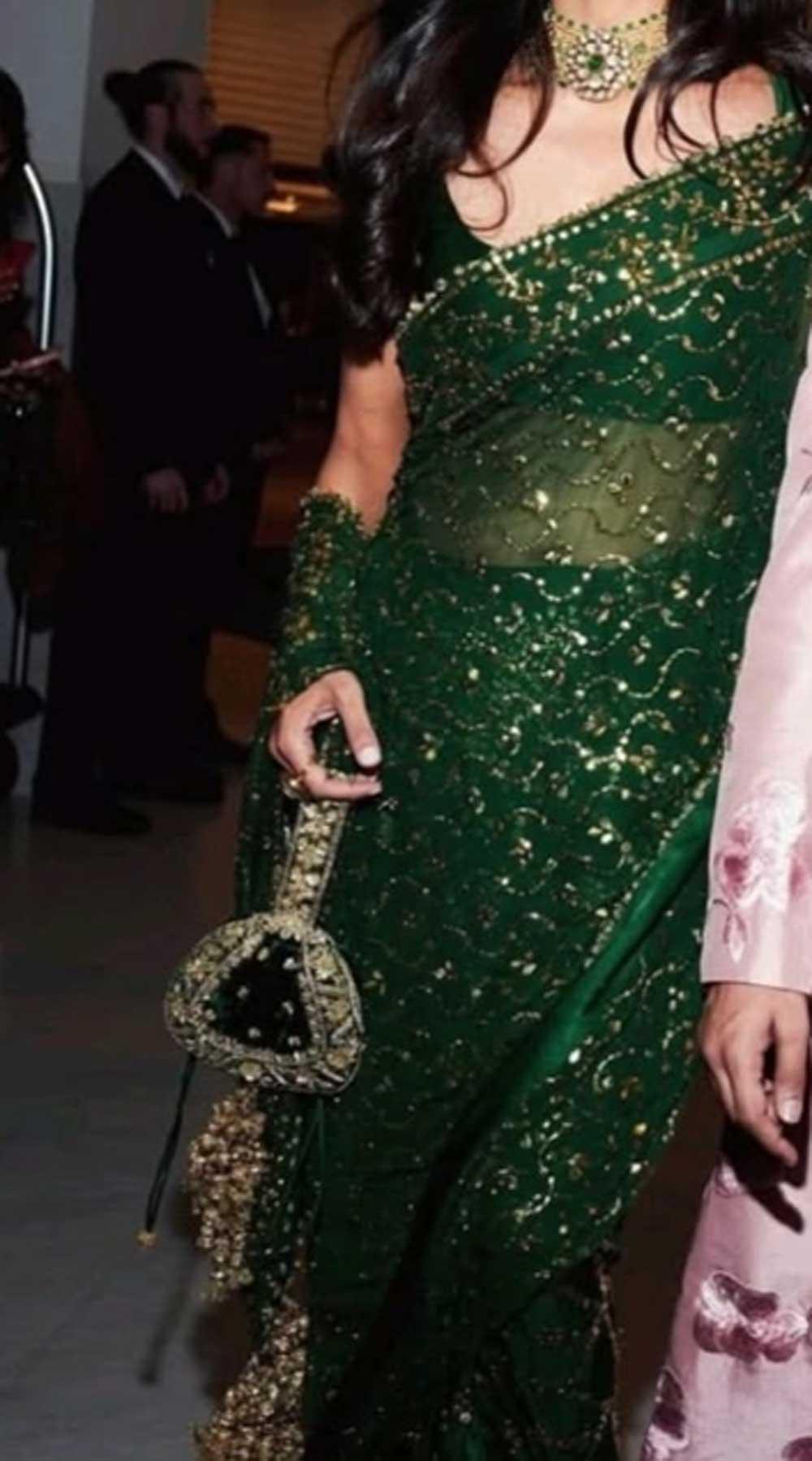
If you are wondering where to begin, start with colour. Emerald, deep raspberry, sapphire and wine are the shades I would reach for this season. They bring richness to even the simplest silhouette, allowing the fabric and cut to do their work without demanding elaborate embellishment. A deep green saree with gold earrings has an elegance that needs very little explanation. A plum kurta with fluid trousers can feel equally appropriate for an intimate dinner. For something more expressive, I love the idea of combining colours: magenta against burnt orange, peacock blue with green, or burgundy with a soft rose. The trick is to decide which shade leads. Let one colour occupy most of the outfit and introduce the other through a blouse, dupatta or accessory. That small imbalance makes the combination feel deliberate.
And if you prefer a quieter palette, stay with it. Champagne, warm ivory and pale gold can be beautiful festive choices where they suit the occasion and your family’s traditions. Texture becomes particularly important here: a woven pattern, a sheer layer or a luminous border gives a restrained colour its depth.
A LITTLE LIGHT GOES A LONG WAY
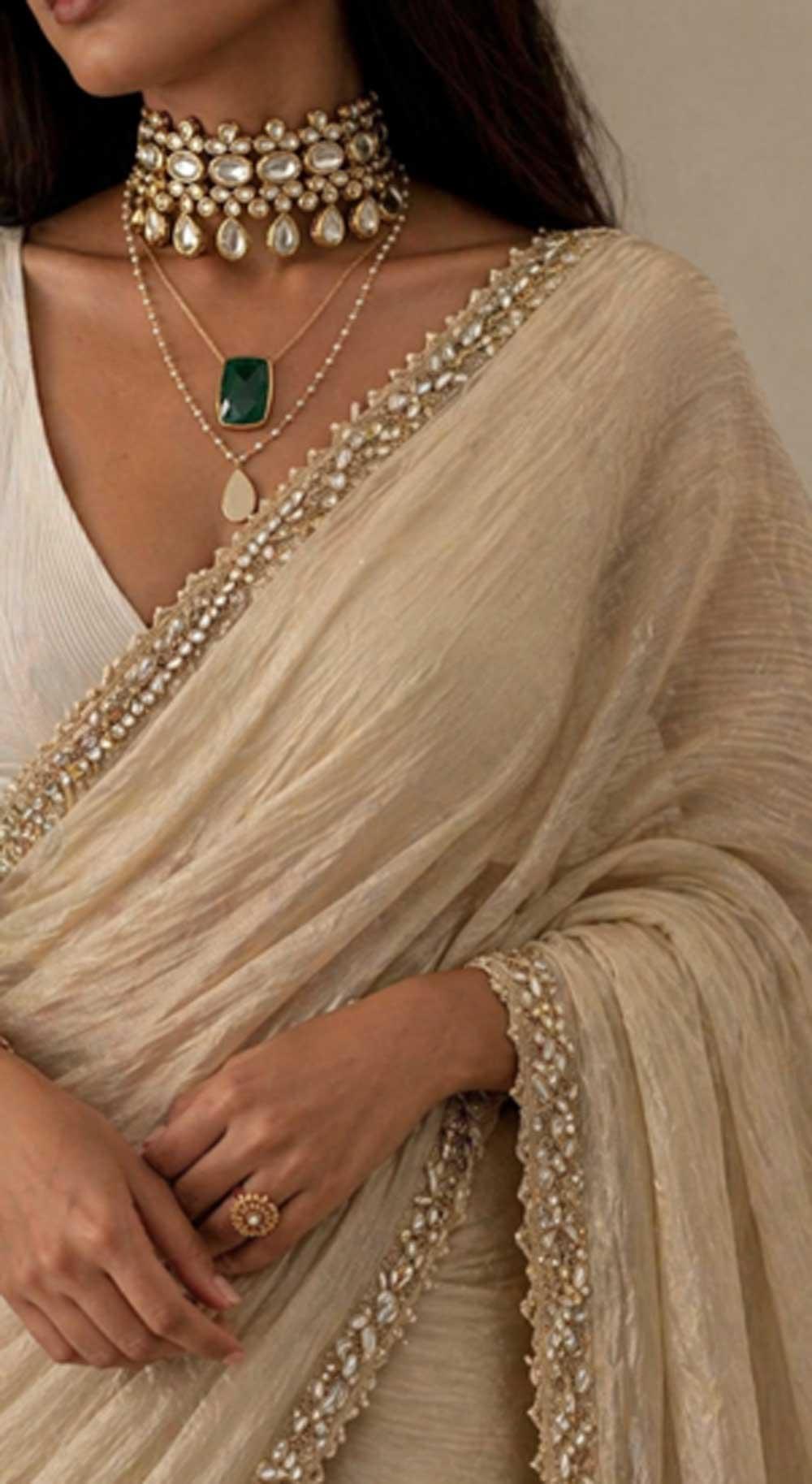
Metallics feel entirely at home at Diwali. There is something especially beautiful about fabric that responds to its surroundings, changing as you move from a brightly lit room to a dinner table. My preference is for gold with warmth, silver with softness and copper that almost reads as a colour. A tissue saree, a shimmering border or a blouse threaded with metallic detail can create that effect. This year’s festive saree edits include metallic finishes alongside lighter fabrics and modern blouse proportions, offering several ways to approach the look. Consider the surface of the outfit as a whole. If the saree has an all-over sheen, a simpler blouse can give the eye somewhere to rest. If you love sequins, choose the kind of sparkle you want, fine embellishment creates a different impression from larger, more reflective pieces. Try the outfit under evening lighting before deciding on accessories. Something that looks subtle in daylight can become wonderfully dramatic after dark.
GIVE THE BLOUSE SOME ATTENTION
One of the easiest ways to refresh festive dressing is to reconsider the blouse. A saree you have owned for years can take on a completely different character with a new neckline, sleeve or proportion.
I am particularly drawn to a clean square neckline, a beautifully cut halter or a longer sleeve with an open back. There is also something striking about a restrained saree paired with a blouse that carries the embellishment. The important detail is the fit. A dramatic neckline loses its appeal if you spend the evening adjusting it. Sit down, raise your arms and walk around when trying it on. Check how the fabric behaves and how comfortably it works with your chosen undergarments. For me, this is where good occasion dressing begins: with clothes that let you participate fully in the occasion. You should be able to hug someone, reach across the table and enjoy dinner without negotiating with your outfit.
DRESS FOR THE EVENING YOU ARE ACTUALLY HAVING
Not every Diwali invitation requires the same wardrobe. A family gathering, a religious observance and a late evening party each ask something different of what we wear. For a smaller celebration, I would consider a silk kurta with wide trousers, a lightly embroidered co-ord or a flowing anarkali. For a more formal evening, a saree or lehenga offers plenty of opportunity to play with colour, texture and jewellery. Contemporary combinations can work beautifully too. An embroidered jacket over a simple dress, a long tunic with tailored trousers or a richly woven skirt with a pared-back blouse can feel personal and considered. Think about the practical details early. Will you be sitting on the floor? Moving between indoors and outdoors? Hosting and carrying plates? In Colombo’s warmth, lighter fabrics may make more sense than heavy layers. For a London celebration, I would plan the coat as carefully as the shoes. Comfort has a direct effect on how confidently we wear something.
LET JEWELLERY SHAPE THE LOOK
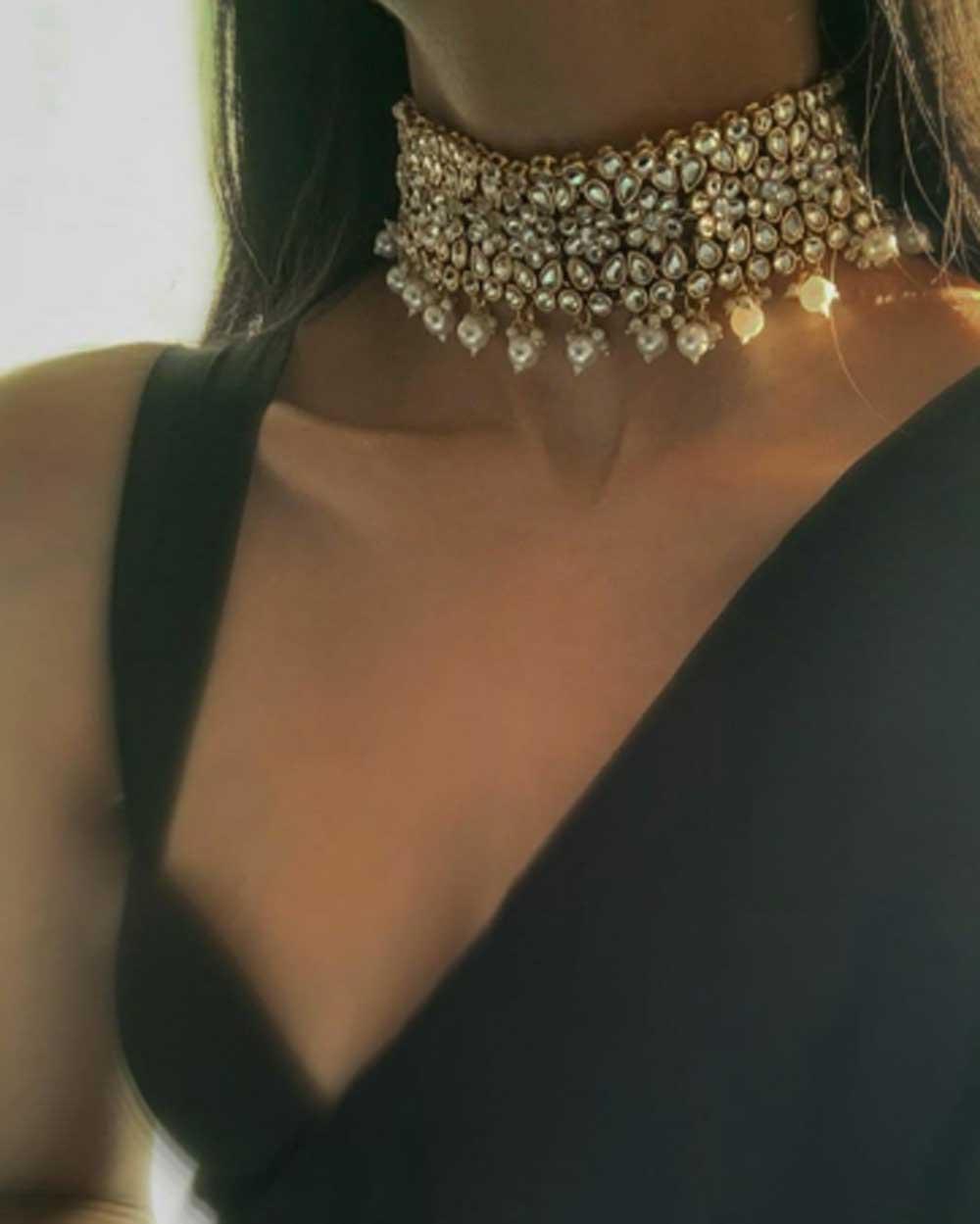
As a jewellery designer, I often find that the most interesting part of an outfit is the decision about what sits beside the clothes. Jewellery changes the emphasis. It draws attention towards a neckline, frames the face or adds movement to an otherwise simple silhouette. With an embroidered high neckline, I would usually reach for earrings and leave the neck clear. With a clean, open neckline, a necklace can become the starting point for everything else. A stack of bangles looks particularly beautiful against an uncomplicated sleeve. You can also mix jewellery with different characters. An inherited gold piece might sit beautifully beside a sculptural ring. Pearls can soften a sharper neckline. Coloured stones can introduce a shade that appears nowhere else in the outfit. I would choose one piece first, then build around it. That does not mean everything else must be small. It simply gives the look a sense of intention. Sometimes a generous pair of earrings and a beautiful cuff are all the decoration you want.
SOMETHING ALREADY LOVED
Before buying an entirely new outfit, spend some time with what you already own. Festive wardrobes often contain pieces we admire but rarely wear, waiting for an occasion that somehow never seems quite right. This could be their evening. A new blouse can revive a saree. A dupatta can transform a simple suit. A lehenga skirt might work with a different top, changing the balance of the whole outfit. Current festive guidance also places emphasis on choosing pieces with a life beyond a single celebration, an approach that feels especially sensible when investing in occasion wear. There is pleasure in recognising something familiar and discovering that it still surprises you. Clothes carry associations and wearing them again allows those associations to grow.
THE FINISHING DECISIONS
Once the outfit and jewellery are settled, give the smaller details their moment. Shoes should be comfortable enough for the length of the evening. A small bag should still hold what you need. Hair should work with the earrings and neckline you have chosen. For beauty, I would take my cue from one element of the outfit: a berry lip with a wine-coloured saree, softly defined eyes beside gold jewellery, or luminous skin with a more elaborate ensemble. Then step back from the mirror. The best festive outfit is one you can stop thinking about once the evening begins. It lets you move, celebrate and feel like yourself, with perhaps a little extra light.