Whatever Happened to Going-Out Clothes?

FASHION ROOM BY ANJNA KAUR
There is a particular kind of top that many of us will recognise immediately. Too embellished for the office, too delicate for a casual lunch, and perhaps entirely impractical for anything involving daylight. It belongs with dark jeans, a small bag and plans that begin after seven. The going-out top once had a clear job. These days, it seems to be waiting in the wardrobe for us to remember what that job was.
I have been thinking about how easily the clothes we wear through the day now follow us into the evening. We finish work, refresh our make-up, change a shoe if we have time, and head out. There is plenty to appreciate about that freedom. But somewhere between wanting our wardrobes to work harder and wanting everything to feel effortless, have we lost some of the pleasure of dressing specifically for a night out?
I am not suggesting that every dinner requires a cocktail dress. What interests me is the distinction itself: the feeling that an evening deserves a different version of us, expressed through what we choose to wear. A change of clothes can mark the end of the working day as clearly as closing a laptop. It gives us a moment to leave one mood behind and enter another.
Much of the fashion advice we encounter encourages versatility. Buy the blazer that works for meetings and cocktails. Find the dress that takes you from the school run to dinner. Choose shoes that can do everything. There is practical sense in this, particularly when clothes are expensive and wardrobe space is limited. Yet an outfit that suits every situation can sometimes fail to make any one of them feel especially memorable.
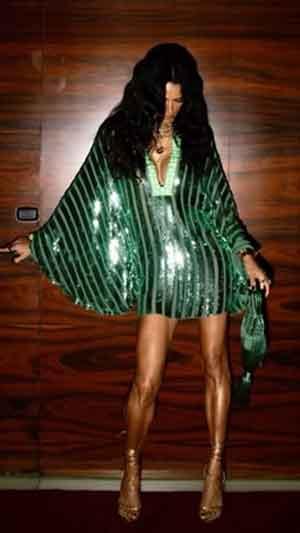
The phrase “day to night” has become such a familiar promise that we rarely question it. Why must every piece make that journey? There is something appealing about an outfit with a more specific purpose. A satin skirt that catches the light when you walk into a restaurant. Earrings you put on only after your hair is done. A velvet jacket that immediately makes your usual trousers feel like eveningwear.
These pieces carry anticipation. When you reach for them, you already know the day is changing. Of course, getting dressed can become another demand on an already busy schedule. Comfort matters, and nobody should have to endure painful shoes to prove that they have made an effort. The old rules of evening dressing could be restrictive, expensive and far too concerned with what women were expected to look like. I have no desire to revive those expectations. I am interested in making room for the enjoyment that can come with choosing an outfit.
There is also the awkwardness of feeling overdressed. Few things make us reconsider a look faster than imagining that everyone else will turn up in jeans. So, we soften our choices. The dress goes back on its hanger. The beautiful shoe is replaced with the reliable one. We settle on something that will attract less attention, then wonder why we never wear the pieces we were most excited to buy.
I think this is where the idea of effortlessness becomes unhelpful. We admire an outfit that looks as though it happened by accident, even when we know someone has considered every detail. Looking as if we care too much can feel less fashionable than looking as if we barely thought about it. But I like seeing that someone has enjoyed getting dressed. A carefully chosen colour or a wonderful pair of earrings can make that pleasure visible.
The ritual before an evening out deserves some attention too. Music playing while you get ready. Clothes laid across the bed. Deciding whether your hair should be up so the neckline can be seen. Trying one necklace, then another, before realising the dress needs no necklace at all. Even the decisions that seem small create a sense of anticipation before you have left the house.
When every outing begins with a hurried glance in the mirror, we lose that part of the experience. The evening starts at the table rather than at home. Perhaps bringing back going-out clothes is partly about giving ourselves a little time to look forward to where we are going. A proper evening wardrobe need not be large. In fact, I think it works best when it contains a few pieces that have a clear relationship with the clothes you already own. If you live in tailored trousers, a draped top or a fitted evening jacket may be more useful than a dress you will never feel comfortable wearing. If dresses are your instinctive choice, find one with a neckline, cut or fabric that feels distinctly different from your daytime favourites. Texture does much of the work. Satin brings movement and a soft sheen; velvet gives colour depth; a small amount of embellishment catches the light without requiring an elaborate silhouette. You can keep the shape simple and let the fabric establish the mood. A fluid skirt with a fine knit can feel entirely appropriate for dinner, particularly with a considered shoe and jewellery.
For readers in Sri Lanka, an evening wardrobe does not need to follow the heavier seasonal dressing we associate with autumn in London. Lightweight fabrics, an open back or a beautiful sleeveless silhouette can create the same sense of occasion. What matters is how the clothes feel in the setting where you will wear them, and whether you can enjoy the evening comfortably.
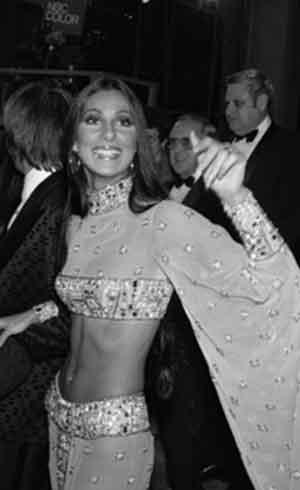
Accessories offer another way to create that distinction. I love the effect of changing earrings before going out: suddenly the face is framed differently, the hair looks more intentional, and a familiar outfit takes on a new character. A sculptural cuff against a bare wrist or a small evening bag can have a similar effect. These are useful choices when there is no time for a complete change. But we should also allow the occasion piece to leave the wardrobe. Most of us have something being saved for a dinner more glamorous than the ones currently in our diary. We imagine the ideal invitation, venue and company, as though the clothes require all three before they can be worn. Meanwhile, ordinary opportunities pass: a birthday supper, drinks with a friend, a date somewhere familiar.
A beautiful dress does not become less worthwhile because the restaurant is one you visit regularly. Wearing it might simply change how you feel about being there. And repeating it is part of the pleasure. An evening wardrobe should become familiar through use, rather than remain a collection of expensive possibilities. Perhaps the question to ask before our next night out is whether there is something we would enjoy wearing, rather than what will be easiest to get away with. The answer may still be jeans. It may also be the top that has spent six months waiting for its moment. I would like to see us give those clothes a chance. Make the booking, leave a little time to get ready, and wear the piece you keep saving. The evening does not have to be extraordinary before you put it on. Sometimes, getting dressed is the first thing that makes it feel special.