The Faces Behind Devi: The Golden Voyage
By Noeli Jesudas
From the royal court to the people whose lives shape the story, Devi: The Golden Voyage brings together a range of characters in a tale rooted in Sri Lankan history and legend. Through ballet, each performer has the task of telling a story without words, using movementand expression to bring their character to life. We speak to the cast about the roles they play, the stories behind their characters and the experience of being part of this production.
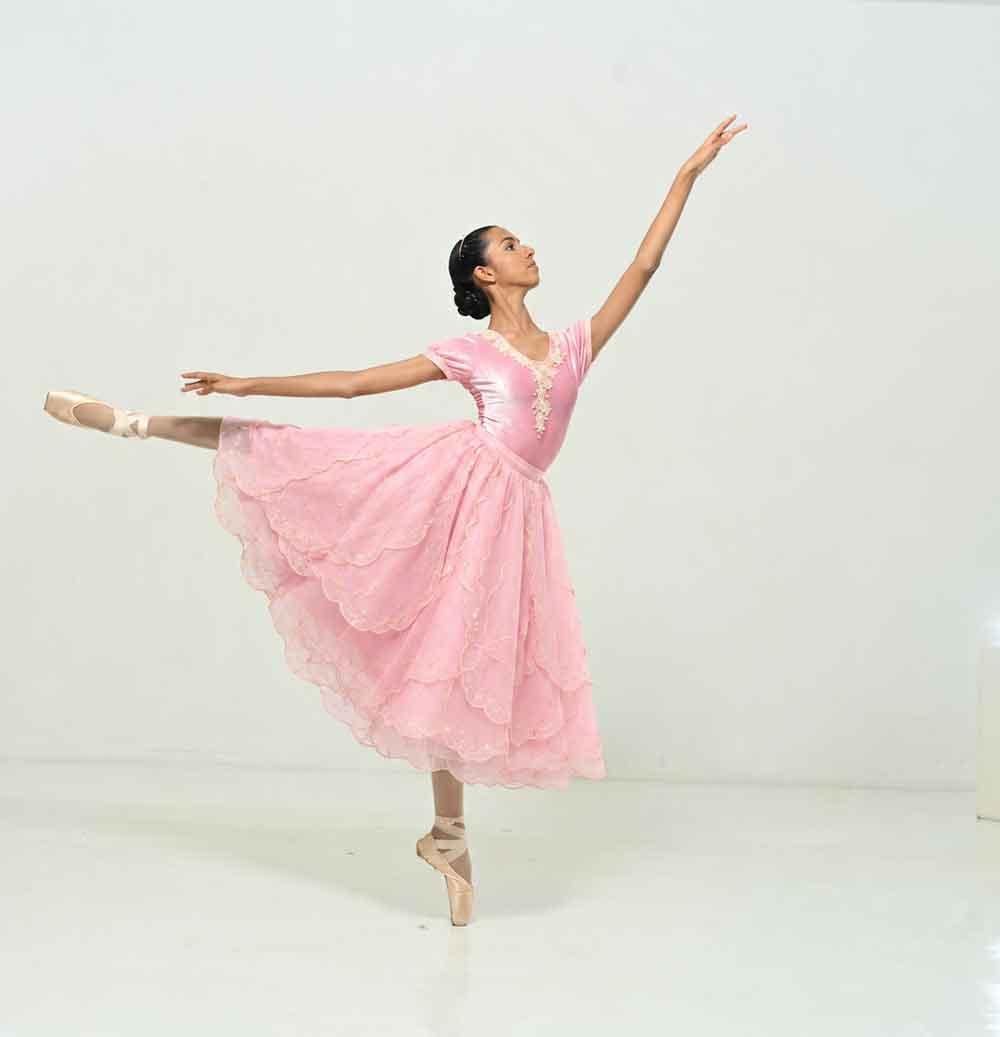
Nelinsa Wijenayake [Princess Viharamahadevi] - What’s your favourite moment to perform as Devi, and what makes it special for you?
My favourite scene has to be the entrance of young Viharamahadevi. I love performing this scene because of its lively energy and the beautiful moment where the entire court comes together. Through my expressions and movements, I’m able to transform into Devi and bring her spirit to life. Since this was the first piece of choreography I learnt for Devi, it holds a special place in my heart and remains one of the most memorable parts of my journey with the character.
Amodya Hirumi [Princess Viharamahadevi] - Was there a moment during rehearsals when you really felt like you had become Devi?
I think I truly felt that I had become Devi when I was practicing the miming parts where I have to sacrifice myself knowing that I have to leave both of my parents behind. At that moment, I was trying to feel her emotions, her love for her parents, and her courage to make such a great sacrifice. That’s when I felt I was truly living in her character and bringing her story to life on stage.
Anitra Gunaratne [Queen Viharamahadevi] - Devi's journey at sea transforms her from a young princess into the woman who becomes Queen Viharamahadevi. How do you bring that transformation to life through your performance, and what do you think changed the most within her?
I feel Viharamahadevi has always been brave and strong, even as a young princess, but I think this experience allows her to truly realise her own strength and become more confident in herself. What changes most within her is her understanding of just how capable she is. She begins to understand her own strength and the role she is meant to play, and I think that’s what transforms her from a young girl into a woman. In terms of my performance, I would portray her as a much more confident and authoritative woman. There’s a sense of maturity in the way she carries herself because she has experienced so much and now has a better understanding of the world around her, as well as her own role and purpose within it.
Kyra Wafa [Queen Uththara] - When you look at Queen Uththara’s place within the play, what do you think she brings to the story that might be missed if we only focus on its central figures?
I think Queen Uththara’s role is to remind the audience of the emotional consequences of decisions made by others, through a character caught in circumstances she cannot control. As the kingdom descends into chaos, she is desperate to protect her daughter, while also watching the life she once knew fall apart. Her reaction contrasts with Viharamahadevi’s heroic sacrifice. While her daughter is willing to sacrifice herself to save her kingdom, Uththara is left to face the devastating possibility of losing her child. While the central figures represent heroism and significant moments in history, Uththara reminds us of the people who must endure the emotional consequences of such acts.
Samishka Perera [King Kelanitissa] - When you step into his shoes, what is the one quality you really want the audience to see in your portrayal of the king?
If I have to choose one quality, I will say it is his courage. King Kelanitissa was a king who had to face difficult situations and make important decisions. Through my portrayal, I want the audience to understand his strength, his emotions, and the challenges he faced as a king.
Anushka Madhuranga [King Kelanitissa] - Ballet doesn’t give you dialogue to explain your Characters intentions. How do you communicate authority, fear or regret through your posture and movement?
According to the chronicles, when the kingdom faced a great danger from the sea, Viharamahadevi, the daughter of King Kelanitissa, offered herself for the safety of the country. As King Kelanitissa, I try to express his authority through my posture, controlled movements, and facial expressions. However, behind his authority, there is also a father who loves his daughter. I try to show the inner conflict between his responsibility as a king and his emotions as a father. As a king, he must protect his kingdom, but at the same time, Viharamahadevi is his daughter. As a dancer, I believe my responsibility is to communicate these emotions to the audience through movement and expression. In ballet, even a small movement or a single moment on stage can communicate deep emotions and tell a powerful story.
Anushka Madhuranga [Prince Kavantissa] - When you’re performing Kavantissa, are you thinking more about what the character is feeling internally or what the audience needs to understand about him? How do you balance the two?
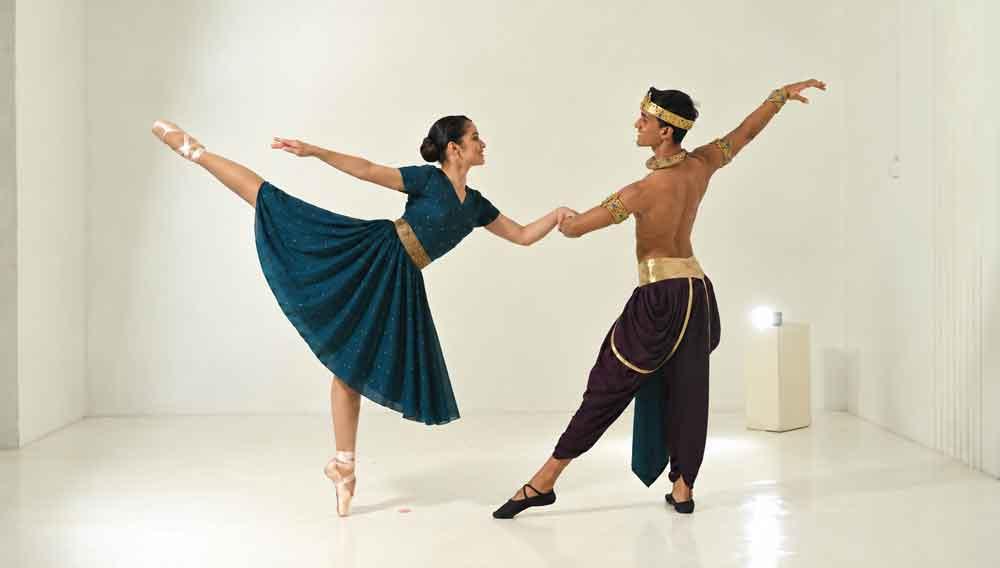
For me, both inner emotions and physical expression are equally important. First, I try to understand what Kavanthissa feels internally because I believe a performance should come from within the character. At the same time, I need to communicate those emotions clearly through my movements, posture, and expressions so the audience can understand his journey. I believe his strength, sense of responsibility, and love for his people are what make him a true leader. He is not just a prince; he is someone who deeply cares about his people and the future of his country. As a performer, I try to balance his inner emotions with the physical expression of his character to bring his story to life on stage.
Rankala Hashan [Prince Kavantissa] - Is there a particular interaction or moment in the play where you finally understand who Kavantissa is? What clicked for you during rehearsals?
Well, Kavantissa is a very special character for me because I was born in the area connected to his story. I grew up hearing stories about him. During our rehearsals, our teachers did a lot of research about him, and I learned a lot from that. For me, the most special part was dancing with Viharamahadevi. I had to practise a lot to understand my character and bring him to life through my dance and emotions. I really hope the audience will enjoy our performance.
Harun Ferose [Village Leader] - What role does the Village Leader play in shaping the story of Devi: The Golden Voyage?
As the Village Leader, my main responsibility is to protect the people of my village. I am the one who brings the news to King Kelanitissa and his court that a tsunami is approaching and that we need to evacuate as soon as possible.
Malith Upendra [Fate] - Fate is a character created specifically for this production. How did you build your own understanding of the character?
For me building my understanding of the character Fate was process of exploration, interconnected through other characters during the production, how these main characters encounter unexpected situations, how their choices shape their journeys, and how certain experiences change the way they see the world.
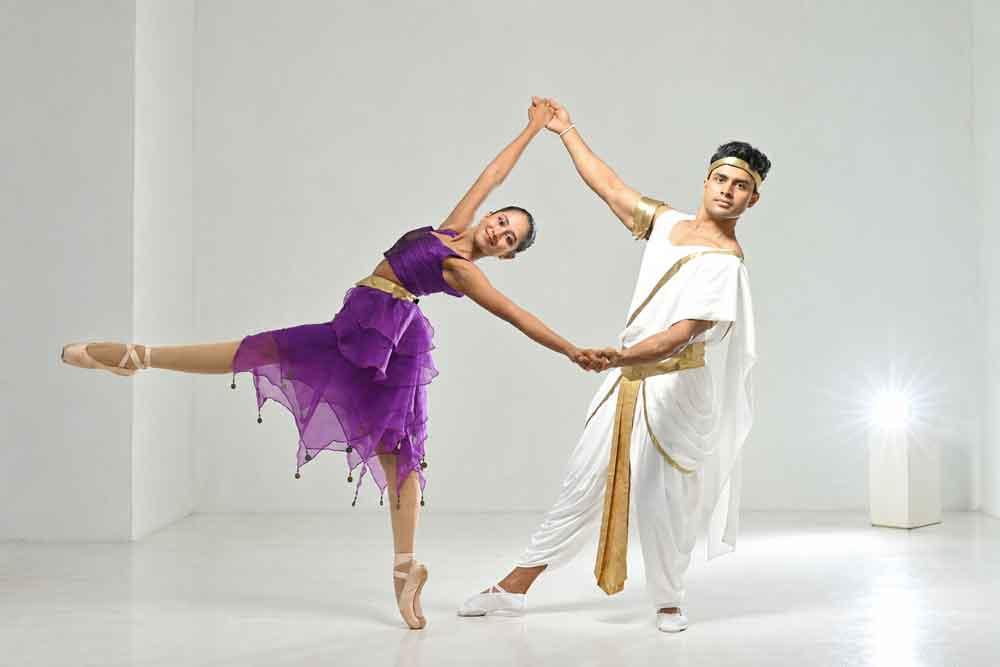
Manuka Fernando [Temple Troop Leader] - What do you hope the audience to feel when they see the monkey troop on stage?
I hope that the babies will feel scared and for the grown-ups to laugh and remember our faces and our dance for their entire lifetime as I do for some actors in plays.
Thinuli Jayasinghe [Temple Troop Leader] - Is your character more of a troublemaker or someone who keeps everyone in line?
By nature, we are mischievous and bold. However, as a female leader I ensure I keep my troop in line so I’m mostly someone who keeps everyone in line.
Nethuki Dodanwela [Eagle] - What is the most challenging part of portraying a character that isn’t human?
I think the most challenging part is being able to understand and embody a completely different character. Playing an eagle has required me to approach my movements differently and think about how I can bring the character to life on stage. I’ve had to pay attention to the way an eagle moves and carries itself, and translate those qualities into ballet and make sure the audience understands the character.
Umesha Kapilarathna [Eagle] - An eagle can symbolize strength, Freedom and Vision. Which of these qualities connects most with your character in the play?
The quality that connects with me as a dancer is freedom. Like an Eagle fly high in the sky. I express my feelings and emotions freely through dance. Dance gives me the freedom to express myself, show my creativity and move with confidence.
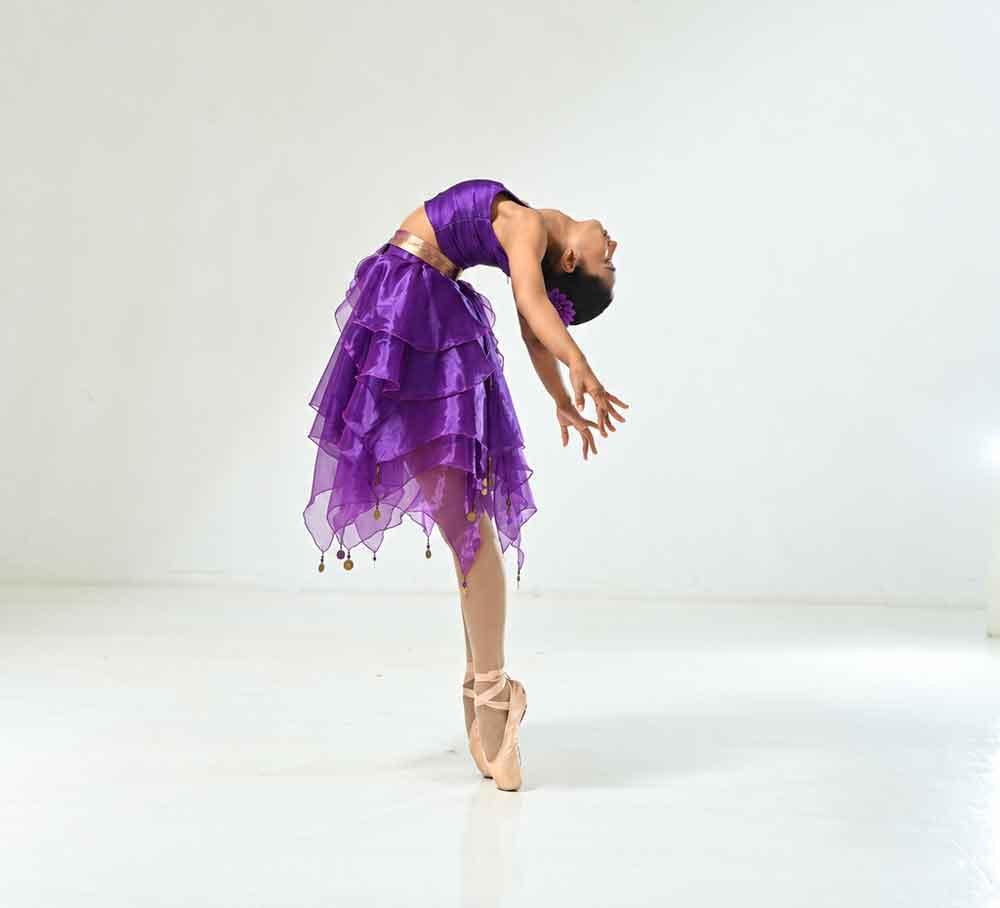
Hana Farook [Court Jester] - How have you brought humour and personality to the role of the court jester, and what can audiences look forward to from your character in the production?
As the jester I see my duty as to make others laugh and entertained in any way I can, either through silly faces or creative dance steps. The one thing I say the audience should look forward to from my character is simply my existence and expressions in the show because that is all they’ll need to see to gain a bright joyful smile on their face!