Where Sri Lankan History Meets the Art of Ballet
By Noeli Jesudas
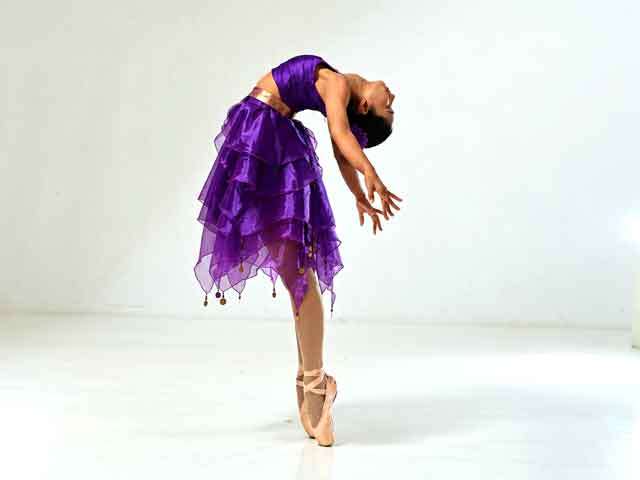
The Ballet School of Colombo is preparing to transport audiences into the world of Sri Lankan history and legend with Devi: The Golden Voyage, an original classical ballet that brings together dance, music and storytelling. Inspired by the story of Viharamahadevi, the production reimagines a significant chapter of the island’s past through the expressive language of classical ballet. Bringing this vision to the stage has been a collaborative undertaking, involving original choreography, a specially composed musical score, intensive dancer training and meticulous production planning. As the school celebrates its tenth anniversary, Devi: The Golden Voyage also marks an important milestone in its artistic journey. We speak to the creative minds and organisers behind the production about the inspiration, challenges and dedication involved in bringing this ambitious work to life.
Tara Cooke | Choreography
Unlike adapting an established ballet, Devi: The Golden Voyage requires you to develop a movement vocabulary for a distinctly Sri Lankan story. What were some of the biggest creative challenges in developing the choreography?
I saw it less as a challenge and more as an opportunity to bring historical facts to life through movement and storytelling. Delving into our history was a profound experience. While the historical accounts are documented in the chronicles, interpreting the emotions and bringing the story to life through dance was my responsibility. The moments that demanded the greatest creativity were the sea voyage, Viharamahadevi’s arrival in Ruhuna and her journey to the Ruhuna Palace. Rather than simply depicting her transition from one palace to another, I wanted to use that journey to introduce audiences to the island’s native inhabitants and offer a glimpse into everyday life in Ruhuna during that period.
How do you translate themes of sacrifice, transformation and destiny into choreography, particularly when the audience must follow the story without spoken dialogue?
This is where mime, facial expressions and body language become essential. Classical ballet has an established vocabulary of pantomime gestures that helps communicate emotions and actions without words. Beyond these gestures, movement itself becomes a powerful storytelling tool. Sorrow, for example, can be expressed through facial expressions and long, extended, slow movements, while happiness and joy are conveyed through expansive arm movements, jumps and quicker steps. These contrasts allow the audience to connect with the characters and understand their emotional journeys.
Audiences see a seamless performance, but what choreographic detail or stage transition has required particularly careful planning to make it appear effortless?
Our cast consists of senior students, many of whom perform multiple roles. This means some costume changes must happen within just a few seconds. We rehearse and time these changes as carefully as we practise the choreography itself.
The stage transitions have also required considerable planning, particularly the voyage scene, where a boat travels across the stage, and the transformations of the two palaces. Making these moments appear effortless involves precise coordination between the dancers and the backstage team.

What is one behind-the-scenes decision that you believe will make a significant difference to the audience’s experience?
The decision to dedicate two years to planning and preparation, alongside the intensive training our dancers have undergone, has been particularly significant. From the outset, my intention was to create something that goes beyond what audiences might typically expect from a ballet school production. We have worked towards achieving a standard comparable to that of a professional ballet company, and I believe this commitment will be reflected in the dancers’ technical ability, artistry and overall performance quality. Ultimately, that is what I hope audiences will remember.
Romina Gyi | Principal & Arts Patron Acquisition
As The Ballet School of Colombo celebrates its tenth anniversary, how does creating an original production contribute to its long-term vision, and what role do sponsorship and arts patronage play in sustaining that ambition?
Reaching our tenth anniversary is about more than celebrating a milestone. It represents the beginning of a new chapter. By moving beyond classical training to stage ambitious original productions such as Devi: The Golden Voyage, The Ballet School of Colombo (TBSC) is evolving from a traditional dance academy into a dynamic cultural institution. Creating original ballet allows us to combine the discipline and technical rigour of Western classical dance with Sri Lankan storytelling, giving the art form a distinctly local voice. It also challenges our young dancers to develop beyond simply executing steps, encouraging them to become artists capable of expressing emotion, character and cultural heritage. The impact extends beyond the performers. Original productions create opportunities for local composers, choreographers, costume designers and stage crews, helping nurture a wider creative ecosystem. Initiatives such as our Future Leaders programme also empower the next generation to take on meaningful responsibilities. Over time, developing our own repertoire will help lay the foundation for what we hope will become Sri Lanka’s first permanent professional ballet company. However, artistic ambition must be supported by a strong financial foundation. Arts patronage and corporate sponsorship are essential in transforming creative ideas into fully realised productions. They help cover substantial costs, including venue hire, original music composition, costumes and lighting, while allowing us to keep ticket prices accessible without compromising artistic quality. Patronage also supports merit- and need-based scholarships, ensuring that opportunities are determined by talent and dedication rather than financial circumstances. When corporate partners invest in the performing arts, they help elevate dance beyond an extracurricular pursuit and establish it as a respected creative industry. Their support also strengthens initiatives such as En Pointe for Sustainability, demonstrating how the arts can contribute meaningfully to the wider community.
Nadine Shums | Technique & Training
What are some of the less visible aspects of preparing young dancers for a production of this scale, from remembering choreography and managing stage entrances to adapting when something does not go according to plan?
Preparing for Devi: The Golden Voyage involves much more than teaching dancers their steps. In a production of this scale, the children must understand the story, memorise choreography, remain aware of their positions and stage entrances, and learn to work together as an ensemble. They must also develop the discipline to attend rehearsals consistently and maintain their focus, even when they are tired or nervous. One of the most important lessons is learning to think beyond their individual roles. Every dancer contributes to a much larger picture, and the success of the production depends on their timing, awareness and cooperation. We also prepare them to respond confidently when something unexpected happens on stage, whether it is a missed cue or a slight change in timing. They learn to remain calm, listen to the music, observe the dancers around them and continue performing without allowing a small mistake to disrupt the production. Through this experience, we hope our young dancers develop resilience, responsibility, teamwork and the confidence to perform under pressure. These are valuable life skills that extend far beyond the stage.
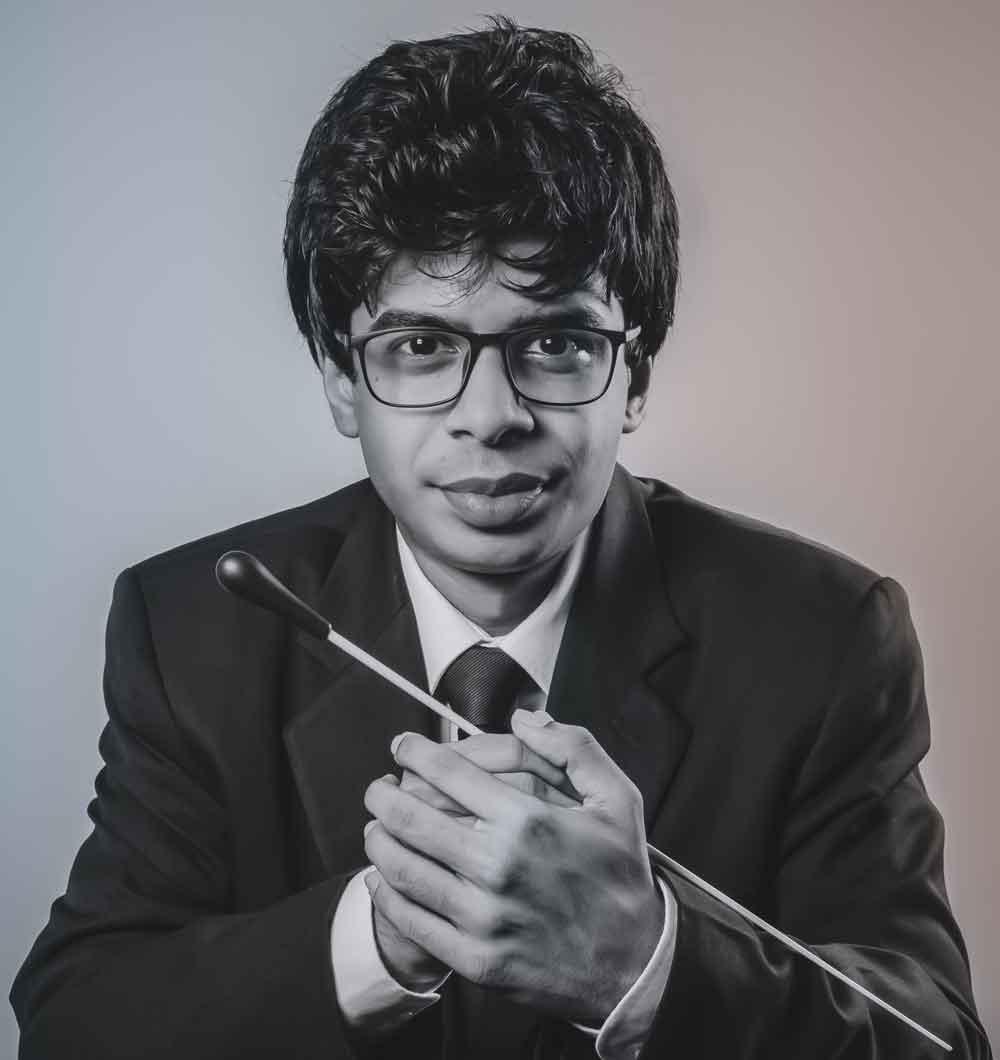
Sachiththa Fernando | Original Music Composition
An original ballet score must do more than sound beautiful; it must support the dancers’ movements and guide the unfolding narrative. How did you approach composing the music for Devi: The Golden Voyage?
My experience as a composer has primarily been in writing music for short films, as well as one feature film. In cinema, music plays an important role in enhancing the emotional impact of a scene. However, the fundamental difference between film music and ballet music is that, while music in a film is often incidental, in ballet it is integral to the storytelling. In a ballet, the music accompanies the performance throughout, helping narrate the story through sound and movement. Much like composing for a film, the process began with a script outlining how the story would unfold across the three acts, with individual musical cues corresponding to different scenes. I worked closely with Tara, the choreographer, to understand not only the emotions each piece needed to convey but also the style of dance or mime it would accompany, whether a waltz or another form of movement. The choreography had already been in development long before I composed the first musical cue. Tara therefore shared the classical ballet pieces the dancers had been rehearsing to, which helped me understand the musical character, rhythm and atmosphere she envisioned for each scene. This close collaboration allowed the original score to develop in harmony with the choreography, ensuring that the music would not simply accompany the dancers but become an essential part of how the story is told.