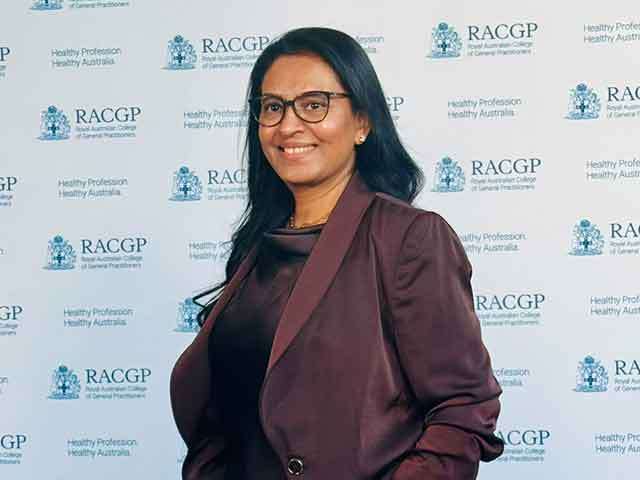
IN CONVERSATION WITH STEPHANIE SIRIWARDHANA
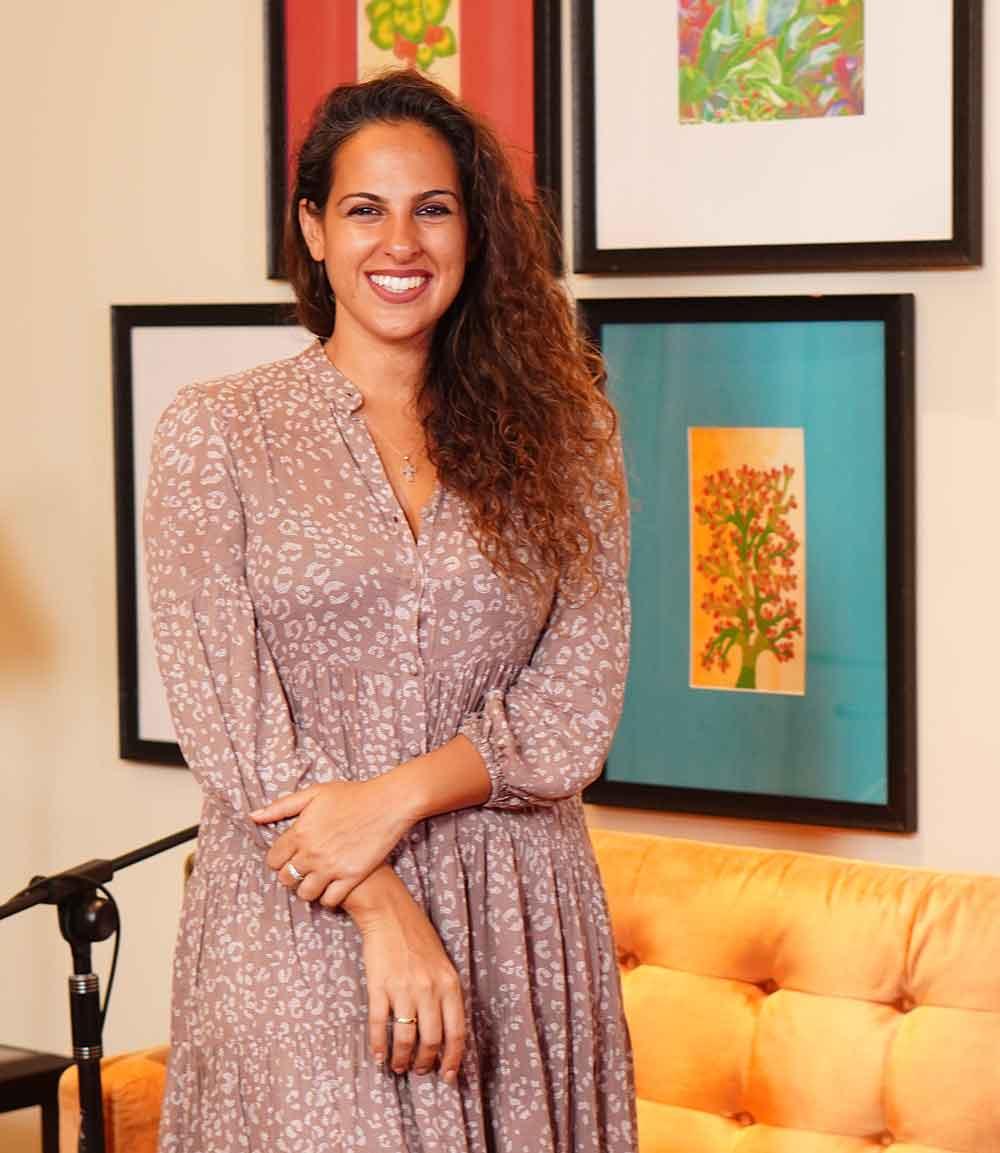
FAME GAME BY THASMINA SOOKOOR
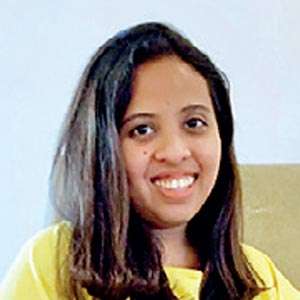
For many Sri Lankans, Stephanie Siriwardhana is recognised as a former beauty queen, actress, model, television presenter and entrepreneur. Yet beyond the public spotlight is a woman who has quietly devoted more than a decade to prison welfare, mental health advocacy and supporting vulnerable communities. Her recent appointment to Sri Lanka's Prison Monitoring Board sparked widespread public discussion. While some questioned the decision, it also brought to light the years of voluntary service she had carried out away from public attention. Speaking to Kumar de Silva and Rozanne Diasz on The Fame Game, Stephanie shares the experiences that shaped her life's purpose, her journey of healing, and her vision for rehabilitation and prison reform.
Q: Your appointment to Sri Lanka's Prison Monitoring Board attracted significant public attention. Many questioned why you were selected. How did you respond to the criticism?
A: I received both criticism and an incredible amount of support, not only from Sri Lanka but also from people around the world. I understood why some questioned the appointment because I had never spoken publicly about my work inside prisons.
For more than twelve years I have volunteered in prisons simply because it is something I care deeply about. It was never something I wanted to publicise. Only those who worked with me or supported our initiatives knew about it.
The work has now expanded through our foundation, which has been serving vulnerable communities for thirteen years. We support prisoners, survivors of sexual abuse, estate workers and several other groups while also conducting our national mental health campaign, I See You.
For a long time I searched for my purpose in life. Eventually I realised it had been in front of me all along. It was the work I had already been doing. That is why I now speak about it more openly.
Q: What does your role on the Prison Monitoring Board involve?
A: The Board consists of six members, all of whom have many years of experience working with prisons on a voluntary basis.
Our responsibility is to monitor prison conditions across the country and ensure the welfare of both prisoners and prison officers. We assess living conditions, mental wellbeing and rehabilitation programmes while identifying areas that require improvement.
An important part of our work is recommending legislative reforms. Rather than only addressing problems after they occur, we have an opportunity to improve the system and prevent many of those problems from happening in the future. It is a responsibility I feel deeply honoured to undertake.
Q: What first inspired your interest in prison rehabilitation?
A: My passion began long before I entered the entertainment industry.
As a child I dreamed of opening an orphanage because I always wanted to help people. While studying in Montreal, I became actively involved in community service and social activism. At one point I even wanted to become a criminal lawyer because I hoped to help prisoners, although I eventually pursued journalism, communications and political science instead.
Winning Miss Sri Lanka gave me a platform that allowed more people to hear my voice. It became an opportunity to continue the work I had always wanted to do.
Q: Your prison work is closely connected to your mental health campaign, I See You. How did those journeys become linked?
A: They both began with my own healing.
When I was five years old I experienced childhood sexual abuse and was also subjected to abuse by a distant family member. For years I carried those experiences silently while continuing to build my career. Outwardly everything appeared successful, but internally I felt completely stuck.
Eventually I sought professional help and began confronting my past. The most important achievement in my life was not winning a beauty pageant or building a career. It was learning to love myself.
That journey helped me understand what it means to feel trapped, forgotten and invisible. Although my experience was emotional rather than physical, it gave me a deep sense of empathy for people living behind prison walls.
That understanding became the foundation of I See You.
The campaign encourages people to seek help without shame and reminds them that their past does not define who they are. Today it reaches schools across the country in all three national languages because we believe conversations about mental health should begin early.
Q: You have also spoken openly about struggling with suicidal thoughts. Why was it important to share that experience?
A: Because honesty can save lives.
There was a time when I felt completely hopeless, but my family, especially my brother, stood beside me throughout that period.
Later, after writing a song about my own healing journey, the tragic deaths of several young people reminded me how many silently struggle with emotional pain.
As a corporate trainer I have worked with adults facing anxiety, depression and emotional exhaustion. I have also seen how lives can change when people receive the right support.
That convinced me we should help young people develop emotional resilience before they reach a crisis. Mental health should never be treated as something people are afraid to discuss.
Q: How did you personally cope with the criticism that followed your appointment?
A: At first it was difficult because I never expected the appointment to become public news.
Fortunately, my husband Dushyanth helped me keep everything in perspective. He has an incredible sense of humour and knew exactly how to make me laugh when I needed it most.
Since I still cannot read Sinhala fluently, I often asked him to translate comments I received online. More often than not he would simply smile and tell me they were positive.
Looking back, I realised the criticism came from people who simply did not know about the work I had been doing over the past twelve years. I understood that, and I also realised how fortunate I was to receive overwhelming support from friends, colleagues, members of the media and complete strangers.
What touched me most was that people took the time to check on me. Their encouragement meant more than I can express.
I have always believed that actions speak louder than words. I expected my future work to speak for itself, but instead it was the work I had already done that answered many of the questions.
Q: After spending more than twelve years working inside prisons, what has been the most emotional experience for you?
A: Surprisingly, the moment that affected me most happened outside the prison itself.
Whenever I visit prisons or rehabilitation centres, I remind myself that I cannot allow my emotions to overwhelm me. The people I meet have already endured tremendous hardship, yet many of them display incredible resilience. They have taught me that strength often comes from the most unexpected places.
One thing that has changed my perspective is listening to prisoners' stories. Society often judges people by the crimes they have committed, but many prisoners have experienced poverty, abuse, trauma or circumstances that led them to make one life changing mistake.
That does not excuse their actions, but it reminds us that every story has another side. I have met many people who genuinely regret their decisions and simply hope for an opportunity to rebuild their lives.
Q: Can you share a story that has stayed with you?
A: One story I will never forget is that of a mother whose husband struggled with alcoholism. She had a young child and desperately needed money to feed the family.
A neighbour offered what appeared to be help by asking her to sell a packet of drugs. Trusting him, she agreed, believing she was doing what she had to do to provide for her child.
Instead, the neighbour reported her to the police, and she was arrested.
Stories like this remind me that while people must take responsibility for their actions, many offences are rooted in desperation rather than criminal intent. It reinforces my belief that we should understand the circumstances before rushing to judge.
Q: Do you believe poverty is one of the main causes of crime?
A: Poverty plays a significant role.
Many people who enter prison have faced circumstances most of us have never experienced. Poverty, addiction, domestic violence, childhood trauma and lack of opportunity often influence the decisions they make.
Q: People from disadvantaged backgrounds often seem to be punished more severely than those involved in larger crimes. How do you view that?
A: Our prison system faces many challenges, and overcrowding is one of the biggest.
Some prisons hold several times more prisoners than they were designed to accommodate. When that happens, rehabilitation becomes much more difficult.
One reform we hope to encourage is greater use of community service for minor offences. Someone who commits a small offence for the first time should have an opportunity to repay society through community service and rehabilitation rather than immediately entering prison.
If that opportunity is abused and the behaviour continues, then stronger legal action is appropriate. The goal is to prevent first offenders from becoming repeat offenders.
Q: Why is it so important to keep first time offenders out of prison where possible?
A: Because overcrowding creates another problem.
When prisons cannot properly separate inmates according to the seriousness of their offences, someone imprisoned for a minor crime may end up sharing space with hardened criminals.
Instead of rehabilitation, they become exposed to more serious criminal behaviour and sometimes leave prison worse than when they entered.
Breaking that cycle is essential if we genuinely want rehabilitation to succeed.
Q: Rehabilitation appears to be at the centre of your work. Tell us about the initiative called Lalitha Sirisara.
A: Lalitha Sirisara is one of the projects closest to my heart.
We travelled to prisons across the country searching for talented prisoners and prison officers. Together they performed music, dance and drama after receiving training from respected Sri Lankan artists.
The performances were later staged at the Nelum Pokuna Theatre.
What made the event special was that audiences could not distinguish between prisoners and prison officers. They simply saw people sharing their talents.
Q: Society often struggles to accept people after they leave prison. How can that change?
A: Once someone has completed the sentence imposed by the courts, they should have an opportunity to rebuild their life.
If society continues to reject them, finding employment becomes difficult and many feel they have nowhere to turn.
Rehabilitation does not end when someone leaves prison. It also depends on whether society is willing to give that person a genuine second chance.
Compassion and accountability can exist together.
Q: You also support the introduction of electronic ankle bracelets for suitable remand prisoners. Why?
A: Many people assume everyone in prison has already been convicted, but that is not always true.
Remand prisoners are still waiting for their cases to be concluded. Some spend years in custody before a verdict is reached, losing valuable time with their families and careers.
Electronic monitoring would allow suitable individuals to remain at home while still complying with legal requirements. It is a system used successfully in many countries and one that deserves consideration in Sri Lanka.
Q: One issue that touched many viewers was the situation of children born inside prisons. What is that reality like?
A: It is heartbreaking.
I once met a baby who had been born in a three wheeler because the mother could not reach hospital in time.
Children who spend their early years inside prison have committed no crime, yet they begin life within prison walls.
Eventually many enter the care of relatives, foster families or adoption services, but their early years are unlike anything most of us can imagine.
Q: Was there ever a moment when your own personal experiences made it difficult to continue your work?
A: Yes.
I once interviewed a prisoner convicted of rape, and because of my own childhood experiences, I found it incredibly difficult.
Every part of me felt he did not deserve another opportunity.
I remember telling my husband that I did not want to continue with the interview. He reminded me of the commitment I had made to treat every person fairly and to believe that people are capable of transformation.
It remains one of the hardest moments of my journey, but it also reinforced my belief that compassion must be consistent, even when it is difficult.
Q: Why do you believe rehabilitation has the power to change society?
A: Real change begins with one person.
When someone transforms their life, that change affects their family, their children and eventually their community.
Laws and policies are important, but lasting change also comes from individuals choosing a different path.
That is why I believe rehabilitation benefits not only the prisoner but society as a whole.
Q: Finally, what message would you like to leave with the public?
A: I encourage people to look beyond labels.
Some individuals have committed serious crimes, and justice must always take its course. However, many others carry the burden of poverty, trauma, addiction or difficult circumstances.
Compassion does not mean ignoring accountability. It means recognising that every human being has value and the ability to change.
If we are willing to give people an opportunity to rebuild their lives, we strengthen families, communities and ultimately our country.