Ismail Hameed on a Decade of SATA and the Future of South Asian Hospitality
By Thasmina Sookoor
The Founder and President of the South Asian Travel Awards reflects on a decade of tourism transformation, the importance of recognising industry professionals and the value of regional collaboration.
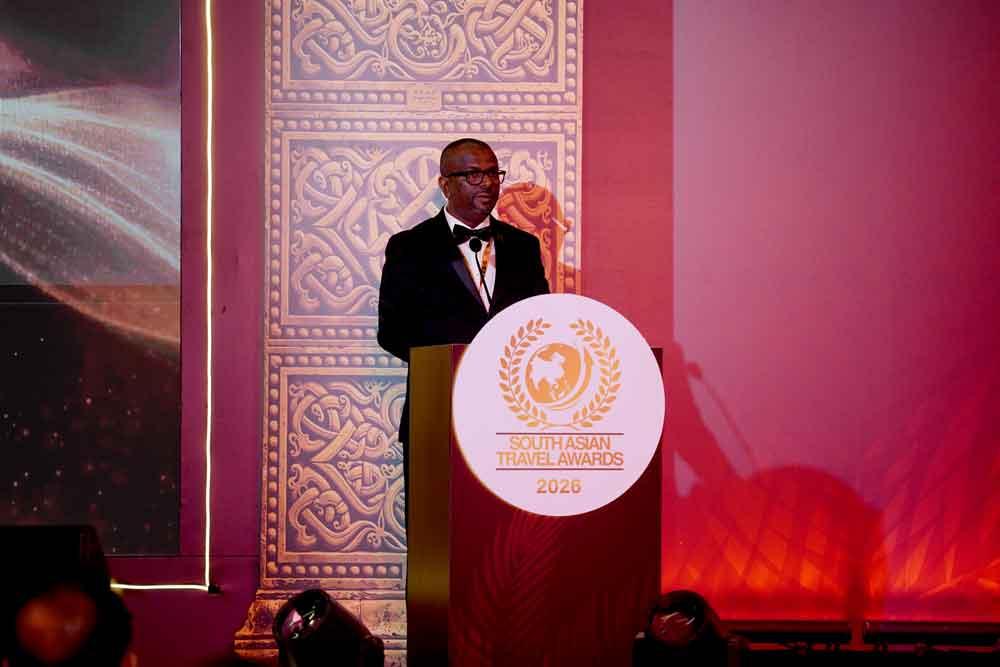
Since its establishment in 2016, the South Asian Travel Awards (SATA) has developed into a regional platform recognising achievements across the travel, tourism and hospitality industries. As the organisation marked its 10th edition in the Maldives in October 2026, its Founder and President, Ismail Hameed, reflected on the changes shaping South Asian tourism and the opportunities ahead for the region. Over the past decade, the industry has moved beyond conventional hotel bookings towards a broader understanding of what makes a destination appealing. Travellers increasingly seek experiences that allow them to connect with places in meaningful ways, while travel businesses have had to adapt to changing expectations and new ways of planning holidays. For Hameed, this shift highlights the importance of looking at tourism as a complete experience rather than a collection of services. It also underlines the role of the people who shape visitors’ experiences and the need for stronger connections among industry stakeholders across the region.
Q: SATA was established in 2016 and is now reaching its 10th edition. Looking back over this decade, what has been the most significant change you have witnessed in South Asia’s travel and hospitality industry?
A: Over the past decade, one of the most significant changes I have witnessed in South Asia’s travel and hospitality industry is the shift from traditional tourism to experience-driven travel. When SATA was established in 2016, the industry was largely focused on accommodation, transportation, and conventional holiday packages. Today, travellers are looking for much more than just a hotel stay. They want authentic experiences, meaningful cultural connections, adventure, wellness, and opportunities to explore the unique character of each destination. The rapid growth of online travel platforms and digital technology has also transformed how people research, plan, and book their holidays. At the same time, traditional travel agents have evolved from simply arranging flights and accommodation to curating personalised travel experiences that cater to changing traveller expectations. Another encouraging development is the growing recognition of South Asia as a diverse and attractive tourism region. Each country offers something distinctive, from natural beauty and rich cultural heritage to exceptional hospitality and unique local experiences. As SATA celebrates its 10th edition, it is remarkable to see how the industry has adapted, innovated, and grown. I believe the future of tourism in South Asia lies in delivering memorable, authentic, and sustainable experiences that go beyond conventional hospitality.
Q: SATA has developed a judging model that combines professional jury evaluation with public voting. Why was it important to balance professional industry assessment with the views of travellers and industry stakeholders?
A: From the very beginning, our vision for SATA has been to create a credible, transparent, and inclusive platform that recognises excellence across South Asia’s travel and hospitality industry. When we started ten years ago, SATA covered just three destinations, and today we have expanded to six countries, reflecting the tremendous growth and regional recognition of the awards. We believe that true excellence in hospitality should be recognised through both professional industry expertise and the experiences of travellers and stakeholders. Our professional jury brings valuable knowledge, experience, and an objective perspective to the evaluation process. Each year, our jurors travel to more than seven cities, dedicating considerable time and effort to personally assessing nominees and maintaining the credibility of the awards. At the same time, public voting gives travellers, industry professionals, and stakeholders an opportunity to have their voices heard. This year alone, we received more than two million registered online votes, demonstrating the growing engagement and confidence in SATA. By combining professional evaluations with public participation, we ensure a more balanced and comprehensive recognition process. Ultimately, our goal is to celebrate genuine excellence, encourage higher hospitality standards, and recognise those who consistently deliver outstanding experiences across South Asia.
Q: For the 2026 edition, SATA introduced categories such as Outstanding Chef and Outstanding Young Hotelier. What prompted the decision to place greater emphasis on individual professionals and emerging talent at this stage of SATA’s development?
A: At SATA, we have always believed that the true essence of hospitality lies in its people. While beautiful properties, world-class facilities, and exceptional destinations are important, it is ultimately the people behind these experiences who make a holiday truly memorable. Their passion, dedication, creativity, and commitment to service are what leave a lasting impression on travellers. As SATA enters its tenth edition, we felt it was the right time to place greater emphasis on recognising the individuals who contribute to the success of South Asia’s hospitality industry. This inspired us to introduce categories such as Best General Manager, Outstanding Chef, and Outstanding Young Hotelier. These categories celebrate not only established professionals who have demonstrated excellence and leadership but also emerging talent who represent the future of our industry. We believe recognising young professionals is particularly important, as it encourages them to pursue excellence, develop their skills, and build rewarding careers in hospitality. This is an important step in SATA’s evolution. Moving forward, we hope to introduce more categories that recognise individual contributions across different areas of the industry. Ultimately, we want SATA to celebrate not just exceptional properties and services, but also the remarkable people who bring hospitality to life.

Q: As SATA moves beyond its first decade, what is the one area where you believe the organisation must evolve most significantly to remain relevant to South Asia’s changing tourism industry?
A: As an awards brand, we have already introduced additional components, such as SATA Connect & Conversation, which creates opportunities for networking and business development. We also have the SATA Alliance, where industry associations and tourism boards come together to identify ways to work collectively to advance tourism across the region. These initiatives allow us to move beyond recognising achievements and create opportunities for collaboration and progress.
Q: The 2026 evaluation took the jury across the region, with presentations, technical assessments and on-site inspections where applicable. Having seen the industry first-hand, what stood out to you most about the current standard of South Asian tourism and hospitality?
A: One of the most remarkable aspects of South Asia’s tourism and hospitality industry is the incredible diversity we see across the region. Every country, every city, and every destination has its own unique identity, culture, traditions, and experiences to offer. Yet, despite these differences, there is one common element that connects us all, and that is our commitment to genuine hospitality. Through the SATA evaluation process, our jury has had the opportunity to experience this first-hand, engaging with industry professionals, reviewing presentations, conducting technical assessments, and visiting properties where applicable. What stands out is the passion, dedication, and effort that hospitality professionals put into creating memorable experiences for their guests. Regardless of where travellers come from or which destination they choose, their expectations are fundamentally similar. They want to feel welcomed, comfortable, valued, and happy. Ultimately, it is the quality of service and the warmth of human interaction that define an exceptional travel experience. I firmly believe that South Asia offers some of the finest hospitality experiences in the world. Our greatest strength lies not only in our beautiful destinations and outstanding facilities but also in the genuine warmth, care, and hospitality of our people.
-------------------------
SATA’s introduction of individual recognition categories reflects a broader opportunity for the hospitality industry to acknowledge the contributions of professionals at different stages of their careers. While established businesses remain important to the tourism landscape, the quality of the visitor experience also depends on the knowledge, commitment and service of the people working behind the scenes. Recognising these contributions brings greater visibility to roles that are essential to the industry but may not always receive the same attention as the establishments they represent. The organisation’s engagement initiatives also point towards the value of cooperation beyond an awards ceremony. Through SATA Connect & Conversation and the SATA Alliance, the focus extends to creating opportunities for industry participants, associations and tourism boards to exchange ideas and explore shared priorities. South Asian destinations have distinct identities and strengths, but stronger professional relationships can help stakeholders identify common opportunities while continuing to develop their individual tourism offerings.
As SATA enters its second decade, maintaining relevance will depend on how effectively it continues to recognise achievement and respond to the changing needs of the industry. Hameed’s reflections return to a principle that remains central to tourism: destinations may differ in their attractions and facilities, but the quality of hospitality can shape how visitors remember them. For South Asia, where each destination brings its own character to the visitor experience, the people who deliver comfort, service and a genuine welcome remain an essential part of the region’s appeal.