HYBRID TRAINING: BUILDING A BODY THAT CAN DO MORE.
Why strength alone isn't enough, endurance isn't everything, and training for both may
be the smarter approach
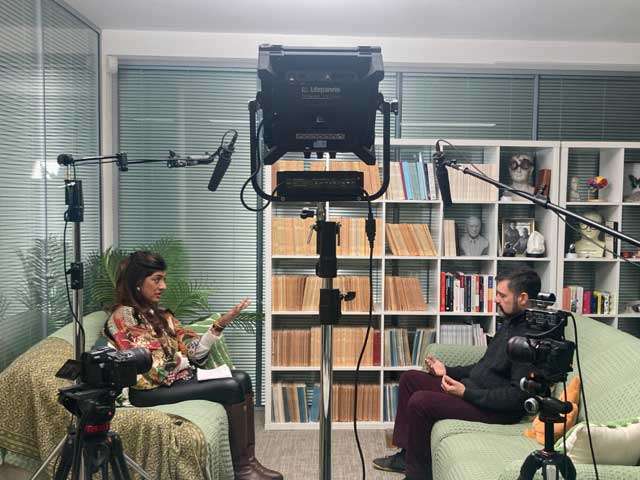
IN CONVERSATION WITH DUMMA, HYBRID ATHLETE & PERFORMANCE COACH.

What does it really mean to be fit? Is it the ability to lift heavy weights, run long distances, move explosively or simply get through everyday physical demands without struggling? Fitness is often measured through individual achievements. How much someone can lift, how
far they can run or how their body looks. But being exceptionally good at one physical discipline doesn't necessarily mean being capable across others. This is where hybrid training challenges conventional thinking. Rather than specialising exclusively in strength or endurance, hybrid training develops multiple physical qualities within a structured programme. The objective isn't simply to do more exercise. It's to build a body capable of meeting different physical demands while managing recovery and long-term progression. For this edition of Raise The Bar, we speak with Dumma, founder of Hybrid House about what genuinely defines hybrid training, why it matters beyond competitive sport, and how people can incorporate strength, endurance and power into their routines without compromising their progress. From the misconception that cardio destroys muscle gains to the importance of training your weaknesses, Dumma breaks down the principles behind building a more capable body.
Understanding Fitness Beyond One Discipline
Someone lifts heavy but struggles with a short run. Someone else runs long but struggles
with strength. What does that tell us about fitness?
It tells us fitness isn't one thing. Most people think it is. They assume the strongest guy in the gym must be the fittest, or the marathon runner must be. Then you put the lifter on a 1.5 km run and he's grey in the face by the second lap. Put the runner under a loaded bar and he can't squat properly. Both are fit. Both are also lopsided. Your body gets good at what you keep asking of it and lets the rest slide. So, the question I ask isn't "are you fit?" It's "fit for what?"
How do you define hybrid training, and what makes a programme genuinely hybrid?
Hybrid training means building strength, endurance and athleticism in the same plan, on purpose. The “on purpose” part is what matters. Plenty of people lift on Monday, run on Wednesday and call it hybrid. That's just two hobbies. A real hybrid programme decides which sessions are hard and which are easy, how many hard days your body can take in a week, and what each session is for. Your leg day shouldn't wreck your long run, and your intervals shouldn't kill your squat. If the sessions aren't planned around each other, it's not a programme. It's a calendar.
What's the difference between strength, endurance and power? Can you explain each through something in everyday life?
Strength is how much force you can produce. Lifting a heavy bag of rice off the floor, or shifting
a sofa. Endurance is how long you can keep going. Walking around a city all day, or carrying
shopping up three flights without stopping to catch your breath. Power is force produced fast.
Running for a bus, jumping over a drain, catching yourself when you slip. Same muscles, different jobs. A person can be strong and slow, or quick and fragile, and you only notice when life asks for the thing they never trained.
Why Hybrid Training Matters Beyond Competitive Sport
Why should someone with no intention of competing consider developing both strength
and endurance?
Because life doesn't ask you to specialise. You'll carry things, climb things, chase your kids,
run for a train, sit for ten hours and then play football with your friends on the weekend. Strength keeps your muscles, bones and joints in good shape as you age. Endurance looks after your heart and how quickly you bounce back. Put them together and you're hard to break. You
don't need a race number for that. You just need to not feel old at 40.
Does hybrid training have to involve running and heavy lifting? What alternatives do you
use for different abilities?
No. Running plus heavy lifting is the version that looks good online, but it's one version. Endurance can come from the bike, rowing, swimming, the ski erg, sled pushes or fast incline
walking. Strength can come from machines, dumbbells, kettlebells or bodyweight, scaled to the person. Injuries change things too. Someone in ACL rehab might do bike intervals and controlled single-leg strength work long before they run, and I work off what their physio and surgeon have cleared. The quality you're training stays the same. The tool changes.
Identifying Weaknesses and Building Athletic Ability
If someone already trains regularly, how do you identify what's missing from their programme?
I start by asking what a normal week actually looks like. Then I test it. The gap usually shows
up fast: the lifter whose lungs go early, the runner with weak legs and a soft trunk, the gym
regular who has never trained anything fast. I use a few simple checks. A heavy set of five, a timed 2 km run or row, a few jumps. Whichever one comes out worst is usually what's been missing. It's rarely a mystery. People keep doing what they're good at because it feels good.
How do you help someone turn strength into power? When would you introduce faster or more explosive movements?
Strength first. Power is strength shown fast, so with no base there's nothing to speed up. Once
someone has lifted consistently for six to eight weeks; I start small and light: medicine ball
throws, kettlebell swings, low box jumps, short sprints. A few reps at a time, always fresh, never at the end of a tired session. If someone is coming back from ACL surgery, I wait until their physio and surgeon clear it, then build it up very slowly. Quality beats quantity every time.
Balancing Strength, Cardio and Recovery
People worry that cardio will undo their muscle gains. How do you explain that concern, and when can the two demands compete?
I get this one every week. For most people, sensible cardio doesn't eat your muscle. A bit of
easy aerobic work can even help you recover between lifting days. The trouble starts when you stack too much. High mileage, hard sessions on back-to-back days, heavy lifting on tired legs, and not eating enough to fund any of it. Your body can't recover from either, and yes, you stall or lose size. So, I don't say cardio kills gains. I say if you want both, schedule them and feed them.
How do you decide which sessions should be hard, which should be easier, and where recovery belongs?
Most weeks I use two or three hard days and keep them apart. Hard means heavy lower body
lifting, intervals, or anything that leaves you wrecked for a day. Everything else is easy, and easy really means easy. You should be able to hold a conversation. Recovery goes after your hardest day, and I'll move it earlier if someone is sleeping badly or their legs feel dead. The plan on paper is a guide. How the person actually turns up decides it.
How do food, sleep and recovery need to support this style of training?
Eat enough for the work you're doing. This kind of training burns a lot, and under-eating is the
fastest way to stall. Aim for roughly 1.6 to 2.2 grams of protein per kilo of bodyweight, and
put most of your carbs around your harder sessions. Sleep is the biggest recovery tool you have. Seven to nine hours. If you're cutting sleep and food and still expecting results, you're asking your body for something it can't give. Water, stress and easy days count as much as the sessions.
Getting Started Without Doing Too Much
What would a realistic beginner's week look like? How would it differ from what people
see hybrid athletes doing online?
Two full-body strength sessions, two easy cardio sessions of twenty to forty minutes, and one
day of just moving. A walk, a swim, a game with friends. Two days with nothing structured at
all. What you see online is usually double sessions, big weekly mileage and heavy lifting in the
same week. That's years of build-up, and for a lot of those athletes training is the full-time job.
A beginner who copies it ends up tired, sore and injured by week three.
What mistakes do people make when they try to add more training, and how do you recognise when the workload is too much?
Adding everything at once. Someone decides to get serious and goes from three sessions to six,
runs every day and drops rest. Everything gets harder and nothing gets better. The signs I look for: sleep gets worse, resting heart rate creeps up, mood drops, the weights feel heavier than they should, joints start nagging, appetite disappears. One of those is normal. Three together and you're over the line. I cut volume by a third to a half for a week, then build
back up.
Measuring Progress and Choosing the Right Coach
How do you measure progress beyond body weight or appearance?
Bodyweight and the mirror are the lowest bar. I look at what you can do. A heavy set of five. A timed 2 km run or row. Jump height. Resting heart rate and how fast it comes down after hard effort. For my ACL clients I also track strength between the two legs and how they do on hop tests, alongside their physio. If the numbers go up and you move better, it's working, even if the scale hasn't moved.
What should readers look for in a coach who offers hybrid training?
Qualifications matter, but don't stop there. Ask how they've trained themselves and their clients
across both strength and endurance. A good hybrid coach tests you before building your plan,
explains why they're doing what they're doing, and changes things when your life or your body
changes. If you have an injury, they should work with your physio or doctor, not around them. Be careful with anyone who gives everyone the same plan or promises fast results with a before and after photo and no explanation.
One Change That Can Make a Difference
If a reader takes away one change to their current training, what would you want it to
be?
Train the thing you're worst at, twice a week, at an easy to moderate effort. If you lift, add two
short easy cardio sessions. If you run, add two basic strength sessions. Don't make it hard. Make it regular. Most people don't need a new programme. They need to fix the one gap they've been avoiding.