WHY DO WE KEEP FAILING OUR YOUNGER GENERATION?
BY: THINUGI HEMACHANDRA
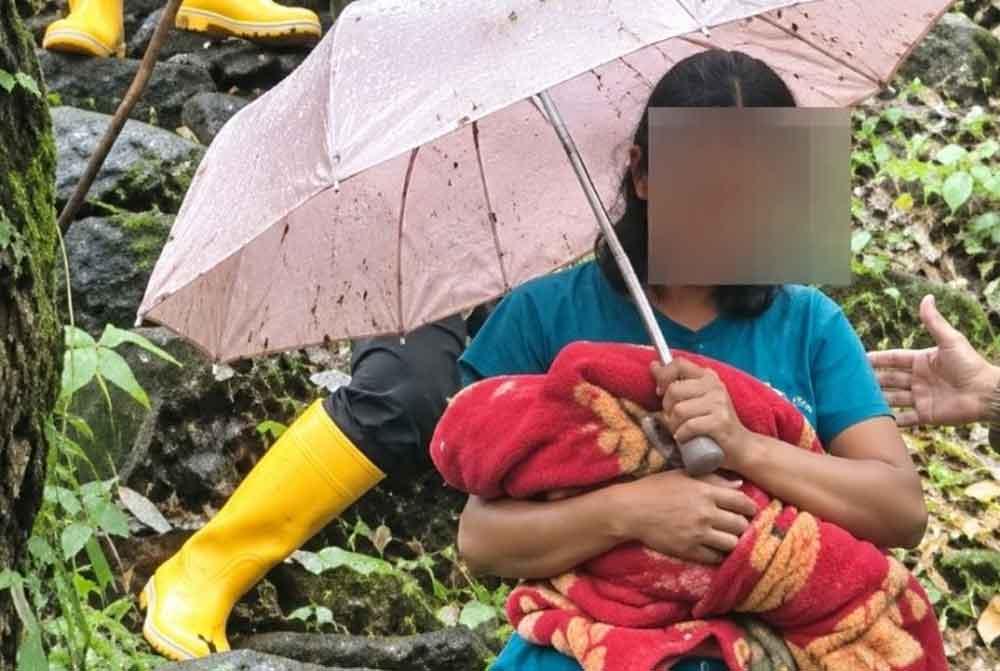
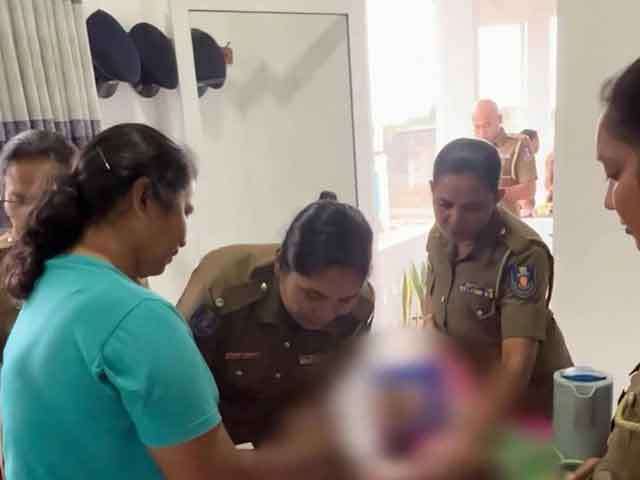
When the people we promise to protect become the very people we fail, perhaps it is time to question the society we have built. There are some news stories that leave us momentarily speechless. Others force us to confront questions we would much rather avoid. The recent discovery of a 15-year-old girl, who had been missing for nearly five months, living inside a remote cave in Sri Lanka's Knuckles mountain range with her two-month-old baby is one such story. It is a story that should disturb us, not simply because of the circumstances in which she was found, but because of what it reveals about the vulnerability of children in a society that repeatedly claims to value their safety. According to reports, the girl had been missing for almost five months before police discovered her in an isolated forest area near Meemure. She was found alongside her infant daughter, whom she had reportedly given birth to inside the cave without medical assistance. A 23-year-old man believed to be the baby's father and a relative suspected of assisting him were arrested in connection with the incident. Both the girl and her baby were subsequently taken to the National Hospital in Kandy for medical attention. It is difficult to comprehend how a child could spend months in such circumstances. But perhaps the more uncomfortable question is not simply how she ended up there. It is how a society allowed a child to become so vulnerable in the first place.
A CHILDHOOD THAT SHOULD NEVER HAVE BEEN LOST
At fifteen, a child should be worrying about school assignments, friendships, examinations and the ordinary uncertainties of growing up. They should have access to education, healthcare, protection and the freedom to imagine a future beyond the limitations of their present circumstances. Instead, this particular case has brought attention to a teenager whose childhood has been overshadowed by circumstances that demand serious investigation and intervention. It is important to remember that a child in such a situation should never become the subject of public judgement. The responsibility for protecting minors lies with adults, institutions and the wider community. Questions surrounding the circumstances of this incident must be investigated by the appropriate authorities, but the girl herself deserves dignity, privacy and support rather than speculation. Unfortunately, society often finds it easier to question the behaviour of vulnerable children than to examine the failures of those responsible for safeguarding them. We ask where their parents were, why they made certain decisions and whether they understood the consequences. Yet we are far less consistent in asking whether the systems around them were accessible, whether warning signs were recognised and whether meaningful protection was available when it mattered most.
WHEN PROTECTION EXISTS ON PAPER, BUT NOT IN PRACTICE
Sri Lanka has institutions, laws and services intended to protect children. However, the existence of these structures does not automatically guarantee that every child can access them. A protection system is only as effective as its ability to reach the children who need it most.
In this case, the girl's family had reportedly lodged a missing-person complaint with the police, and an investigation was initiated. Her eventual discovery followed police inquiries into a man whose unusual purchases of food attracted suspicion. While the investigation ultimately led to her recovery, the circumstances raise difficult questions about how vulnerable children can remain beyond the reach of effective protection for extended periods. How do we ensure that a missing child does not simply become another name in a report? Are there sufficient resources to follow up on missing-person complaints? Are children in isolated communities aware of where to seek help? More importantly, do they feel safe enough to approach the authorities in the first place? These are not questions that can be answered through public outrage alone. They require an honest examination of the accessibility, coordination and effectiveness of child-protection services. The government has since announced interventions to safeguard the girl and her baby. The Minister of Women and Child Affairs has also highlighted the need for stronger institutional support and announced plans to introduce an Alternative Care Policy in 2027. These developments are important, but announcements must eventually translate into action. Children cannot afford to wait for another tragedy before the systems designed to protect them are strengthened.
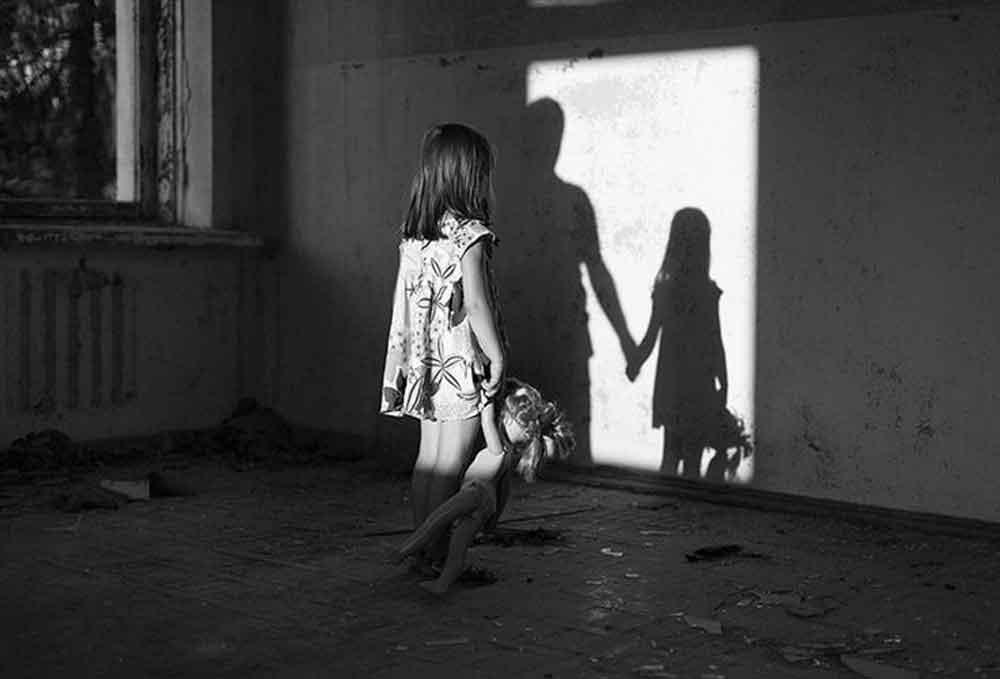
THE SILENCE THAT LEAVES CHILDREN VULNERABLE
Another uncomfortable reality is the culture of silence that continues to surround conversations about abuse, exploitation and child safety. In many communities, discussions about relationships, consent, reproductive health and personal safety remain uncomfortable or are dismissed as inappropriate for young people. Children may grow up without the information necessary to recognise unsafe situations, understand their rights or identify trustworthy adults they can approach for help. This silence does not protect children. It can leave them less informed and more vulnerable. Providing age-appropriate education about personal boundaries, consent, online safety and reproductive health is not an attempt to expose children to inappropriate subjects. It is an essential part of helping them understand their rights and recognise when something is wrong. Young people should be able to ask difficult questions without being shamed, dismissed or made to feel that seeking help is itself something to be embarrassed about. Parents also have a significant role to play. A household should be a place where children can speak openly, express concerns and admit when they are facing difficulties without immediately fearing punishment or rejection. Communication cannot be built through authority alone; it requires trust. However, responsibility should not be placed entirely on families. Schools, healthcare professionals, community organisations and government institutions must work together to create environments in which children are listened to and protected.
A GENERATION WE ARE QUICK TO CRITICISE
There is a contradiction in the way society treats its younger generation. We constantly criticise young people for being irresponsible, distracted, rebellious or overly dependent on technology. We question their decisions, their attitudes and their understanding of the world.
Yet how often do we stop to consider whether we have given them the guidance, security and opportunities they need to navigate it? We expect children to make responsible decisions while frequently failing to provide them with the knowledge and support necessary to do so. We tell them to speak up, but do not always create environments where they feel heard. We tell them to seek help, but do not always make support accessible or trustworthy. This contradiction extends beyond one news report. It is reflected in the broader challenges facing young people: inadequate access to mental health support, educational inequalities, online exploitation, bullying and the pressure to navigate an increasingly complicated world. Not every difficulty experienced by young people has the same cause, and not every failure can be attributed to one institution. But these issues share an important underlying question: are we building a society in which children can genuinely feel safe?
WHAT NEEDS TO CHANGE?
Public attention surrounding cases such as this often fades as newer headlines take their place. For a few days, social media fills with expressions of shock, anger and sympathy. Then the conversation gradually disappears, while the underlying vulnerabilities remain. The challenge is to turn that attention into meaningful change. Child-protection mechanisms must be adequately funded, accessible and responsive. Missing-child investigations require careful follow-up, while communities need clear channels through which concerns can be reported. Schools should provide age-appropriate education on safety and personal boundaries, and healthcare services must be equipped to respond to the needs of vulnerable children without discrimination or stigma. Equally important is the way the media reports such incidents. Journalism has a responsibility to inform the public and hold institutions accountable, but it must never come at the expense of a child's dignity. Identifying details, intrusive speculation and sensationalized headlines can cause further harm to those already affected. The public deserves answers about institutional responsibility, not access to a vulnerable child's private life. Ultimately, protecting children cannot be treated as the responsibility of a single ministry, police division or family. It requires a collective commitment from everyone who has the ability to recognize vulnerability and respond to it.
THE FUTURE WE CLAIM TO CARE ABOUT
Perhaps the most unsettling aspect of this incident is the reminder that behind every headline involving a vulnerable child is an individual whose safety, dignity and future deserve far greater attention than the temporary outrage surrounding a news report. We often speak about the younger generation as the future of our country. Politicians refer to their potential; institutions celebrate their achievements and society places enormous expectations on what they will eventually contribute. But a country cannot demand a promising future from children while neglecting its responsibility to protect their present. The question is no longer simply why young people are struggling. It is whether we are doing enough to ensure they have a safe environment in which to grow, learn and make mistakes without being abandoned to circumstances beyond their control. A society should not measure its commitment to children by the speeches it makes about their potential, but by the protection it provides when they are most vulnerable.
If we cannot guarantee our children the safety of a childhood, what exactly are we preparing them for?