Sri Lanka’s Metro Bus Service: A New Route to Better Public Transportation?
There are few things that unite Sri Lankans quite like a conversation about traffic. Whether it is the morning rush to work, the afternoon school run or an attempt to get home after a long day, navigating Colombo's roads can test even the most patient commuter. For years, public transportation has been an essential part of everyday life, yet comfort, reliability and convenience have not always been its strongest selling points. It is against this backdrop that Sri Lanka's Metro Bus Service enters the picture, bringing with it the promise of a more organised and modern approach to getting around. But is this simply a new fleet of buses, or could it be the beginning of a much-needed change in the country's public transport culture?
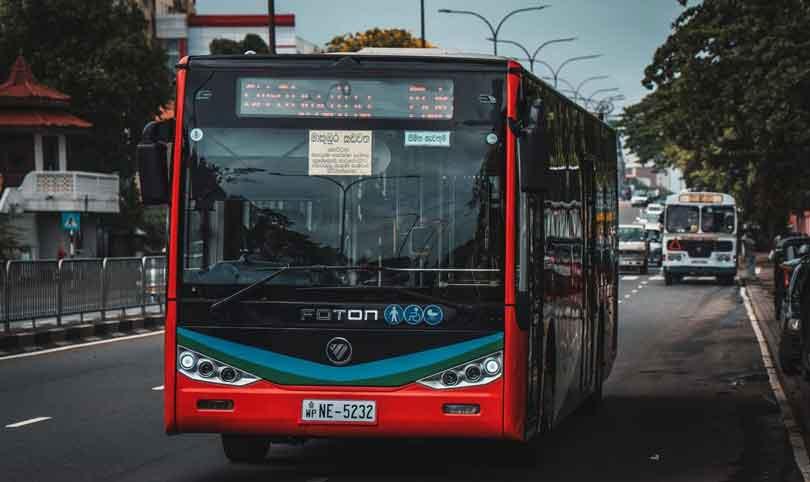
Despite its name, the Metro Bus Service is not an underground railway or a conventional metro train system. It is a road-based urban transport network designed to connect Colombo and its surrounding areas through modern buses operating along designated routes and timetables. The initiative is operated by Lanka Metro Transit (Pvt) Ltd, established on 3 October 2025 as a subsidiary of the Sri Lanka Transport Board (SLTB). Its purpose is to introduce a more structured bus service, where passengers can expect greater consistency, better facilities and a more convenient travel experience.
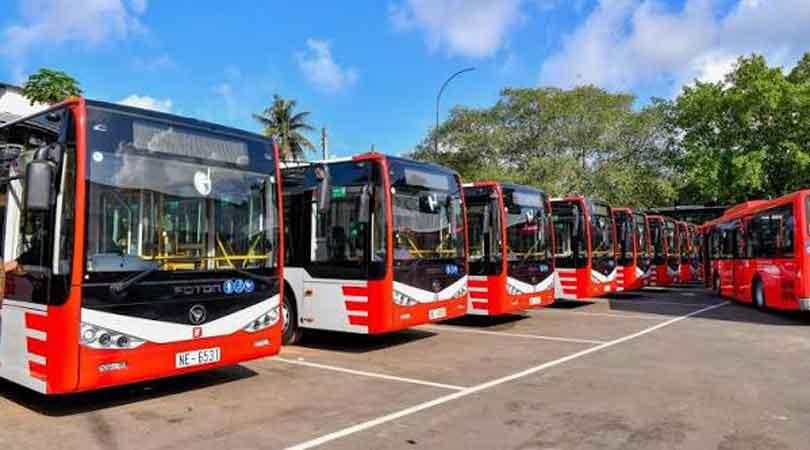
The idea was first introduced through the 2025 Budget, which allocated Rs. 3 billion towards procuring 100 comfortable, low-floor buses for urban passenger transportation. Following the initial preparations, the service began pilot operations in April 2026 with ten buses operating along two routes, Makumbura to Kadawatha and Makumbura to Pettah. This initial phase allowed the service to establish its operations and introduce passengers to a different kind of bus journey. The network took a significant step forward on 29 September 2026, when 112 additional buses were deployed, bringing the total fleet to 122. The new buses included 104 procured by Sri Lanka and eight provided by the Government of Japan. With an estimated government investment of Rs. 7.5 billion towards establishing the service, this expansion marked a considerable development in the country's efforts to modernise urban transportation.
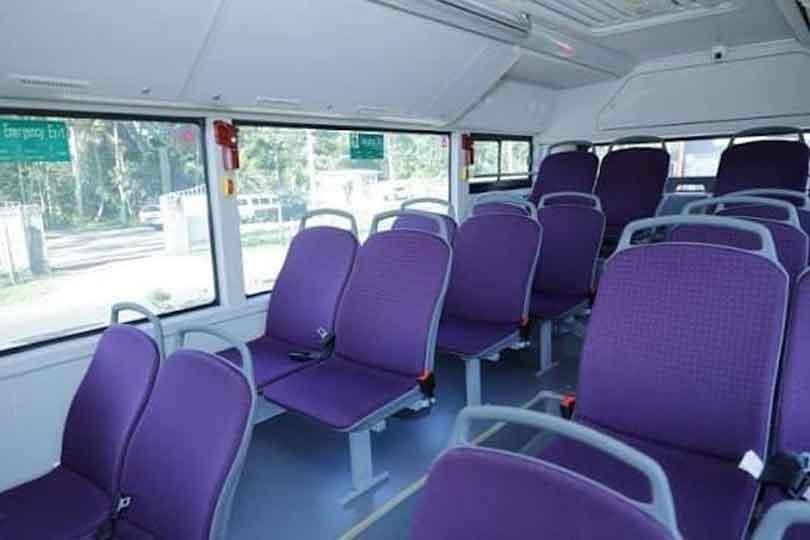
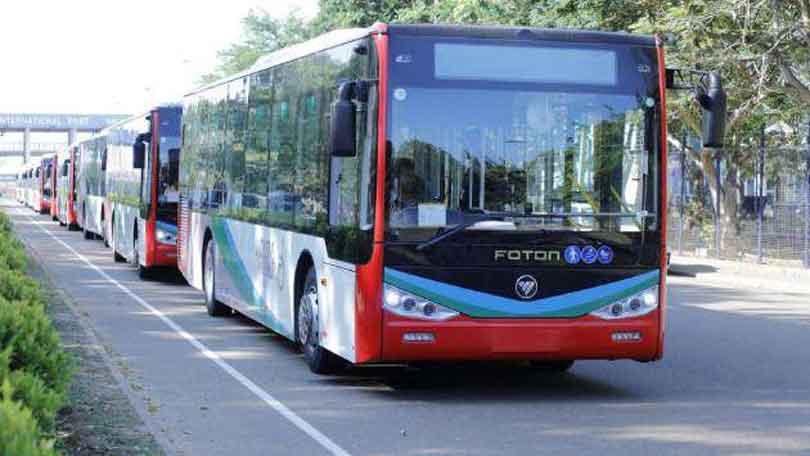
The expanded network currently covers seven routes across the Western Province, with a combined distance of approximately 188.7 kilometres. These include Makumbura to Pettah, Kadawatha to Makumbura, Millennium City to Colombo Fort, Dematagoda to Panadura, Battaramulla to Ekala, Kesbewa to Pettah and a circular route covering Kollupitiya. By connecting residential suburbs with important commercial and administrative areas, the service aims to make daily commuting more manageable while reducing the number of private vehicles entering Colombo. Perhaps the most immediate difference passengers notice is the buses themselves. Unlike the conventional buses many commuters are accustomed to, the Metro fleet features air-conditioned, low-floor vehicles designed with passenger comfort and accessibility in mind. The lower entrance makes boarding and getting off easier, particularly for older passengers, children and people with mobility difficulties. The buses are also designed to accommodate a larger number of passengers, with a planned capacity of around 80 people, including both seated and standing passengers. These may seem like relatively simple improvements, but anyone who has struggled to climb into a crowded bus or spend an entire journey standing in uncomfortable conditions will understand why they matter.
Another interesting aspect of the service is the effort to bring technology into everyday commuting. The Metro Bus network is being developed with a digital platform that is intended to make travelling more predictable. Through the LMT GO application, passengers can access route and timetable information and, as the system develops, track buses and check their expected arrival times. This is particularly useful in a country where waiting at a bus stop can sometimes involve more guesswork than actual planning. The idea is to allow commuters to make decisions based on information rather than simply hoping the next bus will arrive soon.
The technology is not limited to the passenger application either. The system is designed to help the company monitor its buses through GPS tracking, allowing operators to follow their locations and keep an eye on whether services are running according to schedule. This also makes it easier to manage the fleet and identify operational delays. Digital displays at selected bus stops are another part of the planned system, intended to provide passengers with useful information about routes and bus arrivals. In essence, the aim is to bring together the buses, passengers and the people managing the service through one connected system.
Payment is another area where the Metro Bus Service hopes to offer a more convenient experience. The digital platform is designed to support contactless card payments, QR payments and digital wallets, reducing the dependence on cash and the familiar struggle of searching for exact change. The intention is to make boarding and paying for a journey quicker and simpler. However, it is worth remembering that introducing these payment facilities across an entire network takes time. The availability of different payment methods may vary as the system continues to develop.
Running a modern bus service requires considerably more than purchasing new vehicles. Behind every journey is an entire network of facilities responsible for keeping the buses clean, maintained and ready for operation. The government has identified depots in Thalangama, Kadawatha, Ratmalana and Homagama, alongside a central maintenance workshop in Ekala. These facilities are expected to support everything from routine servicing and cleaning to more extensive mechanical repairs. The government has also approved Rs. 800 million in equity funding for infrastructure development, with a further Rs. 267.5 million allocated towards the company's operations in 2027.
What makes the development particularly interesting is that the Metro Bus Service is now part of a much larger public transportation ambition. The 2027 Budget, presented in November 2026, has allocated a record Rs. 95 billion towards modernising railway and passenger bus services, improving connections between different transport networks and promoting sustainable public transportation.
As part of these plans, the government expects to extend the Metro Bus Service beyond Colombo into the urban areas of Kandy, Galle and Jaffna. The intention is to bring a similar standard of urban transportation to other major cities, particularly those experiencing increasing traffic and passenger demand. A further 50 buses are scheduled to be added to the Metro fleet in 2027. The plans also include introducing 100 electric buses, expected to be received as a donation from the Chinese Government. An allocation of Rs. 4.5 billion has been made for the necessary depots, charging facilities and training required to operate these vehicles.
The introduction of electric buses is particularly worth watching. With growing concerns about fuel costs, air pollution and the environmental impact of transportation, moving towards electric vehicles could be a meaningful step in the right direction. However, it is not simply a matter of replacing diesel engines with batteries. Charging facilities, maintenance arrangements and trained personnel will all be necessary to make the transition practical. If properly implemented, this could eventually offer Sri Lanka a more environmentally conscious approach to urban commuting. There is also the challenge of changing public perception. For many Sri Lankans, public buses have become associated with overcrowding, unpredictable journeys and an uncomfortable commuting experience. Introducing air-conditioned buses and digital facilities is a good starting point, but maintaining those standards consistently is what will matter. Clean vehicles, punctual services, courteous staff and reliable information cannot be occasional luxuries. They need to become the norm.
Perhaps the biggest opportunity presented by the Metro Bus Service is that it gives Sri Lanka a chance to rethink its relationship with public transportation. A city cannot function efficiently if getting from one place to another becomes a daily struggle, and building more roads alone will not solve the problem. What is needed is a transport system that people actually want to use, one that respects their time, considers their comfort and makes travelling less complicated. For now, the Metro Bus Service is a promising beginning rather than a finished solution. Its expansion into Kandy, Galle and Jaffna, alongside the wider Rs. 95 billion transport modernisation programme, suggests that there is an ambition to take public transportation more seriously. Whether that ambition translates into lasting improvements remains to be seen. After all, a modern bus is only as good as the service behind it. And perhaps the real measure of progress will be the day a Sri Lankan commuter can plan a journey, catch a bus and reach their destination on time without having to treat the entire experience as an exercise in patience.