SAPPHIRE DRAGON: A TASTE OF AUTHENTIC CANTONESE CUISINE IN COLOMBO
Chinese food has long been a favourite among Sri Lankans, but what many of us have grown up enjoying is often a local interpretation of the cuisine. Fried rice, devilled chicken, hot garlic dishes and generous amounts of chilli have become familiar favourites. However, Chinese cuisine extends far beyond these flavours, with each region offering its own ingredients, cooking techniques and traditions.
At Sapphire Dragon, located within City of Dreams, the focus is on introducing diners to authentic Cantonese cuisine, where freshness, balance and technique take priority over heavy sauces and excessive seasoning. During our visit, we had the opportunity to experience some of Sapphire Dragon’s signature dishes while speaking with General Manager Chen Li and Chef de Cuisine Deng Chengwen. Throughout the afternoon, they shared insights into the restaurant’s culinary philosophy, the traditions behind Cantonese cuisine and the techniques that make each dish unique.
Chen, who has more than 25 years of international hospitality experience, explained that Sapphire Dragon aims to offer something different from the Chinese food commonly found in Sri Lanka. According to her, approximately 80% of the ingredients used at the restaurant are imported, while selected local ingredients, particularly seafood, are incorporated into traditional Cantonese preparations. The restaurant also draws inspiration from the culinary standards of Jade Dragon in Macau, which holds three Michelin stars. Chen explained that the team had undergone exposure training there to understand its approach to food preparation and service.
For Chef Deng, who brings more than two decades of experience in Chinese kitchens across China and Japan, the emphasis is on allowing the ingredients to speak for themselves. Originally from Zhanjiang in Guangdong, he specialises in Cantonese and Sichuan cuisine, combining traditional techniques with contemporary presentation. One of the most interesting aspects of our conversation was learning how differently Cantonese food approaches flavour. Rather than relying on strong seasoning, the cuisine celebrates the natural sweetness of seafood, the aroma of fresh ingredients and the precision involved in preparing each dish. And that philosophy became increasingly clear as the food arrived.
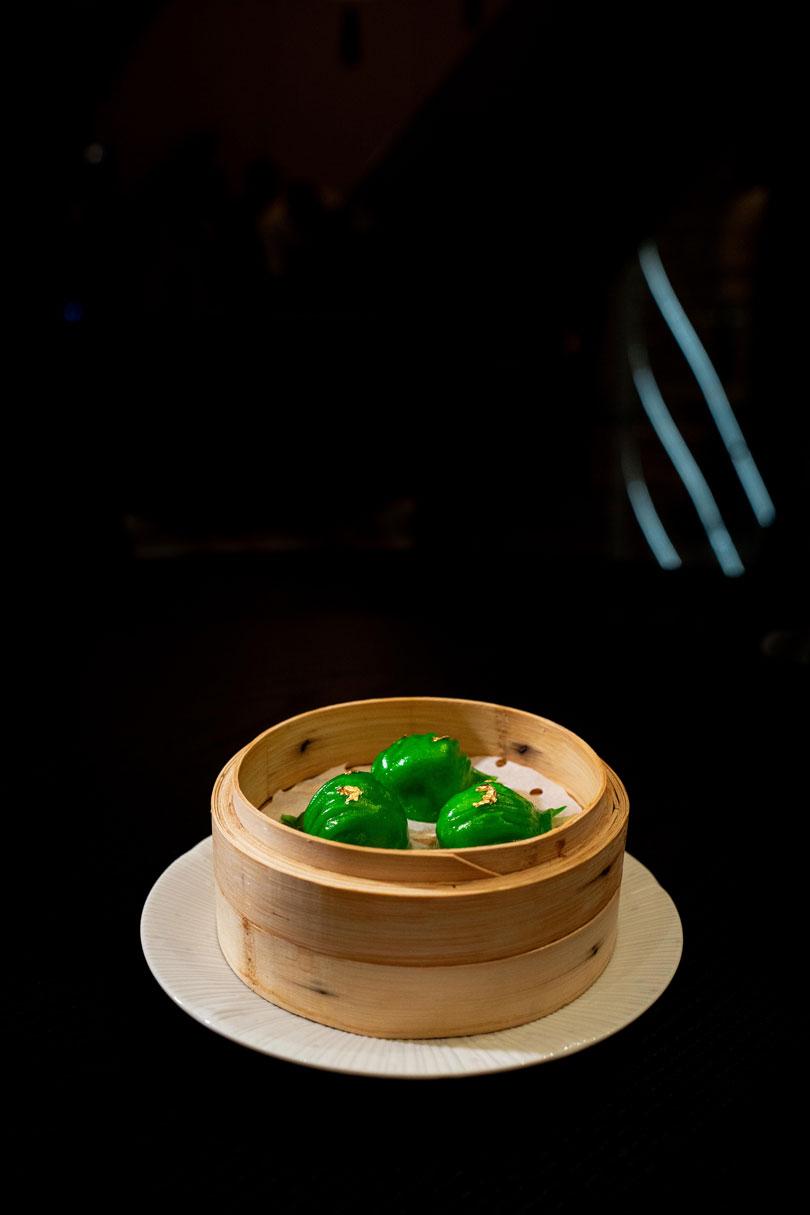
Our dining experience began with a selection of dim sum, an important part of Cantonese culinary culture. Chen explained that dim sum is often one of the first things diners use to judge the quality of a Cantonese restaurant. These small, carefully prepared dishes may appear simple, but the techniques involved require considerable practice. The Shrimp HarGaw was a wonderful introduction. Wrapped in a delicate, almost translucent skin, the dumpling revealed its shrimp filling beneath the surface. The texture was soft yet pleasantly firm, allowing the natural flavour of the shrimp to come through without being overwhelmed by seasoning.
What made the dish particularly interesting was learning about the craftsmanship behind it. Chen explained that the folds of a dumpling are an indication of the chef’s skill, with greater precision and consistency reflecting years of practice.
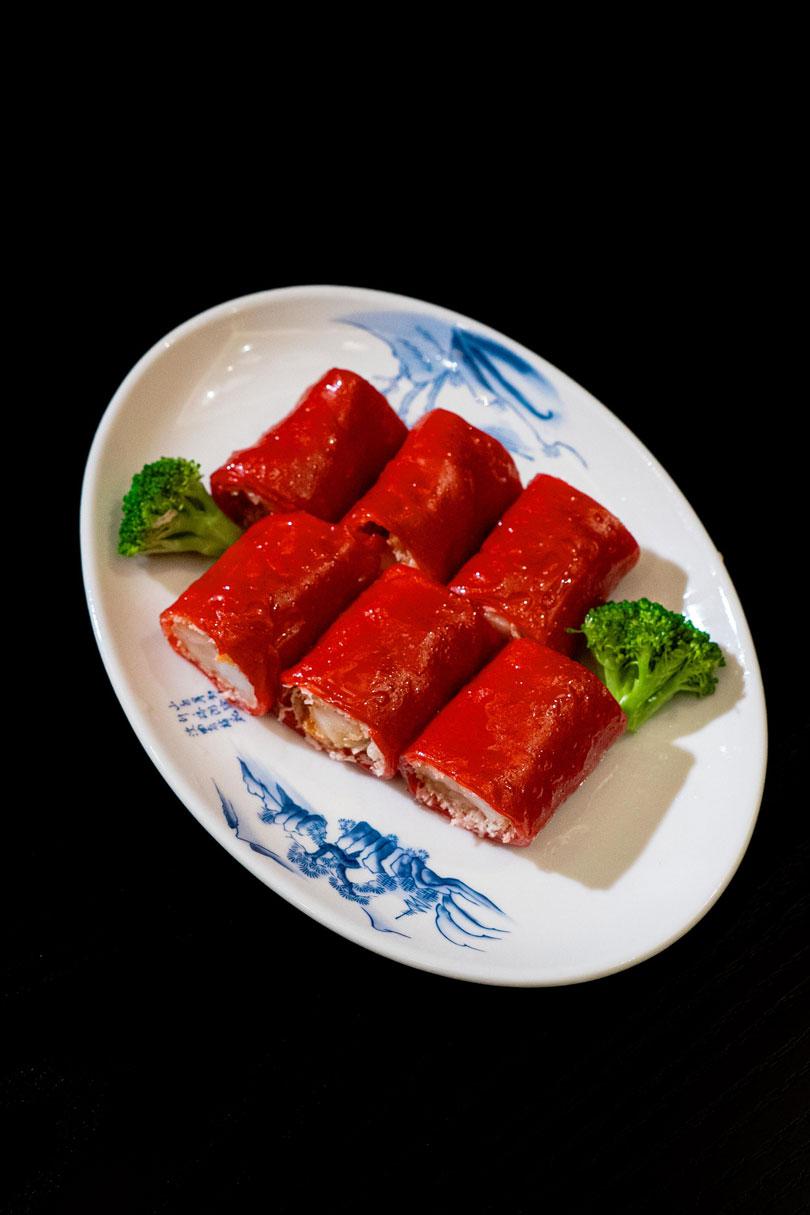
We also sampled the Crystal Dumpling with Crab and Black Truffle, another beautifully presented creation. The delicate wrapper complemented the crab filling, while the truffle introduced an additional depth of flavour without overpowering the seafood. Both dishes demonstrated that good dim sum is about much more than the filling. The thickness of the wrapper, the balance of seasoning and the overall texture all contribute to the final result. One of the most memorable dishes of the afternoon was the Red Rice Roll with Shrimp, which Chen identified as one of the restaurant’s bestsellers. Unlike conventional rice rolls, this version uses red rice in its preparation. Inside, a crispy fried dough element and shrimp create an interesting combination of textures.
The first bite offered a contrast between the soft outer layer and the crispiness within. The shrimp added a gentle sweetness, while the overall preparation remained light and satisfying. It was easily one of the more distinctive dishes we tried. Chen explained that the rice roll is handmade in the restaurant’s kitchen, requiring a specialised technique to achieve the right consistency. For diners accustomed to more familiar Chinese dishes, this is certainly worth trying. It offers something different without introducing flavours that feel too unfamiliar. Next came the Double-Boiled Chicken Soup with Fish Maw, Matsutake and Dried Scallop. Soup holds a particularly important place in Cantonese dining traditions, often associated with family meals, care and nourishment. Chen explained that double-boiled soups are traditionally prepared over several hours, allowing the ingredients to gradually release their flavours into the broth. The soup we tasted had been prepared using chicken, fish maw and carefully selected ingredients, including mushrooms. At first glance, the clear broth appeared quite simple. However, its flavour was surprisingly layered. The chicken was tender, while the mushrooms contributed an earthy depth. The broth itself was delicate yet full of flavour, demonstrating how a dish can be satisfying without relying on heavy seasoning.
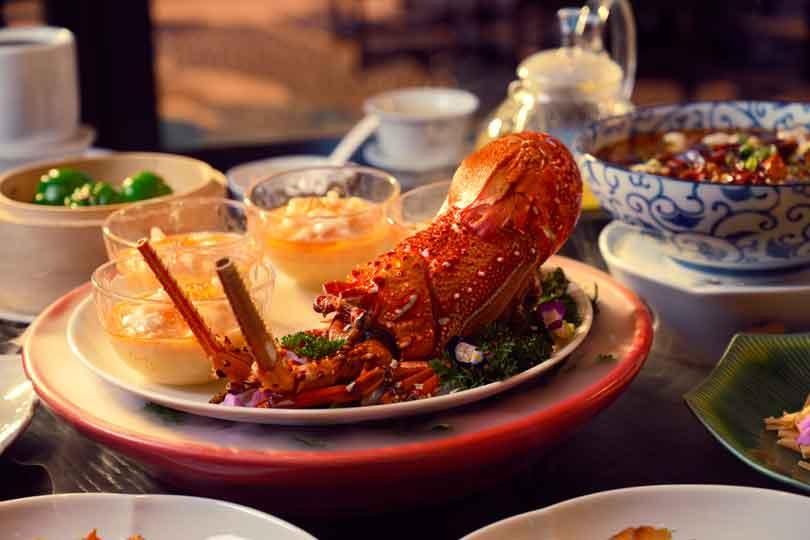
It was also an interesting reminder that Cantonese cuisine places considerable importance on the temperature at which food is served. As Chen explained, dishes are brought to the table as soon as they are ready so diners can experience their intended aroma, texture and flavour. Seafood is central to Sapphire Dragon’s menu, and the restaurant places particular emphasis on its selection of live seafood. Sri Lankan mud crab, grouper and lobster are among the options available, with preparations designed to highlight the quality of the ingredients. One of the dishes served was steamed grouper, prepared in the traditional Cantonese style with ginger, scallions and soy sauce. The fish was exceptionally tender, with a soft texture and a delicate natural sweetness. Rather than masking its flavour with a thick sauce, the preparation allowed the freshness of the fish to remain the main attraction. A small amount of hot oil was added to release the aroma of the scallions, while the soy sauce provided just enough seasoning to complete the dish. It was simple in presentation but impressive in execution.
The Sri Lankan Mud Crab, prepared with shallots and ginger, offered a slightly stronger flavour. The crab was cooked using a traditional wok-frying technique, allowing the aromatics to complement its natural sweetness. The combination worked particularly well, producing a dish that felt rich in flavour without becoming excessively heavy. For seafood lovers, this was undoubtedly one of the highlights of the meal. Another dish that stood out was the restaurant’s crispy egg noodles, fried on both sides. Unlike conventional stir-fried noodles, this preparation requires the noodles to be carefully cooked until they develop a crisp exterior while maintaining their structure. The result was an enjoyable contrast of textures, with the crispy portions adding an entirely different dimension to the dish.
Chef Deng’s preparation also highlighted the importance of wok technique in Cantonese cooking. Chen described the wok station as one of the most exciting parts of a Chinese kitchen, where heat control, timing and movement are essential. The noodles were a particularly good example of this skill. They offered something familiar in flavour but noticeably different in texture and preparation. For dessert, we enjoyed Mango Cream with Sago, Passion Fruit and Snow Gum. After a meal featuring several seafood dishes, the dessert provided a refreshing finish. The mango contributed a natural sweetness, while the passion fruit introduced a pleasant tanginess. The sago added texture, and the snow gum complemented the dessert’s light consistency.
It was creamy without feeling overly rich, making it a fitting conclusion to the meal. The balance of sweetness and acidity was particularly enjoyable, and it was easy to understand why this dessert remains a popular choice among diners. Beyond the food, Sapphire Dragon offers an elegant dining environment with views of the Indian Ocean, making it an appealing choice for special occasions and leisurely meals. What stood out during our visit, however, was the restaurant’s approach to introducing guests to Cantonese cuisine.
Rather than simply presenting a menu, the team takes time to explain the ingredients, preparation methods and cultural significance behind the dishes. Chen believes that understanding the story behind food helps diners appreciate it more deeply. Throughout our meal, that approach made a noticeable difference. Sapphire Dragon is not necessarily trying to recreate the Chinese food Sri Lankans already know. Instead, it encourages diners to discover another side of the cuisine, one where subtle flavours, carefully selected ingredients and skilled preparation take centre stage. From the delicate shrimp dumplings and crispy red rice rolls to the steamed grouper and aromatic mud crab, the experience offered an interesting introduction to Cantonese dining. For anyone looking to explore Chinese cuisine beyond the familiar favourites, Sapphire Dragon offers an experience worth discovering.