KATAWAHA: A Story That Refuses to Stay on Stage
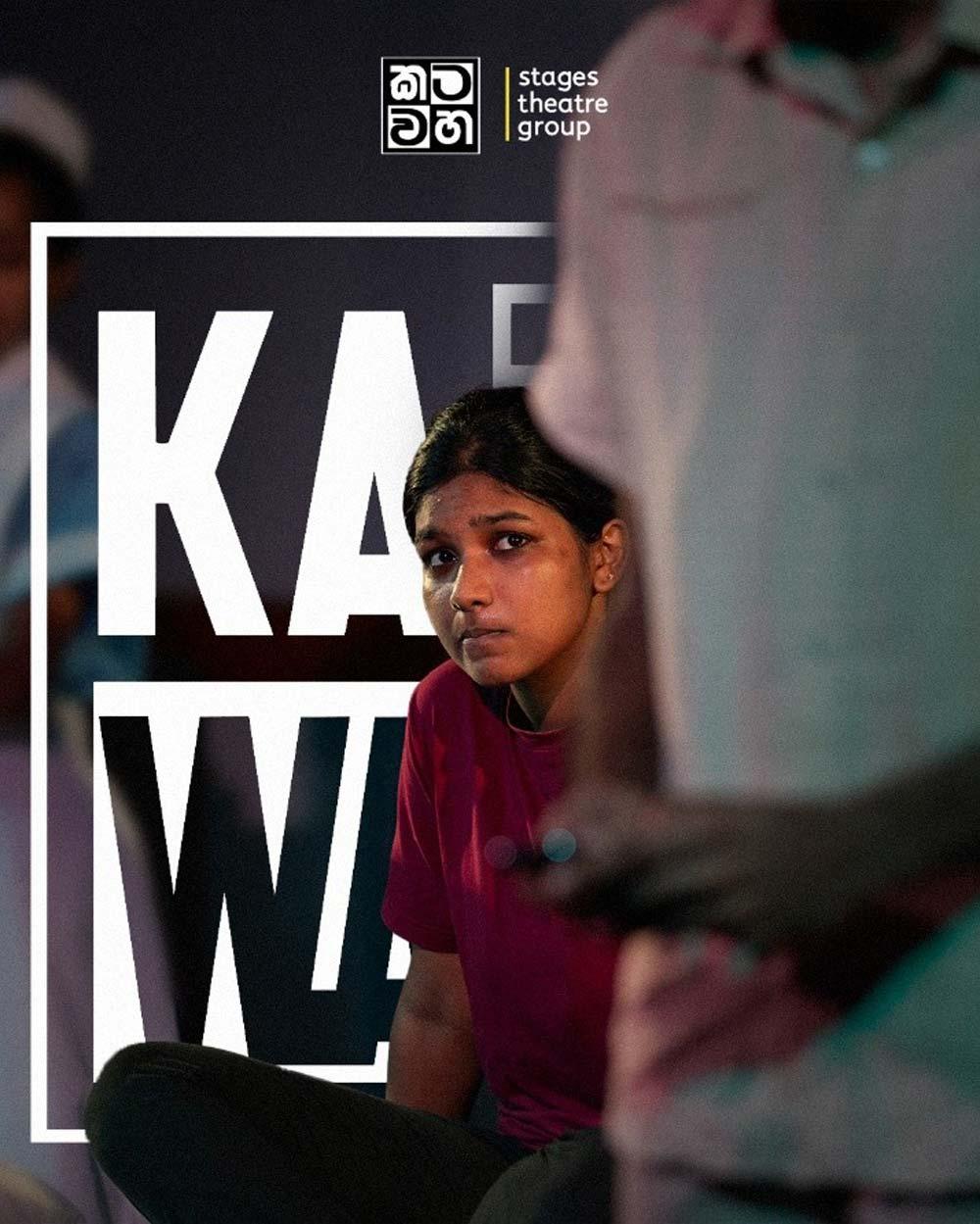
With more than 70 young artists, two distinct casts and a theatre without conventional boundaries, Ruwanthie de Chickera’s latest production invites Colombo audiences to step into the lives of those whose stories are too often left unheard.
There is a certain comfort in conventional theatre. The audience takes its seats, the lights dim, and a story unfolds at a carefully maintained distance. The actors inhabit one world, the spectators another, and the stage becomes the boundary between the two. But what happens when that boundary disappears? When the audience is no longer simply watching someone else's life, but moving through it, witnessing its uncertainties and uncomfortable truths at close quarters?
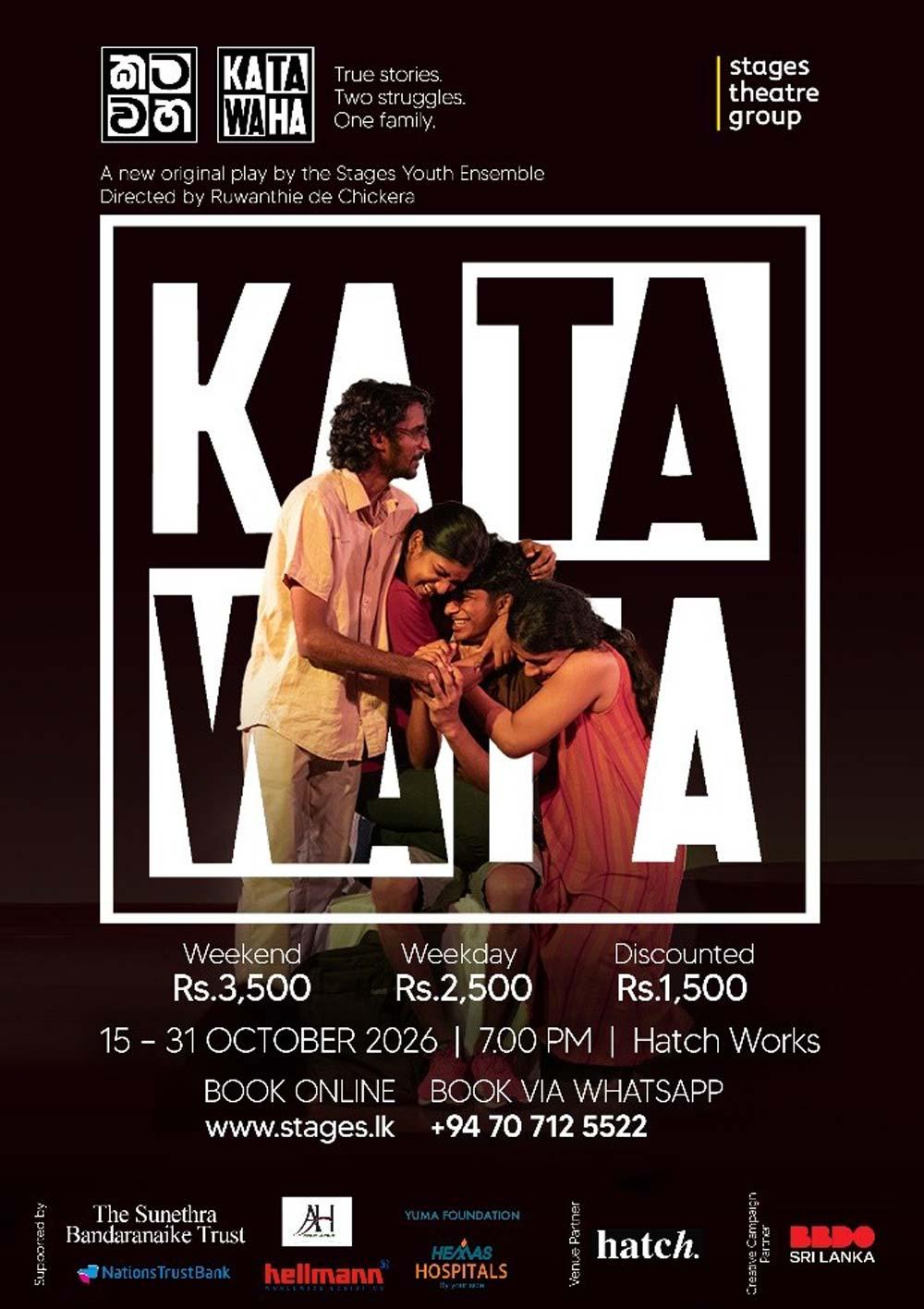 This October, Stages Theatre Group (STG) is attempting to answer that question with KATAWAHA, an ambitious new theatrical production that transforms HATCH Works in Colombo into a living, breathing performance space. Running from 15 to 31 October 2026, the production brings together more than 70 young artists from the Stages Youth Ensemble under the direction of award-winning playwright Ruwanthie de Chickera.
Rather than asking audiences to remain seated, KATAWAHA invites them to move through a series of interconnected spaces, following characters as their stories unfold around them. The result is an immersive theatrical experience in which the traditional separation between performer and spectator gives way to something considerably more intimate.
Yet beneath the unconventional staging lies a story concerned with experiences that are painfully familiar, even if they are not always spoken about openly.
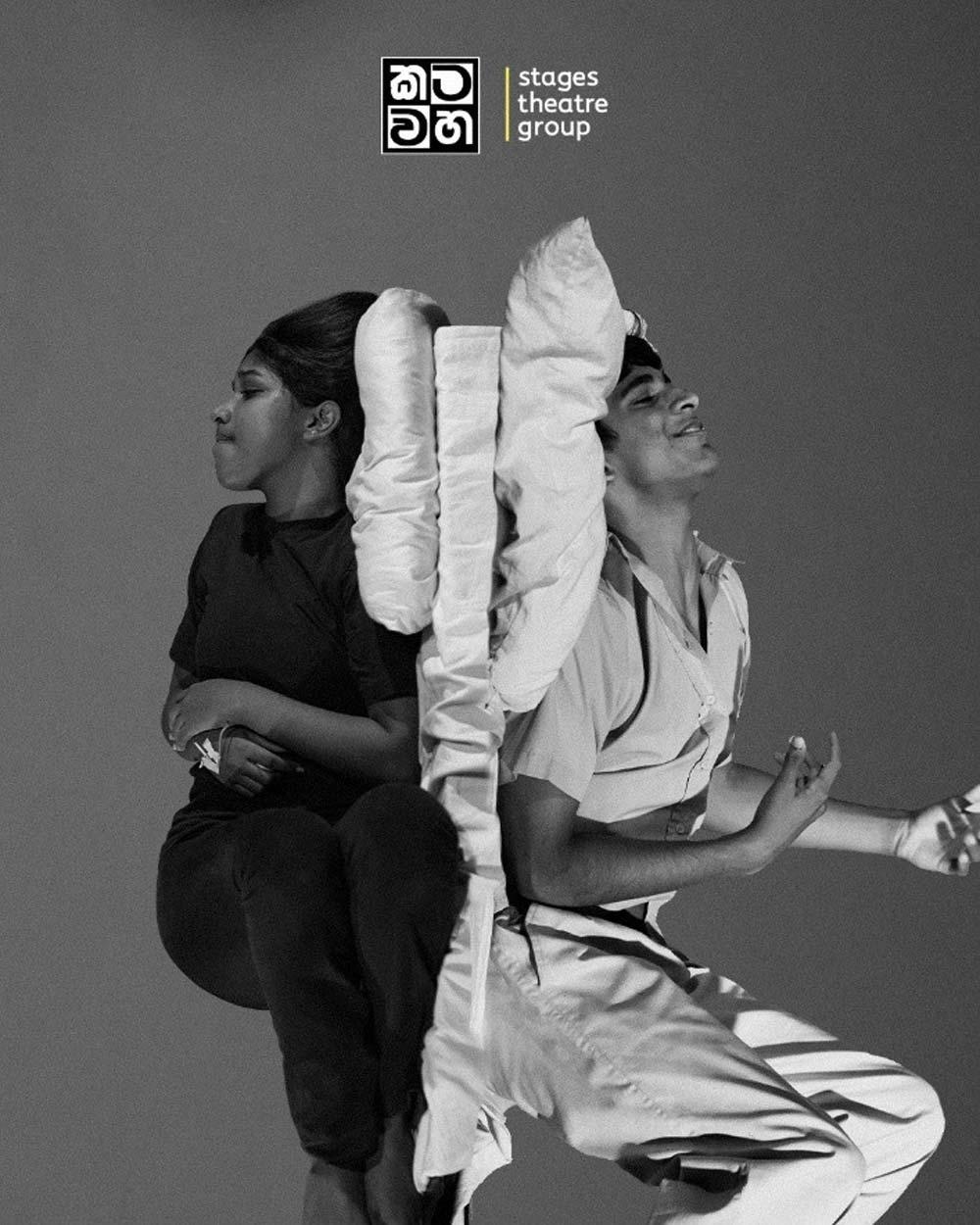
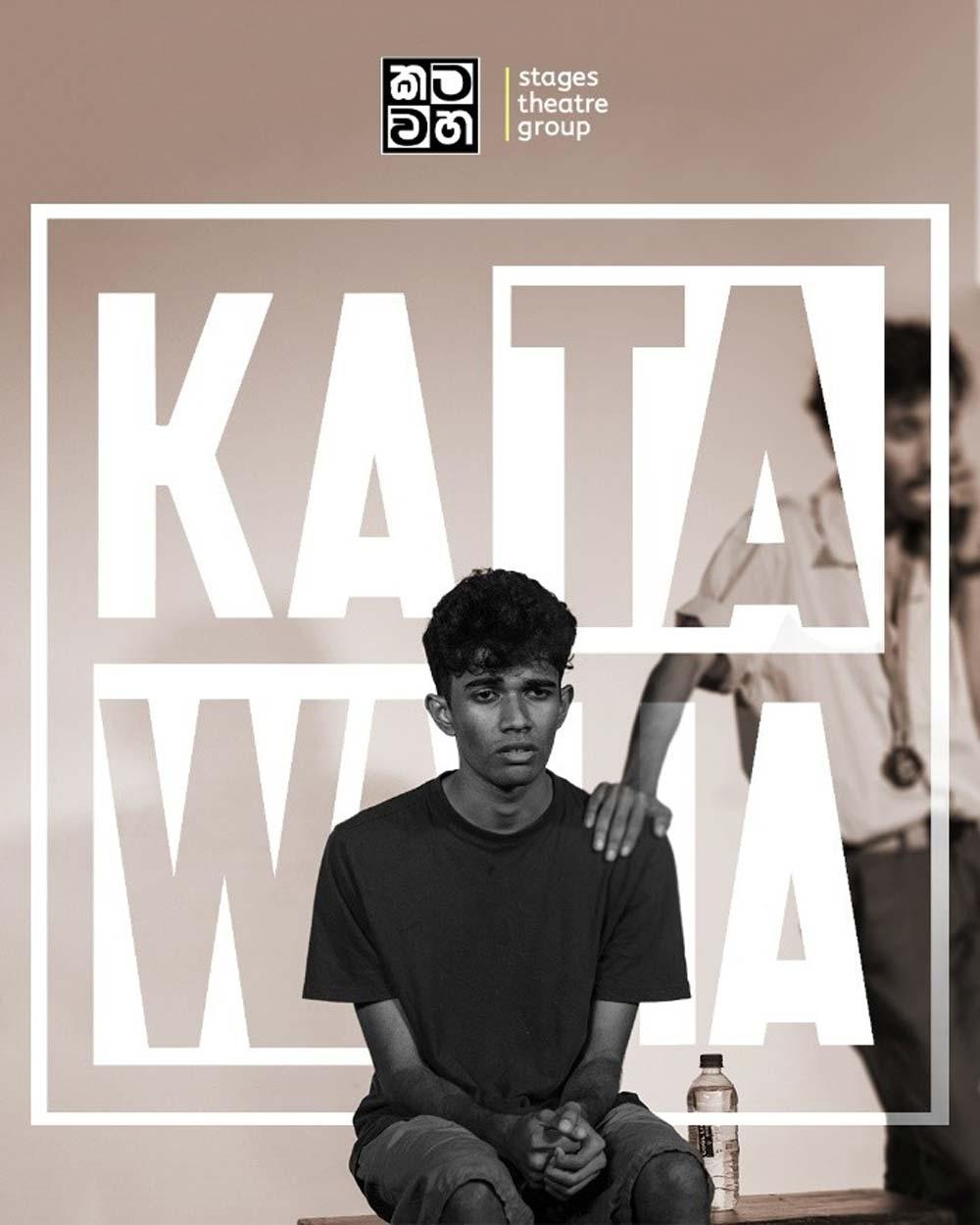
At the centre of KATAWAHA are two siblings. One lives with a pronounced stutter, while the other is navigating a cancer diagnosis. Their lives become the starting point for an exploration of illness, disability, uncertainty and the complicated ways in which families, institutions and communities respond to people whose experiences fall outside what society considers ordinary.
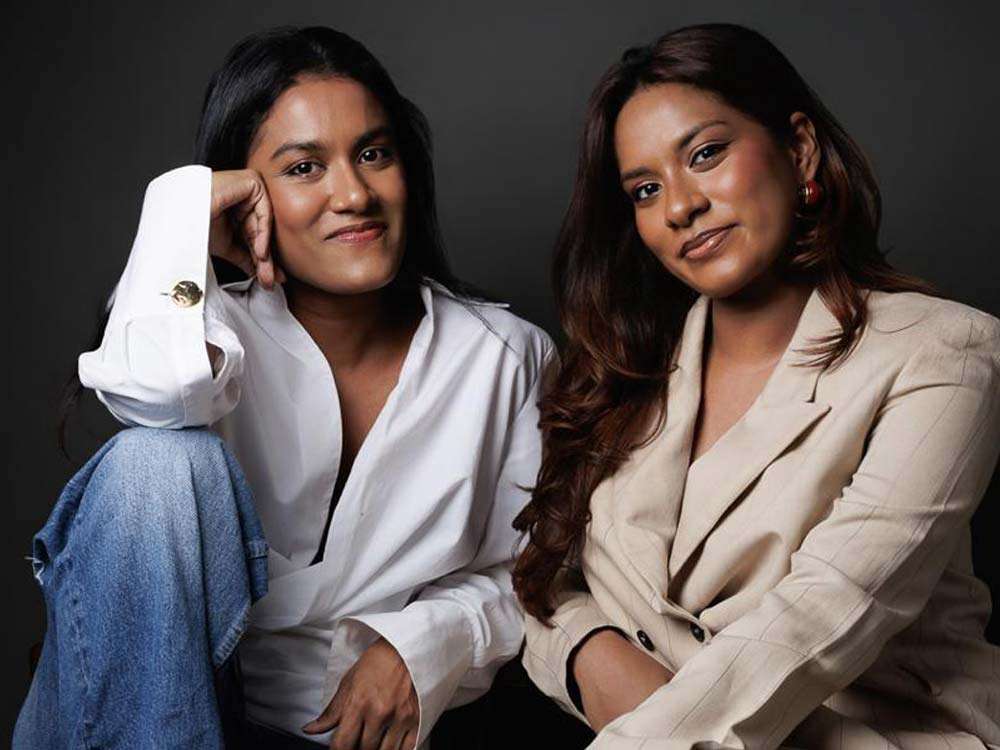
The production draws its emotional foundation from the lived experiences of two members of the Stages Youth Ensemble, Visura and Mashi. Their stories are not merely references from which fictional characters have been developed. They provide an important human perspective on what it means to grow up in a world that can be remarkably unforgiving of difference.
Mashi was diagnosed with cancer as a teenager, at an age when most young people are occupied with examinations, friendships and the uncertain excitement of becoming adults. A diagnosis of that magnitude can interrupt not only the rhythms of everyday life but also a young person's understanding of the future. “Surviving is more confusing than living,” she says. It is a remarkably candid observation, one that challenges the familiar narrative in which survival is treated as the uncomplicated conclusion to an illness.
The experience of living beyond a diagnosis can carry its own questions, fears and adjustments, many of which remain invisible to those who have never had to confront them. Visura's experience of stuttering presents a different, though equally significant, struggle with how the world understands and responds to difference. “I can neither speak properly, but I'm not mute either,” he explains. His words draw attention to a form of disability that is frequently misunderstood, dismissed or reduced to an awkward moment in conversation. Speech is something most people take for granted, until it becomes difficult. For someone who stutters, an ordinary interaction can become an exercise in patience, vulnerability and the exhausting business of being understood.
Through these two experiences, KATAWAHA raises questions that extend well beyond its central characters. How readily do people listen when someone struggles to communicate? How does a family adjust when illness enters its life? What does inclusion mean when sympathy is offered more easily than understanding? And how often do society's assumptions about disability become obstacles in themselves? These are not questions with convenient answers, and the production appears determined to give them the space they deserve.
The decision to present KATAWAHA as immersive theatre is particularly significant. In a conventional performance, audiences can observe difficult experiences from the relative safety of their seats. Here, the physical closeness of the storytelling offers a different relationship with the material. By moving alongside the characters, spectators are invited to encounter their experiences with a sense of immediacy that a distant stage may not always allow.
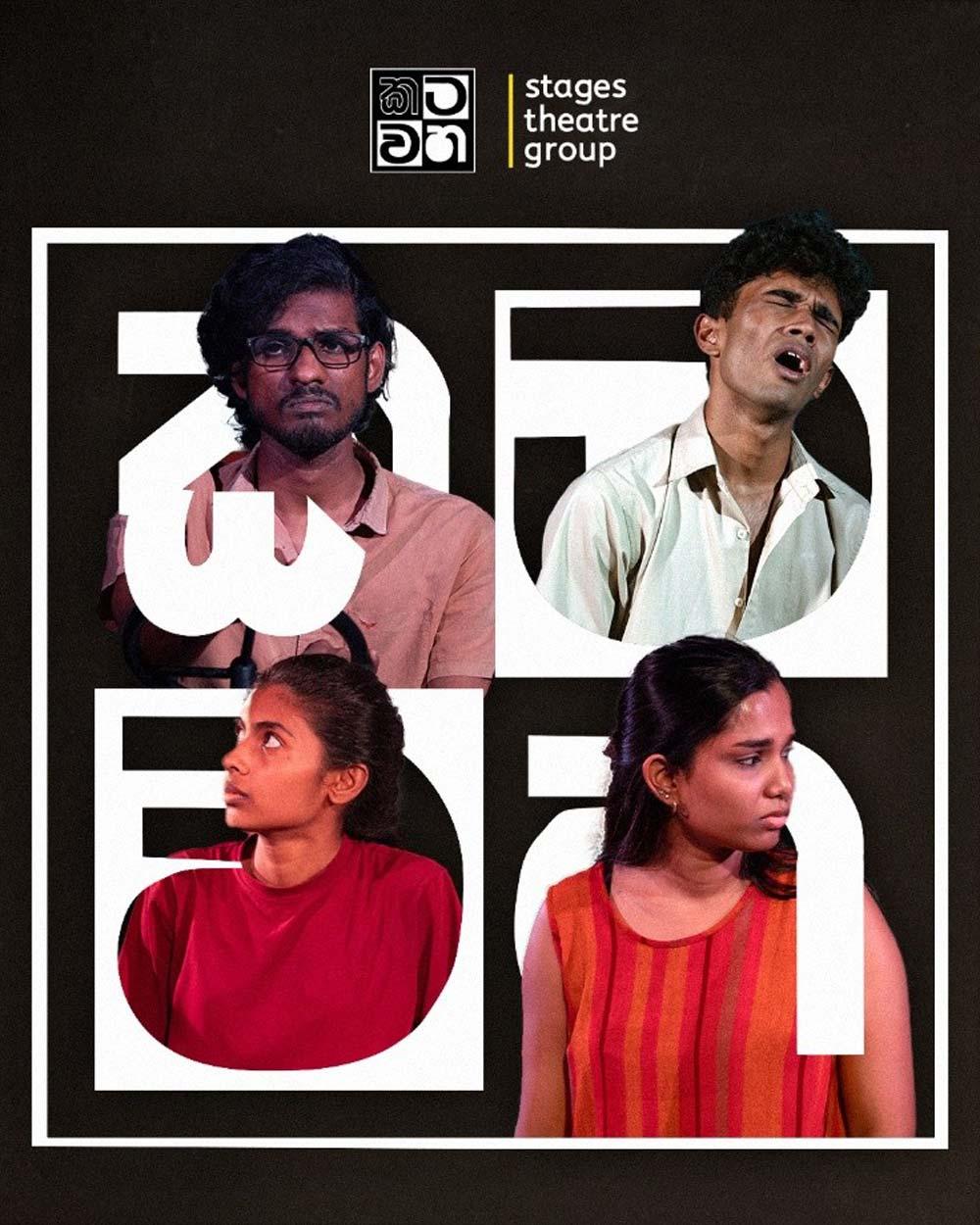
HATCH Works, with its adaptable spaces, provides the setting for this experiment. Over the course of 17 days, the venue will become an interconnected theatrical environment in which the story is encountered through movement, proximity and changing perspectives. Another distinctive feature of KATAWAHA is its bilingual approach. Rather than presenting a single production with translated dialogue, STG has developed two complete versions of the play, performed by entirely separate Sinhala and English casts.
It is an undertaking that demands considerable coordination, particularly for a production involving more than 70 young artists. It also offers audiences the unusual opportunity to experience the same story through two different ensembles and languages. This is not entirely unfamiliar territory for the company. In 2014, STG adopted a similar approach with KALUMAALI, a production that went on to enjoy sold-out performances. More than a decade later, KATAWAHA revisits that format on a larger and more immersive scale.
For audiences interested in seeing both versions, discounted tickets will be available, encouraging a closer appreciation of how different performers can interpret the same narrative. The choice is especially meaningful in Sri Lanka, where language continues to shape cultural participation and access to artistic spaces. By presenting separate Sinhala and English productions, KATAWAHA creates opportunities for audiences from different linguistic backgrounds to engage with the same themes without reducing either version to a secondary adaptation.
Beyond its theatrical experimentation, the production carries a broader social intention. KATAWAHA seeks to encourage conversations around cancer, stuttering, disability, inclusion and the stigma that can accompany experiences of illness and difference. Such conversations are often more difficult than public expressions of sympathy might suggest. Illness can become something families discuss in lowered voices. Disabilities may be met with discomfort rather than curiosity or understanding. Young people whose lives do not follow expected paths can find themselves defined by a diagnosis, a limitation or someone else's perception of what they are capable of achieving.
Theatre cannot resolve these prejudices in a single evening. It can, however, make them harder to ignore. In recognition of the communities whose experiences inform the work, the production will also include a dedicated performance for audiences whose lives closely reflect its central themes. The initiative is intended to bring greater visibility to questions of accessibility, acceptance and representation, while creating space for those who may recognise something of themselves in the story.
For STG, KATAWAHA represents another chapter in a long commitment to original Sri Lankan theatre. Founded in 2000, the company has spent the past 26 years developing work rooted in local experiences while experimenting with the possibilities of performance. During that time, STG has produced more than 50 original plays, with its productions travelling beyond Sri Lanka to countries including Germany, the United Kingdom, India, Pakistan, Rwanda, Thailand and the United Arab Emirates.
Its latest undertaking may be among its most ambitious yet, not simply because of the scale of the ensemble or the demands of presenting two complete productions, but because of the relationship it seeks to establish between the audience and the people whose experiences shape the work.
There is something particularly compelling about a youth ensemble taking on subjects that adults, institutions and communities frequently struggle to discuss. Cancer and disability are often approached through the language of tragedy, courage or inspiration. Yet the everyday realities of those living with them are considerably more complicated. They involve frustration, humour, uncertainty, ordinary ambition and the desire to be recognised as a person rather than a condition.
By drawing on the experiences of young people themselves, KATAWAHA has the opportunity to move beyond familiar narratives of suffering and resilience, making room for the less comfortable and more human realities that exist between them. The production is supported by The Lakmahal Foundation, The Sunethra Bandaranaike Trust, A H Consulting (Pvt) Ltd, HATCH Works, Hellmann Worldwide Logistics, Nations Trust Bank, Hemas Hospitals, YUMA Foundation, and numerous friends and well-wishers.
As Colombo's theatre audiences prepare for the October season, KATAWAHA offers something more than an evening of entertainment. It proposes a different way of encountering a story, one in which listening becomes as important as watching, and understanding begins with a willingness to move beyond one's familiar perspective. Perhaps the most interesting aspect of the production is not that audiences will be asked to walk through a theatrical space, but that they may be encouraged to reconsider the distance they ordinarily maintain from experiences unlike their own. After all, there is a difference between hearing someone speak and truly listening to what they have to say. And sometimes, to understand another person's story, it is necessary to step inside it.
KATAWAHA will be staged at HATCH Works, Colombo, from 15 to 31 October 2026, with separate Sinhala and English performances.