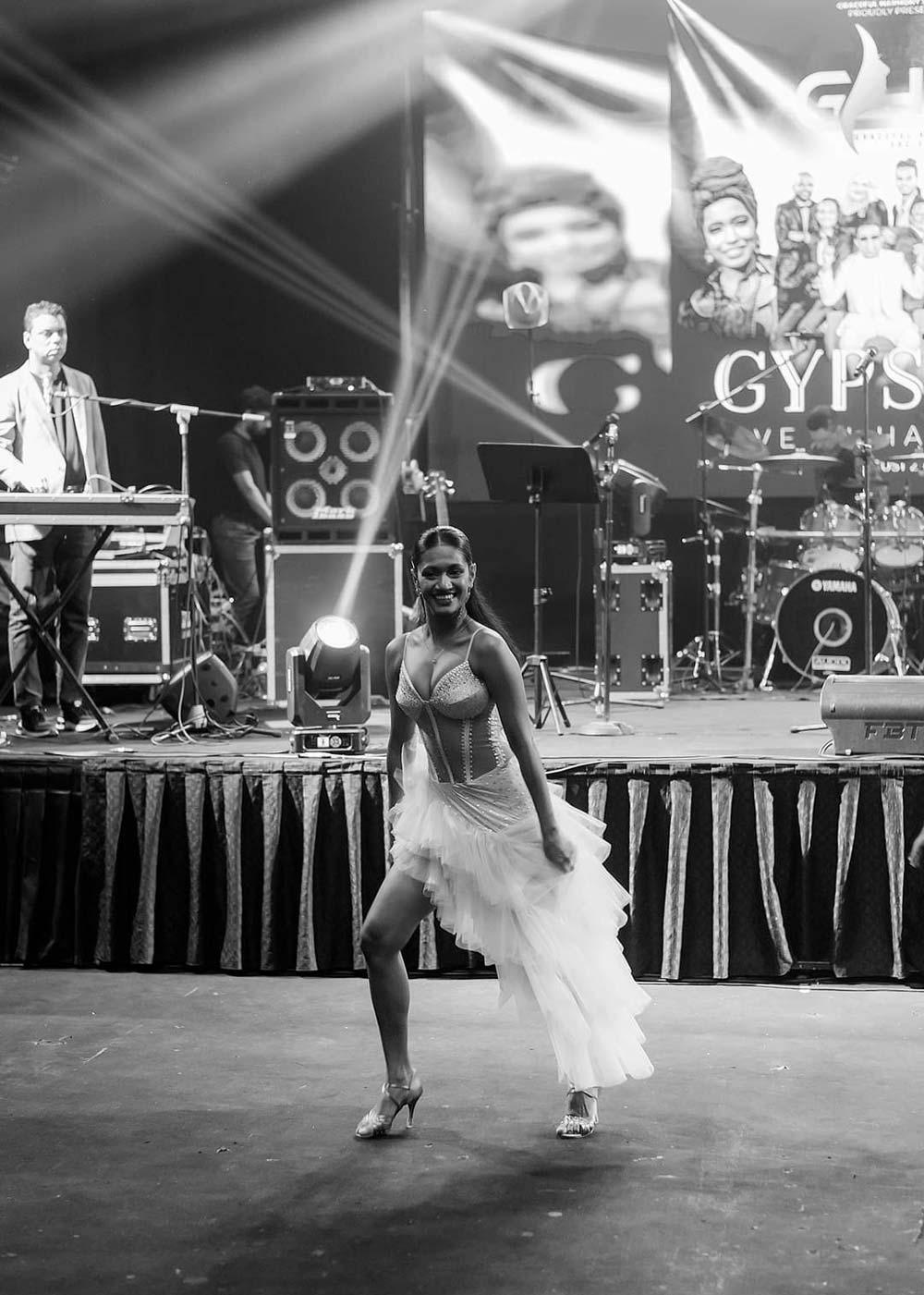
A Rising Dancing Sensation: Meet Trisha Fernandez

Born into a family of dancers and the legacy of Antonio's Dance Circle, Trisha Fernandez was immersed in movement from the very beginning. Yet, building her own identity within that legacy required more than talent, it demanded determination, risk and reinvention to truly stand on her own. From competitive ballroom floors to contemporary stages and musical theatre productions, Trisha Fernandez has steadily carved a space for herself in multiple dance worlds, excelling in both Latin and Ballroom at a national level while expanding into expressive and theatrical forms. In a world that often treats the arts as uncertain, Trisha’s journey is a testament to persistence and belief in one step and one performance at a time.
Coming from a strong dance lineage, with your father, Antonio Fernandez, founding Antonio’s Dance Circle, how has growing up in that environment shaped your discipline, identity, and relationship with dance?
If anything, I am thankful that I grew up in such an environment. I don't think I realised or appreciated it as a child, but I was given more opportunities to learn than most. This has definitely shaped my need to now keep learning and expanding my range.
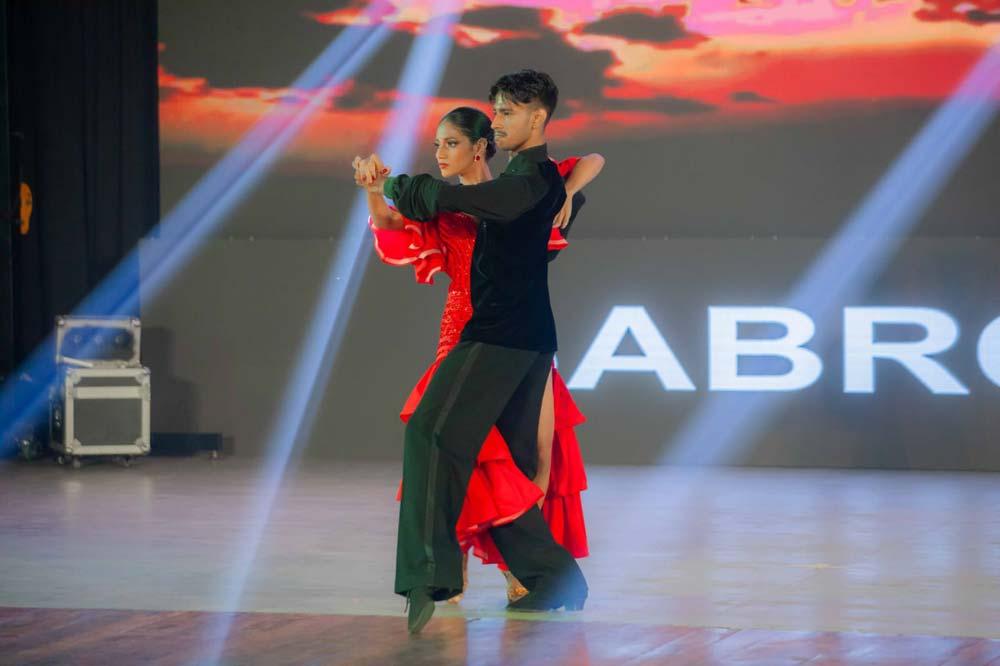
You’ve achieved something rare by excelling in both Latin and Ballroom at a competitive level, ranking first in Latin and second in Ballroom nationally. How did you manage to balance and master two very different styles?
I wouldn't say I have mastered both forms yet, but once again, this is thanks to my parents, who, as teachers, insist that all their students learn both forms. Although it's tough to balance both, it’s a discipline of consistency, one that I was taught to maintain throughout my dance life. And thankfully, I enjoy both forms, which is what keeps you going on days your body doesn't feel up to the task.
Your journey in theatre is equally impressive, from performing in productions like Julius Caesar, Fiddler on the Roof, and La Bamba to choreographing musicals like Legally Blonde Jr. and Cinderella Jr. How has theatre influenced your approach to dance and storytelling?
I think anyone can tell you that musical theatre teaches you a lot about being a performer. I definitely have more to learn as a thespian and as a choreographer, but as a Latin dancer, I've always used dance to tell a story, and I think that is what helped me sync into the world of theatre rather than the other way around.
You’ve performed with both Antonio’s Dance Circle and Meshground, including pieces like un(thread) and What About Rest. How did these experiences shape your transition into more contemporary and expressive forms of dance?
Going from over 13 years of ballroom training to contemporary felt like a really big switch when I started off, but now that I have been doing this for a few years, I think that, although they are different styles, they can definitely inform each other.
Even though both forms rely on technique, contemporary helps you also trust the natural flow of your body and that, in turn, has made me a stronger ballroom dancer. I have been lucky enough to have studied under artists who are masters of their craft, which has made being able to shift from one form to the next a whole lot easier.
You’re now stepping into creating your own show in collaboration with another dancer. What inspired you to take that leap from performer to creator, and what can audiences expect from this project?
If I'm being perfectly honest, there isn't much opportunity for dancers to just dance. So, Onara and I wanted to create a space where a group of dancers can come together and create and be challenged. This will be our first show, and we have a group of brilliant dancers from different dance backgrounds coming together. I hope this will inspire the dancers in the audience to engage in more cross-genre collaborations and to the rest of the audience that the quality of the dance here can reach an international level.
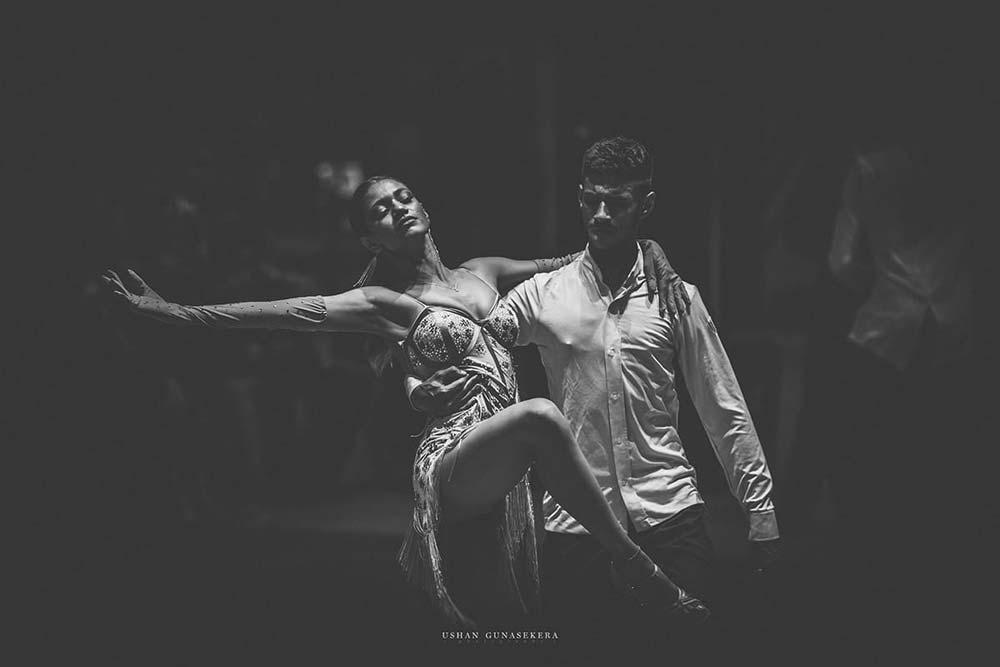
Looking back, what would you say has been the most defining moment in your dance journey so far, the one that truly shaped your path?
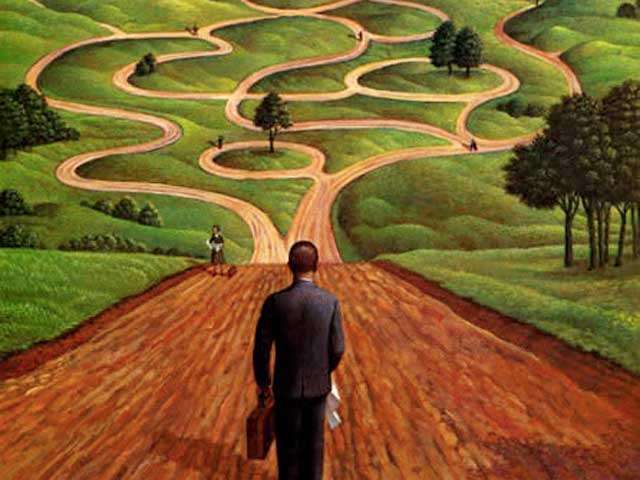
I don't think the moment that shaped my dance journey was at dance at all. It was like the universe slapped me in the face and said, "Just dance, it’s what you love". Coming to a point where all I had was dance showed me that yes, I can pursue this. Yes, I can make it as a dancer. And yes, in this society, it's okay that what you love to do is also your job. That realisation is what changed everything.
In a recent social media post, you opened up about choosing dance over a more “stable” path, and how that period pushed you through uncertainty before things began to fall into place. How did that experience reshape your relationship with dance and your belief in your own path?
This definitely challenged me more. This sudden urge to know what more I can do? Learn? Grow in? Suddenly became a constant question. I wanted to explore every avenue, every form and opportunity that came my way. The belief that all this work will pay off is what keeps me going down this path.
Today, you describe yourself as a full-time dancer, training, teaching, and performing. What does success look like to you now, and how has that definition changed over time?
I never associated success or failure with dance. It was simply what I enjoyed doing on the side. But now that I'm here today, realising I can still do what I did out of love, as what I do for a living is success.