The Smartest Investment Isn’t a Bridge. It’s a Child’s Wellbeing.

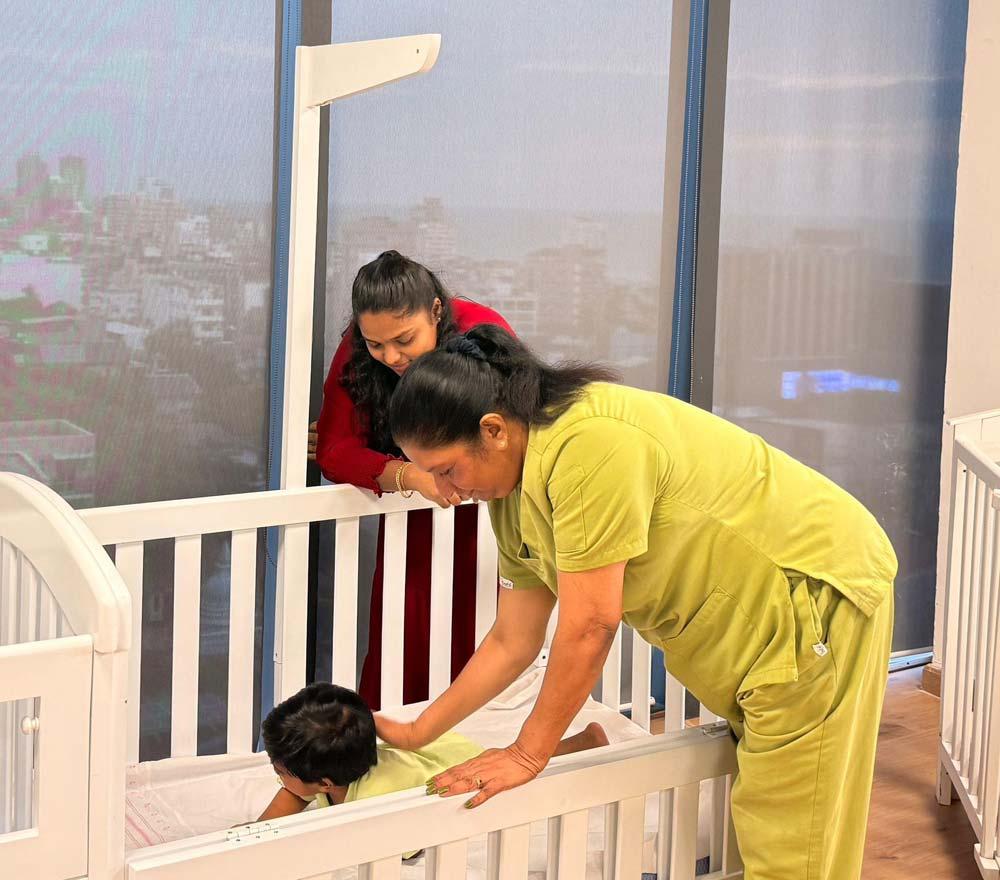
Governments build bridges. Roads. Airports. These are visible, measurable, and celebrated. But there is another investment, less visible but more powerful. An investment that does not just move cars and goods but shapes human beings. Families. Communities. The workforce of tomorrow. It is investment in childcare. And it is the smartest investment any employer can make.
The Problem Parents Know All Too Well
Here is a scene that plays out in millions of homes every morning. A parent wakes before dawn, already exhausted. They rush to get themselves ready while a toddler clings to their leg. They pack bags, make lunches, search for missing shoes. They drop a child at a childcare centre that costs half their salary, hoping the caregivers are kind and the environment is safe. Then they rush to work, already behind, already guilty, already wondering if any of it is worth it. This is the daily reality of working parents. And it is unsustainable. For too long, we have treated childcare as a family problem. Something parents should figure out on their own. Something private, not public. Something that is not the business of employers. But childcare is everyone's business. Because without it, parents cannot work. Without it, children do not get the early experiences they need. Without it, the economy suffers, and the future weakens.
What Companies Are Missing
Companies spend enormous sums attracting and retaining talent. Signing bonuses. Flexible hours. Gym memberships. Free snacks. Foosball tables. These are nice. But they are not what working parents truly need. What parents need is someone to care for their children while they work. Someone safe, qualified, and affordable. Someone nearby. Someone they trust. This is not a perk. It is a necessity. And companies that figure this out will win the competition for talent. The numbers tell the story. Parents leave the workforce because childcare is too expensive or unavailable. Parents turn down promotions because they cannot manage the hours. Parents choose employers based not on the work, but on who offers childcare support. Companies that provide on-site childcare, subsidies, or partnerships with local centres see the results. Lower turnover. Higher attendance. More productive employees. Less stress, less guilt, less distraction. The employee who knows their child is safe in the next building works differently. They focus. They stay late when needed. They are loyal. The employee who is constantly worrying about their child? They are already gone. Even if they are sitting at their desk.
The Child's Wellbeing Argument
There is another reason to invest in childcare. A more important one. The early years are the most critical period of brain development. What happens to a child before age five shapes everything that follows. Their health. Their learning. Their relationships. Their future. Children in high-quality childcare are more ready for school. They have better language skills. They have stronger social-emotional foundations. Children in inadequate childcare? They start behind and often stay behind. The gap never closes. The cost to society, in special education, in lost productivity, in health and justice systems, is enormous. But the real return cannot be measured in dollars alone. It is measured in human potential. In children who thrive instead of just survive. In parents who work without constant guilt and fear. In families that are stable, strong, and supported.
Who Is Doing This Right
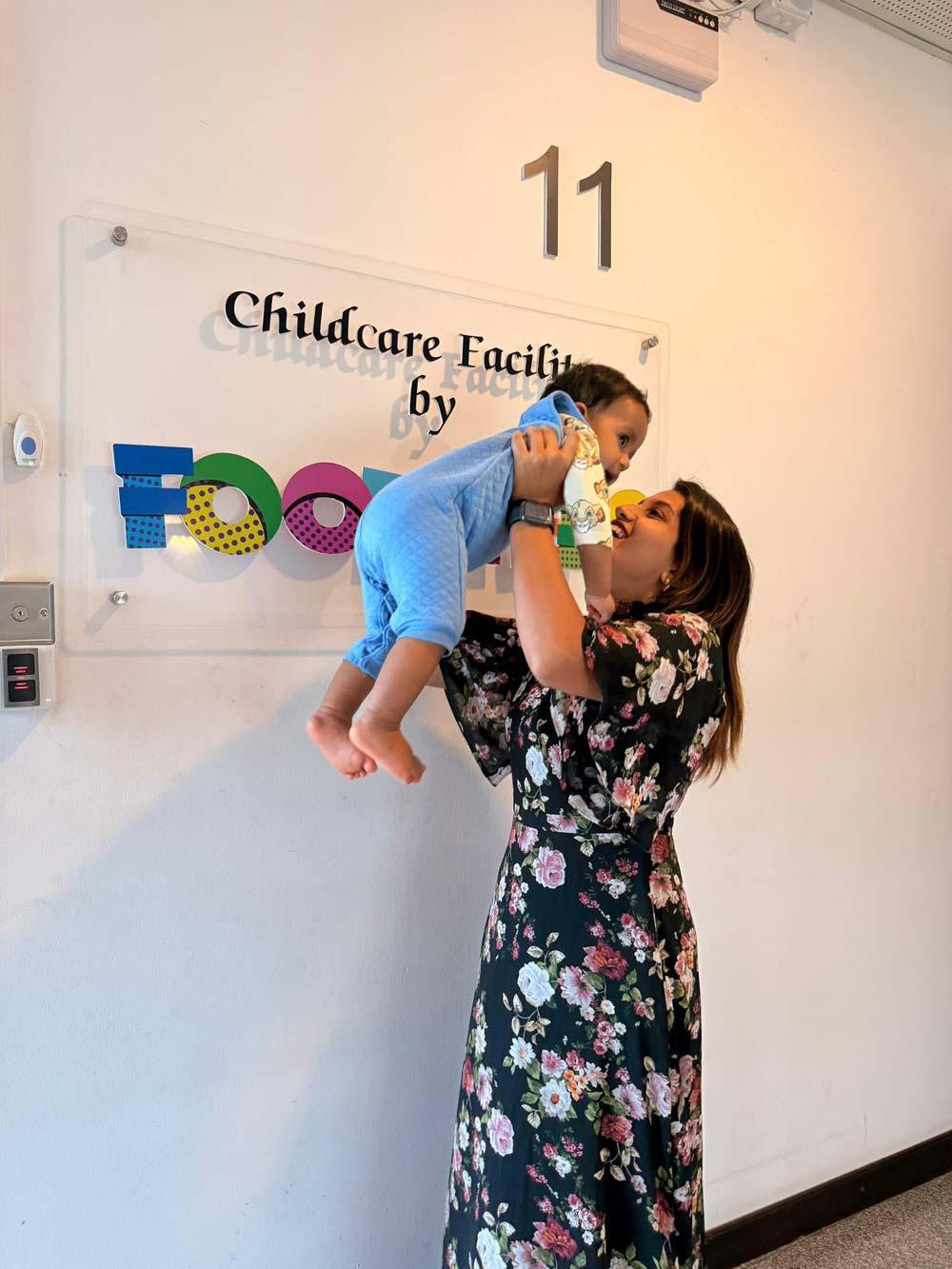
Forward-thinking companies have already figured this out. Some have built on-site centres, bringing their children to work and keeping them close throughout the day. Others offer subsidies or vouchers, helping families afford quality care without bearing the full cost alone. Many have partnered with local childcare providers to reserve spots for their employees' children. A few are exploring innovative models; backup care for sick children, stipends for infant care, flexible spending accounts. These are not distant possibilities. They are real options, already being implemented by companies that understand one simple truth: when you support a parent, you earn their loyalty. When you support a child, you build the future.
What Is Stopping Companies
The barriers are real. Space is expensive. Liability is concerning. Running a childcare centre is not the same as running a business. But these are not excuses. They are problems to be solved. Companies can partner with experienced providers. They can lease space to specialists. They can subsidize without building. They can start small and grow. The real barrier is not logistics. It is mindset. Too many decision-makers still see childcare as a family problem, not a business problem. Too many have never experienced the impossible math of a parent trying to work while paying for care. Too many think it is someone else's responsibility. But the companies that figure this out will have the workforce of the future. The ones that do not will lose their best people to those who do. This is not speculation. It is already happening.

The Ripple Effect
Investing in childcare does not just help parents. It helps everyone. Children benefit from quality early learning. They arrive at school ready. They need less intervention, less special education, less remediation. Families benefit from reduced stress. Parents who are not constantly worried about their children are better parents, better employees, better citizens. Communities benefit from increased workforce participation. More parents working means more spending, more taxes, more economic activity. Employers benefit from lower turnover, higher productivity, and stronger loyalty. Society benefits from children who grow into capable, contributing adults. This is not a cost. It is an investment. And it pays dividends for generations.
A Call to Employers
If you lead a company, here is what matters. Your employees are not just workers. They are parents. They are human beings with children they love more than any job. When you support their children, you earn their loyalty. When you ignore their children, you lose their hearts. Ask yourself: what would it take to offer childcare support? Can you build a centre? Can you offer subsidies? Can you partner with a local provider? Can you start small and grow? Ask your employees what they need. They will tell you. Then believe them. And remember: the smartest investment you will ever make is not in a building or a machine. It is in a child. In a family. In the future. The child who is well cared for today becomes the employee, the leader, the innovator tomorrow. That is an investment worth making.