Teaching Is Not a Ticket: Why Early Childhood Education Needs Real Professionals
There is a quiet crisis in early childhood education. It is not about funding, though that matters. It is not about resources, though those are scarce. It is about something more fundamental - who is standing in front of our youngest children. In too many classrooms today, the person responsible for shaping young minds is not there because they love children or understand development. They are there because teaching is convenient. Because the hours worked. Because they needed a visa. Because it was a way to get somewhere else. This is not said to be cruel. It is said because the children deserve better.
What Teaching Actually Is
Teaching is a skill. A complex, learned, practiced skill. It requires understanding child development. Knowing what is typical at each age. Recognizing when something is wrong. Designing environments that invite exploration. Choosing activities that build specific skills without crushing joy. It requires emotional intelligence. Reading the subtle cues of a child who cannot yet name their feelings. Staying calm in the face of chaos. Building trust with families who may be anxious, defensive, or exhausted. It requires patience. The kind that does not run out. The kind that shows up again tomorrow and the day after. It requires reflection. The ability to watch a child struggle and ask: what am I missing? What does this child need that I am not giving? How can I do better tomorrow? These are not innate. They are learned. They take time, training, and ongoing effort. Teaching is not something you do because you cannot think of anything else. It is something you choose because you know how much it matters.
The Visa Problem
Here is a difficult truth that few people want to say aloud. In many parts of the world, early childhood teaching has become a pathway to migration. A way to obtain a visa. A job that is always in demand, that offers a route to residency or citizenship. There is nothing wrong with wanting to build a better life. Migration is not the problem. The problem is when the job becomes secondary. When the goal is the visa, not the children. When the person in the classroom does not actually want to be there but needs to be there for other reasons. Children know. They feel it. They cannot name it, but they know when the adult in front of them does not truly see them. When the smile is forced. When the patience is thin. When the heart is somewhere else. This is not fair to the children. And it is not fair to the dedicated educators who pour their hearts into this work, only to see the profession devalued by those who treat it as a steppingstone.
The Convenience Problem
The visa problem is one part of a larger issue. Teaching has become, for too many, a job of convenience. It is what people do when other plans fall through. When they need something to pay the bills. When they are between careers. When they want a schedule that works for their own children. These are not bad people. But they are not professionals. And the difference matters enormously. A professional plans the environment with intention.
A convenient hire puts out whatever is easiest. A professional reflects on what worked and what did not. A convenient hire counts the minutes until the day ends. A professional seeks feedback and training. A convenient hire does the minimum required. A professional stays because they believe in the work. A convenient hire leaves as soon as something better comes along.
Why Professional Development Matters
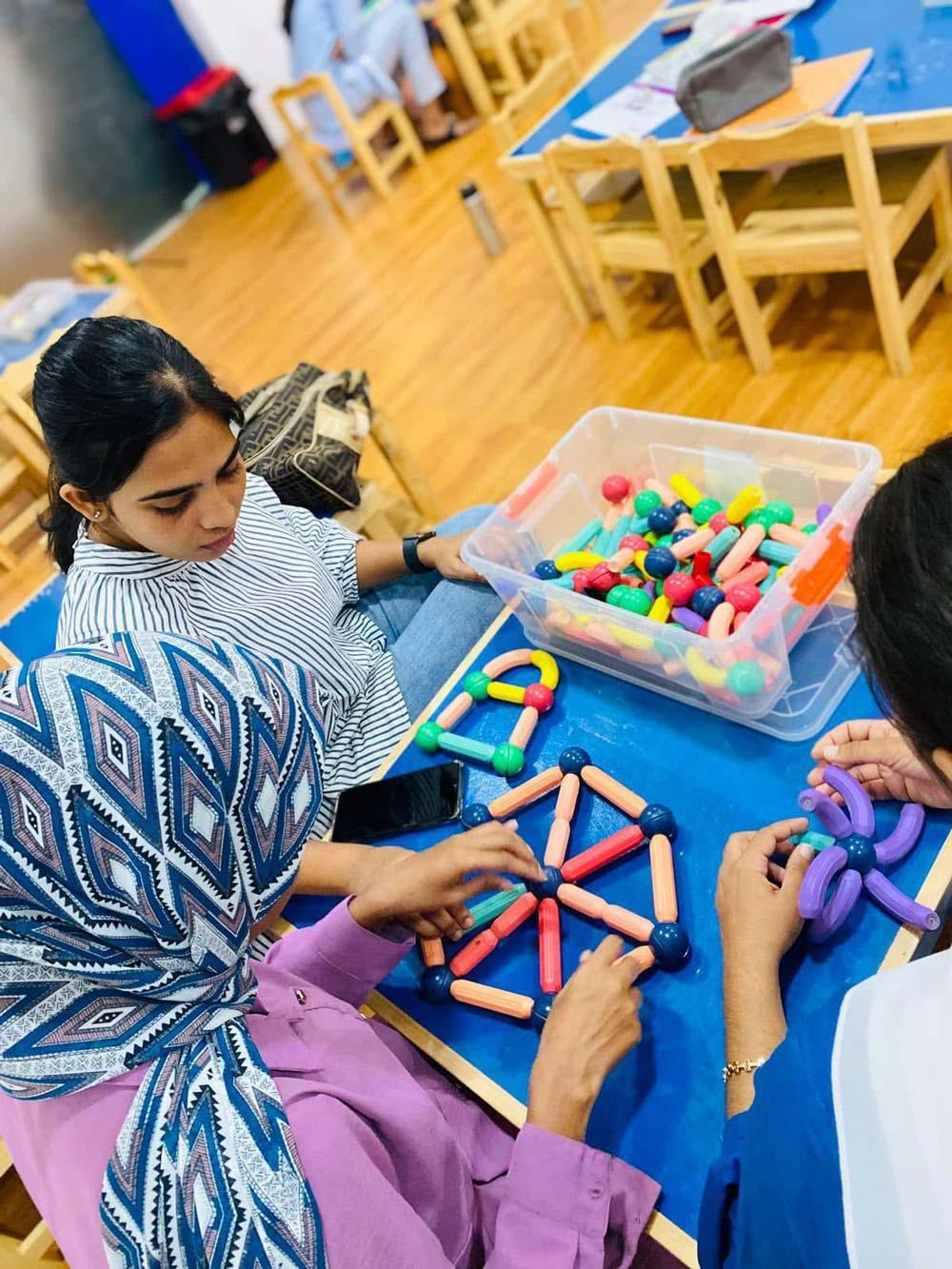
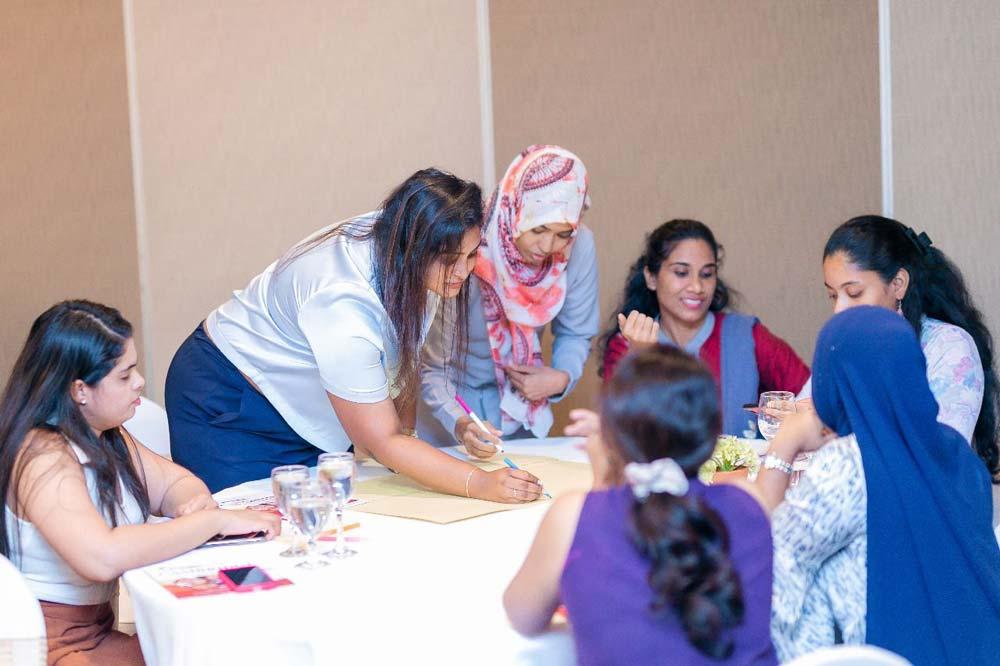
If teaching is a skill, then skills must be developed. No one would trust a doctor who stopped learning. No one would board a plane whose pilot had not trained in years. Professional development is not a box to check. It is not a workshop where someone hands out a binder and calls it training. It is ongoing, embedded, and reflective. It means learning about new research on brain development. Understanding how trauma affects young children. Discovering better ways to support children with additional needs. Refining the art of observing and documenting children's learning. It means watching other skilled educators and learning from them. Being watched in return and receiving honest feedback. Reading, discussing, questioning, growing. A skilled educator never stops learning. Because children never stop needing them to be better.
The Difference a Skilled Educator Makes
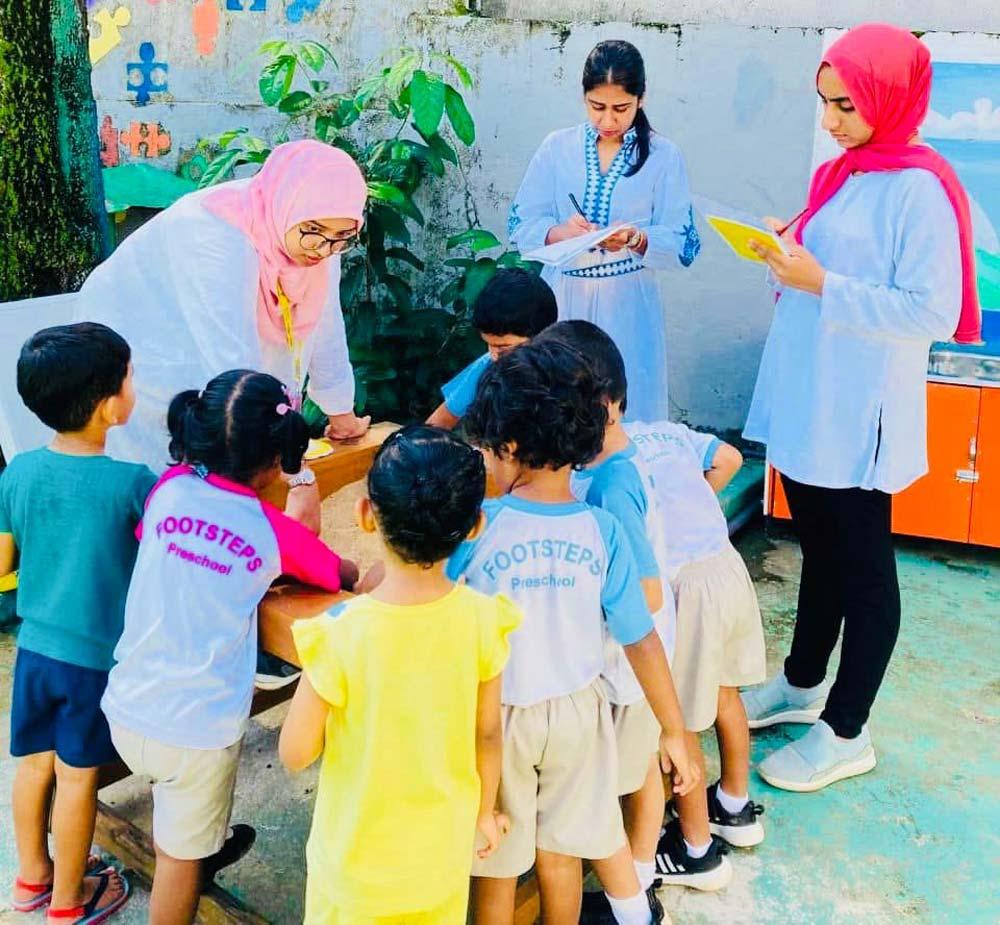
What does a skilled educator actually do? They notice the quiet child and find a way in. They see the child who is about to melt down and intervene before it happens. They turn a conflict into a lesson about feelings and words. They scaffold a child's struggling attempt without taking over. They ask questions that make children think, not just answer. They create an environment where children feel safe enough to try, fail, and try again. Where mistakes are not shamed but explored. Where every child feels seen. This does not happen by accident. It happens because someone learned how to do it. Through training. Through practice. Through years of reflection and refinement.
What Professional Development Should Look Like
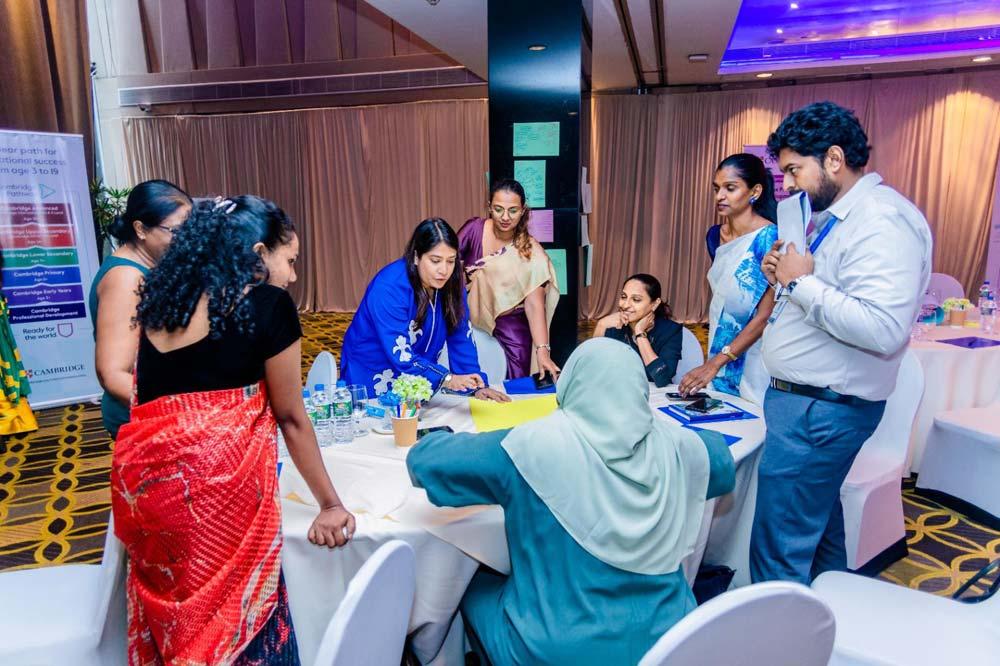
Good professional development is not a lecture. It is not a one-time event. It is coaching. A skilled mentor observing an educator and offering specific, actionable feedback. It is collaborative. Educators watching each other, learning from each other, problem-solving together. It is embedded in practice. Not a day away from the classroom but woven into the rhythm of the week. Time for reflection. Time for discussion. Time for growth. It is ongoing. Not once a year, but continuously. Because learning never stops. It is respected. Protected. Prioritized. Not cut when budgets get tight, or schedules get full. This requires investment. Time. Money. Commitment. It requires centers and systems to value professional development as essential, not optional.
A Message to Educators
If you are in this profession because you love children and believe in the work, know this. You are needed. Stay. Keep learning. Keep growing. Do not let the system wear you down. If you are in this profession as a convenience, ask yourself honestly: are you giving these children what they deserve? Can you learn to love this work? Or should you find something else? There is no shame in realizing this is not for you.
There is shame in staying and doing it poorly, because the children pay the price. And to those who make policy and run centers: invest in professional development. Not as an expense, but as an investment in quality. In children's lives. In the future. Because the person in front of a four-year-old is not just filling time. They are building a brain. A heart. A human being. That work should never be done by someone who is just passing through.