IN CONVERSATION WITH NATHASHA EGODAGE

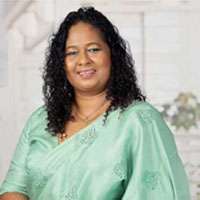
Nathasha Egodage didn’t inherit leadership. She built it deliberately, layer by layer, through experience, reflection, and a willingness to challenge convention. Beginning her career in strategic planning and rising to Executive Deputy Chairperson and Chief Purpose Officer at Ceyline Group, her journey reflects a deep commitment to understanding systems before transforming them. With a multidisciplinary academic background and exposure to global institutions, she brings both analytical precision and human sensitivity to her work. Today, she is helping reshape a traditionally hierarchical industry by embedding inclusivity, transparency, and sustainability into its core. Her leadership represents a broader generational shift, where success is measured not only by financial performance but by long term impact, trust, and the ability to create meaningful change across people, organizations, and communities.
You began your journey at Ceyline Group in a strategic planning role and rose to Executive Deputy Chairperson. What were the defining moments that shaped your leadership path?
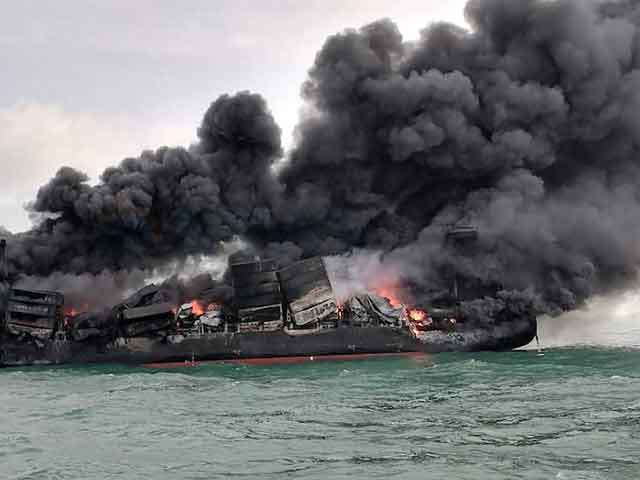
A defining moment for me was realizing that global models cannot simply be replicated without context. My exposure to structured recruitment systems and feedback driven cultures abroad showed me the value of openness and continuous learning. However, translating those practices into a local environment required a level of empathy and cultural awareness that I had not fully appreciated before. Leading the learning team during our 2021 Value Forum marked a turning point. It shifted my mindset from managing outcomes to actively listening. I began to understand that leadership is not about having all the answers, but about creating the space for others to contribute meaningfully. Later, stepping into our healthcare and maritime operations during periods of crisis reinforced this perspective. Those experiences grounded me and made it clear that leadership is less about authority and more about presence. Rebuilding teams that had not previously been empowered to make decisions was particularly humbling. It required me to step back and trust people in ways that felt unfamiliar at first. That transition from directing to enabling has shaped how I approach leadership today.
As Chief Purpose Officer, how do you define purpose in a corporate context, and why is it critical today?
Purpose, in a corporate context, is the reason we exist beyond financial gain. It acts as a guiding force that aligns our decisions with a broader sense of responsibility. For me, purpose is about understanding why we show up each day and ensuring that our work contributes to something meaningful. In industries like maritime and logistics, this requires a shift from purely transactional relationships to more human centred thinking. It means prioritizing the well-being and growth of our people while also considering the impact we have on society and the environment. In today’s uncertain economic climate, purpose is not optional. It is essential for building resilience and trust. When individuals understand the meaning behind their work, they are more engaged and committed. Similarly, partners and stakeholders are increasingly drawn to organizations that demonstrate integrity and long-term thinking.
What challenges did you face in moving away from grey area operations toward transparency and sustainability?
One of the biggest challenges has been addressing the belief that transparency can weaken competitive advantage. In many legacy systems, ambiguity has been treated as a strategic tool, and shifting away from that mindset requires both patience and conviction. Building a culture of integrity involves making difficult decisions. There are moments when we have had to reconsider partnerships or operational practices that do not align with our values. These decisions are not always easy, particularly when they come with short term trade-offs. It is also an ongoing process. Transparency and sustainability cannot exist as abstract ideals. They must be embedded into daily operations and decision making. This requires continuous effort, accountability, and a willingness to confront uncomfortable truths.
You have been instrumental in dismantling rigid hierarchies. What practical steps did you take to build a more inclusive workplace?
We began by rethinking how authority and contribution are defined within the organization. Traditional hierarchies often limit participation and discourage the exchange of ideas. To address this, we introduced systems that actively encourage collaboration. One key change was moving away from one directional evaluations toward 360-degree feedback loops. This created space for individuals at all levels to share perspectives and contribute to decision making processes. It helped normalize feedback and made it a constructive part of our culture. We also introduced initiatives such as the Confidant Network, which provides employees with access to support systems outside formal reporting structures. These spaces are designed to ensure that people feel heard and valued. Ultimately, inclusion is about more than systems. It requires a shift in mindset. Leaders must be willing to create space, listen actively, and trust their teams. When people feel a sense of ownership, they are more engaged and invested in outcomes.
As the driving force behind Ceyline’s 2026 strategic vision, what are your top priorities?
As we approach a significant milestone, our focus is on building foundations that will sustain long term growth. The theme of our strategy is rooted in strengthening what we have while preparing for the future. A central priority is embedding a structured ESG framework into our operations. This involves setting clear environmental and social targets and ensuring that they are measurable and actionable. It is about integrating responsibility into every aspect of how we operate. We are also prioritizing talent development, particularly in building technical capabilities. The future of logistics is increasingly digital, and it is essential that our teams are equipped to adapt to these changes. Balancing financial performance with social and environmental responsibility remains at the core of our vision. We believe that sustainable success comes from aligning these elements rather than treating them as separate goals.
The maritime and logistics sector is evolving rapidly. What trends do you believe will define its future?
Decarbonization and digital transparency are two of the most significant trends shaping the future of the industry. The push to reduce greenhouse gas emissions is transforming how organizations approach operations and strategy. Green shipping is becoming a necessity rather than a choice. Companies are being held to higher standards, and those that fail to adapt risk falling behind. At the same time, advancements in data analytics are changing how logistics systems are managed. Technology is enabling greater visibility and efficiency across supply chains. However, this also requires a workforce that is capable of engaging with these tools. Investing in people is just as important as investing in technology.
How can Sri Lanka strengthen its position in the global logistics landscape?
Sri Lanka has a unique geographic advantage, positioned along key global trade routes. However, leveraging this advantage requires more than location. It requires a clear and differentiated value proposition. One way to achieve this is by focusing on ethical logistics. By prioritizing transparency and aligning with global sustainability standards, the country can position itself as a trusted partner in the international market. Building this reputation will require collaboration across industries and institutions. It involves creating systems that support accountability and consistency. Over time, this can help establish Sri Lanka as a reliable and forward-thinking logistics hub.
As a feminist and advocate for equity, what changes do you believe are still needed for women in leadership?
Representation remains a challenge, particularly in sectors like maritime and logistics. While there has been progress, the pace of change needs to accelerate. Creating an inclusive environment requires recognizing that equity is a shared responsibility. It is not solely an issue for women to address. Men also play a critical role in shaping workplace culture and supporting change. One important aspect is redefining roles within the home. When caregiving responsibilities are more evenly distributed, women have greater opportunities to pursue leadership roles without disproportionate pressure. True inclusivity requires both structural change and cultural awareness. It involves creating environments where individuals are supported, respected, and given equal opportunities to succeed.
Your academic background spans economics, physics, and mathematical modelling. How has this shaped your approach to decision making?
My academic background has given me a strong analytical framework. It has trained me to approach problems methodically, evaluate data carefully, and consider multiple perspectives before making decisions. At the same time, I have learned that data alone is not enough. Effective leadership requires empathy and an understanding of human dynamics. Decisions must be both logically sound and practically applicable.
This balance allows me to navigate complexity with greater confidence. It ensures that decisions are informed by both evidence and awareness of their broader impact.
You advocate for tough and empathetic leadership. How do you balance these two qualities?
I see clarity as an essential part of empathy. Being tough is about setting clear expectations and maintaining high standards, particularly when it comes to integrity and accountability. It is about ensuring that people understand what is required of them. At the same time, empathy involves recognizing that work is deeply connected to people’s lives. Individuals deserve to feel valued and supported in their environments. This means creating spaces where they can grow, contribute, and feel a sense of belonging. Balancing these qualities requires consistency and intention. It involves being firm in principles while remaining compassionate in practice. Leadership, in this sense, is about creating an environment where people are both challenged and cared for, allowing them to perform at their best while also experiencing a sense of purpose and fulfillment.
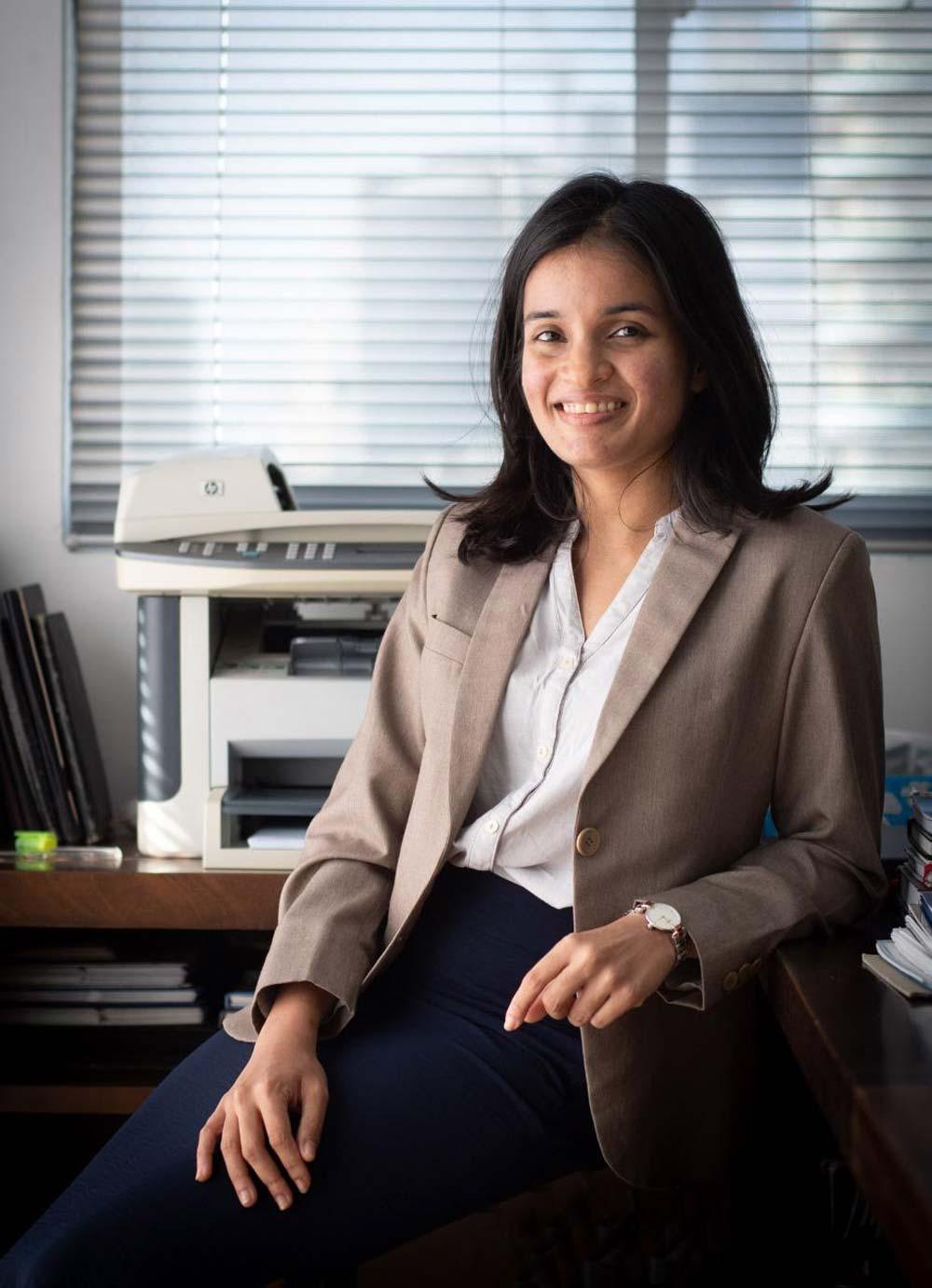
Nathasha
Family
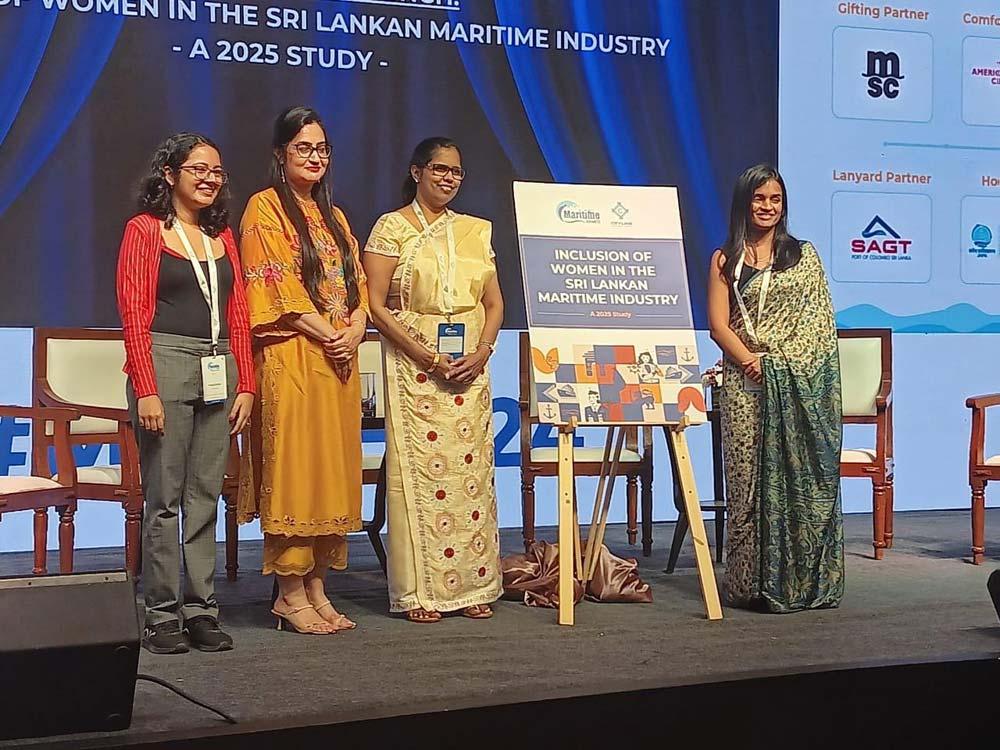
Maritime SheEO Event