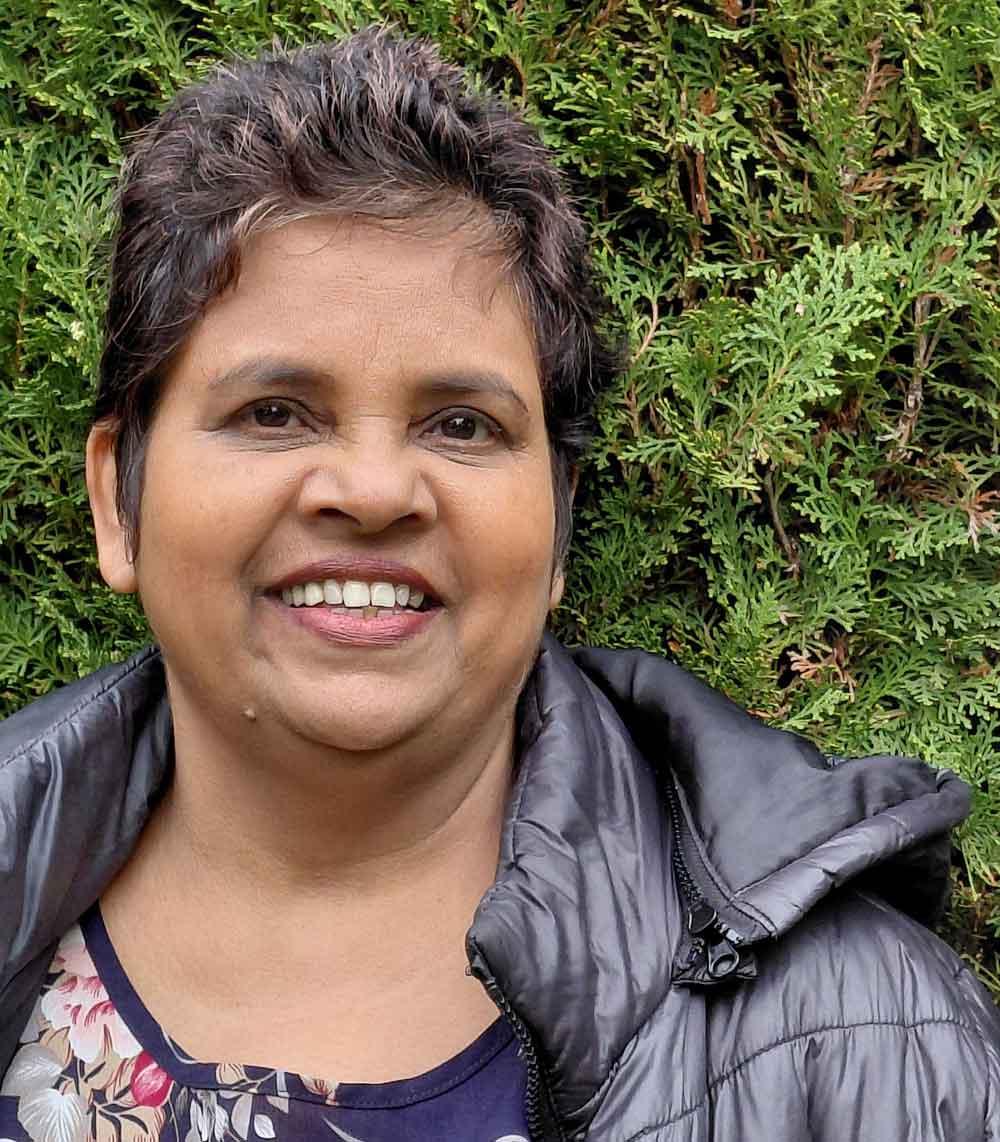
The Inspiring Journey of Srimali Senn
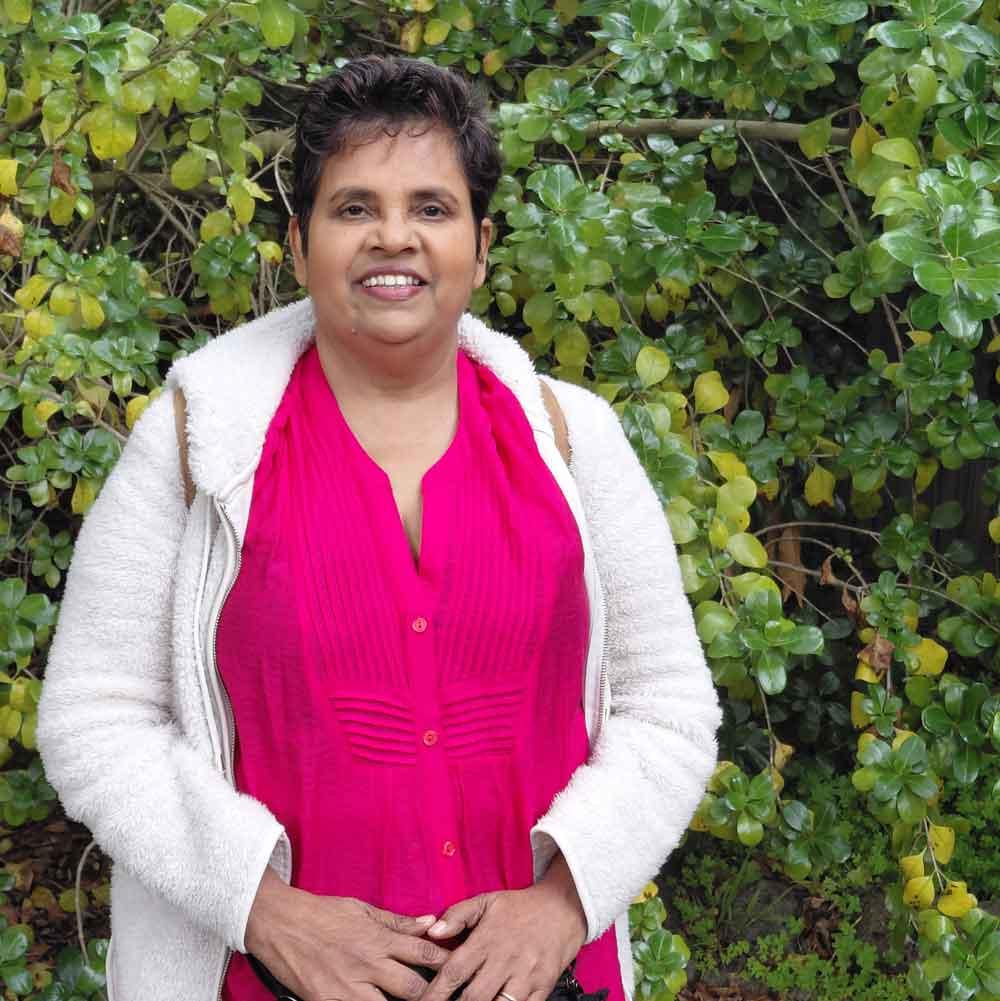
Her Story. Her Strength. By: Dr. Sulochana Segera
At an age when many begin to slow down, Srimali Senn is accelerating. At sixty-three, she is not only building Laravel portals and developing e commerce platforms but also mentoring a new generation of developers navigating a fast-changing digital world. Her story is not one shaped by ease or early opportunity. It is a journey defined by persistence, quiet courage, and an unshakable belief in her ability to grow beyond the limits placed around her. From a childhood marked by hardship to becoming a self-taught technologist and entrepreneur, Srimali’s life reflects a deeper truth about resilience. It is not always loud or visible. Sometimes it is simply the decision to keep going. Today, she stands as proof that learning has no age, reinvention is always possible, and passion can carry you further than circumstance ever could.
You have described your childhood as difficult and often discouraging. How did those early experiences shape who you are today?
I grew up feeling like I was never good enough. I was often overlooked and rejected, and I was usually given the hardest tasks. At the time, it felt painful and unfair, but looking back now, I see that those experiences built my strength. When life becomes difficult later, you do not break easily because you already know how to endure. There are parents who guide their children carefully and protect them from hardship. I did not have that kind of guidance. I had to make decisions on my own, often without knowing if they were right or wrong. I made mistakes, but I learned through those mistakes. That process taught me independence and resilience very early in life. It shaped my mindset. Instead of waiting for direction, I learned to move forward even when I was unsure. That has stayed with me throughout my journey.
You began your career as a stenographer. What first sparked your curiosity about computers and technology?
I have always loved learning new things. That curiosity has been with me for as long as I can remember. When I saw others around me starting to learn computers and pursue IT diplomas and degrees, I felt a strong desire to do the same. Unfortunately, I did not have the financial means to enroll in those courses at the time. There were institutions like DMS and Radio Shack offering training, and I wished I could attend, but it was simply not possible for me then. So, I took a different approach. Whenever I came across any opportunity to learn about computers, I absorbed it completely. I treated every small exposure like something valuable. I watched, I listened, and I practiced whenever I could. I learned to be resourceful, and that made a big difference.
Can you take us back to 1997? What did it feel like to be introduced to website design at a time when it was almost unknown in Sri Lanka?
It was a life changing moment. I was working as an Executive Secretary for a USAID project when my CEO noticed my interest in computers. He gave me the opportunity to learn website design. At that time, most people in Sri Lanka did not even know what a website was. A trainer came from the United States to teach us, and from the very beginning, I was fascinated. I knew instantly that this was something I wanted to pursue. It felt like discovering a new world. There was no Google back then to quickly look up answers. We used Netscape Navigator, and we relied heavily on books to learn coding and HTML. Even connecting to the internet required patience. You had to dial in and wait. Websites were designed offline, saved onto disks, and physically taken to clients to show them. It was a completely different environment from what we have today. Even academic institutions were still trying to understand where website design belonged. At one point, the University of Colombo had website design classes under the Faculty of Arts because it was seen as design rather than technology. That later changed, but it shows how new everything was. For me, it was exciting. I felt like I had found something meaningful.
You made the decision to leave your job to focus on motherhood. How did you balance that choice with your personal ambitions?
I was happy to dedicate time to my family, but my desire to work and learn never disappeared. It stayed with me quietly, always present. Whenever I had free time, I used it to learn something new. My interest in website development did not fade. In 1997, when I tried to explain websites to people, most of them did not understand what I was talking about. It was still too new. But I continued learning on my own. I loved reading, so I borrowed books from the British Council and practiced what I learned whenever I had the opportunity. It was not always easy to balance everything, but I did not see it as a conflict. I saw it as a journey that had different phases. Even during my time at home, I was preparing myself for what would come next.
What motivated you to return to learning and enroll at the University of Colombo School of Computing later in life?
I wanted to improve myself and deepen my knowledge. Technology changes very quickly, and I understood that if I wanted to be relevant, I needed to keep learning. In 2001, I enrolled at the University of Colombo School of Computing. I still remember an incident that stayed with me. A young boy once asked me why I did not go for a cookery class instead. I smiled at the time, but internally, it made me stronger. It reminded me that people often have limited expectations of what women, especially older women, should do. I used that moment as motivation. Technology requires continuous learning. The internet evolves, rules change, and platforms like Google constantly update how websites are evaluated and ranked. If you want to serve clients well, you must stay updated. That mindset pushed me forward.
Starting AM Web Designers in 2009 without formal business training must have been challenging. What were your biggest struggles in the early days?
Everything felt like a challenge in the beginning. I had no formal business training, no investors, and very little support. I had to figure everything out on my own. I attended trade fairs, handed out visiting cards, and spoke to anyone who was willing to listen. It required a lot of courage and persistence. Even within my own family, there were doubts. My husband once told me that I was not artistic enough to be a designer. That was difficult to hear, but I did not let it stop me. Another major challenge was helping people understand the value of having a website. At that time, many businesses did not see how a website could generate income or contribute to growth. I had to educate clients while also building my own credibility.
Building a company one client at a time requires patience. What kept you going during slow or uncertain periods?
My first client came after many attempts. He arrived on a bike and paid me to build a website. That moment meant everything to me. It was not just about the payment. It was about validation. It showed me that someone believed in my work. Today, his website ranks number one on Google, and he has become very successful. Seeing that growth is incredibly rewarding. I believe growing slowly is actually beneficial, especially in web development. When you have your first client, you treat that project with great care. You invest time, you learn deeply, and you grow alongside the work. That process teaches you a lot. It also makes you realise how much there is still to learn. There is always more knowledge to gain, and the best way to approach it is step by step. That understanding kept me grounded and motivated.
You often say you are the only older woman in the room at developer meetups. What goes through your mind when you walk into those spaces?
Most of the time, I am the only older woman in the group, although there are a few younger women as well. People often assume that I am only managing a business and delegating work to others. They do not realise that coding is my passion. Many people have advised me to focus on running the business and let others handle the technical work. But I cannot do that. I genuinely enjoy coding and learning new technologies. That is what drives me. In group settings, I have stopped trying to explain myself. Younger developers are often focused on their own work, and they may not fully understand my journey. I accept that. I attend these meetups to learn, observe, and grow. I stay quiet, enjoy the experience, and focus on what I can take away from it.
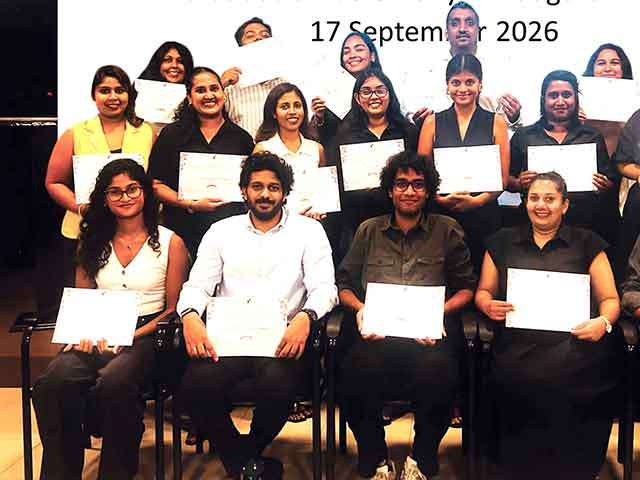
You now train developers, some of whom hold advanced degrees. What does it mean to you to be in a position to guide others?
It means a great deal to me. I started with no degree and no formal training in technology. I relied on determination and self-learning. Today, I am in a position to guide others, including those who have advanced academic qualifications. That shows that learning is not defined by where you begin. It is defined by how committed you are to improving yourself. Being able to share my knowledge and support others on their journey is something I am very proud of.
How would you like your story to inspire others who read this column?
We are living in a time where learning is more accessible than ever. With AI, it is like having a powerful teacher available to you at any moment. Even leading companies in places like Silicon Valley use AI in their work. There is so much that young people can do today, but I feel that many lack motivation. Opportunities are there, but they need to be recognized and used. For mothers especially, I want to say that life does not stop after raising a family. There is still so much you can contribute to the world, to your country, and to yourself. You just need to find your passion and follow it at your own pace. My journey shows that it is never too late to start, to learn, or to grow. If you have the desire, you can always move forward.