Chanel Faces Global Backlash Over Bhavitha Mandavi Met Gala Look Amid Racism Debate.
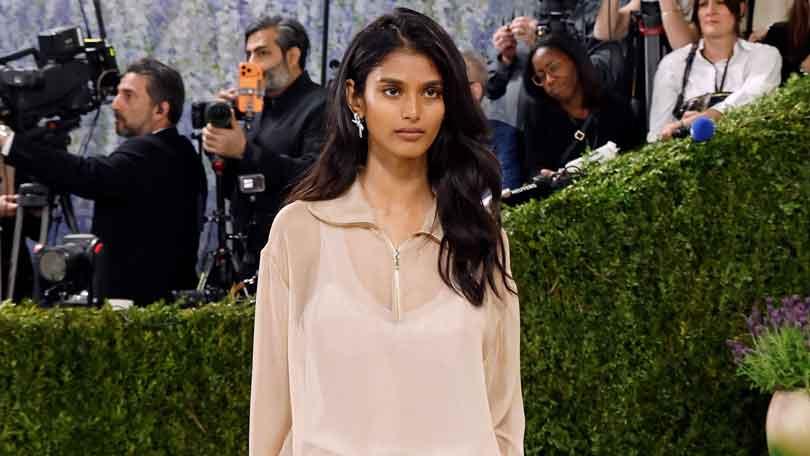
The global fashion world is once again confronting uncomfortable questions about power, perception and representation after Chanel dressed Bhavitha Mandavi in what many perceived to be an underwhelming and overly casual look at the Met Gala. What should have been a historic and celebratory moment has instead spiralled into a heated international debate about double standards, symbolism and whether race quietly shapes fashion’s biggest decisions.
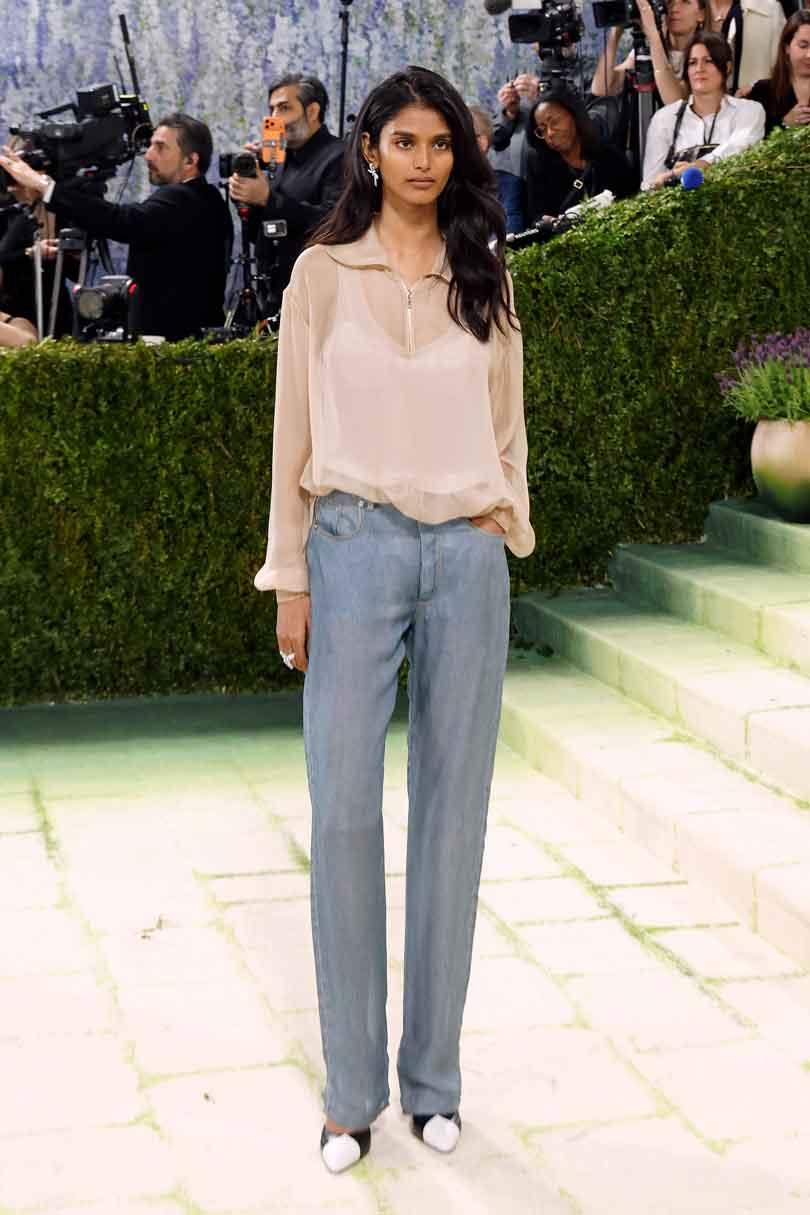
Mandavi’s appearance at the Met Gala carried enormous significance. As the first Indian model to open a Chanel show, her presence on one of the most watched red carpets in the world was not just personal but cultural. It represented visibility for South Asian models in an industry that has long been criticised for exclusion. Expectations were therefore high. Many assumed Chanel would use the moment to showcase both its craftsmanship and its respect for Mandavi’s milestone with a striking, memorable couture look.
Instead, what appeared on the red carpet left audiences confused. At first glance, Mandavi seemed to be wearing a denim inspired outfit paired with a minimalist top. While Chanel later clarified that the look was in fact a highly technical trompe l’oeil design crafted from luxury materials, the immediate visual impression dominated public reaction. For many, it simply did not look like Met Gala fashion.
The backlash has not been driven by a misunderstanding of technique. It has been driven by perception. Social media users across platforms quickly began questioning whether Chanel had failed Mandavi at a crucial moment. The most repeated criticism was that the outfit looked too casual for an event defined by extravagance and theatricality. The Met Gala is not merely a red carpet. It is a stage where designers demonstrate imagination at its most extreme. Against that backdrop, a look that reads as understated risks being interpreted as indifferent.
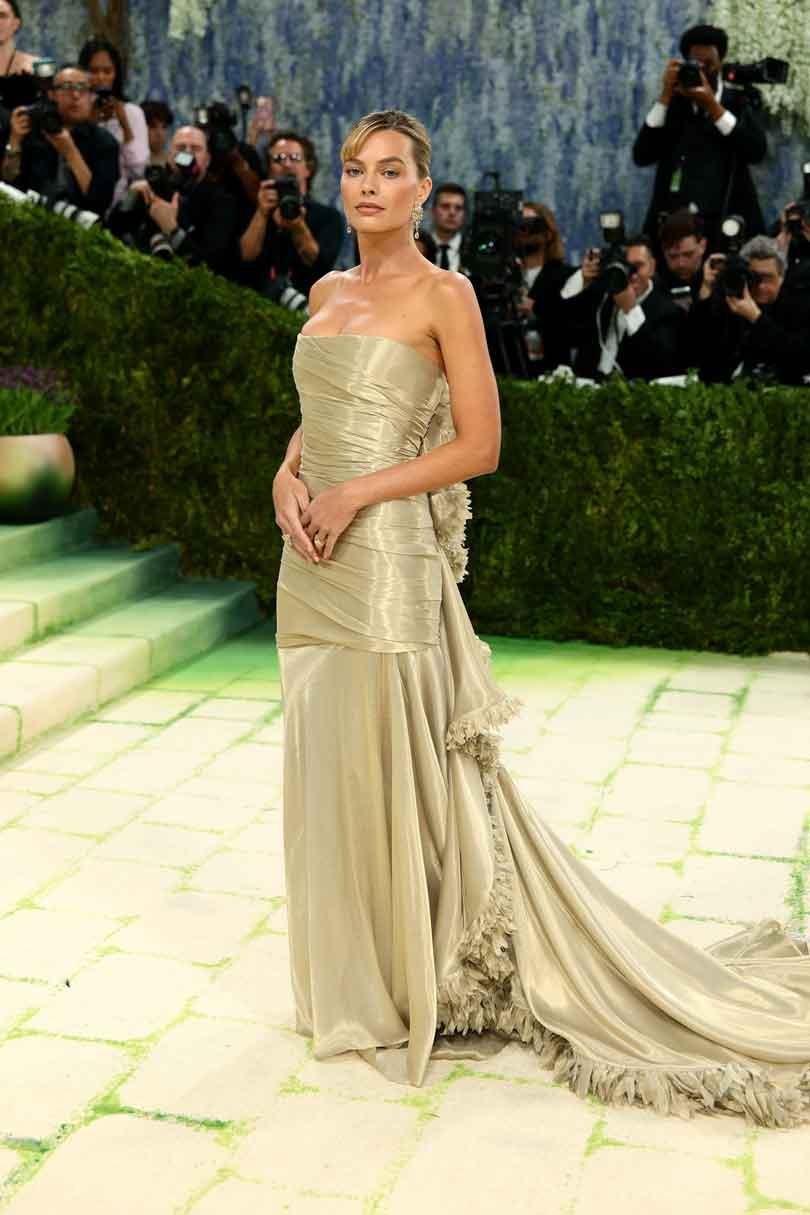
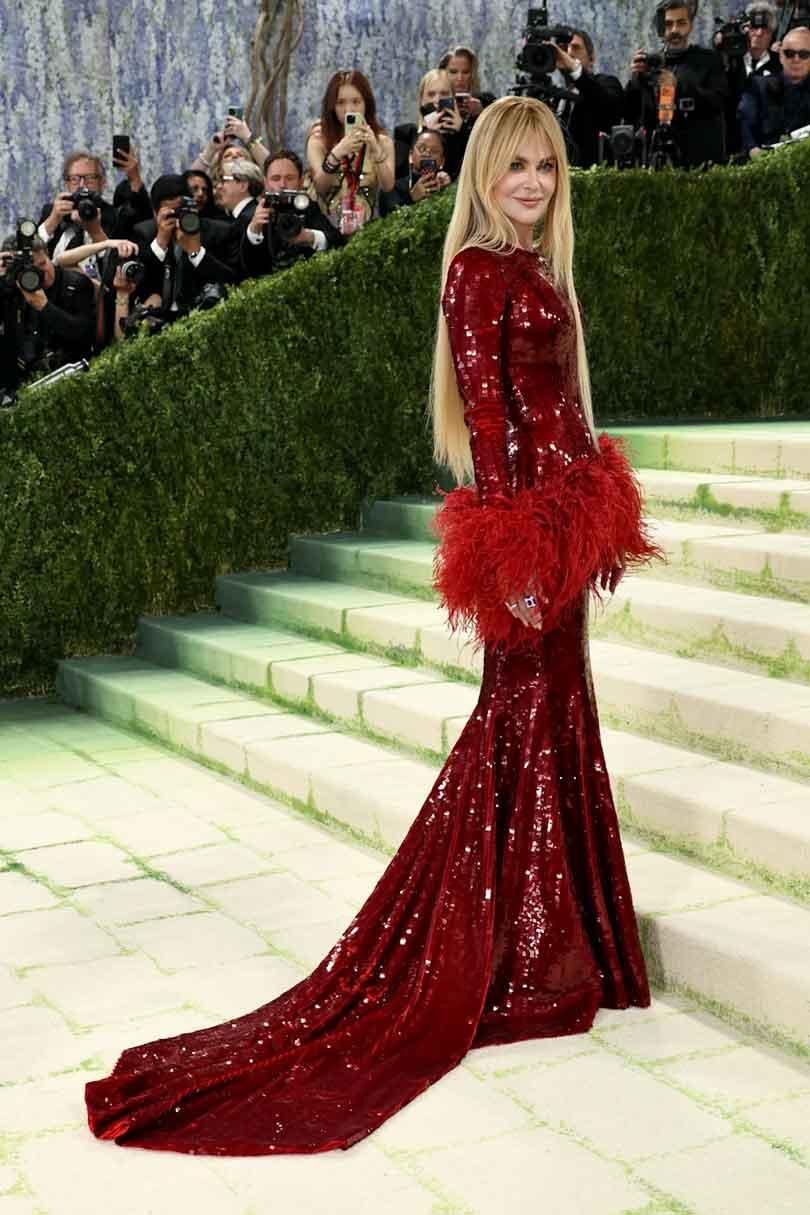
But the anger goes deeper than questions of dress code. Critics argue that Mandavi was denied the kind of transformative, showstopping styling routinely afforded to other Chanel ambassadors. The comparison that has ignited the most debate involves Margot Robbie and Nicole Kidman, both long associated with the brand. Social media users have pointed out that when these global stars appear in Chanel, they are almost always dressed in looks that emphasise glamour, drama and unmistakable luxury.
The question being asked, repeatedly and pointedly, is simple. Would Chanel have styled Robbie or Kidman in an outfit that could be mistaken for casual wear at the Met Gala. The overwhelming sentiment online is no. That answer has fuelled a much more serious accusation that what happened to Mandavi cannot be separated from broader issues of race and representation.
Many users have described the styling choice as a microaggression. This term is not being used lightly. In this context, it refers to a subtle but meaningful act that diminishes the importance of an individual’s moment. For Mandavi, critics argue, the Met Gala was not just another appearance. It was a rare and symbolic breakthrough. To dress her in a look that failed to communicate grandeur is seen by some as quietly undermining that achievement.
Others have gone further, directly accusing Chanel of racism. These accusations are rooted not in explicit statements but in perceived patterns. The argument is that fashion houses often reserve their most spectacular statements for Western celebrities while offering more restrained interpretations for models of colour. Whether intentional or not, critics say, the effect is the same. It reinforces a hierarchy of visibility and value.
Defenders of Chanel have pushed back strongly against these claims. They argue that the outfit was conceptually rich and technically impressive, pointing to the craftsmanship behind the illusion of denim. From this perspective, the look was not casual at all but rather a sophisticated commentary on modern luxury. Supporters also note that Chanel has a long history of understated elegance and that not every Met Gala appearance needs to conform to exaggerated spectacle.
Yet even this defence struggles to address the core issue raised by critics, which is not about craftsmanship but about impact. Fashion at the Met Gala is judged first and foremost by what it communicates visually. If an outfit requires explanation to be understood as couture, it risks failing in the context of an event built on immediate visual storytelling.
There is also the question of timing. For an established ambassador like Robbie or Kidman, an understated look might be interpreted as a deliberate stylistic choice within a long and celebrated relationship with the brand. For Mandavi, however, this was a defining moment. Critics argue that this distinction matters. When history is being made, subtlety can be misread as neglect.
The controversy has also highlighted how social media has transformed fashion criticism. In previous decades, such a debate might have remained confined to industry insiders. Today, millions of viewers participate in real time, bringing perspectives shaped by culture, identity and lived experience. This has made it much harder for brands to control narratives around their decisions.
Importantly, the anger surrounding this moment is not isolated. It connects to a broader conversation about diversity in fashion. While there has been visible progress in recent years, many believe that true equity has yet to be achieved. Representation on runways and campaigns is only one part of the equation. The way individuals are styled, presented and celebrated also carries meaning.
In Mandavi’s case, the feeling among critics is that an opportunity was missed. Instead of delivering a look that unequivocally celebrated her achievement, Chanel presented something that required explanation and defence. That gap between intention and reception is where the controversy lives. For many critics, what makes the moment even more frustrating is the missed creative opportunity. With Bhavitha Mandavi being of Indian origin, there was a powerful chance for Chanel to engage meaningfully with Indian art, textiles and design traditions. India offers an extraordinary visual language, from intricate embroidery and handwoven silks to centuries old craftsmanship and symbolic motifs. Incorporating even subtle references could have created a look that felt both globally relevant and culturally rooted, elevating Mandavi’s presence into something truly unforgettable. Instead, critics argue, the absence of any discernible cultural dialogue made the outfit feel detached from the significance of the moment, reinforcing the sense that a richer, more thoughtful narrative was left unexplored.
Chanel has not directly responded to the accusations of racism, and it is unlikely to do so in explicit terms. Luxury brands rarely engage in public debates at this level. However, the silence itself is being interpreted in different ways. Some see it as strategic restraint, while others view it as a failure to acknowledge legitimate concerns.
What is clear is that this moment will linger beyond a single red-carpet appearance. It has forced the fashion industry to confront uncomfortable questions about who gets to shine and how that shine is constructed. It has also demonstrated that audiences are no longer willing to accept decisions at face value. They are interrogating not just what is presented but why.
For Bhavitha Mandavi, the experience is undoubtedly complex. On one hand, she has achieved a historic milestone and gained global visibility. On the other, that visibility has been accompanied by a debate that places her at the centre of a controversy she did not create. The focus has shifted from her achievement to the choices made around her.
In the end, this is not just a story about one outfit. It is a story about expectation, symbolism and the evolving relationship between fashion and accountability. Whether Chanel intended to make a subtle artistic statement or simply misjudged the moment, the reaction reveals a growing demand for sensitivity and awareness in how cultural milestones are handled. The question that continues to echo across social media remains unresolved. Would this have happened if the ambassador were someone else. Until that question can be answered with confidence and consistency, the debate is unlikely to fade.