New Generation by Malinda Perera.
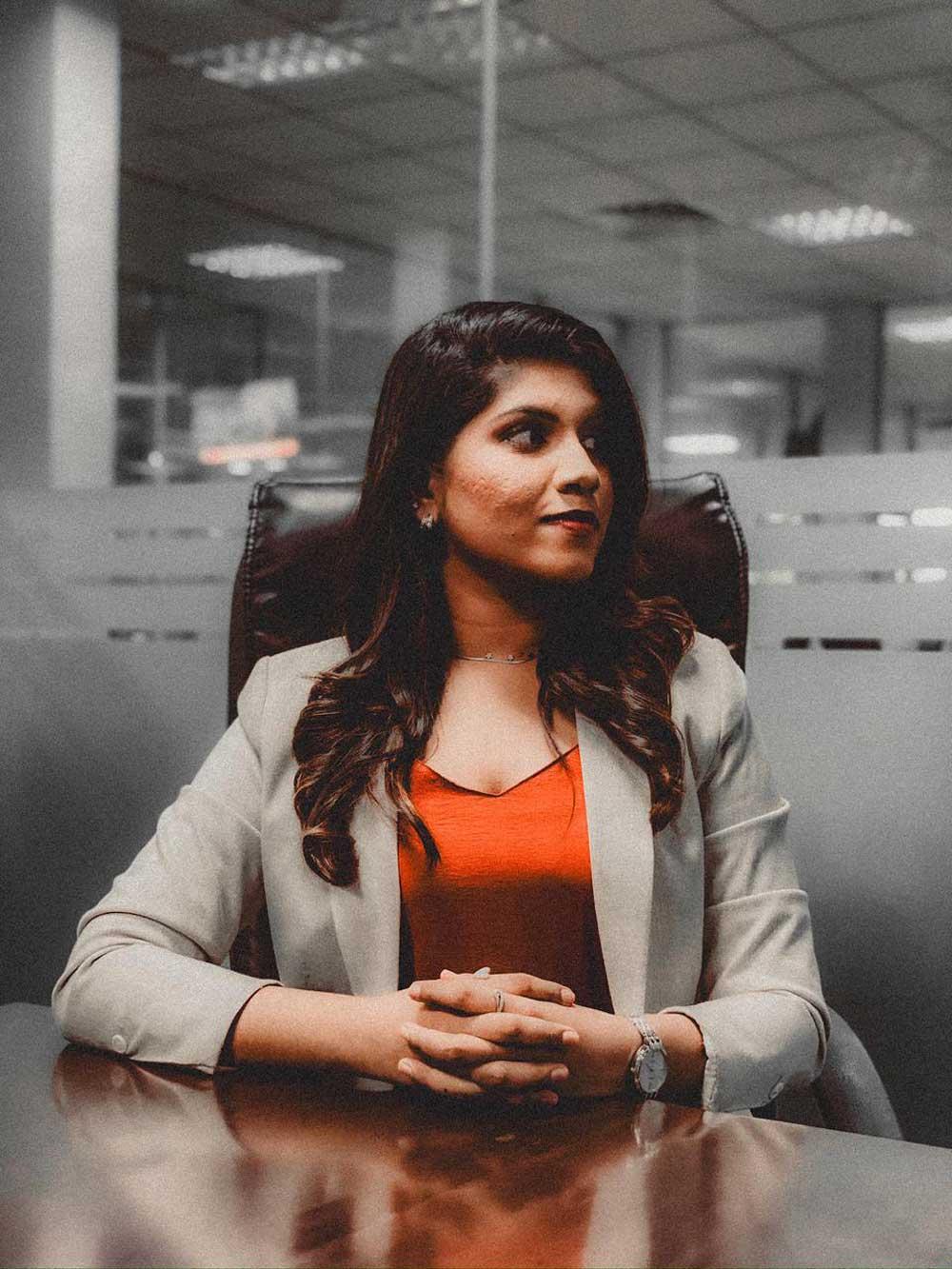
In Conversation with Prasansa Gunawardana
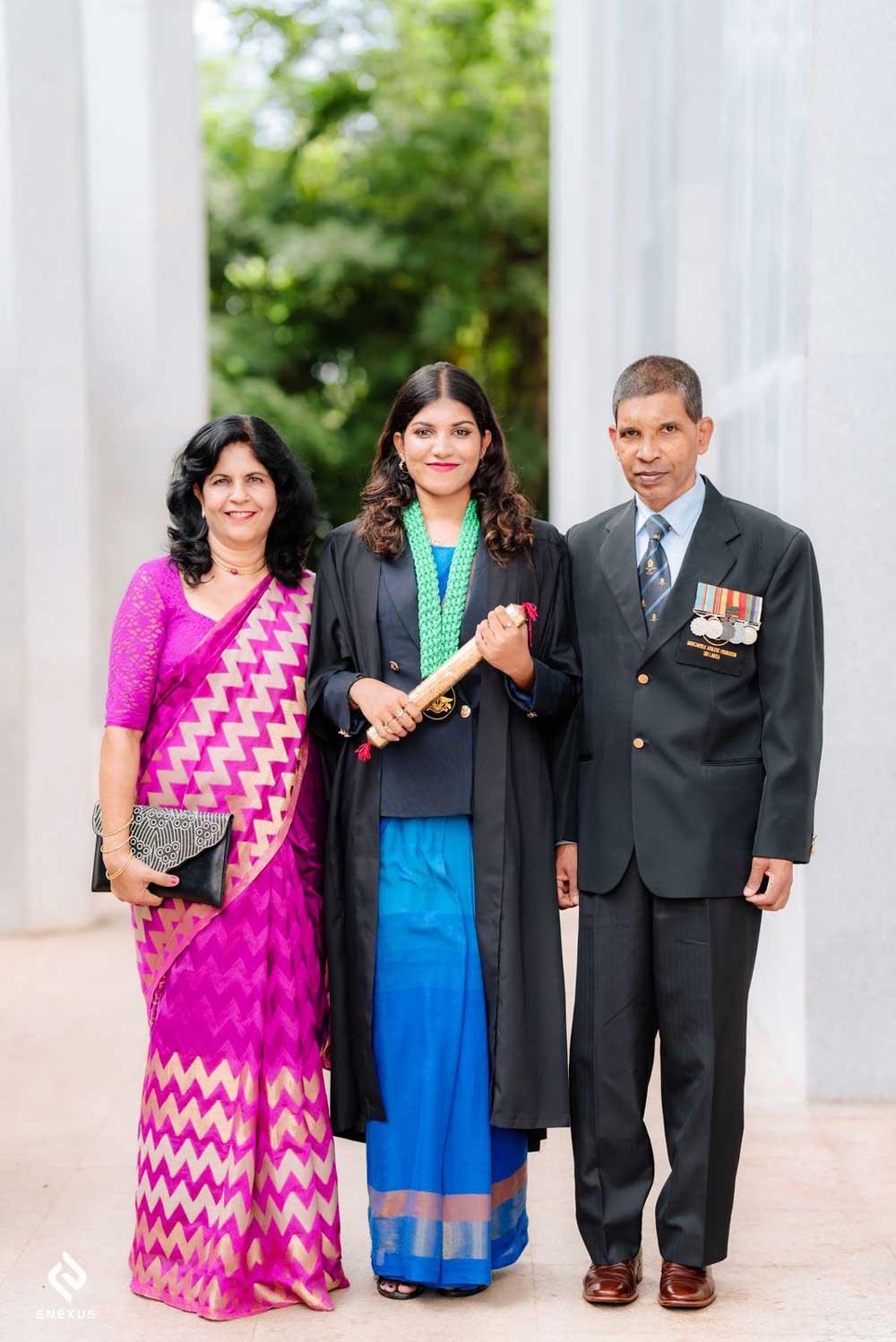
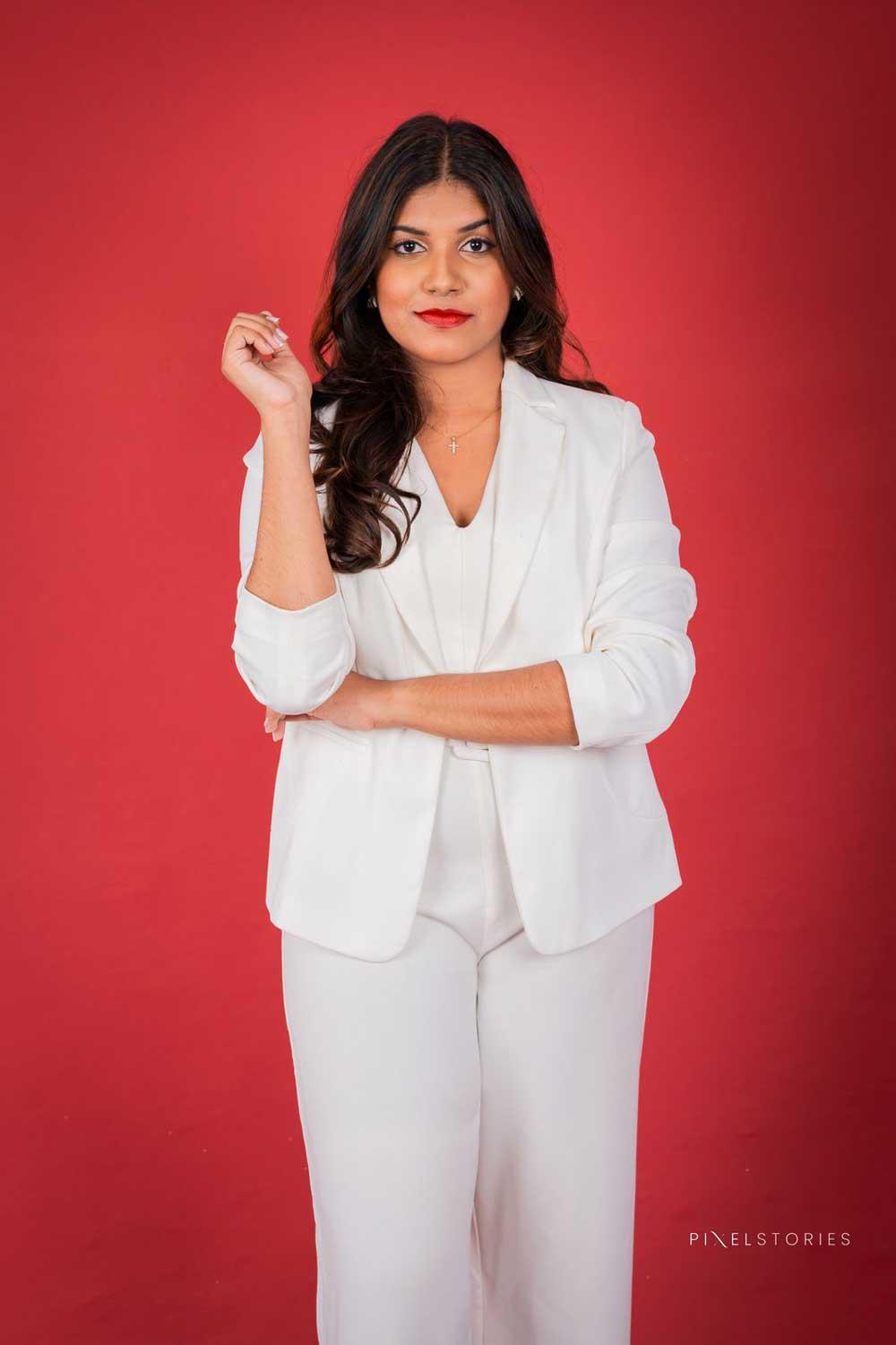
In an era where communication defines both influence and identity, Prasansa Gunawardana emerges as a distinctive and thoughtful voice of her generation. From her early days as a Head Prefect to her presence as a national television news anchor, her journey reflects not just ambition, but a steady commitment to growth, purpose, and authenticity. Today, she moves fluidly between roles as a media personality, researcher, and public speaking trainer, each rooted in her belief in the power of words to shape perspectives and create impact. Rather than a story of overnight success, her path has been shaped by resilience, self-reflection, and the willingness to evolve through challenges. In this conversation, she speaks candidly about navigating self-doubt, managing pressure, and staying grounded in a demanding industry. More importantly, she offers an honest and reassuring message to young people still finding their way, that uncertainty is not failure, but an essential part of becoming.
You have worn many hats including news anchor, researcher, and trainer. Which version of you feels the most real right now?
While I do take on multiple roles, the version of me that feels most authentic right now is the one connected to public speaking and communication. That has been a part of me for as long as I can remember. Even as a child, I was always drawn to being on stage, whether it was speaking at school events, performing at concerts, or taking part in elocution exams. Those moments never felt intimidating to me. Instead, they felt natural and exciting. Looking back, I can see how much those early experiences shaped my journey. Today, being a Toastmaster, a trainer, a public speaker, and a news anchor feels like everything has come full circle. It is fulfilling because something my parents encouraged from such a young age has now become central to who I am. What makes it even more meaningful is that communication is no longer just something that benefits me. It allows me to help others build confidence and find their voice. That sense of purpose is what makes this version of me feel the most real.
From Head Prefect to national television, your journey has been intense. Was there ever a moment you doubted yourself?
Yes, there have been many moments of self-doubt, especially when I was younger. I think it is something most people experience at some point. However, I have noticed that over time, those feelings have reduced as I have grown through different roles and responsibilities. Taking on leadership positions, entering the media industry, and working in national television have all taught me important lessons about myself and the world around me. I have come to understand that self-doubt often comes from both within and from external pressures such as expectations and comparisons. What I have learned is that doubting myself does not help me move forward. What actually helps is identifying my weaknesses, understanding what creates pressure, and working on those areas. Self-awareness combined with action has been far more valuable than simply questioning myself. So, while doubt has been part of my journey, learning how to respond to it has made the difference.
You have balanced academics and media at a high level. How do you manage pressure without burning out?
This is something I had to learn through experience. I have gone through pressure, exhaustion, and even burnout before I truly understood how to handle it better. One thing I strongly believe is that balance is not always realistic. Instead of trying to do everything perfectly, I focus on prioritising. There were times when I had to manage academics, media work, and multiple responsibilities at once, and I realised I could not give equal attention to everything. So, I learned to focus on what needed my attention most in a given moment. Some days that meant planning carefully, other days it meant saying no, and sometimes it meant stepping away completely to rest. I also make time for myself, whether that is through hobbies, quiet moments, or simply taking a break. Those moments remind me that I am more than my work. That perspective has helped me stay grounded and avoid burnout.
What drew you to storytelling through news, and what keeps you passionate about it today?
Storytelling through news is closely connected to a dream I have had since childhood. I always wanted to be someone who could communicate meaningfully and make an impact through words. Over time, I explored different forms of communication such as speaking, announcing, and presenting, and I began to understand how powerful communication can be. At first, I simply enjoyed speaking. But as I grew older, I realised that meaningful communication could inform, influence, and shape how people understand the world. My journey into media started small. After school, I took on freelance hosting and compering opportunities, slowly building experience and confidence. It was not an overnight process, but it was a valuable one. What keeps me passionate today is knowing that I have turned something I loved as a child into something meaningful. It gives me a sense of fulfilment, and I often feel that my younger self would be proud of the path I have taken.
You have represented Sri Lanka internationally. Did that change how you see yourself or your country?
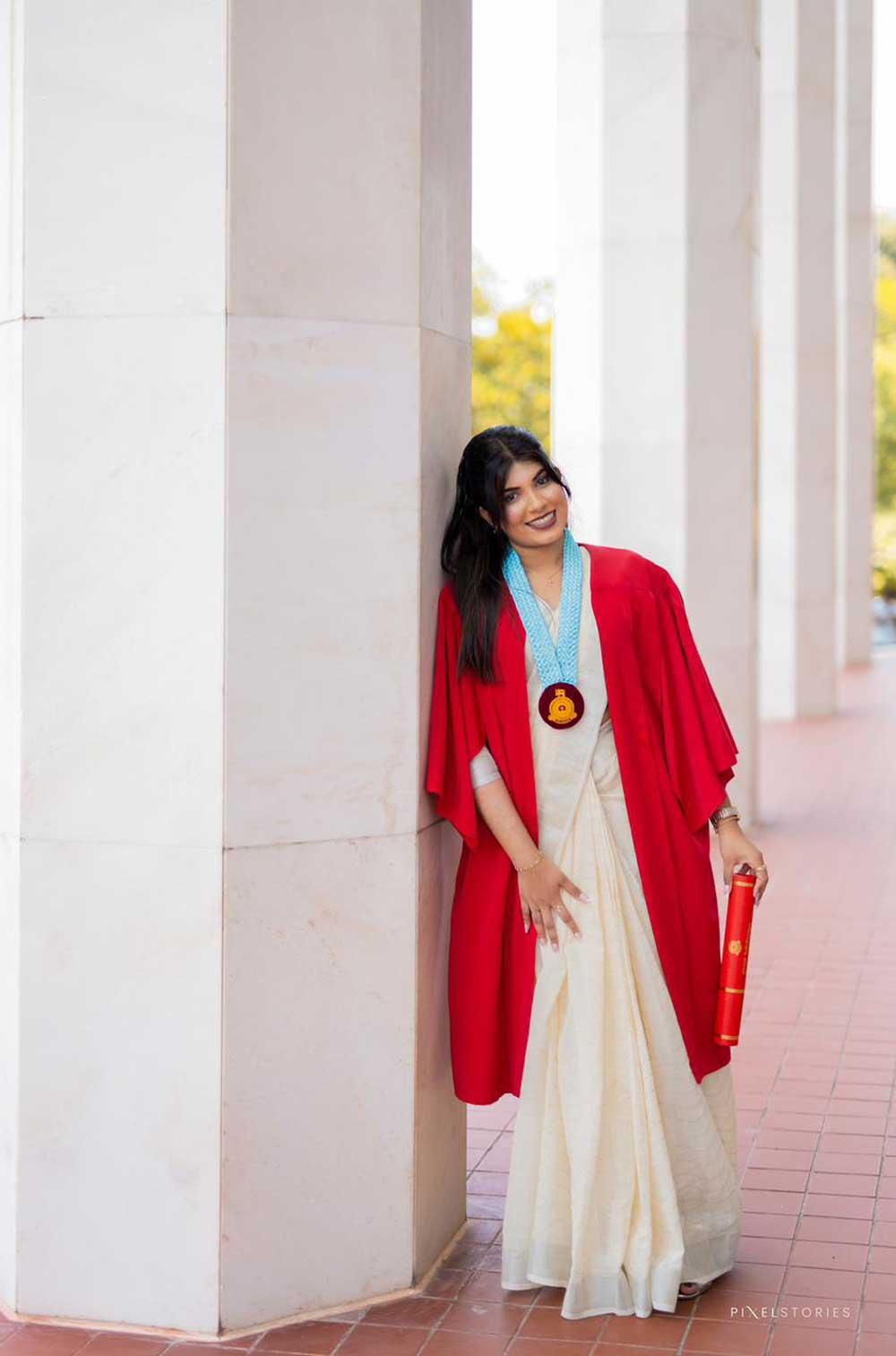
Yes, those experiences had a significant impact on me, but in different ways at different stages of my life. When I travelled to India in 2012 as a school student, it was more of a personal experience. It helped me realise that I was capable of stepping beyond my comfort zone and exploring new opportunities. However, my experience in Hungary in 2019 during a global volunteering project had a much deeper impact. It shifted my perspective from focusing on myself to thinking about how I could contribute to society. I began to see how my skills, especially in communication, could be used for a greater purpose. That experience influenced my academic and professional direction, leading me towards areas such as international relations, communication, and public engagement. It showed me that communication can be a powerful tool for awareness and change.
Public speaking is a huge part of your life. Were you always confident, or did you build that over time?
I think it is a combination of both. My parents played a major role in helping me build confidence from a young age by encouraging me to participate in activities that required me to perform and speak in front of others. At the time, I may not have fully understood the purpose, but those experiences created a strong foundation. As I grew older, that confidence developed further through education, exposure, and experience. Platforms like Toastmasters and New Generation Sri Lanka gave me opportunities to refine my skills and use my voice more effectively. Confidence, in my opinion, is something that evolves over time. As a child, I may have had the initial spark, but through consistent effort and learning, that spark became stronger. When you continue to invest in yourself and show up, growth becomes inevitable.
Your research focuses on serious global issues. How do you make those topics relevant to young people?
Through my studies and research, I have worked on areas such as cybersecurity, gender equality, and women’s rights. While these topics may seem complex, they are closely connected to our everyday lives. I think many young people feel that global issues are distant or not directly relevant to them. However, when you look deeper, you realise that these issues affect our opportunities, safety, and future. For example, gender equality is not just about advocacy. It is about understanding how society functions and how opportunities are distributed. Similarly, climate issues can connect to economic challenges, social pressures, and even personal experiences. It is important for young people to go beyond what they see on social media, to read, question, and form informed opinions. These are not just global topics. They are human issues that affect all of us.
What is one behind the scenes reality of being a television presenter that people do not see?
One of the biggest realities is that what people see on screen is only a small part of the work. A lot happens behind the scenes. One important aspect is managing the line between public and private life. As a presenter, you are constantly visible, and people often form expectations about how you should behave. Staying responsible while remaining true to yourself can be challenging. Another reality is the importance of teamwork. Behind every presenter is a team of producers, editors, camera crew, and many others who contribute to the final product. There is also a lot of preparation involved, including long hours and maintaining a certain level of presentation throughout the day. While it may appear effortless on screen, it requires a great deal of effort. At the same time, it is important to remember that presenters are still human. We have our own lives, emotions, and personalities beyond what is shown on screen.
Looking back, what is one decision that quietly changed the course of your life?
Going to Hungary in 2019 for a global volunteering project was a turning point for me. At the time, it did not seem like a life changing decision, but it had a lasting impact. It helped me understand who I am, what I am capable of, and how I want to use my skills. Being exposed to different cultures and perspectives broadened my thinking and clarified my direction.
That experience influenced my career path and encouraged me to pursue work that combines communication, international engagement, and social impact. Even now, I see it as a defining moment in my journey.
If a young person is reading this and feels lost, what would you honestly tell them?
I would say that it is completely okay to feel lost. It is okay to feel confused, to fail, and to not have everything figured out. That is part of being human. What matters is not staying in that place forever. Try to understand what gives you purpose, what you enjoy, and what your strengths are. You do not need to see the entire path ahead. Sometimes, taking the first step is enough. Be open to opportunities, even if they feel uncomfortable. Growth often happens outside your comfort zone. When I was younger, I did not realise that small opportunities would shape my future, but they did. So, take chances, invest in yourself, and challenge your limits. Most importantly, believe in yourself. The world will always have opinions, but those opinions should not define your life.