The Afterlife of Clothing
BEYOND THE SEAMS BY SHRI AMARASINGHE
The Afterlife of Clothing
The fashion industry speaks fluently about sustainability. Circularity has become its favourite language, polished, persuasive, and everywhere. Yet for all the talk, the system is still looking at the issue through the wrong end of the telescope. We are focusing intently on how things begin, materials, sourcing, production, while barely confronting how they end. The truth is that fashion’s real crisis does not sit in the design studio or even on the factory floor. It begins the moment a garment leaves the store.
The Illusion of Progress
Over the past decade, the industry has made visible strides. There is more transparency than ever before, with brands tracing fibres back to farms, mapping supply chains, and speaking in detail about ethical production. Digital tools, certifications, and sustainability reports have created the impression of a system evolving in the right direction. But this progress is only partial. Traceability, for the most part, still ends at the point of sale. The story stops when the receipt is printed, and what happens next, how long a garment is worn, where it travels, and how it is eventually discarded, remains largely invisible. This is not a minor gap; it is the missing half of the system.
Resale: A Convenient Narrative
The industry’s growing enthusiasm for resale reflects this imbalance. On the surface, resale appears to be a step towards circularity, with brands promoting “pre-loved” platforms and partnerships with third-party marketplaces. The language is reassuring, suggesting extended product life and reduced waste. However, in practice, what many brands call resale is often the redistribution of excess, unsold inventory, returns, or deadstock that never truly entered circulation. While this approach is commercially sensible and reduces waste at the production stage, it is not the same as taking back worn garments and reintegrating them into the community. True resale involves engaging with clothing after it has been used, requiring systems for collection, sorting, cleaning, redistribution, and often repair. It is complex and less predictable, which is precisely why it remains underdeveloped within brand-led initiatives.
The Quiet Power of Reuse
In contrast, reuse remains one of the most powerful yet overlooked aspects of circular fashion. Extending the life of a garment, even by a few months, can significantly reduce its overall environmental impact. It delays disposal, reduces the need for new production, and maximises the value already embedded in materials, labour, and energy. Unlike many of the industry’s newer solutions, reuse is not theoretical.
It has been happening for decades through secondhand markets, charity shops, informal trading networks, and social enterprises. These systems operate across continents, connecting wardrobes in the Global North to livelihoods in the Global South. They are resilient, adaptive, and deeply embedded in local economies, yet they receive little recognition or support from the brands whose products they manage.
Recycling: The Overstated Solution
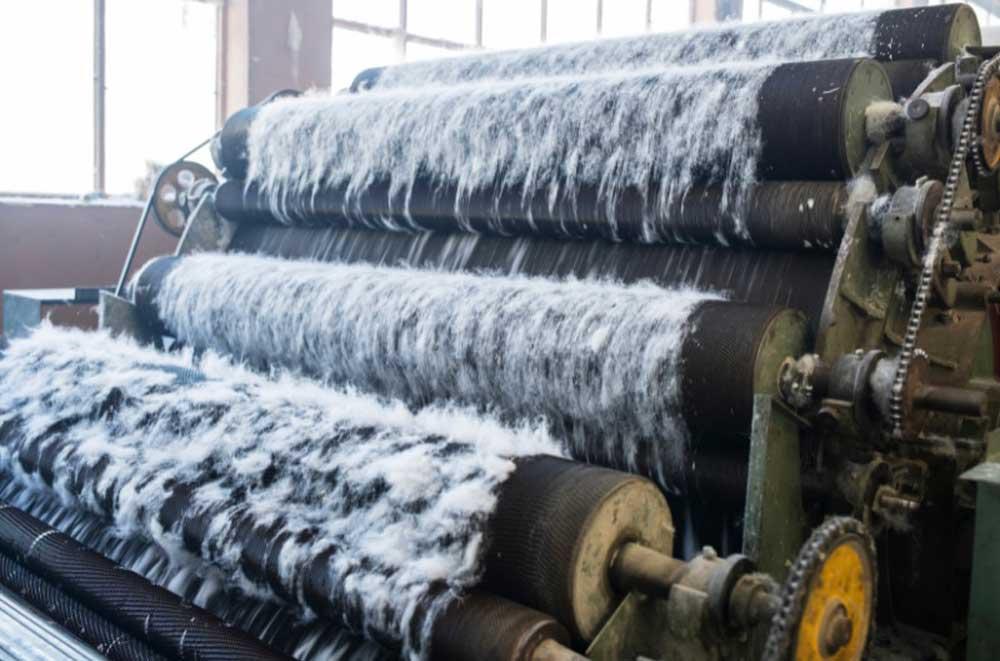
Recycling, meanwhile, is often presented as the industry’s ultimate solution to waste. Advances in technology promise fibre-to-fibre regeneration and closed-loop systems, creating the illusion of an endless cycle. While these innovations are important, they are not yet viable at scale. Most garments produced today are not designed for recycling, as blended fibres, chemical dyes, and complex construction methods make separation and processing difficult. Even when recycling is technically possible, it is often economically unfeasible. More importantly, recycling addresses the problem too late. By the time a garment reaches this stage, much of its original value has already been lost. The priority should be to keep products in use for as long as possible, placing reuse before recycling and considering recycling only when a product can no longer be worn.
The Blind Spot
At the heart of the issue lies a deeper problem: a lack of accountability for what happens after purchase. Most brands have little to no visibility into the afterlife of their products. They do not know how many garments are resold, reused, recycled, or discarded. This blind spot is where the greatest environmental and social impacts occur. Vast quantities of clothing move through complex global systems, being sorted, traded, repurposed, or dumped. Entire economies have developed around this flow, particularly in regions that receive large volumes of secondhand goods. These systems are not peripheral; they are essential, absorbing the excess generated by an industry built on overproduction and rapid consumption.
The Unseen Infrastructure
Within this landscape, charity retailers, social enterprises, informal traders, and waste workers form the backbone of circular fashion. They are the ones collecting garments from donation bins, sorting through mixed textiles, identifying what can be resold, what can be repurposed, and what must be discarded. They navigate the complexities of quality, demand, and logistics across different markets, effectively managing the afterlife of clothing. Despite their critical role, they remain largely invisible within the industry’s sustainability narrative. This disconnect reveals a fundamental contradiction: an industry that speaks of circularity while overlooking the systems that make it possible is not yet addressing the full reality of its impact.
Rethinking Responsibility
If fashion is serious about circularity, it must extend its sense of responsibility beyond the point of sale. This requires a fundamental shift in perspective. It means recognising that a product’s journey continues long after it is sold, moving through multiple lives and contexts, often far beyond the brand’s immediate reach. It means investing in systems that support reuse, not just by creating new platforms but by strengthening existing ones. It also requires designing products with longevity in mind, not only in terms of durability but also repairability, adaptability, and eventual recyclability. Emerging tools such as digital product passports offer a potential pathway forward, enabling products to carry information that persists beyond the initial transaction. These systems could help track how garments move through different stages of use, providing insights into their lifecycle and enabling more informed decision-making. However, technology alone is not enough. Without a genuine commitment to accountability, such tools risk becoming another layer of storytelling rather than a driver of meaningful change.
Moving Forward
The path towards true circularity is neither simple nor linear. It is not defined by a single innovation, material, or platform, but by a broader rethinking of value, responsibility, and time within the industry. Prioritising reuse over recycling is a necessary starting point. Supporting the organisations and communities that manage post-consumer textiles is essential. Extending traceability beyond the point of sale is critical. Above all, recognising that circular fashion depends on those doing the “afterlife” work is fundamental.
A Shift in Perspective
Circularity does not begin in the design studio. It begins with accountability, not just for where clothing comes from, but for where it goes. Until the industry embraces this reality, sustainability will remain incomplete, a story told from one end of the telescope while the other half remains out of focus. The challenge now is to turn the lens around and see, clearly, the full life of what we create.