Fast Fashion Was Never Cheap: We Just Paid for It Differently


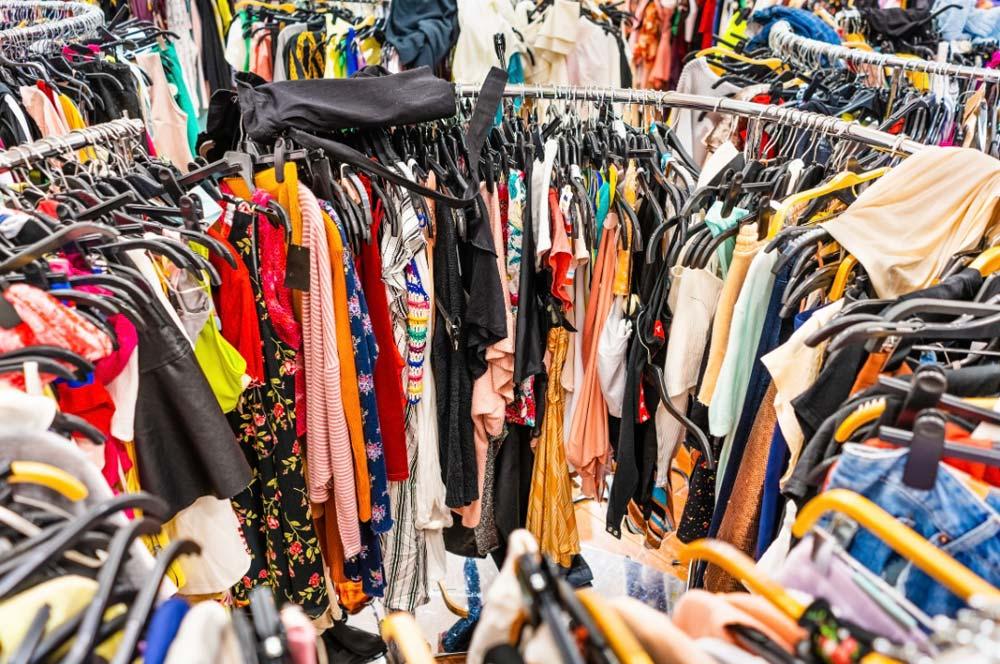
Walk into any mall today and you will find racks of clothing cheaper than a meal, a dress for less than dinner, a top for the price of a coffee. We call it affordability. But fast fashion was never actually cheap. It only appears that way because we have been conditioned to look at the wrong number- the price tag - while ignoring everything else that goes into making a garment.
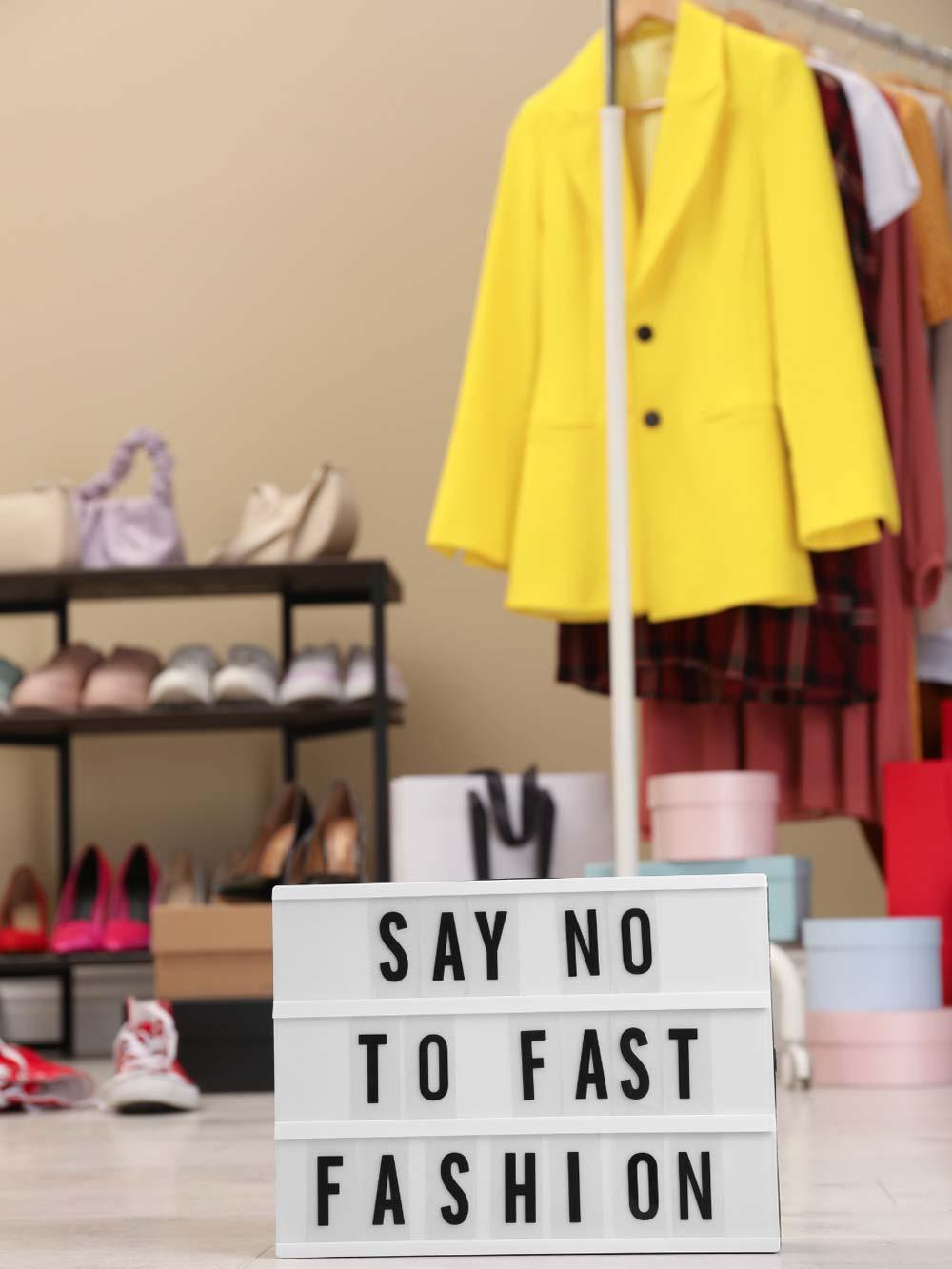 The Math That Doesn’t Add Up
The logic seems simple, you buy ten items at $50 each and it’s all going to cost $500
If you wear them once or twice, they lose shape, fade, or fall out of trend and by the end of the season, they are forgotten. In contrast, one well-made garment might cost the same $300 or $500, but you wear it repeatedly. It becomes part of your wardrobe, part of your identity. Over time, it costs less, not more. Yet we continue to choose quantity over longevity, because fast fashion does not sell clothing. It sells the illusion of more.
The Hidden Costs Behind the Price Tag
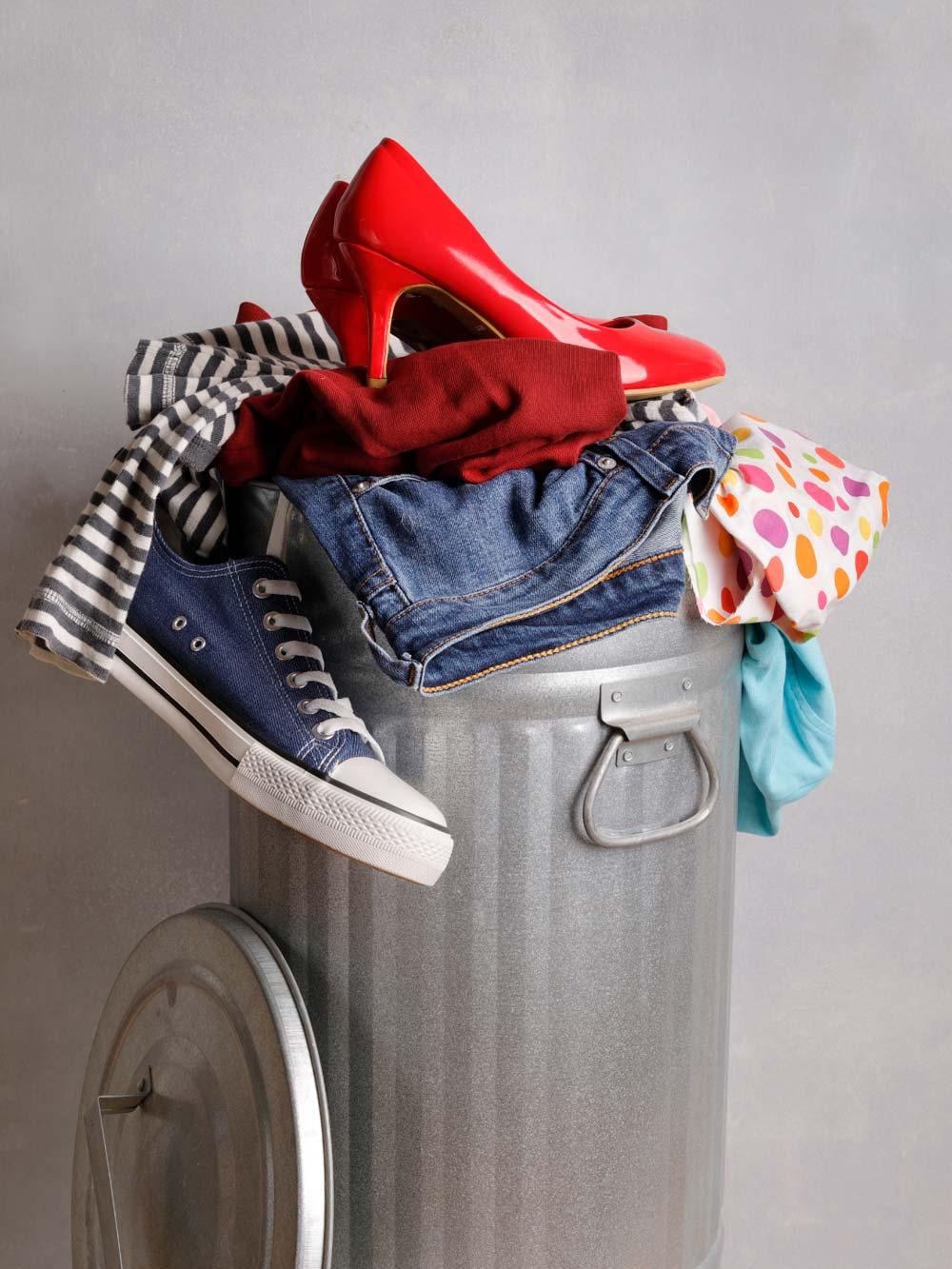
The real cost of fast fashion is not paid at checkout, it is paid elsewhere. It is paid by garment workers across the world who work long hours for wages that often do not reflect the true value of their labour. It is paid by the environment, through polluted rivers, synthetic fibres shedding microplastics, and mountains of discarded clothing filling landfills. And increasingly, it is paid through the erosion of traditional skills. Because when speed becomes the priority, craftsmanship becomes expendable.
A Sri Lankan Reality
This is where the conversation comes closer to home. Sri Lanka’s economy is deeply tied to garment exports, one of the country’s largest industries, employing hundreds of thousands of people and contributing significantly to national revenue. Yet within this system lies a quiet contradiction: while we are globally recognized for quality manufacturing and relatively strong ethical production standards, we are also embedded in a global supply chain driven by speed, volume, and relentless cost-cutting. At the same time, traditional crafts such as handloom weaving, batik, and beeralu lace remain on the margins. These are not merely techniques, but complex systems of knowledge passed down through generations, carrying cultural identity, regional histories, and deeply human skill. And yet, they struggle to compete with mass production, not because they lack value, but because the modern market has been conditioned to undervalue time.
Speed Has Replaced Meaning
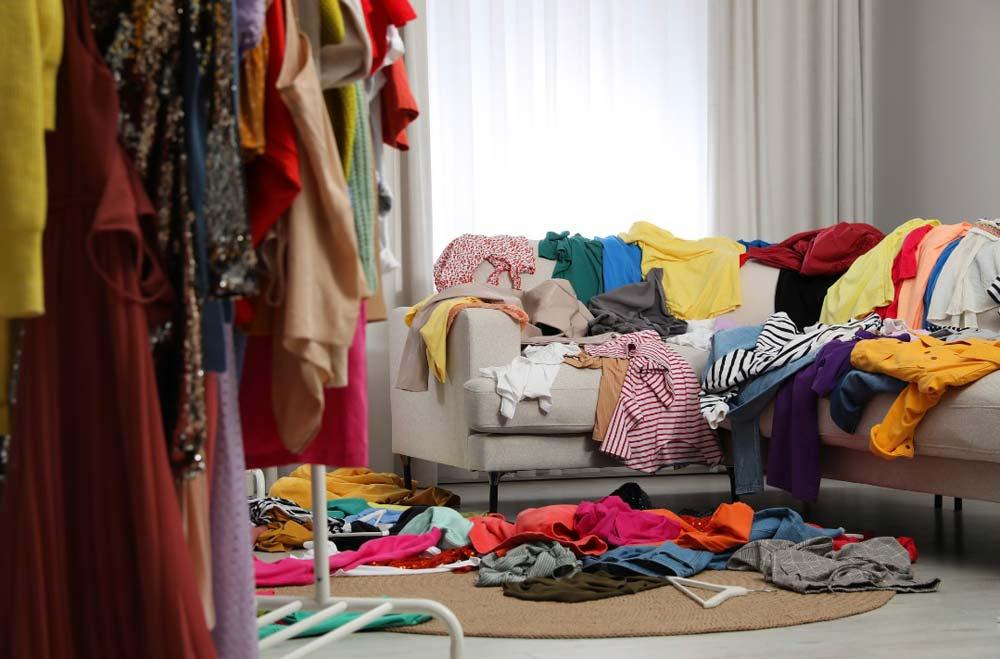
We live in a culture that rewards speed, faster production, faster delivery, faster trends, and this pace has reshaped not only how we consume fashion, but how we relate to it. We scroll faster, buy faster, and replace faster, turning what was once deeply personal into something increasingly transactional. Clothing, which was once made to last, repaired when damaged, and passed down through generations, is now often designed with a deliberately short lifespan. This is not because it has to be, but because the system depends on it; the faster a garment becomes obsolete, the faster we are encouraged to buy again, feeding a cycle where meaning is quietly replaced by momentum.
The Psychology of Cheap
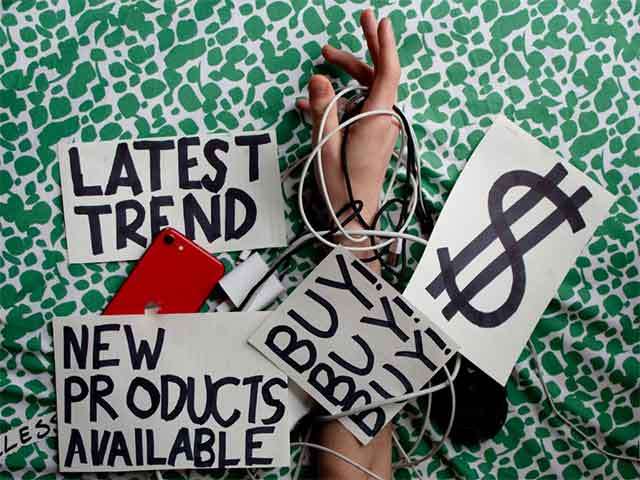
Fast fashion works not only because it is affordable, but because it is psychologically compelling, tapping into our desire for constant novelty, the excitement of something new, and the illusion of endless choice. Over time, however, this creates a quiet sense of detachment, where the abundance of options begins to dilute meaning. When everything is replaceable, nothing truly feels valuable, and we stop forming relationships with the things we own. Clothing becomes temporary, interchangeable, and disposable, and gradually, this mindset extends beyond fashion, shaping how we value, and devalue, other aspects of our lives as well.
What True Value Looks Like
The definition of value is quietly shifting, moving away from how little something costs toward how long it lasts, how it is made, and what it represents. True value lies not in price, but in longevity, craftsmanship, and meaning. A well-made garment carries more than function; it carries intention. A handwoven textile holds the rhythm of the loom, a piece of lace reflects hours of human focus, and a crafted garment carries the presence of the person who made it. These are qualities that cannot be replicated at speed, and it is precisely this depth that gives them their worth.
The Economics of “Cheap”
Fast fashion does not eliminate cost; it simply redistributes it. While consumers may pay less upfront, the system absorbs the difference elsewhere, often in ways that remain invisible. Governments bear the burden through environmental management and cleanup, communities experience the gradual decline of traditional industries, and workers face suppressed wages and unstable livelihoods. Over time, these hidden costs return to us, economically, socially, and environmentally, reminding us that cheap is never truly cheap, but rather a cost deferred.
From Consumption to Intention
This is not about rejecting fashion, but about rethinking how we engage with it. What if we shifted from consumption to curation, from asking “How much can I buy?” to asking “What is worth owning?” It is about choosing fewer pieces but choosing them better, investing in garments that last not only physically but emotionally. It is about building wardrobes that evolve with us over time, rather than expire with each passing season.
A More Conscious Way Forward
Change does not require perfection; it begins with awareness. It starts with small, deliberate choices, choosing one well-made garment instead of several disposable ones, supporting brands that prioritize people and process, and recognizing the true value of craftsmanship. As consumers, every purchase is a decision, and collectively, those decisions shape the direction of the industry.
Looking Beyond the Seams
Fast fashion has conditioned us to see clothing as temporary, but when we look beyond the seams, into the systems, labour, and stories behind what we wear, we begin to understand its true cost. Fashion was never meant to be disposable; it was meant to be expressive, meaningful, and enduring. And perhaps the real question is not whether we can afford better clothing, but whether we can afford not to.