Is Fashion’s sustainable hype dying?
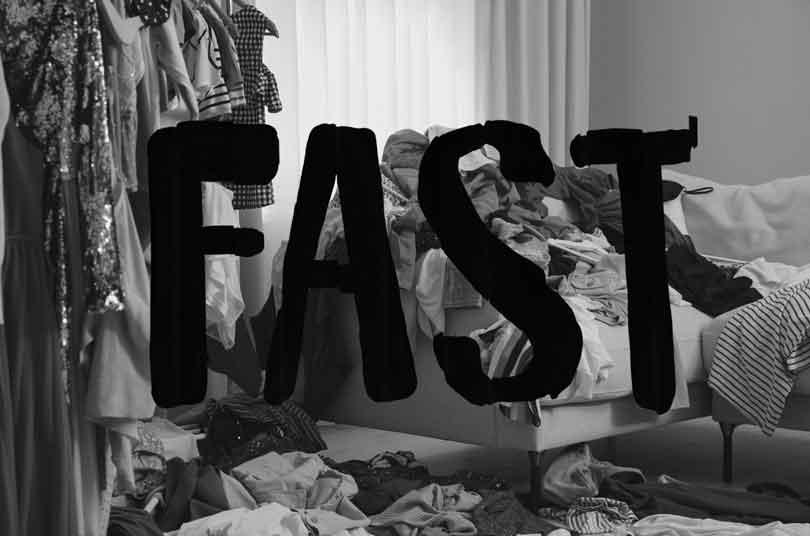
There is an uncomfortable truth the fashion industry needs to admit: sustainability is not “hot” right now. The buzz has faded. The hashtags have slowed. Venture capital has moved on to AI. Brands that once filled campaigns with words like conscious, ethical, and circular are quietly changing the subject. Sustainability departments are shrinking. Diversity teams are disappearing. Climate commitments are being softened, delayed, or strategically forgotten. And honestly, that might not be the worst thing. Because sustainability was never supposed to be a popularity contest.
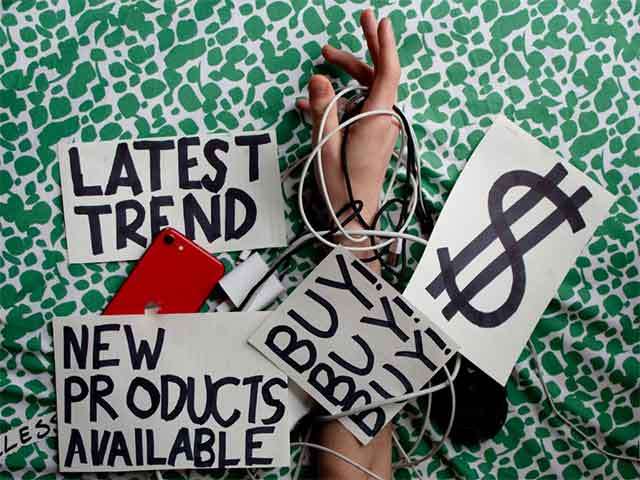
For years, the movement became entangled with aesthetics, branding, and trend cycles. Sustainability was packaged into soft earth tones, minimalist typography, linen shirts, reusable coffee cups, and curated “eco lifestyles” designed for Instagram feeds. Somewhere along the way, the industry managed to turn systemic collapse into a marketing moodboard. But climate breakdown is not an aesthetic. Worker exploitation is not a branding opportunity. And circularity alone will not save us. Perhaps this cultural cooling-off period is exactly what the movement needs. Perhaps this is the moment to strip sustainability back down to its foundations and ask harder questions about what fashion actually is, who it serves, and who ultimately pays the price for it.
The problem with “sustainable” fashion
Despite all the glossy reports and sustainability capsules, the core business model of fashion has remained almost entirely untouched. The industry still depends on overproduction. It still relies on cheap labour concentrated in the Global South. It still extracts resources at impossible speeds. It still encourages consumers to endlessly reinvent themselves through shopping. And it still treats economic growth as non-negotiable, even on a planet with finite limits. No amount of recycled polyester can solve that contradiction.
For too long, the sustainability conversation has focused on making the existing system slightly less harmful rather than questioning whether the system itself is fundamentally broken. We have become obsessed with technological fixes, innovation buzzwords, and consumer-facing solutions because they feel easier than confronting power. Circularity became fashion’s favourite escape route. On paper, circularity sounds transformative: recycle materials, design out waste, keep products in use for longer. Of course, these ideas matter. Waste reduction matters. Repair matters. Recycling matters. But increasingly, circularity has been used as a way to avoid discussing the industry’s most uncomfortable truth: fashion simply produces far too much.
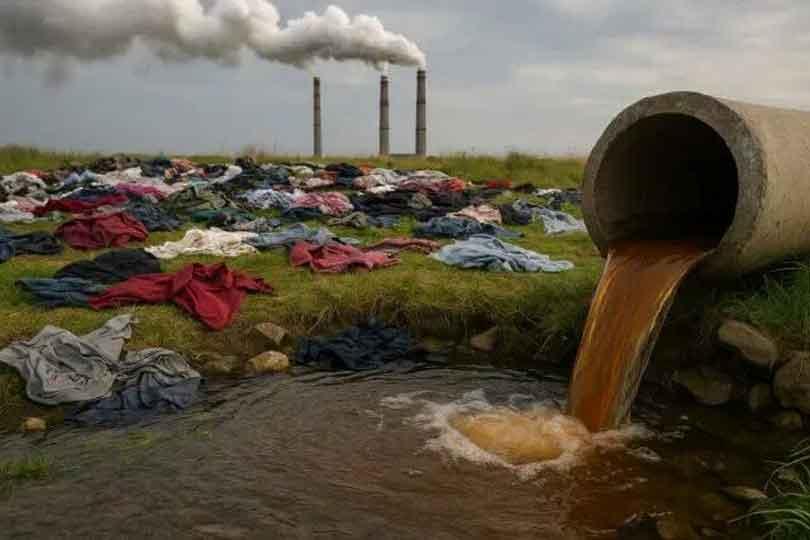
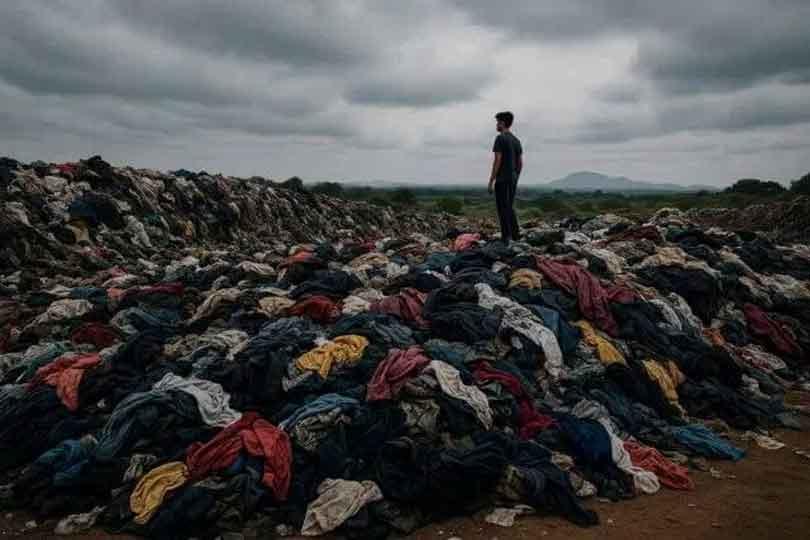
Every second, the equivalent of a garbage truck of textiles is landfilled or burned globally. Millions of garments are produced that will never even be sold. Entire business models depend on flooding the market with cheap, disposable products designed to create constant psychological dissatisfaction. And yet, many brands now speak as if the solution is merely improving waste management while continuing to accelerate production volumes. It is infinite growth dressed up in green language.
When sustainability becomes branding - Which Black Mirror episode is this?
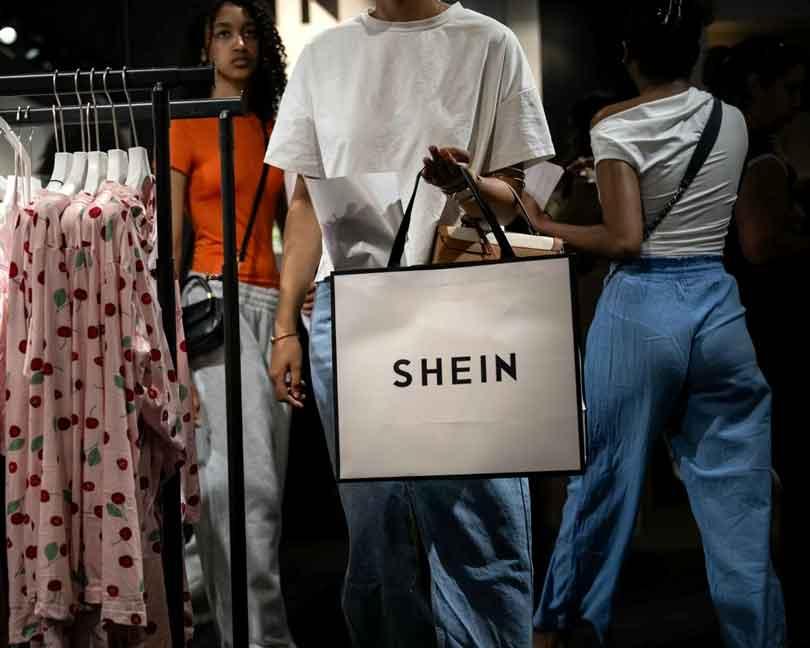
One of the clearest examples of this contradiction arrived recently with reports that Everlane, once positioned as the poster child of “radical transparency,” was being acquired by SHEIN. For many people within sustainable fashion circles, the news felt almost satirical: a brand that built its identity around ethics, minimalism, and conscious consumption potentially being absorbed into one of the most aggressively criticized ultra-fast-fashion business models in the world.
“Which Black Mirror episode is this?” became one of the top comments on a post by Diet Prada discussing the potential sale. The reaction across the industry was immediate, not just because of the acquisition itself, but because it exposed how fragile sustainability branding can become when it is ultimately tethered to growth, scale, and investor logic. One comment in particular captured the deeper issue. British sustainable fashion consultant Natalie Binns wrote: “The people asking, ‘where am I going to shop now?’ when they have a wardrobe full of Everlane clothing, are part of the problem.”
It was a sharp observation, but an important one. Sustainability was never supposed to create a new category of morally superior shopping addiction. Yet somewhere along the way, ethical consumption itself became commodified. Consumers were encouraged to believe that buying from the “right” brands could substitute for confronting consumption itself. The focus shifted from buying less to buying differently, as though the system could remain fundamentally unchanged so long as the aesthetics became cleaner and the marketing language softer. That is precisely why this moment feels so symbolic. When sustainability becomes purely about positioning, branding, or market differentiation, it becomes vulnerable to the exact forces it claimed to resist.
You cannot separate sustainability from workers’ rights
This is where the conversation inevitably becomes political, even though many brands desperately try to avoid that reality. The industry loves sustainability when it can be depoliticised, when it stays safely within the language of innovation, efficiency, or consumer choice. But the moment we start discussing labour rights, unionisation, wealth inequality, colonial supply chains, or corporate accountability, discomfort enters the room. Yet those are precisely the conversations we need. You cannot separate sustainability from workers’ rights. The two are inseparable.
Garment workers, many of them women across South Asia, Southeast Asia, Africa, and Latin America, are already living on the frontlines of climate collapse while simultaneously carrying the economic burden of the global fashion system. They face rising heat, flooding, unstable wages, unsafe factories, and impossible production pressures, all while producing clothing for consumers thousands of miles away. And still, most sustainability conversations continue to prioritise materials over people.
Brands proudly announce “sustainable collections” while refusing to pay living wages. They launch recycling schemes while suppliers struggle under crushing price negotiations. They celebrate carbon reduction targets while workers remain trapped in precarious employment structures with little protection or bargaining power. A garment made from organic cotton is not truly ethical if the person sewing it cannot afford healthcare, housing, or dignity.
The meaning of a just transition
This is why the idea of a just transition matters so deeply. A just transition means recognising that moving toward a more sustainable economy cannot happen at the expense of workers and vulnerable communities. Climate action that ignores labour justice is not justice at all. If factories are expected to decarbonise, workers must not be abandoned in the process. If production slows down, livelihoods must be protected. If supply chains transform, the people carrying the industry on their backs must have a voice in shaping that future. Otherwise, sustainability simply becomes another form of inequality management. The uncomfortable reality is that genuine system change may require the fashion industry to become smaller, slower, and less profitable in the way it currently understands profitability. That is not a message investors want to hear. It is also not a message consumer particularly enjoy hearing either.
Dismantling consumerism
Because dismantling consumerism means confronting something much bigger than fashion alone. Modern consumer culture thrives on engineered dissatisfaction. We are constantly encouraged to feel outdated, incomplete, unfashionable, or behind. Trends move at impossible speeds precisely because stability is bad for sales. The system depends on emotional insecurity being continuously monetised. Sustainability campaigns often fail because they attempt to solve environmental collapse without addressing the emotional and economic machinery driving consumption itself. Buying a “better” product while maintaining the same patterns of overconsumption is not transformation. It is simply greener branding layered onto the same extractive logic. And perhaps this is why sustainability now feels less fashionable. Because the deeper the conversation goes, the harder it becomes to package neatly into aspirational marketing. Real sustainability asks too much of us.

It asks corporations to accept limits. It asks governments to regulate industries more aggressively. It asks wealthy nations to confront histories of extraction and exploitation. It asks consumers to rethink convenience and excess. It asks all of us to imagine success outside perpetual economic expansion. Those are radical ideas in a system built entirely around growth.
What happens now?
But radical does not mean unrealistic. In many ways, refusing to change is the truly unrealistic position. Climate instability is already reshaping economies, migration, agriculture, and global supply chains. Fashion cannot continue pretending that minor adjustments and quarterly ESG reports are enough. And the last few months have made one thing painfully clear: when sustainability becomes purely about the business case, it stops meaning anything at all. The moment profits tighten, commitments disappear. Values suddenly become “too expensive.” Climate promises become flexible. Ethics become conditional. That is the danger of building a movement entirely around marketability. If sustainability only exists when it is profitable, then it was never really a value, it was a branding strategy.
Perhaps the movement needed this reckoning. Perhaps losing its trendiness is an opportunity to rebuild something more honest, more grounded, and more politically courageous. Something less concerned with appearing sustainable and more concerned with redistributing power, protecting workers, reducing harm, and fundamentally reimagining what fashion could become. Because sustainability was never meant to make us comfortable. It was meant to change everything.