What Your Wardrobe Says When Words Fail
Fashion is often dismissed as a matter of vanity. It is frequently portrayed as something superficial, existing on the fringes of real life alongside trends, celebrity culture and consumerism. Yet mental health professionals have long understood something many of us intuitively recognize: the way we dress often reflects how we feel. Changes in clothing, grooming and personal appearance can provide important clues about a person's emotional wellbeing, sometimes long before they are able to articulate what they are experiencing themselves.
Psychiatrists and psychologists routinely observe changes in appearance as part of a broader assessment of a patient's mental state. A person who has always taken pride in their appearance may suddenly stop caring about clothing altogether. Someone who usually dresses in bright colours may gradually retreat into a wardrobe of muted tones. Others may begin wearing the same outfit repeatedly or neglect grooming habits that were once part of their daily routine. While clothing alone can never diagnose a mental health condition, it often forms part of a larger picture that helps clinicians understand what may be happening beneath the surface.
The Hidden Language of Clothing
Every morning, we make decisions about what to wear, whether consciously or unconsciously. These choices are influenced by practical considerations, but they are also shaped by our emotions, confidence, energy levels and sense of identity. Clothing acts as a form of non-verbal communication, allowing us to express aspects of ourselves that may be difficult to put into words. In many ways, our wardrobes function as emotional landscapes, revealing subtle shifts in mood and mindset that others may not immediately recognize. Researchers have increasingly explored the relationship between fashion and psychology, finding that clothing can both reflect and influence emotional states. The garments we choose can affect how we perceive ourselves and how we interact with the world around us. This relationship is so significant that mental health practitioners often pay attention to changes in personal presentation as one indicator of a person's overall wellbeing.
When Depression Shows Up in the Wardrobe
Depression is one of the most common mental health conditions associated with noticeable changes in appearance. For individuals experiencing depression, even routine activities can become overwhelming. Tasks that once felt automatic, such as selecting an outfit, ironing clothes or maintaining personal grooming habits, may suddenly require an enormous amount of effort.
As a result, many people experiencing depression find themselves reaching for the same comfortable garments day after day or abandoning aspects of self-care that once brought them pleasure. It is important to understand that this is not a reflection of laziness or a lack of discipline. Rather, it is often a symptom of emotional exhaustion. When the mind is struggling to cope, personal appearance can become less of a priority than simply getting through the day.
Family members and friends sometimes misinterpret these changes as carelessness. Mental health professionals, however, recognise them as potential indicators of distress. A sudden decline in interest in personal appearance may signal that someone is carrying a burden that is not immediately visible to others.
Anxiety and Dressing for Protection
While depression often leads to withdrawal, anxiety can influence clothing choices in different ways. Some people gravitate towards oversized silhouettes, soft fabrics and familiar garments that provide a sense of comfort and security. Others become intensely focused on their appearance, carefully selecting outfits in an attempt to avoid criticism, embarrassment or unwanted attention.
In both cases, clothing becomes a form of emotional armour. The outfit is no longer simply a fashion choice but a strategy for navigating the world. For those living with social anxiety, getting dressed can involve a complex calculation about visibility, judgement and safety. Clothing becomes a protective layer between the individual and an environment that may feel overwhelming or unpredictable.
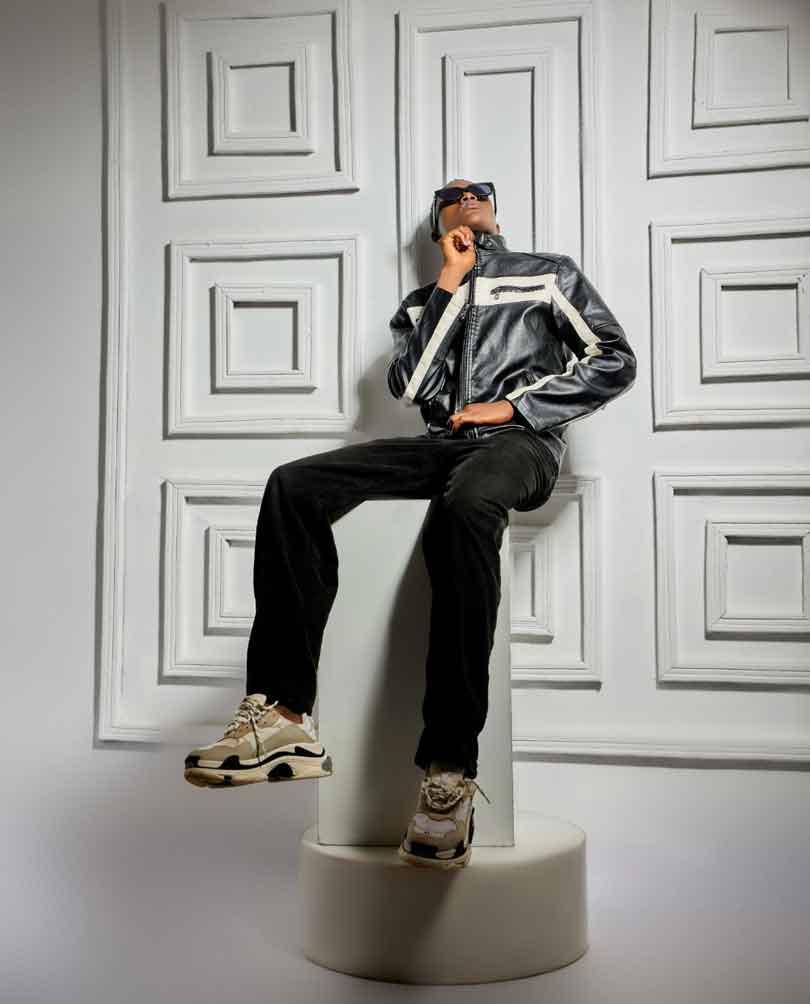
This is one reason why seemingly small changes in appearance can hold significant meaning. A favourite jacket, a well-worn scarf or a particular pair of shoes may provide reassurance during periods of stress, serving a psychological purpose that extends far beyond aesthetics.
Grief, Identity and the Clothes We Keep
Grief has a profound impact on our relationship with clothing. Following the loss of my beloved mother, fashion seemed to lose its meaning altogether. Shopping no longer brought joy, favourite garments remained untouched in my wardrobe, and personal style became secondary to the quiet, often exhausting work of learning to live with loss. The things that once felt important suddenly felt insignificant.
Yet grief also revealed something unexpected. It showed me how deeply clothing can be intertwined with memory. For the past two years, I have kept one of my mother's simple cotton sarees close to me, often holding it at night before I fall asleep. The fabric carries her familiar scent no longer, but it still carries her presence. In those moments, it becomes more than a garment. It becomes a connection, a comfort, and a reminder that the people we love often continue to live on in the objects they leave behind.
A sweater inherited from a parent, a piece of jewellery gifted by a partner or even a simple scarf can carry immense emotional significance. These objects often become tangible connections to people who are no longer physically present in our lives. Grief changes our sense of identity, and because clothing is closely connected to identity, our wardrobes often change alongside us. The person standing in front of the mirror after a significant loss is not quite the same person who existed before it. The clothes we choose during periods of grief frequently reflect this transformation.
The Science of Enclothed Cognition
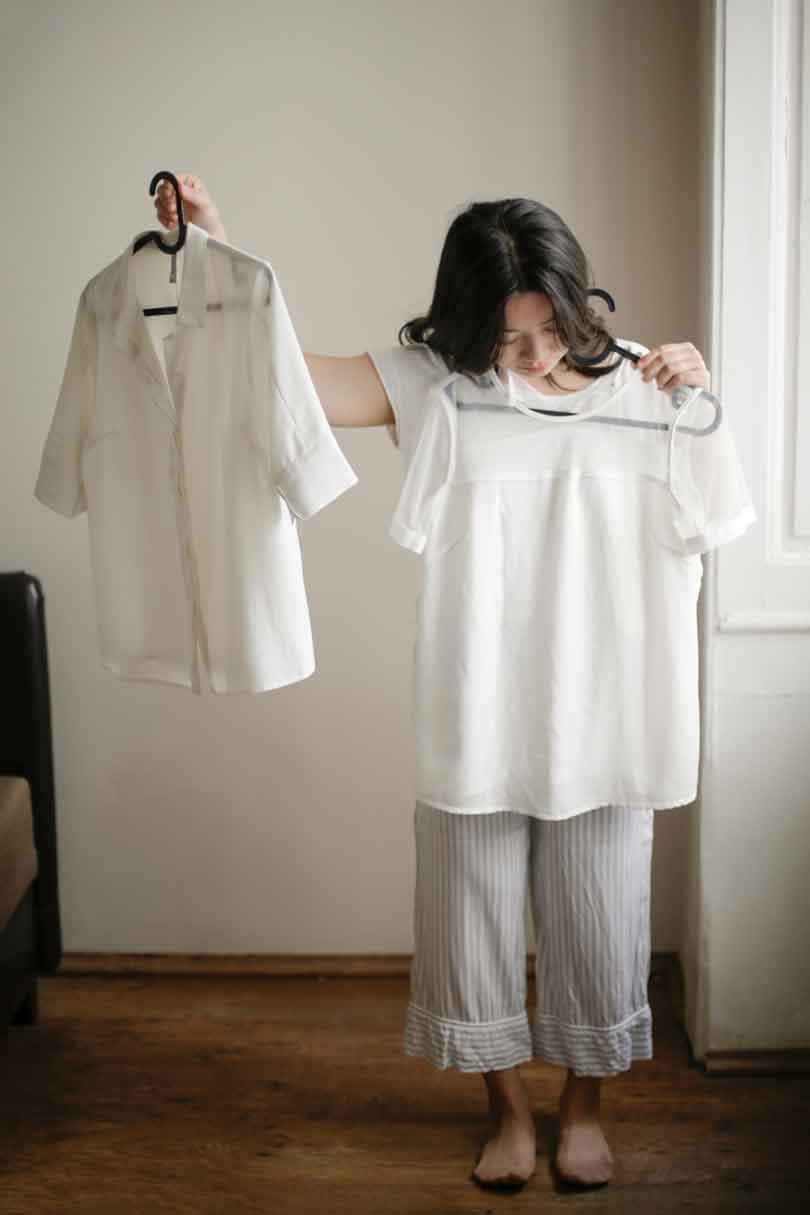
Psychologists use the term "enclothed cognition" to describe the influence clothing can have on our thoughts, emotions and behaviour. Studies suggest that what we wear can affect confidence, concentration and even performance. Most people have experienced this phenomenon without knowing its name. A tailored blazer can create a sense of authority before an important presentation. A cherished piece of jewellery can offer comfort during a difficult day. A favourite dress can restore confidence after a period of self-doubt. This does not mean that clothing can cure depression or eliminate anxiety. Mental health is far more complex than any wardrobe choice. However, it does suggest that the relationship between clothing and wellbeing is more significant than we often acknowledge. Small acts of self-care, such as putting on clean clothes, wearing a favourite colour or taking pride in personal presentation, can contribute to a sense of stability and normalcy during challenging times.
Fashion Beyond Vanity
Modern culture often treats fashion as an industry driven by trends and consumption. Yet the most meaningful relationship we have with clothing is rarely about what is fashionable. It is about memory, identity, comfort and self-expression. The garments we treasure most are usually not the newest items in our wardrobes, but the ones attached to stories, milestones and emotional experiences. A wedding dress, a graduation suit, a coat worn during a life-changing journey or a piece inherited from a loved one often carries significance far beyond its material value. These garments become emotional archives, holding fragments of our personal histories within their seams. Perhaps this is why fashion matters more than we sometimes admit. Clothing is not merely decoration. It is one of the ways we communicate with ourselves and with others. It reflects who we are, where we have been and, occasionally, what we may be struggling to say out loud.
Looking Beyond the Surface
None of this means we should make assumptions about someone's mental health based solely on their appearance. Human beings are far too complex for such simplistic conclusions. Not everyone who wears dark colours is unhappy, and not everyone who dresses brightly is thriving. However, changes in appearance can encourage us to pay closer attention, to ask questions with compassion and to look beyond the surface. In a world where mental health struggles often remain invisible, clothing can sometimes offer a glimpse into experiences that words have not yet expressed. The next time you notice a significant change in your own wardrobe or in the appearance of someone you care about, it may be worth asking not what they are wearing, but what they might be carrying. Because beyond the seams, there is always a story.