Is Rising Temperature Becoming Fashion’s Next Big Challenge?
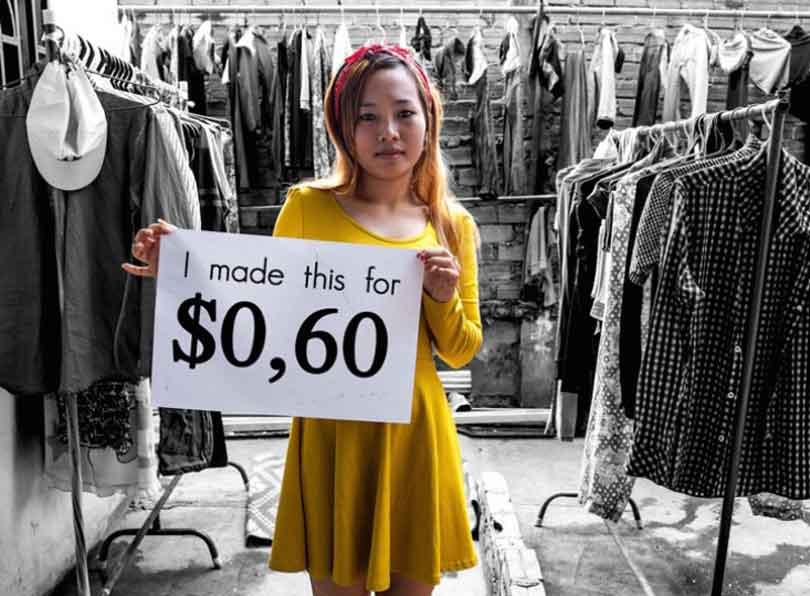
A few months ago, temperatures in parts of South Asia climbed past 45°C. Roads softened under the sun. Schools closed. Hospitals reported increasing cases of heat-related illnesses. For many of us, these headlines were alarming but distant, another reminder that climate change is accelerating faster than expected. But for millions of garment workers around the world, extreme heat is not a headline. It is becoming a daily working condition.
The fashion industry often talks about sustainability in terms of fabrics, packaging, carbon emissions, and recycling. Yet one of the most urgent climate challenges facing the industry today has little to do with products and everything to do with people. As global temperatures rise, the ability of workers to safely produce our clothes is coming under threat.
The global garment industry has always depended on regions with warm climates. Many of the world's largest manufacturing hubs are concentrated in countries such as Bangladesh, India, Pakistan, Vietnam, Cambodia, and Sri Lanka. These nations have become the backbone of fashion production, supplying garments to brands and retailers across Europe, North America, and beyond.
What they increasingly share is another reality: they are among the region’s most vulnerable to extreme heat.
Factory buildings were never designed for the climate conditions we are now experiencing. Many facilities rely on ageing infrastructure, inadequate ventilation, and cooling systems that struggle to cope with record-breaking temperatures. In some cases, workers spend long shifts surrounded by machinery that generates additional heat, pushing indoor temperatures well above what is considered safe for prolonged physical activity.
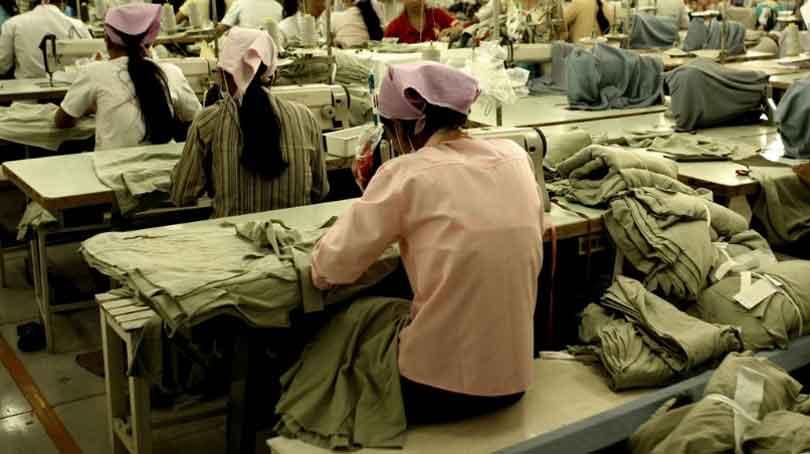
When temperatures rise, productivity inevitably falls. Human bodies can only work efficiently within a certain range. As heat stress increases, concentration drops, fatigue sets in more quickly, and the risk of mistakes and accidents rises. For workers paid according to production targets, this creates an impossible situation. They are expected to maintain output levels while their bodies are working harder simply to stay cool.
The consequences are not just physical. Extreme heat affects mental wellbeing, sleep quality, and overall quality of life. Workers who return home exhausted after a shift may face sleepless nights in homes that offer little relief from the heat. The cycle repeats day after day, gradually eroding both health and productivity.
This presents a challenge that the fashion industry has been slow to acknowledge. For decades, discussions about labour rights have focused on wages, working hours, and factory safety.
These remain critically important. However, climate resilience is rapidly becoming part of the conversation. A safe workplace in 2026 requires different standards than a safe workplace in 2006.
Heat is now a labour issue.
What makes the situation particularly complex is that the impacts extend far beyond individual factories. Entire supply chains are beginning to feel the effects of rising temperatures. Heatwaves can disrupt transportation networks, reduce energy reliability, affect water availability, and slow production schedules. As extreme weather events become more frequent, brands face increasing uncertainty about their ability to meet delivery deadlines.
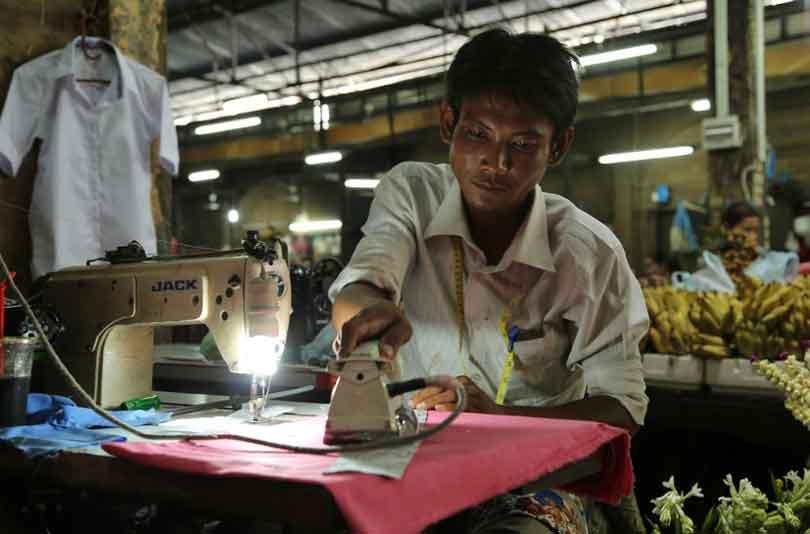
For an industry built around speed and precision, this is a significant problem.
Fashion's business model has long relied on the assumption that production can be scaled up whenever demand increases. Climate change is challenging that assumption. There are limits to how much work can safely be performed under extreme conditions. There are limits to how long workers can remain productive when temperatures become dangerous. There are limits to infrastructure that was never built for a hotter world.
Yet despite these realities, climate adaptation remains largely absent from many sustainability conversations.
We see extensive reporting on recycled polyester. We see ambitious net-zero commitments. We see marketing campaigns celebrating environmentally conscious collections. What we see far less often are discussions about how climate change is affecting the people who make our clothes.
This omission matters because sustainability cannot exist without human sustainability.
A garment made from organic cotton is not automatically sustainable if the workers producing it are experiencing dangerous levels of heat stress. A carbon-neutral supply chain means little if it fails to protect the wellbeing of the people operating within it.

The industry's response must move beyond environmental metrics and begin addressing climate adaptation as a core business priority.
This includes practical measures such as improving factory ventilation, investing in cooling technologies, redesigning work schedules around heat patterns, increasing access to hydration, and establishing clear protocols for extreme temperature events. These interventions may seem straightforward, but they require investment, planning, and a willingness to recognise heat as an operational risk rather than an unavoidable inconvenience.
Brands also have a role to play. Purchasing practices often place enormous pressure on suppliers to deliver products quickly and at the lowest possible cost. This leaves little room for factory owners to invest in climate adaptation measures. If brands are serious about creating resilient supply chains, they must support the long-term investments needed to protect workers and facilities.
Consumers, too, are part of the equation.
For years, sustainability messaging has encouraged us to think about the environmental footprint of our purchases. We have learned to ask where materials come from, whether products can be recycled, and how many emissions were generated during production.
Perhaps it is time to ask another question.
What conditions did people endure to make this garment? As climate change intensifies, the answer to that question will become increasingly important.
Sri Lanka offers a particularly relevant perspective. Our apparel industry has built an international reputation on ethical manufacturing and responsible business practices. This creates an opportunity to lead once again, this time by demonstrating what climate-resilient garment production can look like.
The future competitiveness of manufacturing may depend not only on cost and quality but also on a country's ability to adapt to a warming world. Factories that invest in worker wellbeing, climate resilience, and adaptive infrastructure may ultimately prove more productive, more reliable, and more attractive to international buyers.
This is not simply an environmental issue. It is an economic issue, a business issue, and a human issue. Fashion has always been deeply connected to the seasons. Designers anticipate them. Retailers plan around them. Consumers shop according to them. But climate change is altering the very rhythms that the industry has long taken for granted.
The challenge ahead is not just reducing fashion's impact on the planet. It is ensuring the planet remains habitable enough for fashion to function. Behind every garment is a person cutting fabric, sewing seams, checking quality, packing boxes, and moving products through a complex global system. Their wellbeing is not separate from sustainability. It is sustainability.
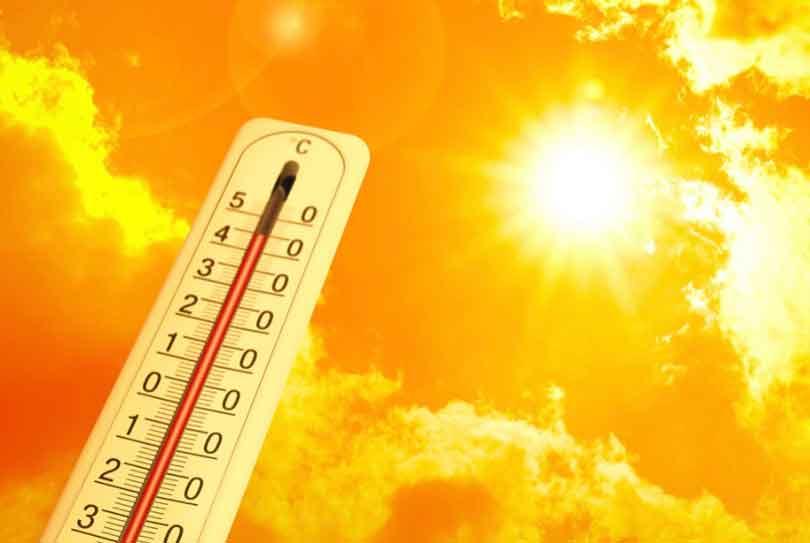
As temperatures continue to rise, the industry faces a choice. It can treat extreme heat as an unfortunate side effect of climate change and continue business as usual. Or it can recognize that protecting workers from a hotter future is one of the most important sustainability challenges of our time. Because the truth is simple. If it becomes too hot to safely make our clothes, no amount of sustainability marketing will matter. The future of fashion depends not only on what we produce, but on whether the people producing it can thrive in the world we are creating.