Fashion’s Forgotten Roots!
Every morning, we stand before our wardrobes making what feels like an ordinary decision. We reach for a shirt, a dress, or a jacket without giving much thought to where those garments began. Clothing appears to us as a finished product, neatly folded on store shelves, hanging in boutiques, or arriving at our doorstep in carefully packaged boxes. Yet fashion does not begin in a factory or a shopping centre. It begins much earlier, in fields, forests, farms and rivers. Long before it becomes a style, fashion is nature.
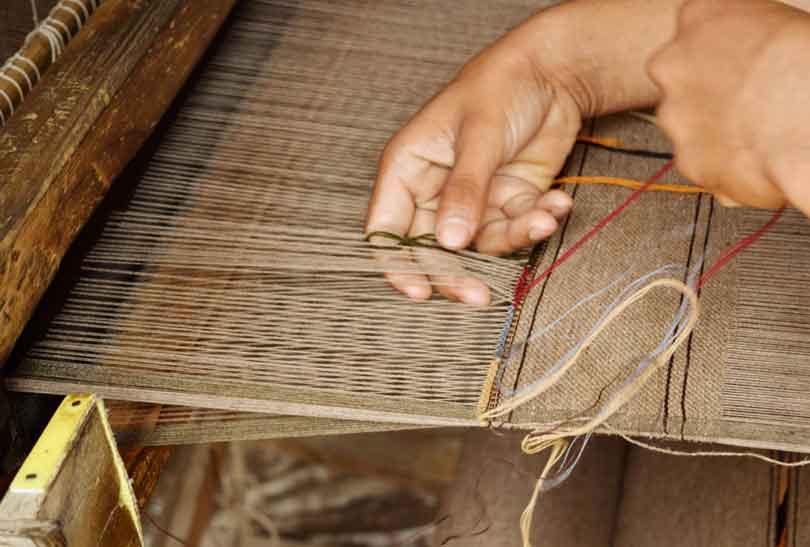
Somewhere between the cotton field and the fitting room, that connection has been lost. The fashion industry has become remarkably good at hiding its origins. A single garment may pass through numerous countries before reaching the consumer. Cotton may be grown in one nation, spun in another, woven somewhere else, dyed elsewhere again, stitched in a different factory and finally sold thousands of kilometres away. By the time it reaches our wardrobe, the journey has become so fragmented that we rarely stop to consider the natural resources, ecosystems and people involved in creating what we wear.
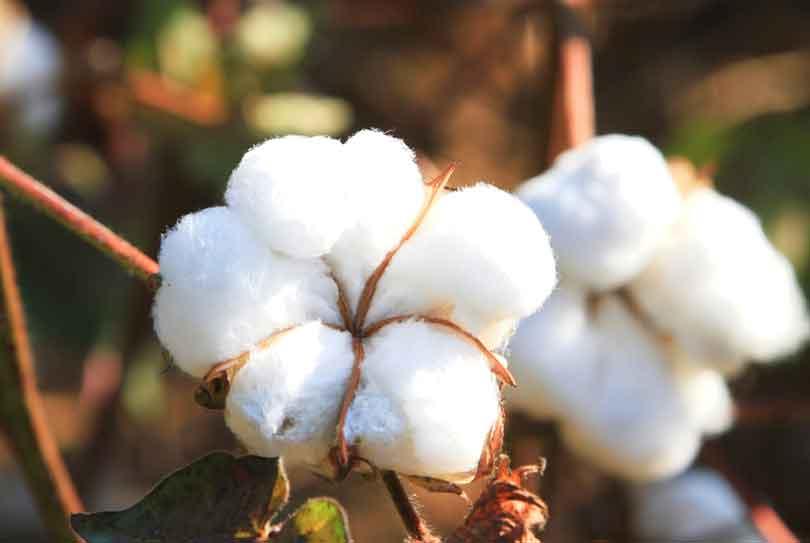
The truth is that every fiber tells a story that begins with the earth. Cotton grows from fertile soil nourished by sunlight and water. Wool depends on healthy grazing land and well-cared-for animals. Linen begins as flax cultivated in agricultural fields, while silk is produced through the careful nurturing of silkworms. Even synthetic fibres, often thought of as entirely manufactured, originate from fossil fuels extracted from the earth. Fashion has always relied upon nature, regardless of the material or price point.
This dependence is often overlooked because fashion has become increasingly disconnected from the environments that sustain it. Consumers see beautiful garments, luxury campaigns and seasonal trends, but rarely witness the farms, rivers, forests and landscapes that make those products possible. Clothing has become detached from its own beginning. As a result, it is easy to forget that the health of our wardrobes is directly linked to the health of our ecosystems.
The consequences of that disconnect have become impossible to ignore. Nature provides fashion with every essential ingredient, yet the industry often places immense pressure on the very systems upon which it depends. Cotton cultivation can require significant amounts of water when produced unsustainably. Leather production may contribute to deforestation and habitat loss if poorly managed. Dyeing and finishing processes can pollute rivers when wastewater is inadequately treated, while manufacturing and transportation consume vast amounts of energy throughout the global supply chain.
Collectively, these impacts make fashion one of the world's largest industrial contributors to climate change. Current estimates suggest that the fashion industry accounts for approximately eight to ten percent of global carbon emissions. However, carbon represents only part of the industry's environmental footprint. Fashion also influences biodiversity, freshwater availability, soil health, chemical pollution and waste generation. Every stage of production leaves an environmental mark that often remains invisible to the final consumer.
Ironically, the industry's environmental story does not end once a garment has been purchased. In many ways, another chapter is only beginning. The rise of fast fashion has fundamentally changed our relationship with clothing. New collections appear almost weekly, trends move at unprecedented speed and garments are increasingly treated as temporary rather than lasting possessions. Clothing is worn fewer times before being discarded, encouraging a culture where replacement has become easier than repair.
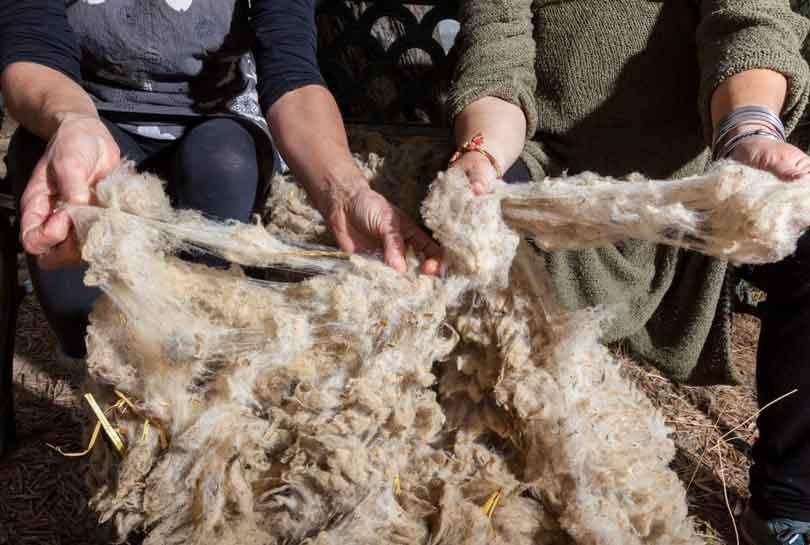
The consequences are staggering. Around ninety-two million tonnes of textile waste are generated globally every year. Vast quantities of unwanted clothing end up in landfill sites or are incinerated, while millions of garments are exported to countries across the Global South where waste management systems are already under considerable strain. These discarded textiles contribute to pollution, greenhouse gas emissions and environmental degradation long after consumers have moved on to the next purchase.
This linear model of producing, consuming and disposing of clothing reflects a deeper problem. Fashion has been built around continuous extraction, from natural resources, from labour and ultimately from the environment itself. Success has often been measured by growth, speed and volume rather than longevity, quality or regeneration. Yet the natural world operates very differently. Nature thrives through cycles, renewal and balance, offering valuable lessons that fashion can no longer afford to ignore.
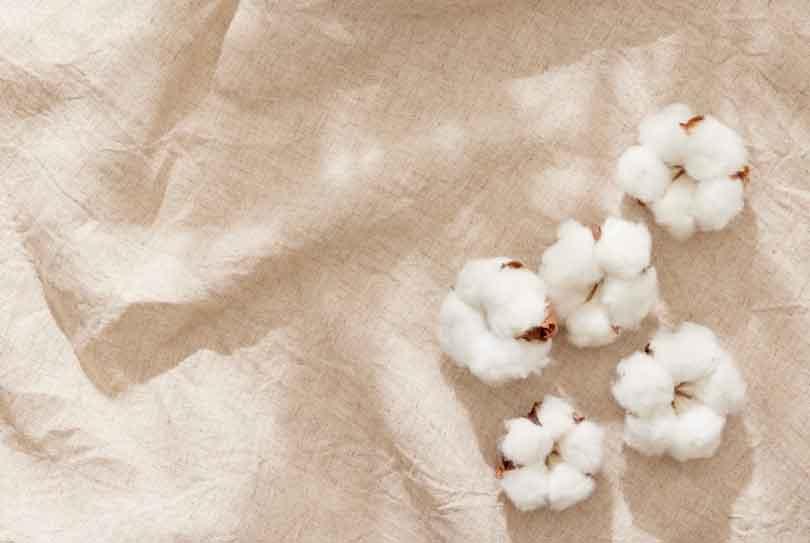
Encouragingly, change is beginning to emerge across the industry. Designers are increasingly embracing regenerative agriculture, recycled fibres, biodegradable materials and low-impact dyeing techniques. Repair services, rental platforms, resale markets and circular design principles are slowly reshaping the way clothing is produced and consumed. Traditional craftsmanship is also experiencing renewed appreciation, reminding us that garments were once created to last decades rather than seasons.
Consumers, too, have an important role to play. Sustainability is not achieved solely through purchasing products labelled as environmentally friendly. Often, the most sustainable garment is the one already hanging in our wardrobe. Wearing clothing for longer, repairing damaged pieces, buying thoughtfully and resisting unnecessary consumption all reduce demand for new production. Small individual decisions, when multiplied across millions of people, become powerful drivers of industry-wide change.
Perhaps the greatest shift required is not technological but philosophical. Fashion must move away from viewing nature as an endless source of raw materials and begin recognising it as a partner that requires care and restoration. Healthy ecosystems are not external to fashion; they are its foundation. Without fertile soil, clean water, thriving biodiversity and stable climates, there can be no sustainable textile industry, regardless of advances in design or manufacturing.
Fashion has always reflected human creativity, culture and identity. It has celebrated craftsmanship, innovation and self-expression throughout history. None of these qualities need to disappear. What must change is the relationship between fashion and the natural world that makes every garment possible. Rather than pursuing endless extraction, the industry has an opportunity to embrace regeneration, stewardship and long-term value.
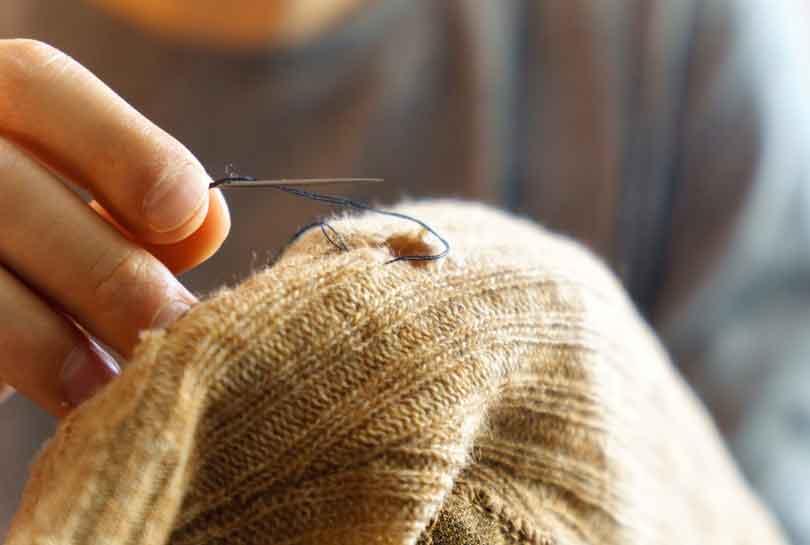
The next time we open our wardrobes, perhaps we should see more than colour, fabric and style. We should recognise fields of cotton, grazing sheep, flowing rivers, skilled artisans and healthy forests. Every garment carries a story that begins with nature. Whether that story ends in restoration or degradation depends on the choices made by designers, manufacturers, policymakers and consumers alike.
Fashion was never separate from nature. It has always been part of it. The challenge before us is not simply to create better clothes, but to rebuild a fashion system that honours and protects the living world from which every thread begins.