WHERE IS YOUR LABUBU NOW?
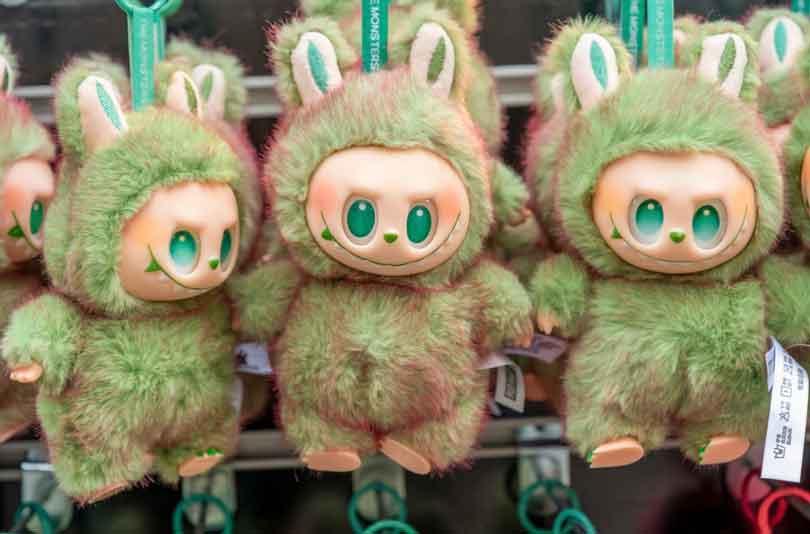
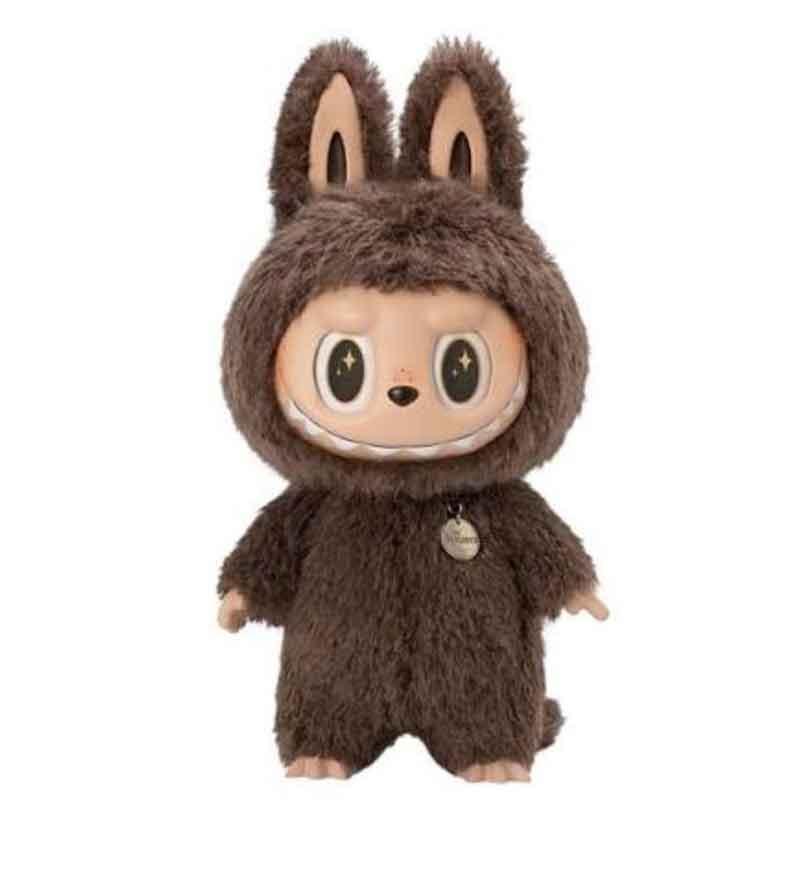
Not long ago, it seemed impossible to scroll through social media without encountering a Labubu. The mischievous little creature with pointed ears, jagged teeth, and an impish grin appeared everywhere. It dangled from luxury handbags, decorated backpacks, occupied office desks, and starred in countless unboxing videos across TikTok and Instagram. Collectors lined up outside stores, celebrities carried them as accessories, and resale markets transformed certain editions into highly sought-after status symbols. For a brief moment, Labubu was not simply a toy. It was a cultural phenomenon.
Yet trends move quickly in the digital age. What dominates conversations one month can disappear from public consciousness the next. Today, while Labubu continues to have loyal fans and collectors, the feverish excitement surrounding it has already begun to cool. As with so many consumer crazes before it, the question becomes less about how popular it once was and more about what remains after the excitement fades.
WHERE IS YOUR LABUBU NOW?
Perhaps it still hangs proudly from your handbag. Perhaps it sits on a shelf among other collectibles. Or perhaps it has already joined a growing graveyard of once-essential purchases tucked away in drawers, cupboards, and storage boxes around the world. The story of Labubu is not really about a toy. It is about the way modern consumer culture functions. It is about the rise of micro-trends, the acceleration of desire, and the environmental consequences of treating products as temporary entertainment rather than lasting possessions. For decades, trends followed relatively predictable cycles. Fashion houses presented seasonal collections, magazines introduced new ideas, and consumers gradually adopted them. A particular silhouette, handbag, or aesthetic could dominate culture for years. Trends were not necessarily slower because people were wiser; they were slower because information itself travelled more slowly.
SOCIAL MEDIA HAS FUNDAMENTALLY CHANGED THAT EQUATION.
Today, trends can emerge overnight and spread globally within days. An influencer posts a product. A celebrity is photographed wearing it. A few viral videos follow. Suddenly millions of people are exposed to the same object at the same time. Algorithms reward novelty and repetition, pushing the trend into even more feeds until it becomes almost impossible to ignore. Labubu was perfectly designed for this environment. It combined several ingredients that modern consumer culture finds irresistible. It was visually distinctive, highly collectible, available in limited editions, and sold through blind boxes that introduced an element of surprise. Consumers were not merely purchasing a figure. They were purchasing anticipation. Every unopened box contained the possibility of obtaining a rare character. The excitement became part of the product itself.
This mechanism has become increasingly common across industries. The value of a product is no longer determined solely by its usefulness or craftsmanship. Increasingly, value is created through scarcity, exclusivity, and the emotional rush associated with acquisition. The hunt often becomes more exciting than ownership.
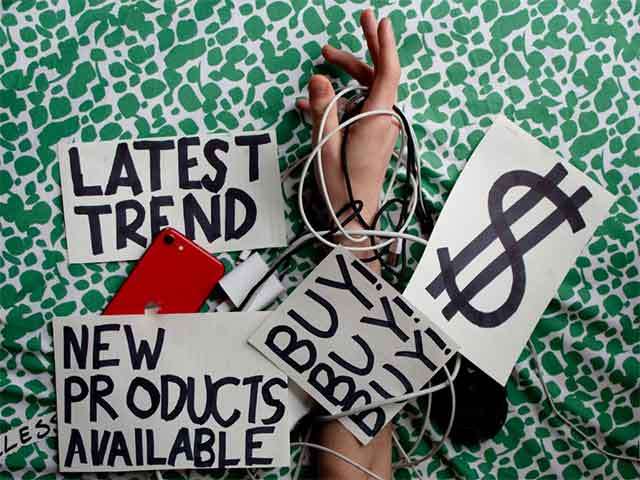
The phenomenon extends far beyond collectible toys. Over the past few years consumers have witnessed a parade of micro-trends rise and fall with astonishing speed. There were Stanley tumblers and their countless accessories. There were NFT profile pictures that briefly promised to redefine ownership in the digital world. There were viral beauty products that sold out within hours before being replaced by the next miracle item. There were fidget spinners, slime kits, squishmallows, tiny handbags, giant handbags, "clean girl" aesthetics, "mob wife" aesthetics, and countless other trends that burned brightly before fading away. Each trend arrived with a sense of urgency. Consumers were encouraged to buy now, participate immediately, and avoid being left behind. Missing the moment often felt like missing a cultural event.
THIS IS WHERE THE ENVIRONMENTAL IMPLICATIONS BECOME IMPOSSIBLE TO IGNORE.
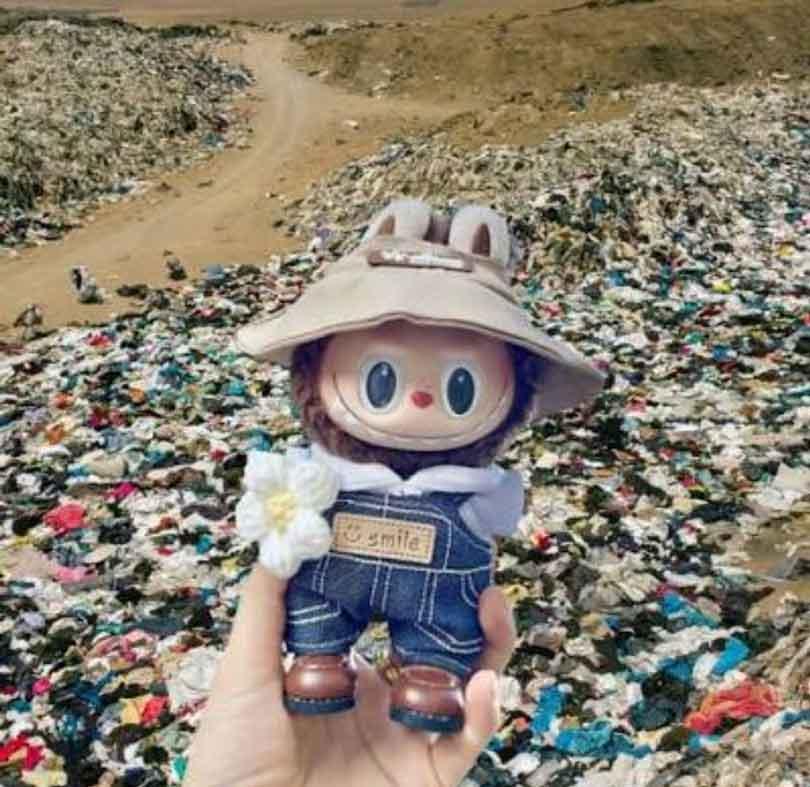
When digital trends disappear, little remains beyond forgotten posts and abandoned hashtags. Physical products leave a far more tangible legacy. Every trending item requires raw materials, manufacturing, packaging, transportation, storage, and eventually disposal. Whether it is a toy, a fashion accessory, a water bottle, or a beauty product, every object consumes resources long before it reaches the consumer. The environmental cost of overconsumption is often hidden from view. Consumers see the polished unboxing video, not the factory. They see the influencer showcasing a new purchase, not the shipping container crossing an ocean. They see the excitement of ownership, not the landfill where unwanted products may eventually end up.
Many of today's most popular collectibles are made primarily from synthetic materials and plastics that can persist in the environment for decades or even centuries. While individual purchases may seem insignificant, the cumulative impact of millions of consumers participating in short-lived trends becomes substantial. A product designed to deliver a few months of excitement can leave an environmental footprint that lasts far longer than the trend itself.
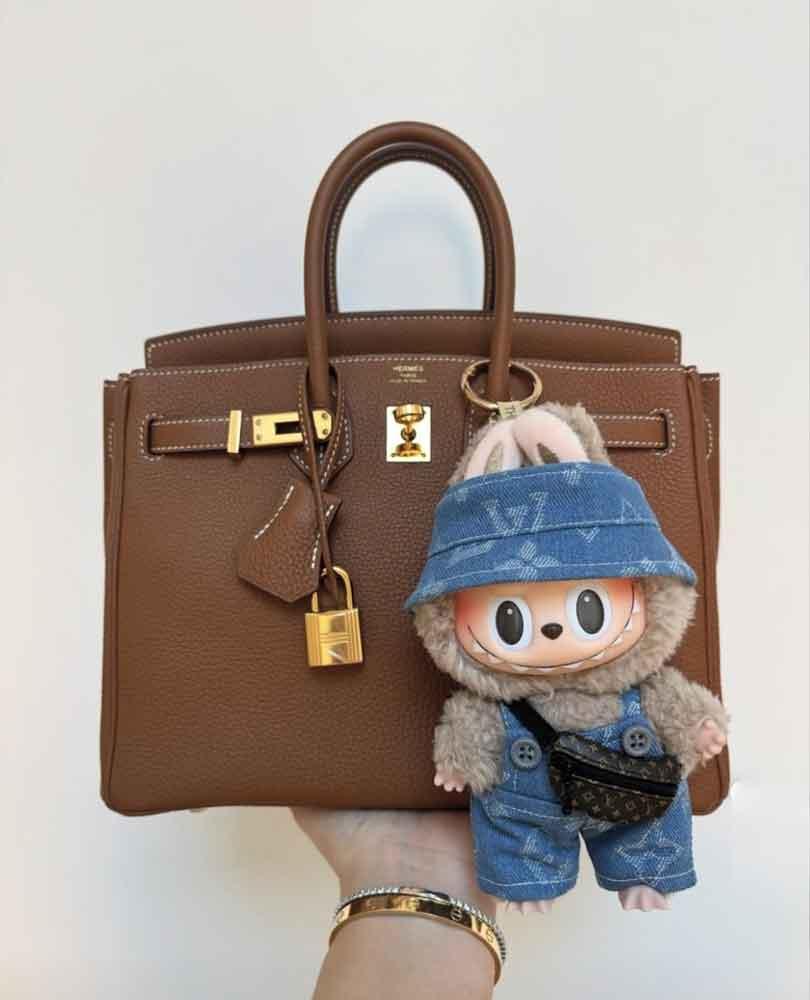
The fashion industry is already grappling with these realities. Discussions around textile waste, deadstock, overproduction, and greenwashing have become increasingly urgent. Yet the same pattern now extends well beyond clothing. Nearly every category of consumer goods has adopted the logic of fashion. Toys behave like fashion. Water bottles behave like fashion. Home décor behaves like fashion. Even hobbies and lifestyles are increasingly packaged as trends to be consumed and replaced.
THE RESULT IS A CULTURE IN WHICH NOVELTY HAS BECOME ONE OF THE MOST VALUABLE COMMODITIES.
There is, however, another consequence that receives less attention. Constant trend cycles affect people as much as they affect the planet. The rapid turnover of trends encourages consumers to develop temporary relationships with objects. Instead of purchasing things because they are useful, meaningful, or beautiful, many purchases are made because they offer temporary participation in a cultural moment. Ownership becomes less about the object itself and more about belonging to a conversation.
Social media amplifies this dynamic. Products increasingly function as symbols of identity. Carrying a particular bag, collecting a particular toy, or displaying a particular aesthetic signals membership within a community. In many cases, consumers are not simply buying products. They are buying visibility. The challenge is that identities built around trends are inherently unstable. As soon as one trend reaches peak popularity, the next trend begins to emerge. Consumers find themselves trapped in a cycle of perpetual updating, constantly adjusting their purchases to remain culturally relevant.
This creates a subtle but powerful form of exhaustion. The pressure to keep up never ends because the finish line keeps moving. Ironically, many people eventually discover that the object itself was never the source of satisfaction. The initial excitement fades, and the promised transformation never quite arrives. The collectible remains a collectible. The handbag remains a handbag. The water bottle remains a water bottle. What disappears is the illusion that ownership alone could provide lasting fulfillment. This does not mean that collecting is inherently problematic. Humans have always collected objects. Collections can bring joy, preserve culture, foster creativity, and create communities of shared interest. There is nothing wrong with purchasing something that genuinely delights us.
THE DISTINCTION LIES IN INTENTION.
There is a difference between cherishing an object and chasing a trend. There is a difference between buying something because it resonates deeply and buying something because an algorithm convinced us that everyone else already has it. Perhaps this is the most important lesson hidden within the rise and fall of Labubu. The toy itself is neither villain nor victim. It simply reveals the mechanisms of contemporary consumer culture with unusual clarity. It shows how quickly desire can be manufactured, how effectively scarcity can drive demand, and how rapidly attention can shift elsewhere. A few years from now, another product will almost certainly occupy the same position. It may be a collectible, a fashion accessory, a beauty product, or something entirely unexpected. It will dominate social feeds, generate waiting lists, inspire resellers, and convince consumers that ownership is essential.

Then it too will fade. The cycle will continue unless consumers begin asking different questions. Instead of asking whether something is trending, perhaps we should ask whether it will still matter to us a year from now. Instead of asking whether everyone else wants it, perhaps we should ask whether we genuinely do. Because somewhere, in homes across the world, countless forgotten trend objects are quietly gathering dust. They are reminders of desires that felt urgent at the time and insignificant in hindsight. Among them may well be a small creature with pointed ears and a mischievous grin. A relic of a cultural moment that seemed impossible to escape, now waiting patiently to remind us how quickly modern obsession becomes yesterday's clutter.