A Divorced Daughter is Better than a Dead Daughter

Nichol Fernando
A divorced daughter is better than a dead daughter. The phrase holds a necessary, jarring truth. Too often, women trapped in abusive marriages are told to “adjust,” “think about the family,” or “avoid bringing shame.” Yet the shame is not in leaving an abusive home. The shame is in a society that teaches women to suffer quietly for the sake of reputation. Many families treat divorce as a scandal while actively ignoring the psychological, emotional, and physical trauma taking place behind closed doors. This pressure forces women to choose between their safety and society’s judgment. However, no marriage, tradition, or family image is worth more than a woman’s life. Divorce is often framed as a personal or moral failure, but when a marriage becomes a place of fear and violence, choosing divorce is not failure. It is survival, courage, and self-preservation.
In many communities, reputation becomes a weapon used against women who are trying to survive abusive marriages. Instead of asking, “Is she safe?” families often ask, “What will people say?” The fear of gossip, damaged family honour, and social judgment becomes more important than the woman’s physical and emotional wellbeing. Domestic cruelty is actively obscured under the guise of maintaining appearances, as if a family’s public image matters more than the private suffering of their daughter. This turns reputation into a cage, where silence is praised, and escape is condemned.
This heavy expectation falls disproportionately upon the shoulders of women. Conditioned from youth to believe that the survival of a household depends entirely on their compliance, women are urged to compromise, absorb the damage, and somehow reform their partners. Meanwhile, the abuser is often protected, excused, or ignored. His violence may be dismissed as anger, stress, or a private family matter, while her decision to leave is treated as rebellion or failure. This double standard allows abuse to continue with little to no accountability.
Furthermore, the idea of shame isolates women by design. The looming threat of bringing embarrassment upon her parents or jeopardizing her siblings' prospects creates a profound psychological barrier. Entangled in a web of familial expectations and societal judgment, a woman is left feeling trapped and alone. Even when the urge to escape is overwhelming, shame convinces her that she has nowhere to go. In this way, society stops being a mere bystander and becomes an active accomplice in preserving the silence that feeds abuse.
Believing that abuse is just a temporary phase that can be fixed is one of the most dangerous myths a woman can hear. Families often tell women to be patient, to give it time, or to hope that having children will change a man's heart. However, abuse does not usually disappear because a woman learns to suffer more quietly. Emotional control, financial restriction, threats, humiliation, and physical violence are not signs of a “difficult marriage”; they are warning signs of danger. Treating abuse as something that can be solved through patience places the responsibility on the victim rather than the abuser.
The cost of this forced silence is heartbreaking. A woman who is pressured to stay slowly loses her confidence, her identity, and her sense of safety. Living in constant fear breeds anxiety, depression, and deep isolation from the people who love her. Worst of all, abuse grows. What starts as cruel words turns into threats; what starts as control turns into physical violence. For some women, staying is not simply painful. It becomes fatal. The choice to leave may be the only thing standing between survival and an irreversible tragedy.

This is an uncomfortable truth that families can no longer ignore. When parents or relatives push a woman back into a dangerous home, they are not protecting her marriage or looking out for her. They are protecting society’s comfort and saving themselves from awkward conversations. They are choosing reputation over reality, silence over safety, and social acceptance over their daughter’s heartbeat. A family's name should never be bought with a daughter’s pain. If love truly exists, it must choose her life before it chooses public opinion, every single time.
Divorce must be reframed, especially in cases of abuse. A marriage should not be called successful simply because it lasted for many years or avoided the courtroom. Longevity does not equal happiness, safety, or respect. A woman who spends her life walking on eggshells, facing insults, or fearing violence is not in a successful marriage. She is barely surviving a painful one. Society often praises women for “staying strong,” but sometimes true strength is not staying. Sometimes, true strength is choosing to leave before the damage becomes irreversible.
Leaving an abusive marriage is not weakness. It is an act of pure courage. It means setting a boundary in a world that may have taught her to have none. It means choosing her safety even when relatives, neighbours, and traditions are pressuring her to remain silent. Walking away from abuse requires immense emotional strength because she is not only leaving a husband; she may also be fighting years of conditioning, guilt, fear, and judgment. In that sense, divorce is not the destruction of a family. In many cases, it is the beginning of protection. It saves a life.
This decision also matters for the next generation. Children who grow up in homes where abuse is hidden behind a “happy family” image may learn that violence, control, and suffering are normal parts of marriage. When a mother stands up and walks out, she teaches them a completely different truth. Love should never hurt, and abuse should never be tolerated. Choosing to leave can break an intergenerational cycle. It shows children that survival is not shameful, and that peace is more important than appearances.
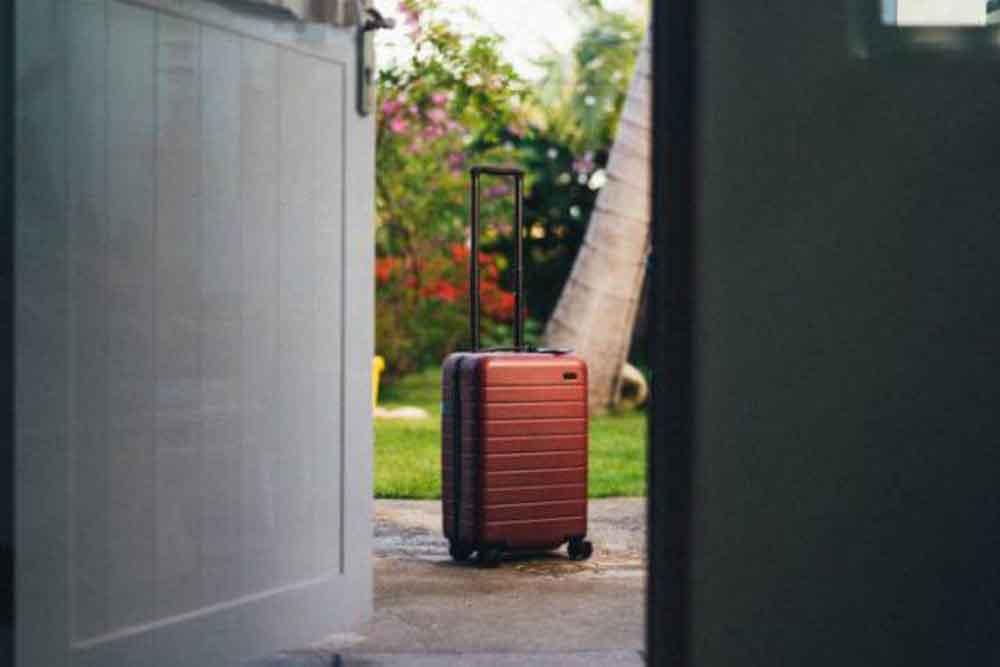
Families must acknowledge that respectability is entirely meaningless if it is bought with a person's suffering. True integrity means intervening to protect your children from harm. When a daughter seeks refuge from a hostile home, she should not be met with judgment, disappointment or shame. Instead, she must find open doors, physical safety and belief. Parents and communities must stop asking women to preserve marriages that are destroying them. No family name is worth a broken spirit. No tradition is worth a lost life.
For the women facing this immense decision, leaving is not a sign of weakness or selfishness. It means you have chosen yourself when others expected you to disappear quietly. Your safety matters. Your peace matters. Your future matters.
A divorced daughter may become the subject of temporary neighbourhood gossip, but she survives. She has the chance to mend, rebuild, and start anew. A dead daughter does not. A dead daughter is a loss that can never be undone. A dead daughter is gone forever.
If you or someone you know is experiencing domestic abuse, please seek help from a trusted person, local women’s support organisation, emergency services, or a national domestic violence helpline. You deserve safety and support.