Nolan Wells: The Boy Who Should Have Come Back
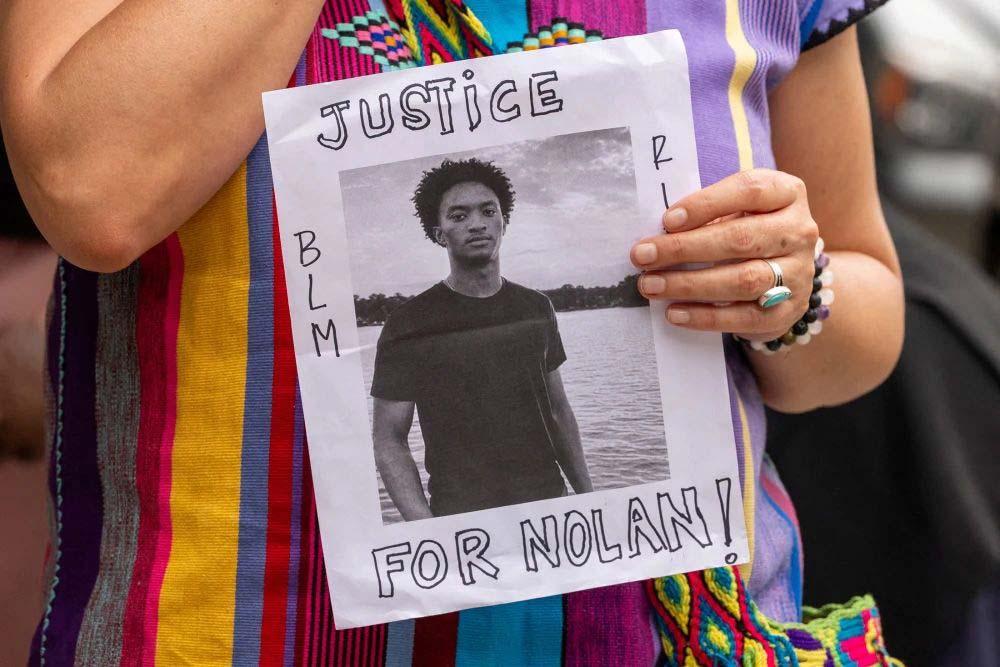
Some goodbyes become important only after we realise, they were the last ones.
On the evening of July 3, 18-year-old Nolan Xavier Wells made salmon for his family. There was nothing unusual about the night. No warning hidden inside it. No reason for his mother to hold the hug a little longer or study his face more carefully before he left.
- It was simply dinner.
- Then a hug. A kiss. A door closing.
The following morning, Nolan travelled with friends to Horn Island, a remote barrier island roughly ten miles off the Mississippi coast. It was the Fourth of July. The beaches were crowded, boats gathered along the shoreline and people had come to celebrate beneath the summer sun.
Nolan had visited the island before. He knew the water. He knew the people he was travelling with. There should have been nothing remarkable about the trip.
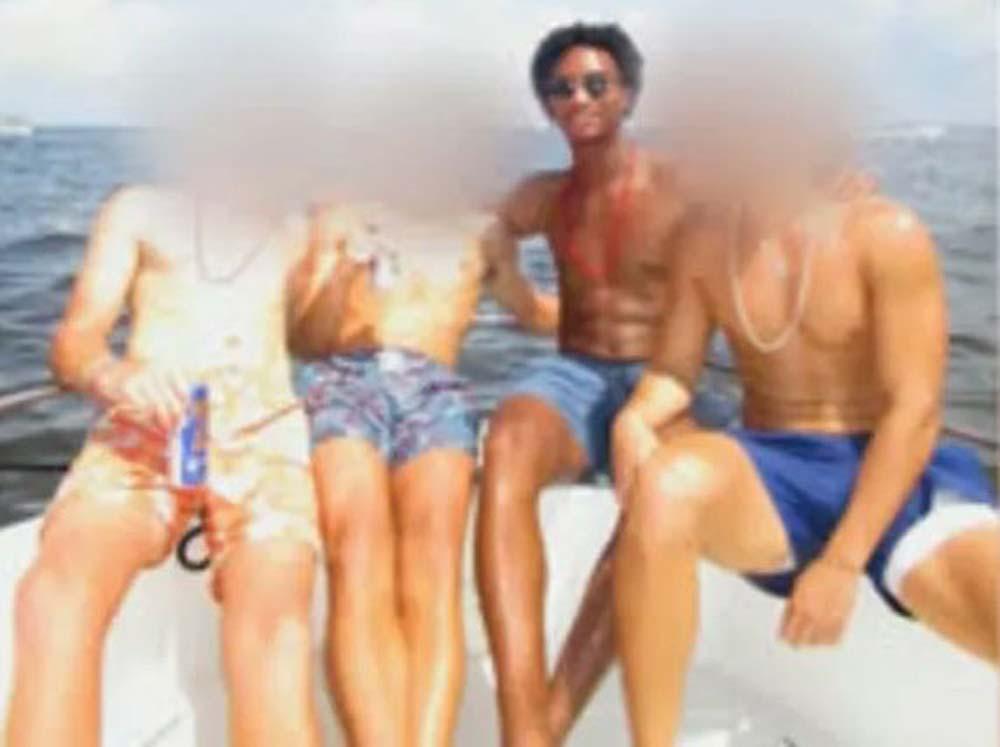
In photographs taken that day, he stands above his friends at six-foot-one, wearing blue swimming trunks and sunglasses. His arm rests casually across their shoulders. He smiles with the ease of someone who does not know that strangers will soon examine that photograph for clues.
At that moment, Nolan was not a mystery.
- He was simply an 18-year-old on a boat with his friends.
- A son who had cooked dinner the night before.
- A college football player preparing to return to training.
- A young man who was supposed to come home.
- When the boat returned to the mainland, Nolan was not on it.
His friends reportedly told investigators that he had chosen to remain on Horn Island, believing he could return on another boat. Yet Nolan’s parents and at least one friend have questioned that account. They described him as someone who stayed with the group he arrived with. Someone who would not casually allow his friends to leave without knowing exactly how he would get home.
There are decisions that may sound ordinary when explained later but feel entirely wrong to the people who know us best.
This was one of them.
Nolan’s family did not learn that he had been left behind until late that night. His mother, Christine Wonsley, began posting online, asking anyone who had been on Horn Island to help find her son. She and Nolan’s father travelled to the island themselves, searching for him while still holding onto the possibility that he was alive.
Hope can become painfully practical during a disappearance.
You make calls. You share photographs. You search shorelines. You repeat someone’s height, clothing and last known location until the person you love begins to sound like a description rather than a life.
You keep moving because stopping would mean imagining what may have happened.
Then there was Nolan’s phone.
It had returned to the mainland without him. When his mother eventually received it, she found the absence of photographs and Snapchat videos from the trip difficult to understand. Nolan regularly used his phone, she said. It did not make sense that a holiday spent on the water with friends had seemingly left so little behind.
The phone felt “too clean.”
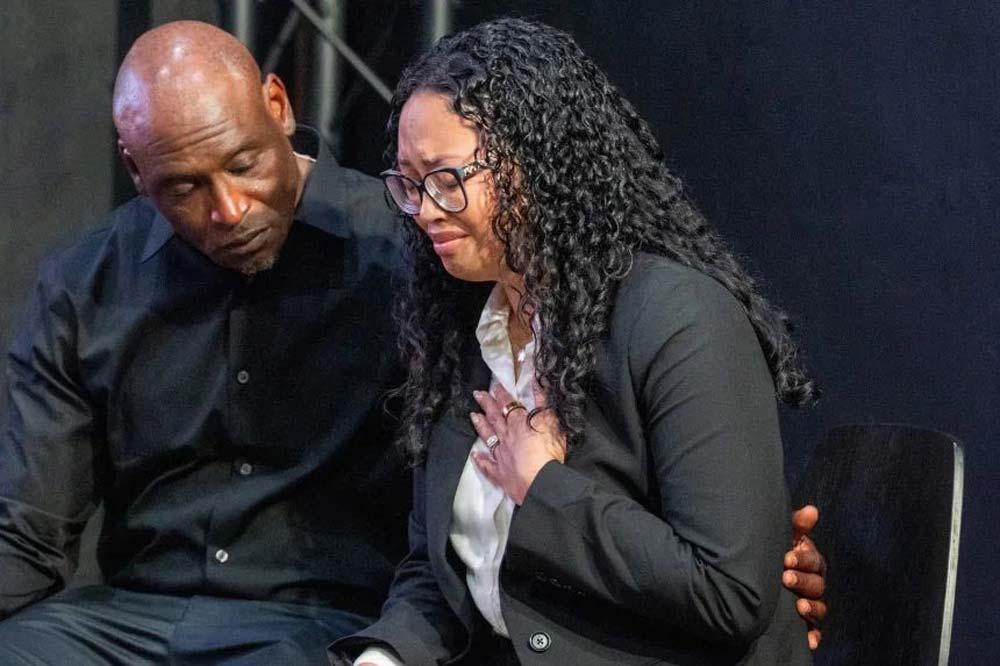
Perhaps there will eventually be an innocent explanation. Perhaps digital experts will recover something that establishes where Nolan was, whom he spoke to and what happened during the hours before he disappeared. His family and local prosecutors have now agreed to a joint inspection of the device by their respective experts. Until that examination is complete, however, its silence remains another unanswered part of the story.
On July 5, search teams moved across the island and over the surrounding water. Local authorities were joined by the United States Coast Guard, state agencies and volunteer groups. Horn Island, ordinarily admired for its untouched beaches and isolation, became something else entirely.
It became the last place Nolan had been seen.
On July 6, his mother wrote that the family was waiting for him to walk through the door with his beautiful smile and, of course, a joke.
Hours later, a body matching Nolan’s description was recovered from the water near the island’s northwestern shoreline.
The search had ended.
The questions had not.
Authorities initially said there were no visible signs of physical injury and that foul play was not suspected. Nolan’s cause and manner of death, however, had not been formally determined. State and independent autopsies were completed, but their findings, including toxicology results, had not been publicly released as of July 19.
That distinction matters.
There is a difference between finding no immediate evidence of foul play and knowing exactly what happened. There is a difference between a possible explanation and a completed investigation.
For Nolan’s parents, the suggestion of accidental drowning seemed to arrive before the answers necessary to support it.
They are seeking transparency, not only a conclusion.
Public attention has brought its own complications.
In photographs from the trip, Nolan appears to be the only Black teenager among a mostly White group. Against the history of Mississippi, that image has carried a weight far beyond the frame. For many people, particularly Black Americans familiar with what it means to be the only person of colour in a space, the photograph awakened an old and understandable distrust, but suspicion is not proof.
Social media has a way of trying to complete stories before investigators can. Unverified claims spread. Strangers become detectives. Silence is interpreted as guilt, and fragments are arranged into whatever conclusion feels most emotionally convincing.
Nolan deserves more than speculation.
He deserves the truth, even if the truth takes longer than the internet is willing to wait.
Investigators are now seeking original, unedited photographs and videos from Horn Island, particularly anything that may show Nolan or an alleged altercation. The FBI is also assisting local authorities, while the Jackson County Sheriff’s Department continues to lead the death investigation.
Somewhere among the people, boats, phones and memories of that afternoon, there may be a detail that explains everything.
- Perhaps someone saw Nolan after his friends departed.
- Perhaps a photograph captured something its owner did not initially notice.
- Perhaps the water itself is the answer.
- Or perhaps the truth is more difficult.
For now, Horn Island remains unchanged. The tide continues to move around it. Boats will return. The shoreline will shift. People who know nothing about Nolan may stand on the same sand and see only a beautiful place surrounded by water, but his family will never see it that way again.
To them, it is the place where an ordinary holiday became an unanswered question. The place their son reached but did not return from. The final known location of a life that was supposed to extend far beyond one summer afternoon.
Nolan was due to return to college and begin training for football season. Instead, his family prepared for a “home-going celebration” on July 20; one with music and a gathering for friends, because his mother believed he would not have wanted everyone sitting around crying.
 That detail may tell us more about Nolan than the mystery does.
Before he became a headline, he was someone who brought lightness into rooms. Someone who loved people easily. Someone remembered through smiles, jokes, football and the dinner he made before leaving home.
The investigation must determine how Nolan Wells died but while the world waits for that answer, it should not allow the unanswered circumstances of his death to become larger than the life preceding them, because Nolan Wells was not merely the boy who disappeared on Horn Island.
He was the boy who should have come back.