WHAT IF BEING HERE IS ENOUGH? THE ABSURDITY OF PURPOSE

There is a strange pressure in being alive: the pressure to explain why.
- Not just to live.
- Not just to feel.
- Not just to survive another ordinary day.
But to justify it.
From a young age, we are taught to treat life like a question that must eventually produce a clear answer. What do you want to become? What is your dream? What is the point of all this? The questions sound harmless at first, even motivational, but after a while, they begin to carry something heavier. They suggest that a life without a defined purpose is somehow incomplete. As if existence must come with a thesis statement. As if being here is not enough unless we can explain what we are here for.
That is where the discomfort begins.

The quote often attributed to Nikolai Gogol says, “The human obsession with purpose is merely a distraction from the absurdity of existence.” Whether or not Gogol truly wrote it, the sentence stays because it touches something people avoid saying. Maybe we are not always searching for purpose because we are enlightened. Maybe sometimes we search for purpose because we are afraid.
- Afraid that life may not arrive with instructions.
- Afraid that suffering may not always lead to a reward.
- Afraid that effort may not always become success.
- Afraid that the universe may not be quietly organizing itself around our personal growth.
Purpose comforts us because it makes chaos feel intentional. It turns random events into a storyline. It lets us believe that pain is “for something,” that failure is a lesson, that loss is a redirection, that every closed door is secretly guiding us somewhere better. Sometimes this is helpful. Sometimes it keeps people going. There is nothing wrong with needing a reason to continue.
The problem begins when purpose becomes less like meaning and more like anesthesia because life does not always make sense. Bad things happen to people who do not deserve them. Good things happen to people who do not earn them. People leave without giving proper explanations. Bodies get sick. Plans collapse. Time moves forward without asking whether we are ready.
This is the absurdity of existence.
It is not simply that life is meaningless in a dramatic, hopeless way. It is that human beings crave meaning inside a world that does not always answer back. We ask the universe for clarity and receive silence, coincidence, illness, laughter, death, memory and Monday mornings. We want life to behave like a novel, where every chapter has a reason, but life often behaves more like a room full of unrelated sounds, so we create purpose.
We build careers, routines, relationships, ambitions and five-year plans. We tell ourselves that once we reach a certain point, everything will feel coherent. Once we get the degree. Once we find the right person. Once we become successful. Once we heal. Once we become the version of ourselves, we keep imagining.
Then we arrive somewhere we once prayed to reach, and strangely, the question follows us there too.
Now what?
That is the uncomfortable part. Purpose is often presented as the final answer, but in reality, it can become another thing to chase. It moves ahead of us like a horizon. We may spend years trying to discover our purpose, only to realize we were using the search to avoid sitting with the fact that no single answer can make existence neat.
This does not mean purpose is useless.
It means obsession is dangerous.
There is a difference between having something that gives your life direction and believing your life has no value until you find it. One can ground you. The other can make every ordinary moment feel like a failure. When purpose becomes everything, rest feels lazy. Uncertainty feels shameful. Wandering feels wasted. A quiet life begins to look like an unsuccessful one, even if it is peaceful.

Modern life makes this worse because purpose has become a brand. Everyone is expected to have a mission, a passion, a calling, a reason that can be summarized in a caption or announced online. Even healing must look productive. Even hobbies must become side hustles. Even sadness must transform into content, wisdom or personal growth.
Nothing is allowed to simply be.
Maybe that is why absurdity feels so threatening. It interrupts the performance. It reminds us that we may not be the main character in some grand cosmic plot. We are conscious creatures on a spinning planet, trying to love, eat, work, sleep, understand each other and occasionally remember to drink enough water. It is ridiculous. It is fragile. It is terrifying and still, it is beautiful.
This is where absurdism feels freeing. It does not tell us to stop living or stop caring. It asks us to stop pretending that life must be justified before it can be lived. It asks us to face the silence honestly instead of covering it with motivational language.
If no purpose is assigned, then the question changes.
Not “What was I put here to do?”
But “What will I choose to do while I am here?”
That shift matters. The first question waits for permission. The second accepts responsibility. It does not need the universe to hand over a reason. It creates one carefully, temporarily, humanly. It understands that meaning may not be found buried somewhere like treasure. Maybe meaning is made in the act of paying attention.
In the way we love people, even knowing we may lose them.
In the way we laugh at something stupid on a terrible day.
In the way we keep going, not because everything makes sense, but because some things still matter to us.
In the way we choose tenderness in a world that offers no guarantee it will be returned.
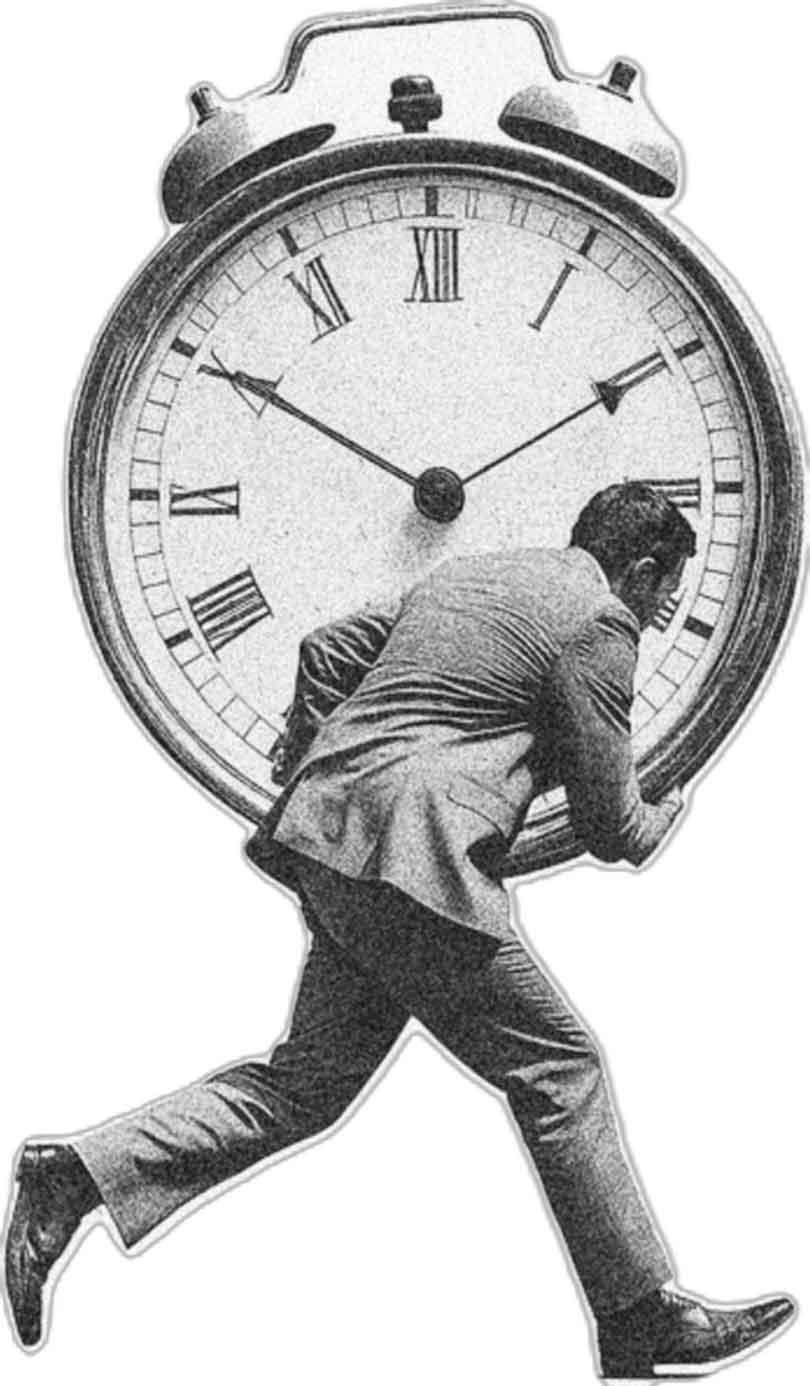
Maybe purpose was never supposed to be a grand explanation. Maybe it was only ever a small light we carry for a while. Useful, but not absolute. Comforting, but not final. Something we make, not something that proves our existence was planned.
At the end of the day, the absurdity of existence does not erase meaning. It only strips meaning of its illusion of permanence. It reminds us that life does not owe us coherence, and yet we continue creating moments that feel worth keeping. That may be the most human thing about us. Not that we find one perfect purpose and become whole forever, but that we keep making meaning in a world that never promised to make sense.
Maybe the point is not to defeat absurdity.
Maybe the point is to stop running from it.
- To live without needing every moment to explain itself.
- To love without being promised forever.
- To try without being guaranteed success.
- To exist without turning existence into a problem we must solve.
Perhaps life becomes lighter when we stop demanding that it justify itself. Perhaps the absence of an assigned purpose is not an emptiness, but a kind of freedom. A frightening freedom, yes, but freedom still.
We are here. For a while. Without a perfect explanation. Maybe that is not a failure of life.
Maybe that is life.