Set in Sync: “Untitled” (Perfect Lovers)
You do not always notice when time begins to change. It does not usually happen loudly. It does not arrive with a warning sign, a dramatic pause, or a clear moment where you can point and say, “This is when everything became different.” Most of the time, it happens quietly. A name starts appearing more often on your phone. A person becomes part of your routine. A room feels different when they enter it. A few ordinary seconds suddenly become worth remembering.
That is the strange thing about love. It does not simply add someone to your life. It changes the shape of the life they enter. Time begins to behave differently. Hours can pass like minutes when you are with them, and a few minutes apart can feel strangely long. Love does not stop time, but it does alter the way we experience it. Then, one day, time changes again.
Félix González-Torres understood this in a way that still feels almost painful to look at. He was a Cuban-born American artist known for using simple, everyday materials: clocks, light bulbs, stacks of paper, wrapped candies, mirrors and other objects that most people would pass without noticing. His work was often minimal in appearance, but emotionally enormous in effect. At first glance, there is not always much to see, then the meaning slowly catches up with you. That is exactly what happens with his 1991 work, “Untitled” (Perfect Lovers).
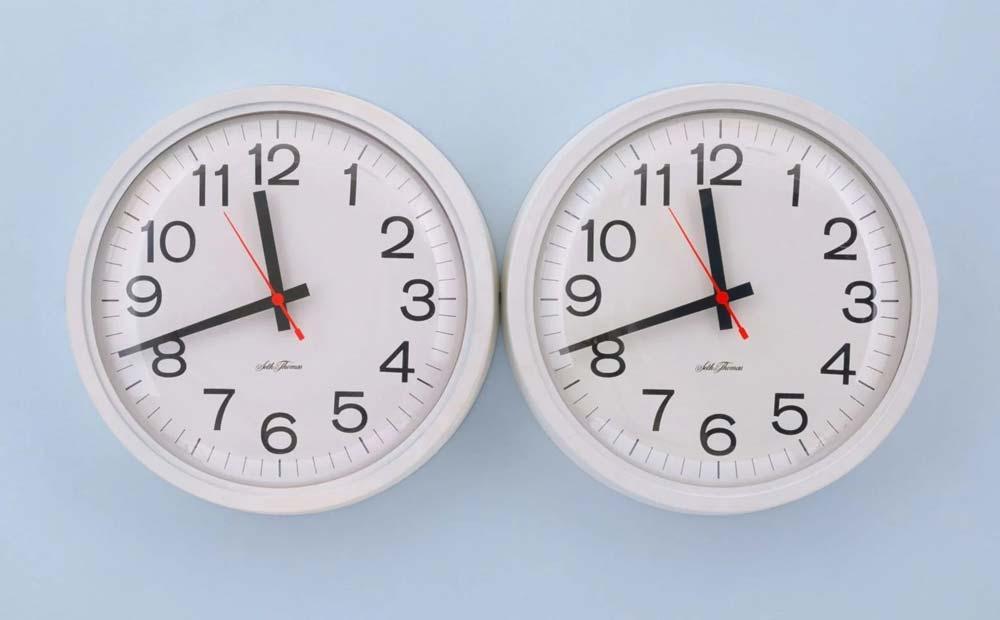
The artwork consists of two identical battery-powered wall clocks placed side by side. At the beginning, they are set to the exact same time. Their second hands move together. Their ticking overlaps. For a while, they appear completely synchronized. The Felix Gonzalez-Torres Foundation lists the 1991 work as a two-part installation made of wall clocks and paint on wall, ideally installed above head height, with the original clocks measuring fourteen inches in diameter.
At first, it seems almost too simple. Two clocks. A wall. Time passing. However, simplicity can be deceptive. Sometimes the simplest image becomes the hardest to forget because there is nowhere for the meaning to hide. There is no dramatic figure, no violent scene, no obvious tragedy. There are only two ordinary objects touching each other, trying to remain in sync for as long as they can.
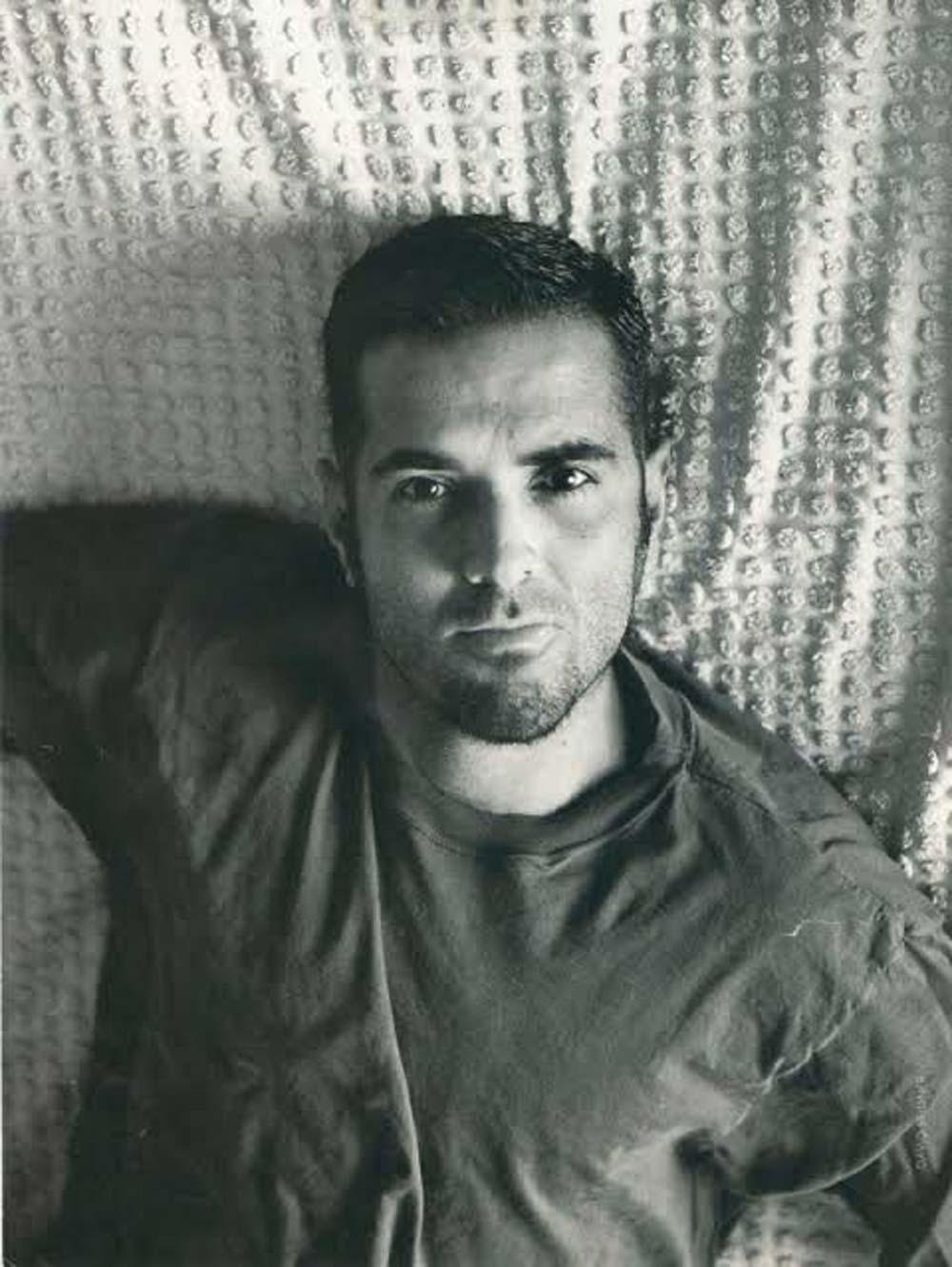 The work was conceived shortly after González-Torres’s partner was diagnosed with AIDS. MoMA explains that the clocks, initially set to the same time, may eventually fall out of sync or stop entirely, and that when one stops or breaks, both can be reset so that they resume perfect synchrony. That detail changes everything.
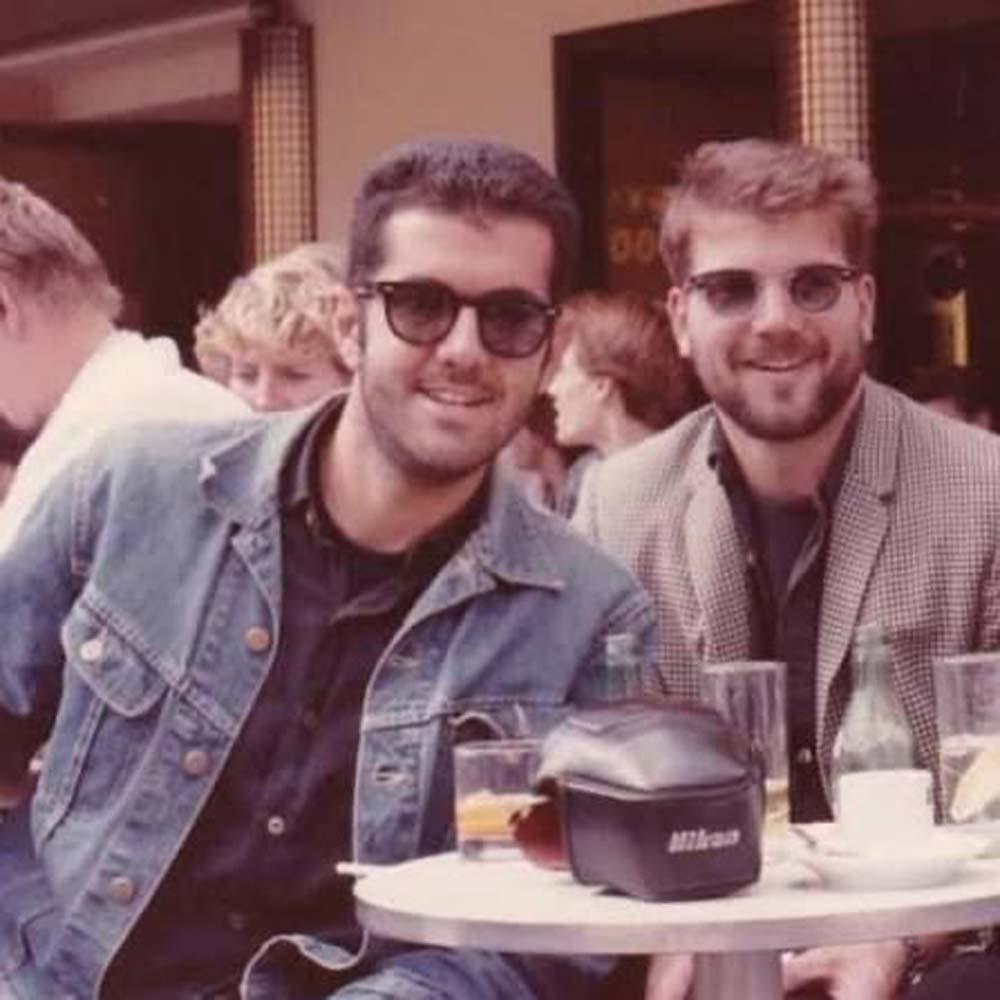
Once we know Ross Laycock is behind the work, the clocks stop being only clocks. They become bodies. They become lovers. They become two mechanical heartbeats placed beside each other on a wall. They become a quiet image of two lives moving together while knowing that one may stop first.
The AIDS crisis did not only bring illness. It brought fear, stigma, political cruelty, and the brutal awareness that time could no longer be taken for granted. For many queer people living through that period, the future was not something guaranteed. A diagnosis did not simply affect the body. It changed the atmosphere around every ordinary moment. Breakfast, sleep, touch, birthdays, arguments, laughter, silence. Everything became surrounded by the knowledge that time was no longer neutral.
This is why Perfect Lovers is so devastating. It does not show death directly. It does not need to. Instead, it shows two clocks doing what all clocks do: moving forward.
The horror is in the normality. The clocks begin in perfect synchrony, but because they are battery-powered, they will eventually drift. One may slow down. One may stop. One may continue ticking after the other has gone silent. Nothing violent has happened, and yet something unbearable has occurred. The two objects that began together no longer move as one.
That is what grief can feel like. Not always a loud collapse. Sometimes grief is simply realizing that one part of the world has continued while another part has stopped. The sun rises. People answer messages. Cars move through traffic. Someone laughs loudly in a café. Life continues with almost insulting normality, and somehow that becomes the cruelest part. The clock keeps ticking even when someone’s time has ended.
González-Torres once said, “Time is something that scares me… or used to.” Reflecting on the two clocks, he called it the scariest thing he had ever made because he wanted to face time directly, with the clocks in front of him, ticking. That statement matters because the work is not an escape from fear. It is a confrontation with it.
Most of us avoid the things that remind us of endings. We avoid old photographs when they become too heavy. We avoid songs that know too much. We avoid hospital smells, certain streets, certain dates, certain silences. We avoid looking too closely at time because time always reminds us that everything, we love is temporary. González-Torres did the opposite. He placed time directly on the wall. There is something frightening about the ticking of a clock when you are afraid of loss. A tick can sound like a countdown. It can sound like a warning. It can sound like something leaving. Yet in this work, the ticking is also intimate. It is not only the sound of time running out. It is also the sound of time being shared.
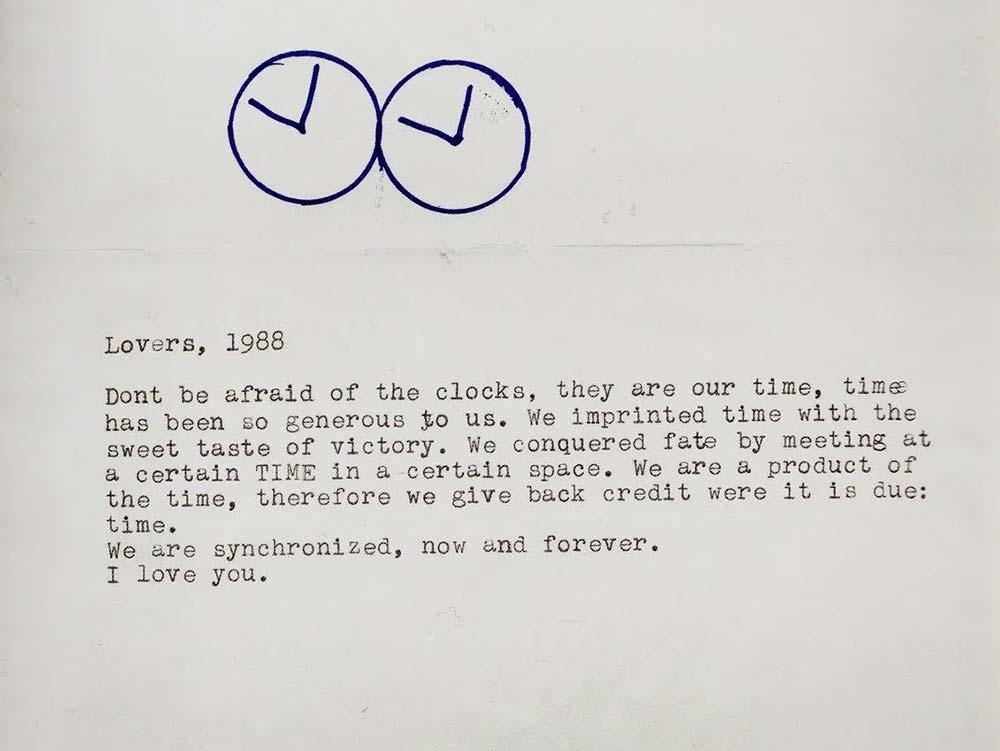
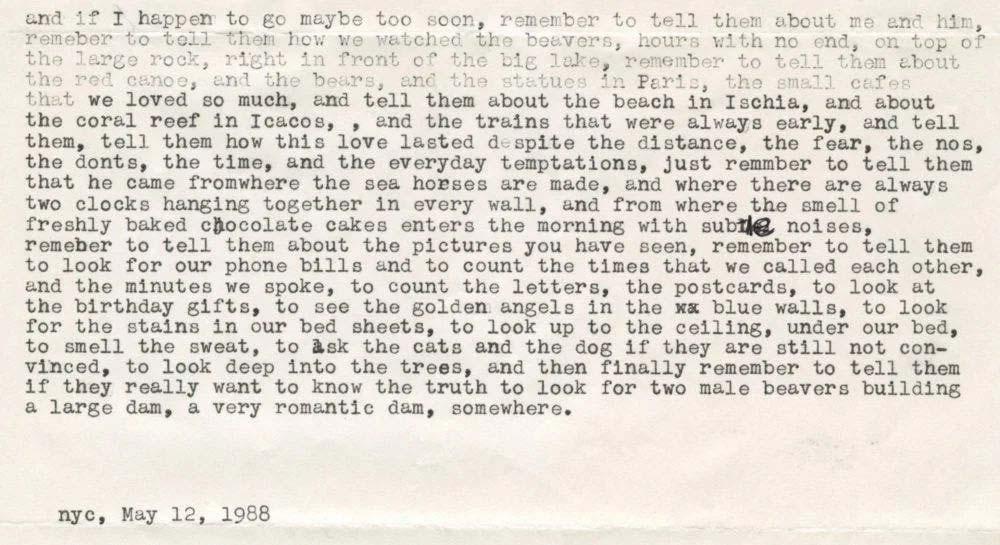
That is the paradox at the center of the piece. The clocks are fragile because they can stop, but they are tender because they touch. They are mechanical, but they feel human. They are ordinary objects, but together they become a love story. They remind us that love does not defeat time by pretending time does not exist. Love defeats time, if only briefly, by making time meaningful. In a 1988 letter to Ross, González-Torres wrote, “Don’t be afraid of the clocks,” and ended with the line, “We are synchronized now and forever. I love you.” A Foundation-hosted transcript discusses this letter and describes how the idea of clocks and time had already been part of their emotional language before the 1991 work.
That sentence almost hurts because it holds two truths at once. On one hand, it is deeply romantic. On the other, it is painfully aware that forever is not always physical. Sometimes forever is not about two people remaining alive together. Sometimes forever is what remains after one person is gone.
The title, Perfect Lovers, makes this even more painful. Perfect lovers, in our imagination, should remain synchronized forever. They should move together, understand each other, and never drift apart. But real love happens inside real bodies, and bodies are not perfect machines. They weaken. They become ill. They change. They leave.
So, maybe the perfection here is not that the clocks stay synchronized forever. Maybe the perfection is that they begin together. That they touch. That they are allowed to stop. That they are allowed to be reset. This is one of the most beautiful parts of the work. If one clock stops or breaks, the batteries can be replaced, the clocks can be repaired, and both can be reset to the same time again. The artwork does not pretend that breakdown will not happen. It expects it. It builds continuation into its own instructions.
That is what makes the piece feel less like a monument and more like a ritual. A monument often freezes the dead in the past. A ritual invites return. It says: yes, something stopped, but we will gather it again. We will place the clocks together. We will set them to the same time. We will begin again. González-Torres’s work was also political, even when it looked quiet. As an openly gay artist working during a period of censorship, controversy, and anti-queer hostility, he understood that subtlety could be a form of protection and resistance. He often resisted having his work reduced only to “gay art,” not because queerness was absent, but because he wanted the work to reach both homosexual and heterosexual audiences without being trapped by the language of exclusion.
That is the brilliance of using two clocks. How do you attack two clocks? How do you accuse them of being obscene? How do you explain that what threatens you is not the object itself, but the love it refuses to erase? The clocks allowed González-Torres to speak privately and publicly at the same time. To one viewer, they may be about Ross. To another, they may be about any two lovers. To someone else, they may be about a parent, a friend, a sibling or anyone whose time once moved beside theirs. The work begins with one specific love, but it does not end there. It invites the viewer to bring their own losses, their own memories, and their own fears into the space between the ticking.
Maybe that is why Perfect Lovers still feels alive. It understands that love is not only held in grand gestures. Sometimes love is held in repetition. In returning. In resetting. In placing two things beside each other and saying, again, begin. Of course, we know the clocks will drift but maybe that is not the tragedy. Maybe the tragedy would be refusing to reset them at all. In the end, “Untitled” (Perfect Lovers) is not only about death. It is about the courage to keep loving while knowing that death exists. It is about facing the ticking thing we fear most and still choosing tenderness. It is about two separate bodies touching against a light blue wall, unable to control time, but trying, for as long as possible, to share it. Maybe that is what love does. It does not stop the clock. It gives us someone to listen to it with.