Why We Fear Being Known Too Well

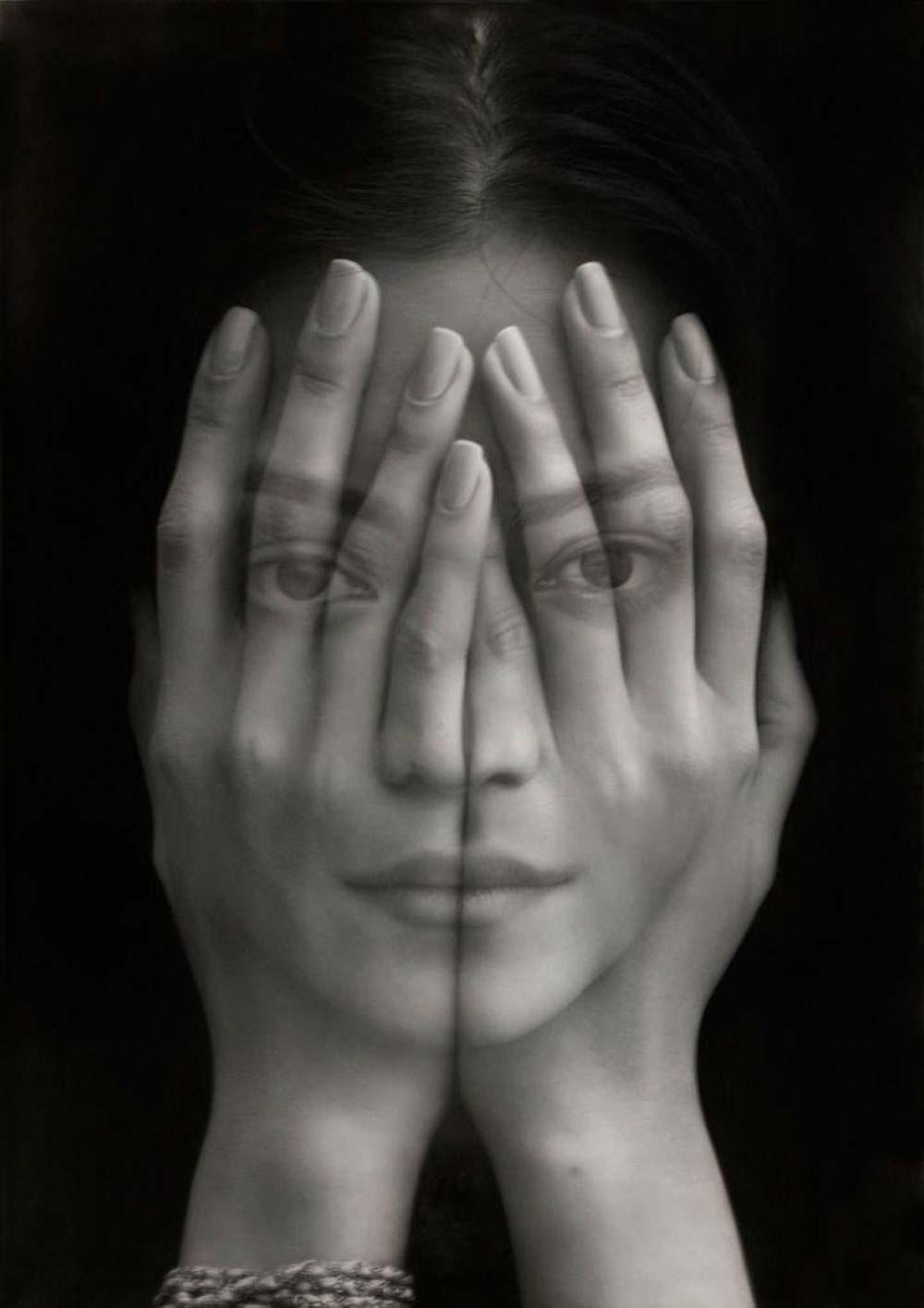
There is a desire to be known. Not in fragments. Not in passing. Not through carefully chosen details that make you easier to understand, easier to accept, easier to love. But in your entirety. To have someone understand the way your eyes shape the world. To have someone recognize the architecture of your mind. The way you arrive at conclusions. The rhythm of your hesitations. The reasons beneath all the things you choose not to say. To be seen in a way that feels exacting. Precise. Almost invasive.
“To be loved is to be known.”
We say this as though it is simple. As though it is romantic in a soft, uncomplicated way. As though intimacy is something we naturally move towards without resistance. As though being understood is only ever comforting. It is not. It never has been, because while to be loved is to be understood, to be understood is also to be exposed. There are parts of you that exist quietly. Parts with sharp, jagged edges. Parts that whisper instead of speak. Parts you do not necessarily hide with purpose but keep away out of instinct. They are not always buried with intention. Sometimes they are simply unexamined. Unfinished. Left untouched because looking too closely would mean admitting they exist. The contradictions you cannot reconcile. The destructive patterns you repeat without fully understanding why. The thoughts that cannot seem to fit within language. The emotions that arrive before explanation does. The habits you defend, even when you know they are hurting you.
It is easier to carry these things when they are hidden within you.
- A secret in your ribcage.
- A lie in your spine.
- A truth in your capillaries.
Inside you, they remain fluid. Unnamed. Undefined. They can exist without judgement, without explanation, without another person looking at them and deciding what they mean but the moment someone else sees them clearly, the moment they recognize them without your permission, something changes. They become real in a way you can no longer ignore and that is terrifying. I notice it in myself and in others too. Fading smiles when a conversation gets too deep. Shifting topics before a question can be asked. Things left unsaid because the truth feels too heavy. The way people explain too quickly or not enough. The way we allow misunderstandings because correcting them would require more honesty than we are willing to give.
Sometimes it is easier to let someone be wrong about you than to give them the truth. We crave connection, but the fear of being too much is often louder than the desire to be known so we offer versions of ourselves that are certainly true, but not total. We explain, but never to the point of irreversible vulnerability. We reveal but only what can still be controlled. We choose what to share, when to share it and how it should be understood. We manage the image.
We remain the narrator, editor and protector of the self we allow others to meet and control, in that regard, begins to feel like safety.
So, we create a self that appears complete but is really just contained. A self that is honest enough to feel real but guarded enough to remain protected. A self that can be loved, perhaps, but not fully reached and it does work, for a little while. It works until someone begins to notice the things you have not said. Until someone starts reading the silences correctly. Until they ask the question you were hoping they would not ask. Until they recognize the fear beneath your irritation, the sadness beneath your distance, the insecurity beneath your jokes, the longing beneath your indifference.
Then suddenly, you are no longer in complete control of how you are seen. That is the haunting, I think. Not being misunderstood. Misunderstanding is easy to reject. It leaves space for corrections, dismissals, and second chances. You can say, “That is not what I meant.” You can step back into the safety of explanation. You can defend yourself against being seen incorrectly. The real fear is not being known. It is being understood too well, with a clarity that cannot be blurred.
It is having someone recognize you in ways you have not yet recognized yourself. Having someone reassure you about things you did not know you needed comfort for. Having someone look at the parts of you that you have kept shapeless and name them gently, accurately, devastatingly. The fear is in being viewed with no false lens and no distortion, without the ability to reshape perception, because once you are seen that way, known that way, understood that way, something shifts. Ambiguity is lost. You can never fully return to the comfort of being only partially known.
There is comfort in being incomplete. There is safety in remaining slightly unclear. If people do not know everything, they cannot reject everything. If they only see pieces, they can only leave pieces but when someone knows too much, when they have seen the fragile parts, the ugly parts, the tender parts, the parts you are still learning how to forgive, their rejection feels heavier.
It feels less like being disliked and more like being erased. Maybe that is why love comes with a cost. Closeness comes with tension. Even when we move towards it willingly, part of us resists because being seen can hurt. Trust can be broken. What we offer can be weaponized or worse, dismissed. Someone can see your most vulnerable truth and respond with carelessness. Someone can hold your softest parts and still not understand their weight.
So, we build walls. Some are obvious. Some are invisible. Some look like humour. Some look like independence. Some look like being “chill” when you are actually terrified. Some look like changing the subject. Some look like never needing too much, never asking for reassurance, never admitting when something hurts. But walls come with their own costs.
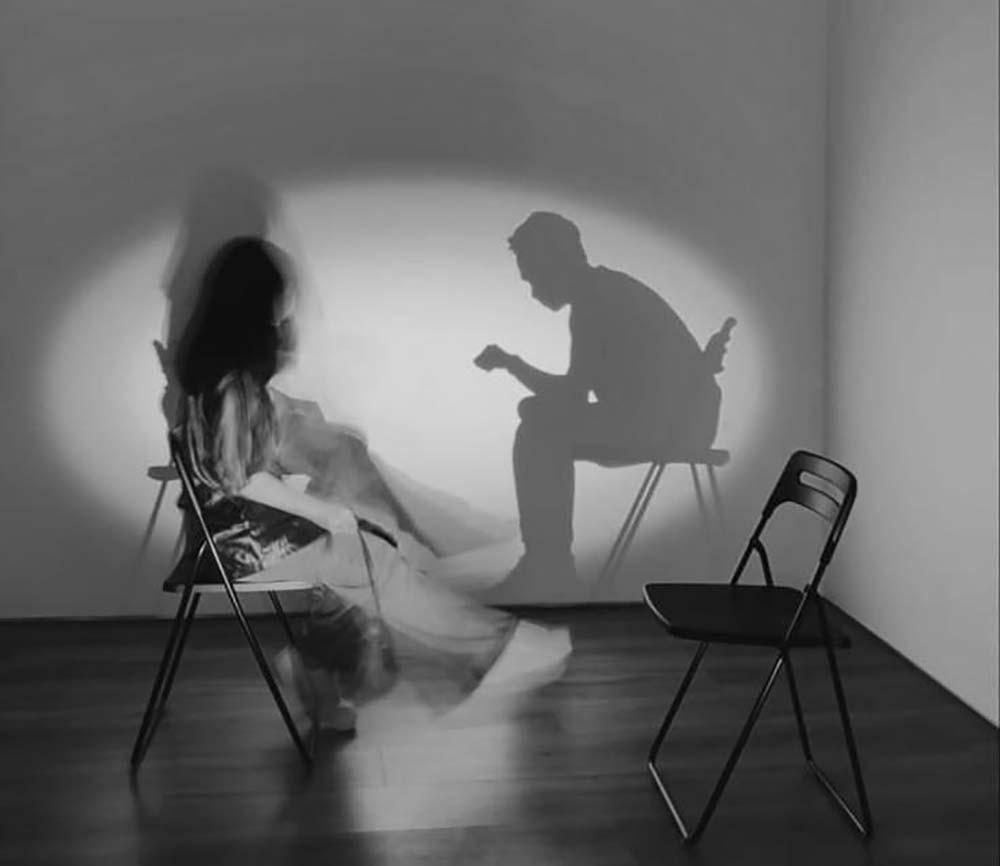
They create a certain loneliness. The loneliness of wanting closeness but always keeping doors half-closed. The loneliness of being known halfway. Understood only partially. Loved, perhaps, but not fully witnessed because being seen is more than surface recognition. It is not just someone knowing your favourite song or the way your hands shake when you are nervous or the drink you order when you do not feel like choosing. It is about someone knowing the fears you do not voice, but they realize all the same. The dreams you do not share, but they help you fulfil anyway. The wounds you pretend are healed, but they treat with gentleness and that is too much knowing.
When someone sees you for who you are, not only what you show, it can feel unbearable. It asks too much. It requires you to peel back layers and let them look at what lives underneath. It requires you to be viewed in all your flaws, all your misgivings, all the things that are not flattering, not easy to explain, not pretty enough to be romanticized.
So, you try to draw boundaries around vulnerability. You open up, but with conditions. You allow yourself to be seen, but only to a certain extent. You hand someone a page and hope they do not ask for the whole book, but intimacy does not always operate within the limits we create for it. It asks for something far more difficult. It asks for surrender.
Once someone loves you deeply, you are no longer the only person interpreting yourself. Someone else is involved now. A merging has taken place and within that closeness, they will see things you missed. Things you ignored. Things you tried to hide even from yourself. They will reach parts of you that you have not yet offered. They will understand you in ways that make you uncomfortable and you cannot always take it back, but I think we forget that it will not just be you.
Courage is demanded of both people. Love is not a one-sided act of exposure. The person you let in must let you in too. They must allow you to see the things they never wanted noticed. Their fears. Their habits. Their insecurities. Their anger. Their sadness. Their doubts. The parts of themselves they also tried to keep contained.
The love that feels safe and warm and kind is not love without weight. It is love where both people agree to carry it. It asks both of you to stay, not out of obligation, but out of choice. To watch each other unravel further. To accept that mistakes will be made. That you may disappoint each other. That you may hurt each other without meaning to and still, there must be the decision to return. To repair. To understand. To keep choosing.
That kind of love becomes a reminder that you are worthy of being seen. Not because you are perfect, but because you are real. When someone chooses to stay after seeing you clearly, you begin to exist differently. You no longer carry everything alone. You are supported, mirrored, witnessed. Your chaos matters. Your failures matter. Your hurt matters. Someone wants to see it through with you and you must do the same for them.
Even knowing all this, some people will always choose safety. Partial love. Distance. Half-truths. They will choose the comfort of being only slightly known because it feels less dangerous than the risk of being fully seen. But some people, and I hope most people, will choose the difficult way because what is love if not the willingness to see it all and still stay? To watch someone become who they are and choose them over and over again and when it happens, when someone sees you clearly and does not turn away, it is breathtaking. But some people never wait long enough to see it happen and I think that is their biggest loss.