In Conversation with Dr. Lanka Jayasuriya Dissanayake Chairperson and Trustee of the Indira Cancer Trust
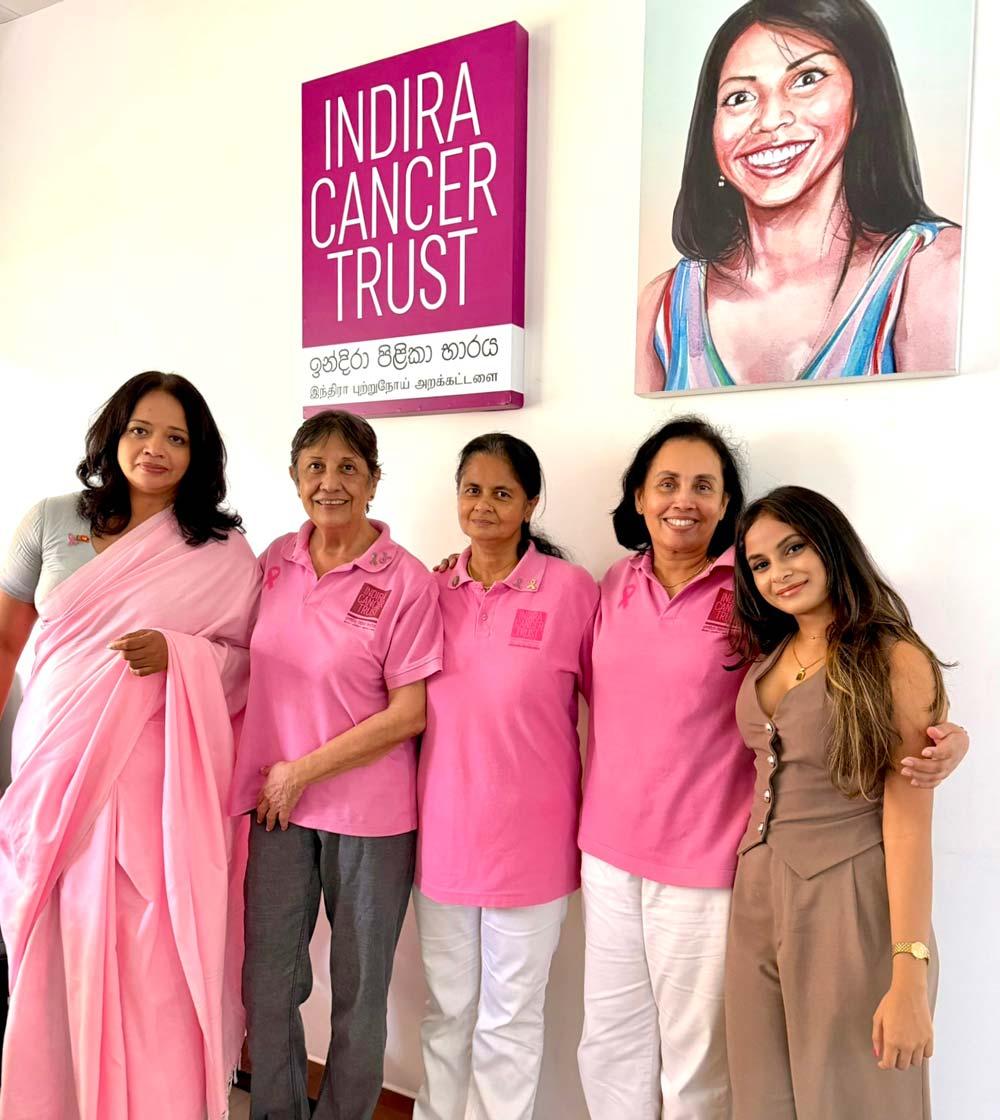
Some people build institutions; others build spaces where people feel seen, supported, and less alone. Dr. Lanka Jayasuriya Dissanayake has dedicated her life to medicine, public health, patient advocacy, and humanitarian service, guided by a deep belief in compassion and dignity for all. A medical graduate from the University of Leeds with an MBA in Healthcare Sciences, she has worked across clinical medicine, public health, and humanitarian organizations, including the Sri Lanka Red Cross Society and the World Health Organization.
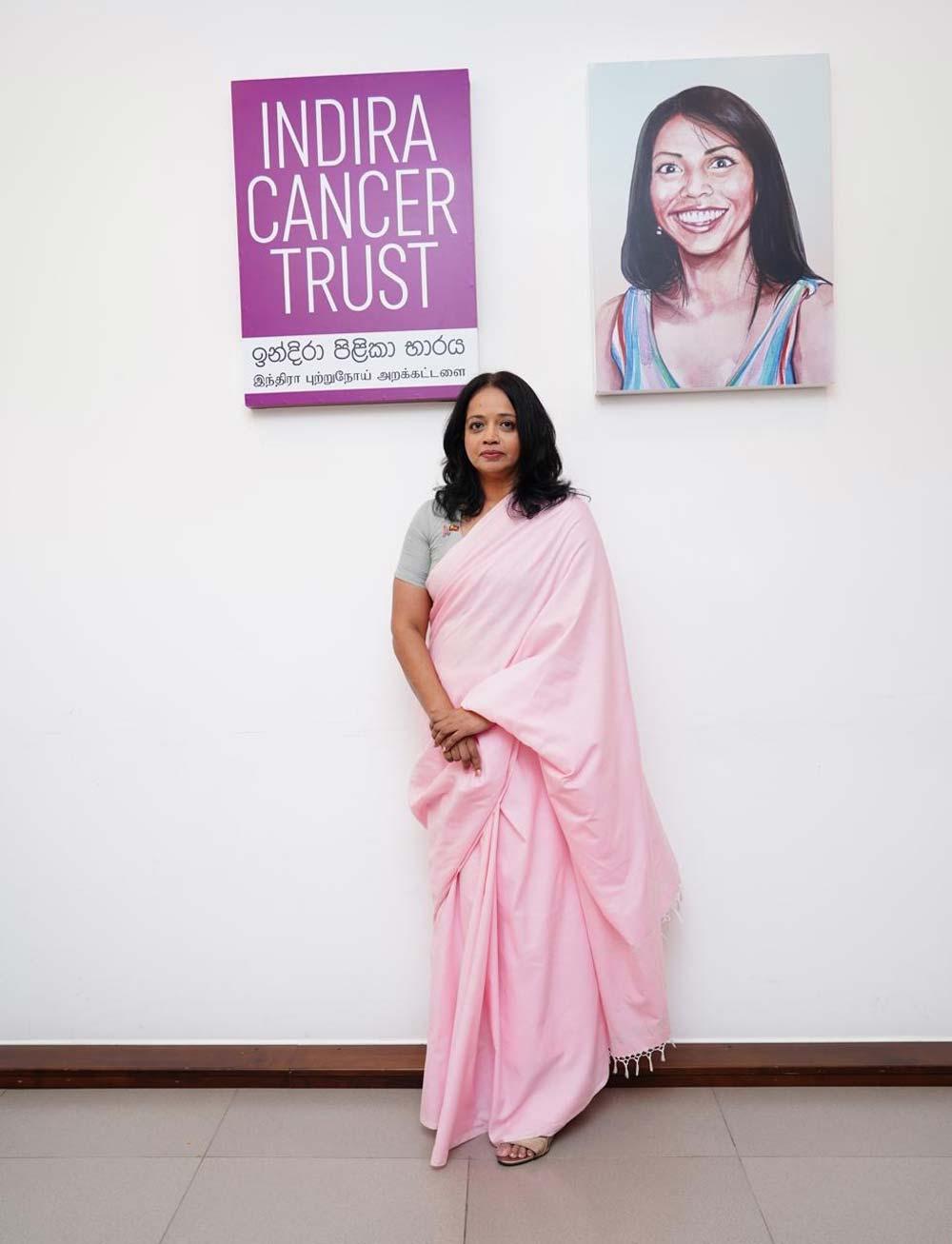
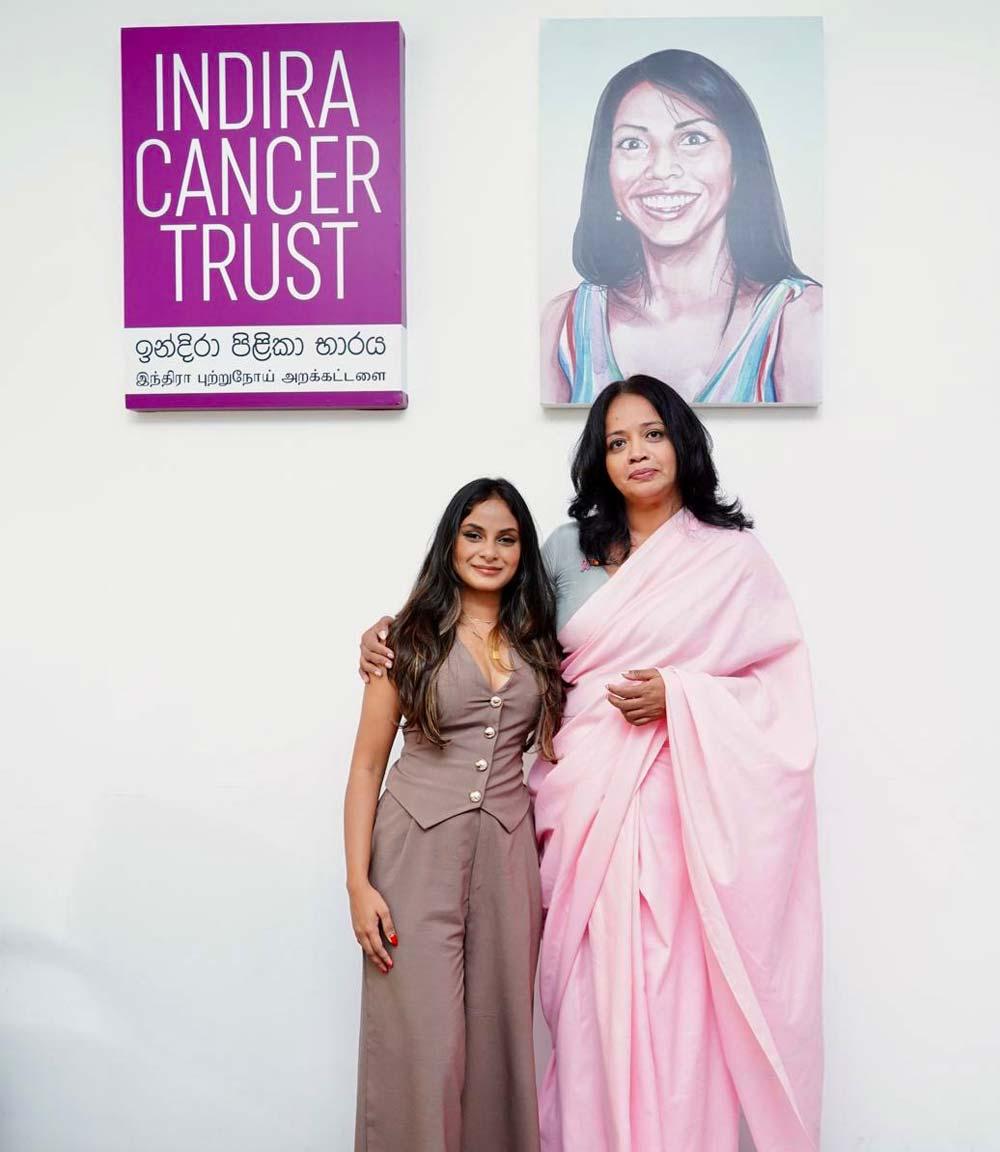
As Chairperson and Trustee of the Indira Cancer Trust, established in memory of her sister Indira Jayasuriya, she has helped create vital support services for cancer patients and their families. She also leads Suwa Arana – A Place for Healing, Sri Lanka’s first pediatric palliative care and family support center, providing care and support for children with cancer and their loved ones. In this edition of Legacy Builders, we speak with Dr. Lanka Jayasuriya Dissanayake about her journey, the experiences that shaped her purpose, and her vision for a more compassionate future.
To begin, could you tell us about your early days?
My early days were centred around family. My mother, Dr. Vasantha Jayasuriya, my father, Hon. Karu Jayasuriya, my sister Indira and I were very close. Family was everything to us. We grew up watching the way our parents treated each other, their own parents, the time they gave to family, and the respect and care they showed to others. They engraved in us the importance of duty, humility, compassion and education. Education was valued above everything else. We were also brought up in a very religious setting, which shaped our values from a young age. At the same time, our childhood changed suddenly when my sister and I had to go to boarding school in the United Kingdom. I was 15 and my sister was 12. At that time, my father was involved in the privatization of United Motors, and JVP cadres came to our house and attempted to take him away. This incident deeply shook my parents. For our safety, they decided to send us to the UK. It was a major culture shock. We had grown up in the safety and protection of our parents, and suddenly we were out in the world. We were very sheltered children, and that experience forced us to grow up quickly. It was difficult, but it also shaped us. What we are today comes from our parents, who nurtured us lovingly, but also made us understand responsibility.
Growing up in a family deeply involved in public service, what were some of the most influential lessons you learned from your parents?
The most important lesson was that public service is not about position. It is about people. My parents taught us humility, kindness, discipline and duty. They showed us that whatever role you hold; you must remain grounded. They also taught us that compassion must be practiced, not merely spoken about. My mother and father both lived those values. We saw it in how they treated people, how they cared for family, and how they responded to those in need. Those lessons stayed with me far more than anything written in a book.
What inspired you to pursue medicine, and was there a defining moment that confirmed this was your calling?
Medicine was almost generational in our family. My mother was a doctor, and her father was also a doctor. My mother inspired me deeply. She worked at the Eye Hospital and later joined the Colombo Municipal Council. I distinctly remember that every time she moved to a new station, she would organize a shramadana. She would clean, paint and improve the place, and we would go and help her. She also conducted many free clinics. As children, we would go with her, ring the bell, watch her examine patients and see the smiles on people’s faces. Those memories stayed with me. It is quite ironic that recently, when I was speaking to my elder daughter Samadhee about why she chose medicine, she told me something very similar. She said she had watched me seeing patients in the estates, and she remembered how the children would come and help and how people smiled after being treated. So, perhaps medicine is not only something we choose. Sometimes it is something we absorb from watching those before us.
The Indira Cancer Trust has become a source of support for many families. Could you share the story behind its establishment and what motivated you to take on this mission?
The Indira Cancer Trust was established after the passing of my sister, Indira Jayasuriya, due to breast cancer. As a family, we experienced first-hand how cancer affects not only the patient, but the entire family. The idea for the Trust really began at my sister’s bedside. My father was with her until the end, holding her hand. What moved him deeply was the kindness, care and support given to Indira and to all of us as a family while she was in hospital in the UK. She was peaceful. She had no pain. There were no unnecessary tubes. We were allowed to be with her, as a family, with dignity and love. That experience stayed with my father. At her bedside, he said that we must do something, so that families in Sri Lanka would also feel supported during such a difficult journey. Even when medical treatment is available, families face many other challenges; transport, medicines, investigations, food, accommodation, emotional distress and fear. Many people suffer silently. We wanted to respond to those gaps. The Trust began with two programmes: a cancer helpline and a cancer camp. From there, it has grown into an organization with 24 programmes supporting patients and families in many different ways. The beauty of the Indira Cancer Trust is that it is driven largely by volunteers, together with a dedicated staff team. It began from grief, but over time it became a way of serving others, and of helping families feel that they are not alone.
Cancer affects not only patients but entire families. What have been some of the most profound lessons you’ve learned from working closely with those facing this journey?
Patients and families have taught me courage in its purest form. I have seen mothers who have very little still smile for their children. I have seen children going through treatment who still want to play, learn and dream. I have seen families carry unbearable pain with dignity. The greatest lesson is that we must never judge another person’s struggle from the outside. We often do not know what people are carrying. That is why empathy matters. A kind word, a small act of support, or simply taking time to listen can make a real difference.
Throughout your journey, what has been the most emotionally rewarding moment of your career?
When I look at my career, I see different stages that shaped me. My first job was at the National Hospital of Sri Lanka and the University of Colombo, in the Professorial Medical Unit. We saw more than 100 patients, and I used to love speaking with them. I would go around the ward and talk to each person. That human connection meant a great deal to me. Later, I worked in the private sector at Nawaloka Hospital and Lanka Hospitals. But the tsunami changed everything. I felt I had to do something more. That was the beginning of my public health journey. At the Sri Lanka Red Cross Society, I served as Executive Director of Health. My final formal job was with the World Health Organization. That is where I learned to see the bigger picture and understand the possibility of wider impact. The WHO invested heavily in me. I travelled, trained globally and learned from many systems and experts. That exposure allowed me to serve better.
How do you balance family, professional life and the responsibilities of humanitarian work?
Family is everything to me. My parents and my own family. My husband Navin and my daughters Samadhee and Mahita are central to my life. We saw how much love, time and attention our parents invested in us. In the same way, Navin and I have tried to invest in our children and our family. Of course, balancing everything is not easy. There are many demands and responsibilities. But duty begins at home. The same compassion and commitment we speak of in public life must also be practiced within our own families.
What advice would you give to aspiring doctors and healthcare professionals who hope to make a difference beyond clinical practice?
Medicine is a long journey. It is not simply a job. When someone is at their lowest, they place their life and trust in us. That is an enormous responsibility. So, my advice to young doctors is to understand the seriousness of the path. Become good at what you do. Be disciplined. But also remember that patients are not cases or numbers. They are people, with families, fears and hopes. If you want to make a difference beyond clinical practice, start by being a good doctor and a kind human being.
What legacy do you hope your work will leave for future generations?
I do not believe strongly in the idea of a personal legacy. I feel that can become too focused on the individual. What I would like to see is a culture of volunteering, doing good, seeing the good in others and being good. I believe deeply in value-based education, because values shape how people live, work and treat one another. If the work we do encourages more people to serve, to be compassionate, and to understand that each of us has a responsibility towards society, that is enough.
Finally, when people look back on your journey decades from now, what would you like them to remember most about Dr. Lanka Jayasuriya Dissanayake?
I am not sure I want to be remembered in a personal way. What I would like is for people to understand how blessed they are, and to remember that each person is fighting their own battle. We should therefore be empathetic, kind and careful in how we treat others. I also believe we must choose our battles carefully. Not everything deserves our energy, but helping someone, reducing suffering and creating a kinder society will always matter. If anything from my journey remains, I hope it is the message that compassion is not weakness. It is one of the greatest strengths a society can have.