IN CONVERSATION WITH AYANTHI GURUSINGHE PRESIDENT, CEYLON CHAMBER OF WOMEN ENTREPRENEURS
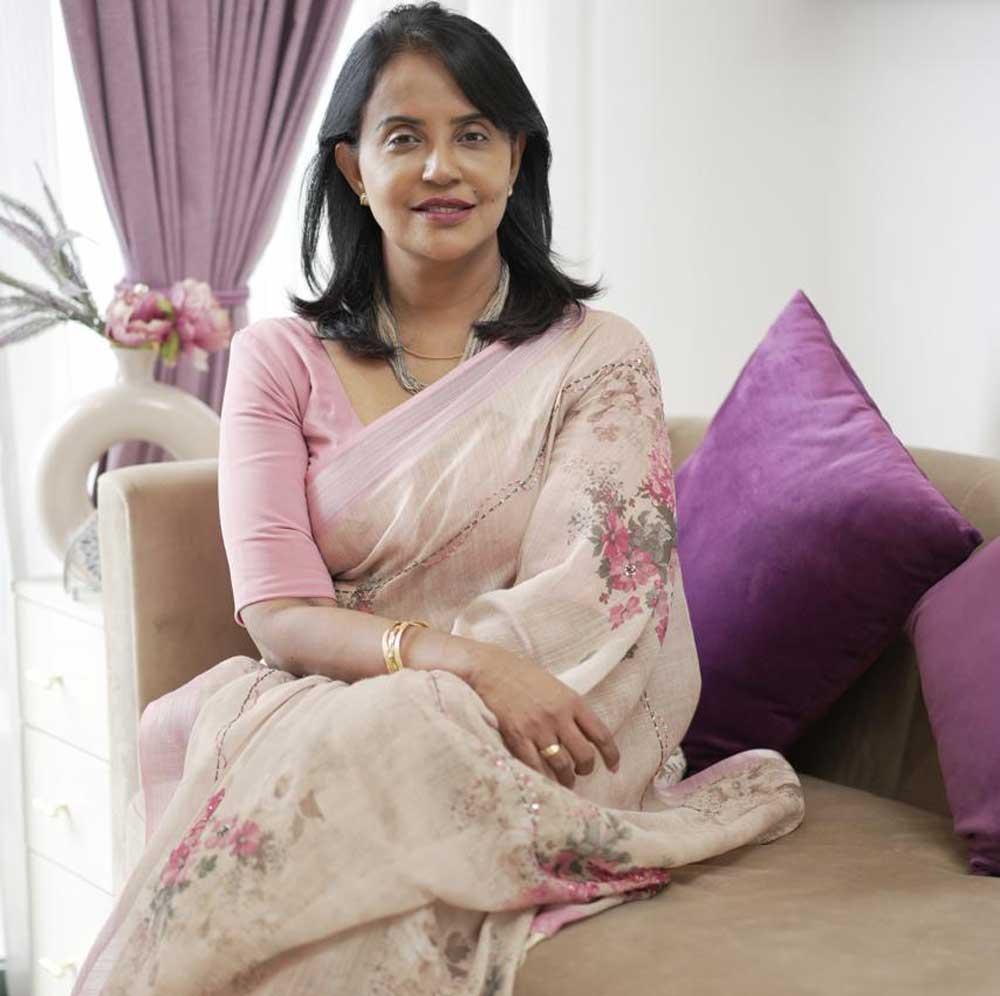
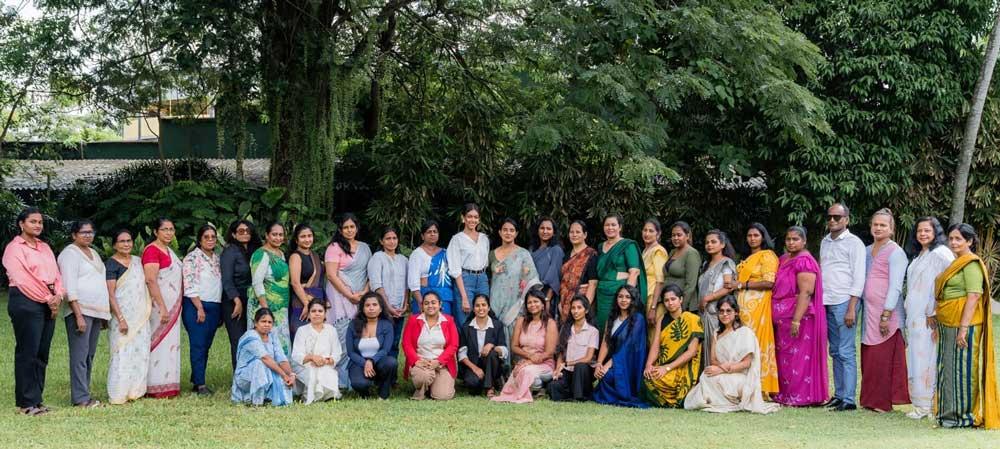
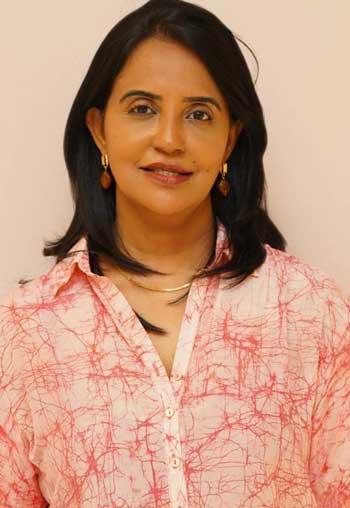 Today on Legacy Builders, we are honoured to feature Ayanthi Gurusinghe, a distinguished entrepreneur, trade specialist, and champion of women’s economic empowerment. As the Founder and Managing Director of Cord360, an innovative e-commerce and international trade platform, Ayanthi has played a pivotal role in connecting entrepreneurs, exporters, and startups with global markets. Her expertise spans international trade, export development, digital commerce, industrial policy, and entrepreneurship development. Beyond her business achievements, Ayanthi has become a powerful voice for women entrepreneurs across Sri Lanka and South Asia. Through her leadership roles with the Ceylon Chamber of Women Entrepreneurs and regional organizations, she has worked tirelessly to equip women with the knowledge, skills, networks, and opportunities needed to succeed in business. Her journey reflects resilience, innovation, and a deep commitment to creating inclusive economic growth. Today, we explore the experiences, lessons, and vision that have shaped her remarkable career and the lasting legacy she continues to build for future generations of entrepreneurs.
- Before we discuss your current work, could you tell us about your childhood and the experiences that shaped your leadership journey?
I grew up in a modest Sri Lankan family where values such as hard work, integrity, faith, and service to others were deeply ingrained. My parents taught my sister & I that education was not only a privilege but also a responsibility. From a young age, I observed the resilience of women in our communities; women who carried enormous responsibilities yet often remained unseen and unheard. Those early experiences shaped my understanding of inequality and opportunity. They also inspired my passion for development, entrepreneurship, and community empowerment. Throughout my career, whether working with government, international organizations, or the private sector, I have always been motivated by one question: how can we create opportunities for people to reach their full potential? That question continues to guide my leadership journey today.
- Was entrepreneurship always part of your career vision, or did your path evolve through opportunities and challenges along the way?
My path evolved over time. I began my career as a bank employed by a foregin banker then moved to United nations as served as an economist and development practitioner, working with low-income dwellers, both locally and internationally which later evolved to be a senior consultant to spearhead national policies, trade, and economic development initiatives. Through this work, I saw firsthand how entrepreneurship creates jobs, drives innovation, and transforms lives. As I engaged more closely with entrepreneurs, especially women entrepreneurs, I realized that many brilliant business ideas never reached their full potential because of limited access to markets, finance, networks, and knowledge. This inspired me to become more actively involved in building platforms that support entrepreneurs. Entrepreneurship was not my original destination, but it became my calling because I saw its power to create sustainable and inclusive economic growth.
3. As President of the Ceylon Chamber of Women Entrepreneurs, what inspired your commitment to advancing women’s economic empowerment?
My commitment comes from witnessing the untapped potential of women across Sri Lanka. In every district, I meet women with remarkable talent, creativity, and determination. Yet many face structural barriers that prevent them from growing their businesses and achieving economic independence. Economic empowerment is about more than income. It is about dignity, confidence, decision-making power, and creating opportunities for future generations. Through CCWE, we are creating platforms where women can learn, connect, access markets, and become leaders in their communities. When women succeed, families prosper, communities thrive, and nations become stronger.
4. CCWE’s vision is to create an inclusive and sustainable entrepreneurial ecosystem. Why is inclusion such an important component of economic development?
Economic growth is most powerful when it benefits everyone. Inclusion ensures that opportunities are not limited to a select few but are accessible to people from different backgrounds, abilities, communities, and regions. Many women, particularly those in rural communities and marginalized groups, possess extraordinary entrepreneurial potential but lack access to resources and networks. If we exclude these individuals, we lose innovation, talent, and economic value. Inclusion is not charity; it is smart economics. A truly sustainable economy is one where every person has the opportunity to contribute and succeed.
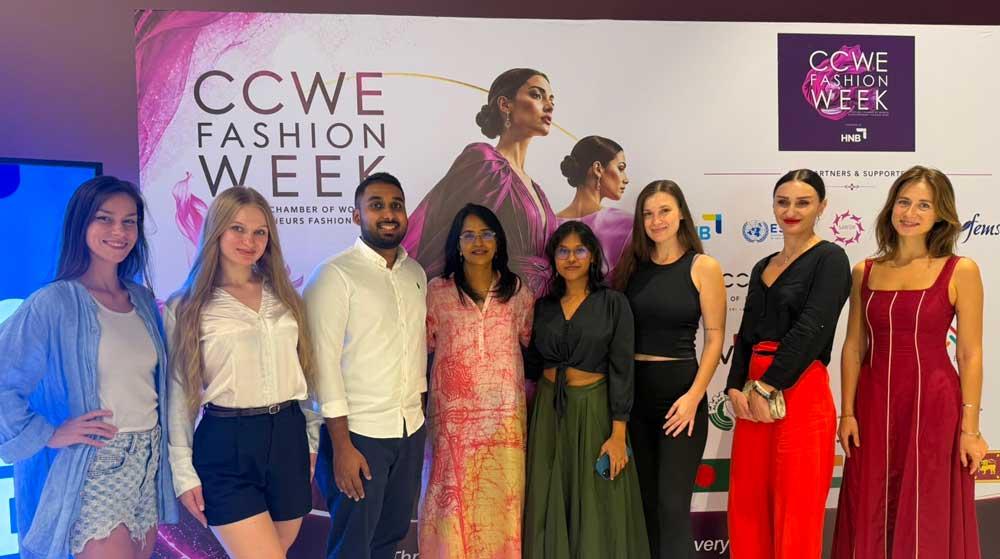
5. This year’s theme, “Threads of Inclusion – Woven from Every Walk of Life,” is particularly powerful. What inspired this theme, and what message do you hope it sends to Sri Lanka and the wider South Asian region?
The theme reflects our belief that every individual matters and every story has value. Society is like a fabric woven from many different threads. Its strength comes not from uniformity but from diversity. We wanted this theme to celebrate women from all walks of life—entrepreneurs, artisans, designers, professionals, rural producers, young innovators, and individuals from marginalized communities. Our message is simple: inclusion creates strength. By embracing diversity and creating opportunities for all, we build stronger economies, stronger communities, and a stronger South Asia.
6. The theme suggests that every individual’s story matters. How can business platforms ensure that women from rural communities, marginalized groups, and underrepresented backgrounds are not left behind?
The first step is intentional inclusion. Opportunities do not automatically reach everyone. Organizations must actively seek out women in rural and underserved communities and create pathways for their participation. At CCWE, we work through community organizations across the country, provide training, mentorship, market access opportunities, and create platforms where diverse voices can be heard. We also advocate for policies that remove barriers to participation. Inclusion must move beyond conversation and become a deliberate action embedded in every programme and initiative.
7. Many women possess extraordinary talent but lack access to opportunities. In your view, what are the biggest barriers preventing women from reaching their full entrepreneurial potential?
Access to finance remains one of the biggest challenges. Many women struggle to secure capital to start or expand their businesses. Market access is another major barrier, particularly for rural entrepreneurs. In addition, women often face social expectations that place multiple responsibilities on them, leaving limited time and support for business growth. Confidence and access to professional networks can also be obstacles. Addressing these challenges requires collaboration between government, private sector institutions, development partners, and organizations such as CCWE.
8. Fashion Week may seem unconventional for a chamber of entrepreneurs. Why did CCWE choose fashion as the vehicle for this summit?
Fashion is one of the most inclusive industries in the world. It connects designers, artisans, handloom producers, textile manufacturers, photographers, models, makeup artists, retailers, and consumers. Behind every garment is a value chain that creates livelihoods and opportunities. We chose fashion because it is both an economic sector and a platform for storytelling. Through fashion, we can showcase entrepreneurship, culture, creativity, sustainability, and inclusion. The Fashion Week is not merely a runway event; it is an economic empowerment platform designed to create visibility and opportunities for women-led enterprises.
9. You have described fashion as more than an industry. How can fashion become a tool for economic empowerment, cultural preservation, and social inclusion?
Fashion has the power to create jobs, preserve heritage, and celebrate identity. Sri Lanka possesses rich traditions in handloom, crafts, embroidery, and textile production. By integrating these traditions into modern fashion, we can create economic opportunities while protecting cultural heritage. Fashion also provides a platform for people from different backgrounds to participate and be represented. It can challenge stereotypes, promote diversity, and amplify voices that are often overlooked. When used thoughtfully, fashion becomes a powerful vehicle for social and economic transformation.
10. Market access remains a challenge for many women-led enterprises. What strategies is CCWE implementing to help women reach international markets?
CCWE focuses on building market readiness and creating connections. We provide training on export standards, digital commerce, branding, and business development. Through our partnerships and networks, we connect entrepreneurs with buyers, investors, and international opportunities. Our collaboration with regional and international partners, including South Asian networks and development organizations, helps women entrepreneurs expand beyond local markets through ecommerce platforms like cord360.com We want women-owned businesses not only to survive but to compete confidently on the global stage.
11. South Asian cooperation is a major focus of the summit. Why is regional collaboration essential for the future growth of women-led businesses?
South Asia is home to extraordinary entrepreneurial talent. While each country has unique strengths, many of the challenges women entrepreneurs face are similar. By working together, we can share knowledge, build partnerships, create trade opportunities, and learn from each other's successes. Regional collaboration also opens doors to larger markets and stronger networks. Through the South Asian Women Development Forum and our regional partnerships, we are building bridges that enable women entrepreneurs to grow beyond national boundaries and contribute to a more connected and prosperous region.
12. Finally, what does the phrase “Legacy Builder” mean to you personally, and what legacy do you hope future generations will remember you for?
For me, a legacy builder is someone who creates opportunities that continue long after they are gone. It is not about titles, recognition, or personal achievements. It is about empowering others to succeed and creating systems that enable future generations to thrive. If there is one legacy I hope to leave behind, it is a platform that has helped thousands of women believe in themselves, build sustainable businesses, and create better futures for their families and communities. I hope people will remember me not for what I achieved personally, but for the opportunities I helped create for others.