IN CONVERSATION WITH MANOJI WADUGODAPITIYA

FOUNDER AND CHAIRPERSON, PAMS HYDRO POWER (PVT) LTD, ARSULANA ECO LODGE, AND SIMPLY WOMEN ORGANIZATION
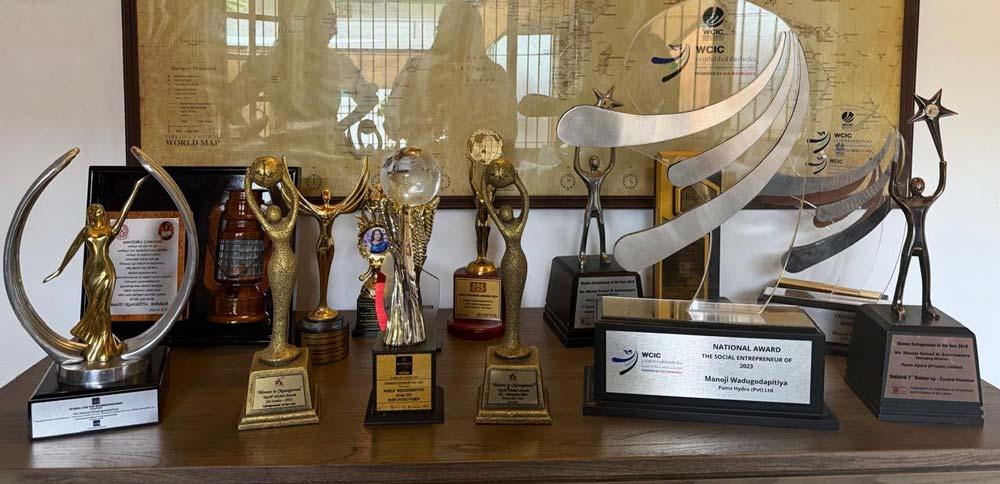
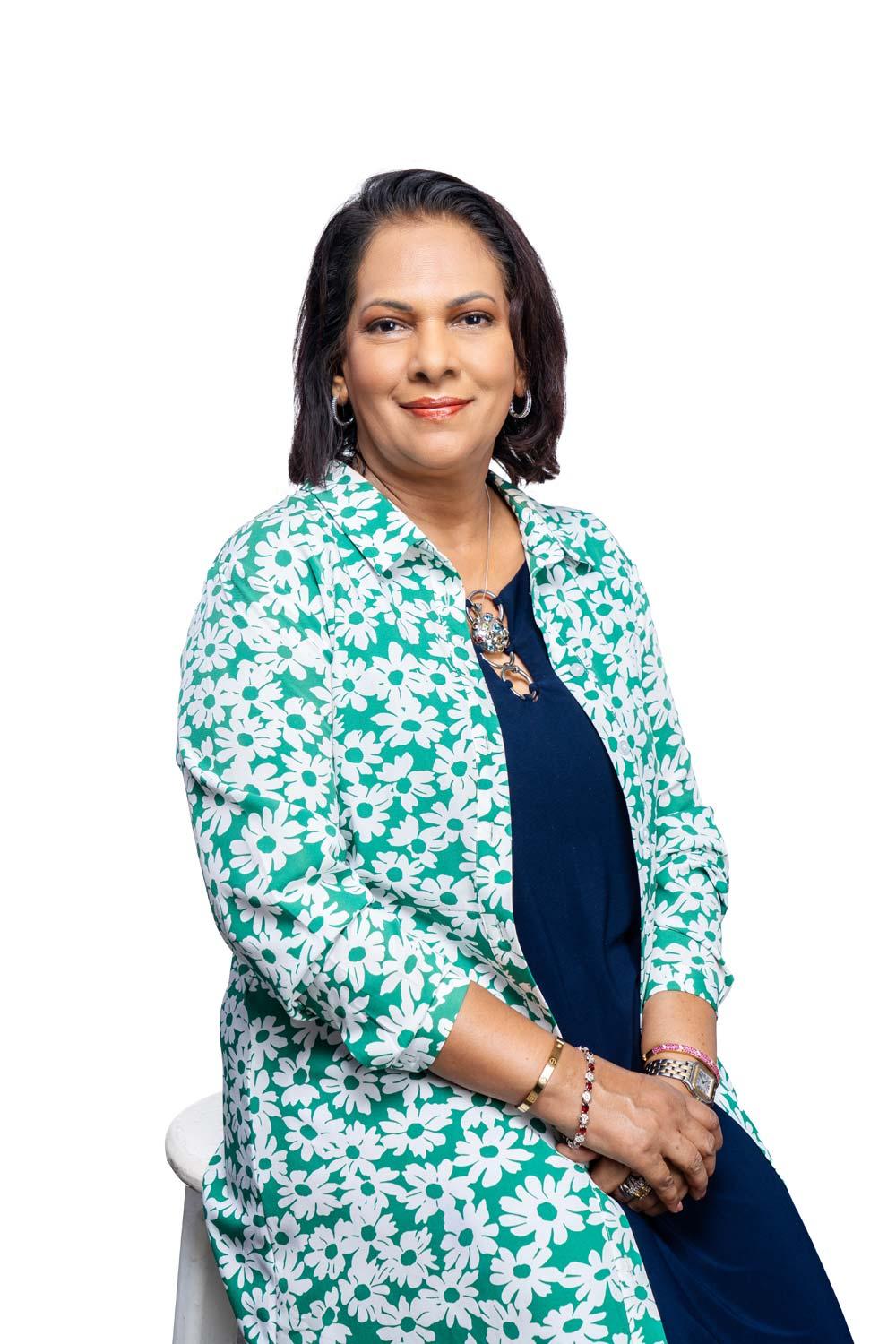
Success is often measured by personal achievement, but true legacy is built through the lives we transform. Few individuals embody this principle better and one such individual is Manoji Wadugodapitiya, an entrepreneur, philanthropist, and changemaker whose work has touched countless communities across Sri Lanka. As the Chairperson of PAMS Hydro Power (Pvt) Ltd and Arsulana Eco Lodge, and the Founder of the Simply Women Organization, Manoji has successfully combined business excellence with social responsibility. Her journey spans renewable energy, sustainable tourism, women’s empowerment, and humanitarian service, demonstrating how entrepreneurship can become a powerful vehicle for positive change. Recognized nationally and internationally for her contributions, including being named Entrepreneur of the Year at the Top 50 Professional and Career Women’s Global Awards, Manoji has dedicated her life to creating opportunities for others. Through Simply Women, she has helped thousands of women gain vocational skills, financial independence, and renewed confidence in their futures. Today on Legacy Builders, we are honoured to feature a woman whose fearless leadership, resilience, and compassion continue to inspire a new generation of entrepreneurs and changemakers.
 Could you tell us a bit about your childhood?
I was fortunate to have a very happy and free childhood. Since my parents were away from Sri Lanka for much of my early life, I was primarily raised by my grandparents. My grandfather strongly believed in giving children the freedom to grow, explore, and discover who they truly are, rather than forcing them into predetermined paths. Unlike today, where children often face immense academic pressure from a very young age, my childhood was filled with freedom, play, and happiness. My grandmother sometimes worried because I was more interested in enjoying life than focusing on studies, but my grandfather always reassured her that every child develops in their own time. Looking back, I firmly believe that the foundation of our character, confidence, and values is built during childhood. Children should be allowed to grow into who they are meant to become, rather than being pushed into society’s expectations. Not everyone is meant to be a doctor or an engineer. Every individual has a unique purpose, and it is our responsibility to help children discover their own path.
Was entrepreneurship always part of your vision, or did your career journey evolve unexpectedly?
Entrepreneurship was always part of my vision. From a young age, I wanted to earn my own money and become financially independent. My motivation was never simply wealth; it was the desire to help others. I realised early on that if you want to make a meaningful difference in society, you need resources and stability. Initially, I wanted to become a lawyer. However, circumstances prevented that path from materialising. I then worked briefly in accountancy but quickly realised it wasn’t where my passion lay. A turning point came when I joined Air Lanka, where I spent seven years. Those years taught me discipline, professionalism, and resilience. They also exposed me to different cultures and experiences that broadened my perspective. Looking back, every step of that journey helped prepare me for entrepreneurship and leadership.
Building a successful hydro power project requires vision, resilience, and courage. What were some of the biggest obstacles you faced during that journey?
Every business faces challenges, but I have always believed that obstacles become manageable when approached with the right attitude. Hydro power projects are unique because they involve entire communities. From the beginning, I made a conscious decision to integrate local villagers into the project rather than treating them as outsiders. Many of the people who originally joined as labourers were trained and eventually became operators, technicians, and valuable members of the organisation. I believe that people perform their best when they feel valued. That’s why I make it a point to understand not only my employees’ professional needs but also their personal circumstances. I ensure their children receive good education, support their families where possible, and create opportunities for their spouses to generate income as well. I have a strict zero-tolerance policy towards bullying, discrimination, or workplace harassment. Every employee deserves respect and dignity. I regularly speak with employees at every level, from managers to gardeners, because I want everyone to feel heard. When people feel respected, they don’t work for you, they work with you. That philosophy has helped us overcome challenges and build a strong, loyal workforce that treats the organisation as their own.
What inspired you to establish the Simply Women Organization, and what gap in society were you hoping to address?
For many years, I dreamed of creating an organisation dedicated to helping others. Once I became financially stable, I felt it was my responsibility to give back to society in a meaningful way. One thing I consistently noticed was the immense untapped potential among women, particularly in rural communities. I would see talented women spending hours without opportunities to develop skills or generate income. I knew that if given the right support, many of them could transform not only their own lives but the lives of their entire families.
That belief led to the creation of Simply Women. Through the organisation, we provide vocational training in sewing, handicrafts, footwear production, candle making, and many other skills. However, our work goes beyond vocational education. We also focus on personal development, confidence building, financial independence, grooming, communication, and life skills. Our goal is simple, to empower women to become self-reliant and confident contributors to society.
What have you learned from working closely with underprivileged women and prison inmates across Sri Lanka?
Working with prison inmates has been one of the most humbling experiences of my life. Society often assumes that everyone in prison is a bad person, but many inmates have complex stories and circumstances behind their situations. Through my work since 2015, I have met remarkable women who have shown extraordinary resilience, kindness, and strength despite facing immense hardships. Many inmates simply lacked support systems, opportunities, or guidance. Some made mistakes during difficult moments in their lives. Others became victims of circumstances beyond their control. My work focuses on restoring dignity and hope. We provide vocational training, improve living conditions, support children living within prison facilities, and create opportunities for rehabilitation. The biggest lesson I have learned is the importance of empathy. We should never judge people solely by their circumstances. Every person deserves compassion, understanding, and a second chance.
As someone deeply involved in community development, what changes would you most like to see in Sri Lanka over the next decade?
I would like to see greater involvement from successful individuals and businesses in addressing social challenges. The government cannot solve every problem alone. Citizens who have achieved stability and success also have a responsibility to contribute to society. Whether it is supporting education, healthcare, prisons, women’s empowerment, or community development, every contribution matters. I also hope to see stronger support systems for vulnerable communities, particularly women, children, cancer patients, and prison inmates. Through collective effort, we can create a more compassionate and inclusive Sri Lanka. Most importantly, I would like to see a society where people help one another more often. The more we give, the stronger our communities become.
Have there been moments when you questioned your path, and how did you overcome those doubts?
Like everyone else, I have experienced moments of doubt and exhaustion. There are days when the responsibilities feel overwhelming, especially when balancing businesses, charitable initiatives, community projects, and prison reform work. Sometimes I find myself working late into the night and waking up early the next morning to continue.
However, whenever I begin to question my path, I remind myself why I started. The greatest motivation comes from seeing the positive impact of the work. Whether it is a woman who has built a successful business after attending our training programmes, a child who can continue their education because of a scholarship, or a prison inmate whose life has improved through rehabilitation, those moments remind me that the work is worthwhile. The happiness and gratitude I receive from the people I help cannot be measured in money. That sense of purpose gives me the strength to continue. I have also been inspired by my family, particularly my parents. My father was a doctor and one of the founding figures of the Teaching Hospital, and service to others was always an important value in our household. Watching my family dedicate themselves to helping people taught me that true fulfilment comes not from what we accumulate, but from what we contribute. Whenever doubts arise, I focus on the lives that have been changed and remind myself that every act of kindness creates a ripple effect. That belief keeps me moving forward.
How do you maintain a balance between your professional responsibilities, philanthropy, and personal life?
For me, balance comes from integrating my values into every aspect of my life rather than separating them into different compartments. I take my professional responsibilities very seriously. Whether it is the hydro power projects, the resort, or any of my other ventures, I remain personally involved because I believe leadership requires accountability. I make it a point to know my employees, understand their circumstances, and ensure their wellbeing. When people feel valued and respected, they naturally become more committed to their work. My philanthropic work is not something separate from my career, it is an extension of who I am. Helping communities, supporting women, improving prison facilities, and investing in education are all part of my purpose. As for personal life, I must admit that I dedicate much of my time to work and service. However, I still make time for simple activities that bring me joy. I enjoy cycling in the mornings, dancing, and spending time with my family. What truly keeps me balanced is the satisfaction I gain from helping others. When you are passionate about what you do, it does not feel like a burden. The happiness that comes from seeing others succeed creates its own sense of balance and fulfilment.
If you could leave one message for young women who aspire to become leaders, entrepreneurs, and changemakers, what would it be?
My message would be simple: never forget where you started and never stop helping others along the way. Success should never make you lose your humanity. As you grow in your career and achieve your goals, remember the people who supported you and the opportunities that helped you reach where you are today. Use your success to lift others. I especially encourage young women to support one another. Too often, jealousy, competition, and negativity prevent women from helping each other grow. Instead of seeing another woman’s success as a threat, celebrate it. If you can help someone progress, do so wholeheartedly.
Kindness, empathy, and integrity are qualities that will take you much further than power or status ever can. Respect cannot be demanded; it must be earned through your actions and the way you treat people. I also strongly believe that financial independence is important for every woman. Whether you run a multinational company or a small home-based business, having your own income gives you confidence, freedom, and security. Most importantly, remember that leadership is not about authority. It is about service. Treat people with dignity, invest in their growth, and make them feel valued. When you genuinely care about others, success follows naturally.