THE DOOR THAT IS CLOSING
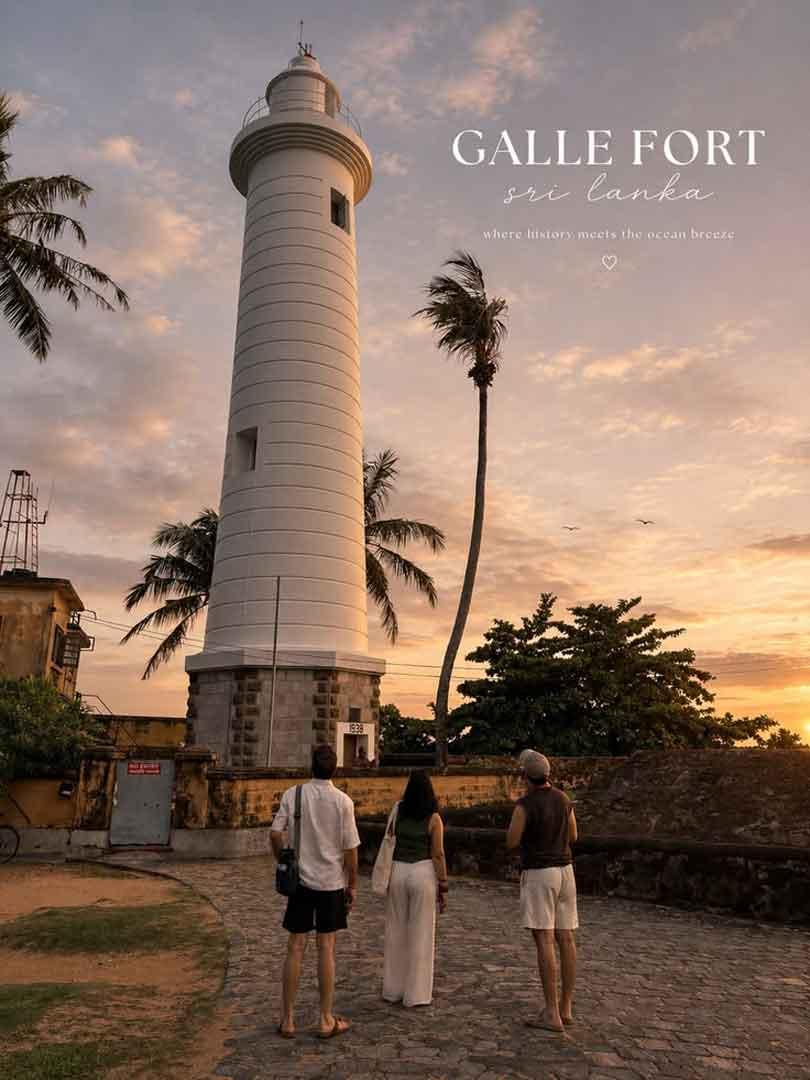
The French couple at the bar in Inverness did not bother to hide it. My girlfriend and I had come to Scotland for a wedding and had stopped for a drink in town. From the look they gave us and the small performance of turning away, the message was clear: we were not wanted there. What struck me was not the rudeness. It was that they were tourists too, foreigners to that place just as we were, and yet somehow, they had decided the space belonged more to them than to us.
It was not the first time recently that I had felt it. Earlier in the month, I was visiting family in New England, where I grew up. We drove from Massachusetts into New Hampshire, a crossing I have made since I was a teenager. Massachusetts is home; it’s easy, liberal, and familiar. But an hour north, in a place where I used to travel during the summers, I felt something I had never experienced before. There was a coldness, particularly from older people in certain towns, a sense of being looked at as though I did not quite belong. Nothing was said. It did not need to be.
I have spent a lot of my life crossing borders. I studied in the US, Paris, and Australia, interned at an embassy in Brussels, worked at a think tank in Europe, and travelled through more than thirty countries across four continents. For most of those years, a brown man with a passport and some curiosity was met with indifference at worst and warmth at best. Which is why I’m not writing this as a spectator, but as someone who used to move through these places easily, and who can feel that ease draining away.
There was a time when I was regularly the one pulled aside at Western immigration counters, asked the extra questions, and made to account for myself. That has softened in some places. I now walk through immigration in Boston, the city where I grew up, so smoothly that they barely glance at my passport, and I will admit it feels wonderful every time. But the counter is not the only border control anymore. The policing of the border has moved into the bar, the bus, the street, and the comment section on social media. And there, the questioning has gotten worse.
A MOOD, MEASURED
It would be easy to dismiss one cold encounter over a drink. But it sits on top of something real and documented. This past year, protests against migrants spread all across Britain, including in Scotland, Wales, and Northern Ireland. Asylum applications reached a record high, tens of thousands of people housed in hotels became flashpoints, and a hard-right party led by Nigel Farage surged in the polls while the government scrambled to look tough enough to keep up.
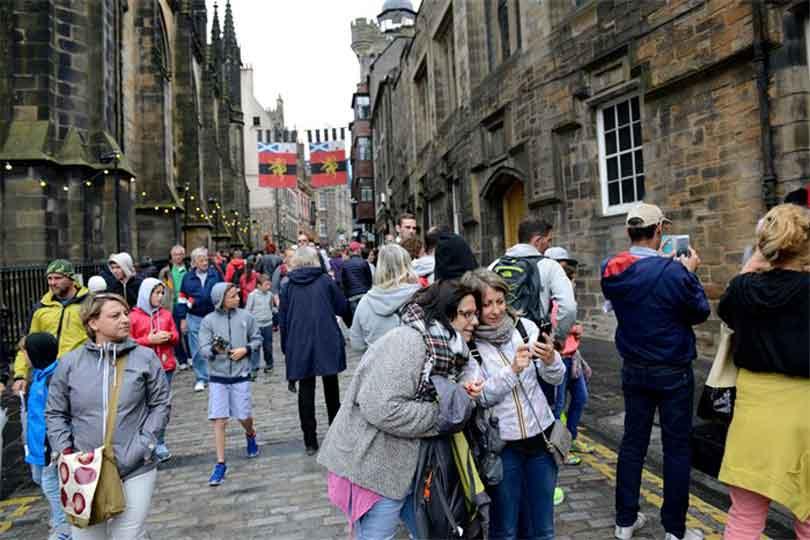
It is not only Britain. Across Europe, the politics of the closed door has moved from the fringe to the mainstream. Giorgia Meloni governs Italy. A nationalist coalition governs Slovakia. In France, Marine Le Pen, though convicted of embezzling European funds, has fought her way back onto the 2027 presidential ballot. In Germany, the hard-right AfD has become a fixture rather than an anomaly. Even where this politics loses, it wins the argument: in the Netherlands last year, the far right was narrowly beaten at the ballot box, yet the tough asylum policies it demanded advance anyway. The warm welcome previously extended to foreigners or visitors has cooled across an entire continent, and it has cooled regardless of who holds office, because the conversation everywhere now begins by treating the foreigner as a problem to be managed. Of course, this attitude towards foreigners has always existed, but what has changed is that the private feeling has seeped into the mainstream and become a public platform.
THE MEN WHO SELL THE FEAR
None of this happened on its own. Frustration is real. Economies are strained, housing is short, and people have a right to be angry about many things. But anger needs direction, and there is now an industry devoted to pointing at the newcomer.
Consider a single recent exchange. Elon Musk, who owns one of the largest communication platforms on earth and speaks to some 240 million followers, has taken to declaring that civil war in Britain is inevitable. Interviewed by the editor of The Economist, herself a Londoner, he repeated it. She asked him a simple question: ‘When were you last in the UK?’ A few years ago, he admitted. She told him the numbers disproved him, that London was safer than any major American city. His answer was to call her a traitor. That is the whole mechanism in ninety seconds. A man who doesn’t live in a country, can’t cite its data, and won’t be corrected; manufacturing a sense of doom for an audience larger than most nations, while someone who lives there points, uselessly, at the facts.
This is the pattern, and it is not confined to one man or one country. Across the United States and Europe, a class of politicians and influencers has learned that fear of the outsider is the most reliable fuel in politics. The heat runs in more than one direction, and it would be dishonest to pretend otherwise; the assassination of the conservative activist Charlie Kirk in America, whatever a court eventually decides about the motive, is a reminder that the fever does not belong to a single side, and the engine underneath is shared. These are not people born to hate. They are people whose real frustration has been handed a target, by others who profit from the aiming.
WHAT WE HAVE THAT THEY ARE LOSING
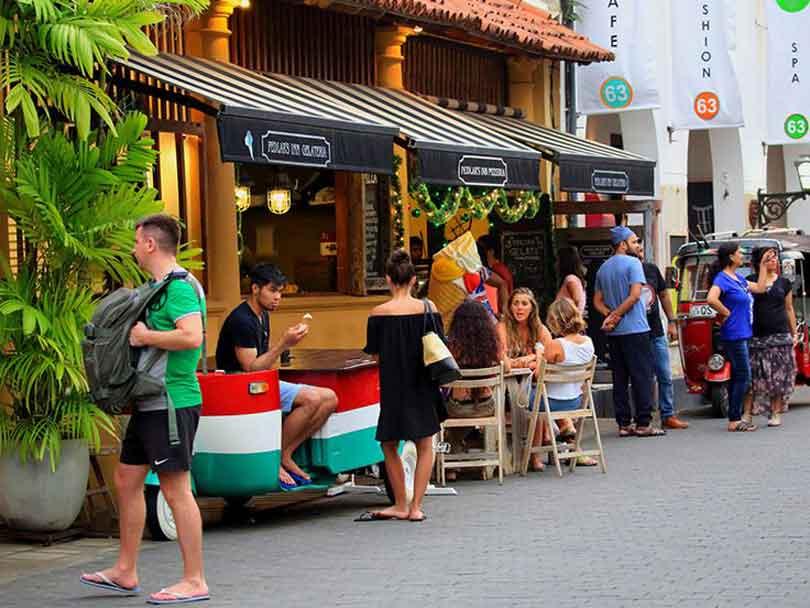
Here is the part that should interest a Sri Lankan reader, because it is about us as much as them. We are a poor country by their measures, still climbing out of the worst economic collapse in our history. And yet we throw our doors open. We offer visas on arrival to much of the world. We welcome the traveller, the investor, the curious stranger, and we do it without asking first where they are from or what they believe. Our tourism runs on it. Our recovery depends on it. Openness, for us, is not a moral luxury. It is an economic strategy, and a sound one.
The countries now closing their doors were the ones that lectured the rest of us for decades about openness and tolerance and the free movement of people and ideas. They built their prosperity on being the places the whole world wanted to come to. And they are, slowly, forgetting why that mattered. A country that makes the foreigner feel unwelcome does not only irk a couple at a bar, but it also has a ripple effect. It tells the students, workers, investors, and the talent of the entire world to go elsewhere. That is not a strength. It is a decline, dressed up as control.
THE TRAVELLER'S WARNING
I will keep going to these places. I have too much history with them, too much affection, to write them off over one bad encounter and a sour mood. Belgium welcomed me generously once, and I hope it still would. Boston still feels like home, passport barely checked, even as an hour north the air has changed. But I no longer assume the welcome.
That is the change worth naming. Not because my comfort matters, but because of what it signals. The West spent a century teaching the rest of us that the open society was the stronger one. It was right. And now, from a poor and recovering island that took the lesson to heart, the strange task falls to us to remember it back to them. Leave the door open. You never know who you are turning away.