
The New Poor: People Who Work Full-Time but Still Can’t Afford to Live
Marian de Silva
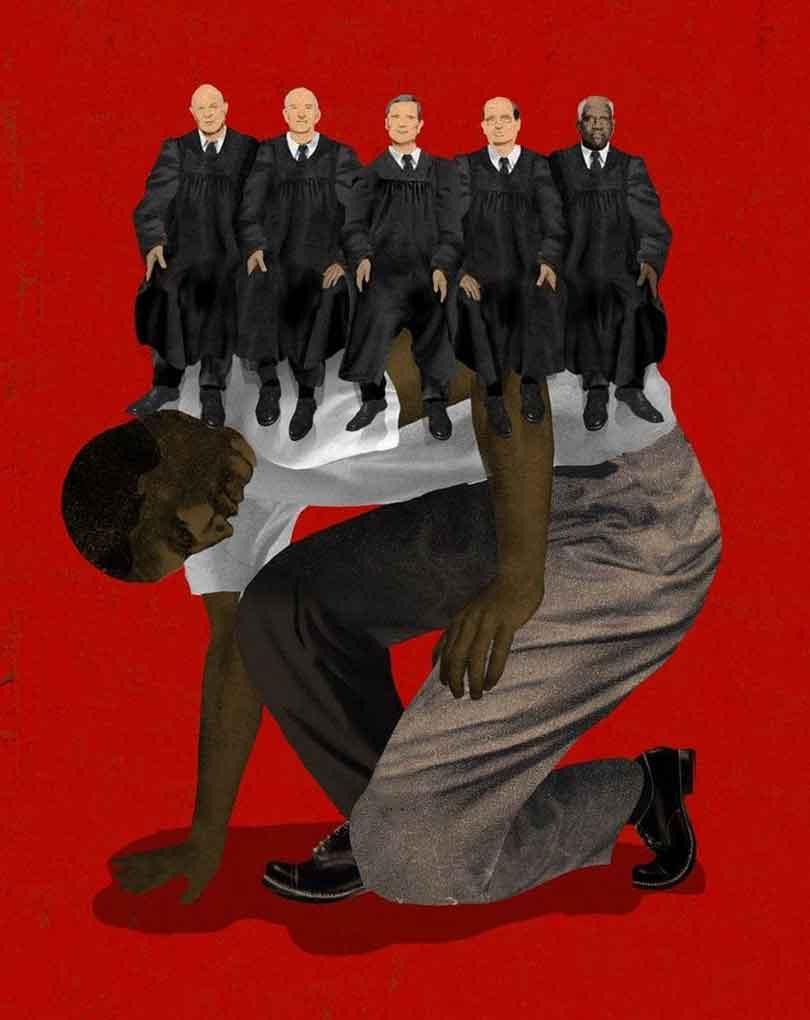
There was a time when having a job was supposed to mean having security. You went to school, got qualified, found employment, worked hard, collected your salary at the end of the month and slowly built a life for yourself. It was not necessarily an easy life, but it was supposed to be a stable one. Today, that promise feels increasingly disconnected from reality.
There is a growing group of people who are employed, educated and working full-time, yet still struggle to afford the basic things that make life comfortable. They are not necessarily unemployed. They are not necessarily living on the streets. They may have a decent-looking job, dress well for work and post a picture from a café every now and then. But behind all of that is a very simple calculation they make every month: what needs to be paid first, and what can wait?
This is the reality of the working poor.
The phrase "working poor" sounds almost contradictory. If someone is working, how can they be poor? But employment alone does not guarantee financial security. A salary can exist without providing a decent standard of living. Someone can work eight or nine hours a day, commute for hours, come home exhausted and still wonder how they are going to pay the next bill.
The problem is not always that people are spending irresponsibly. Sometimes, there simply is not enough left after the essentials are paid.
Rent takes a significant portion of income. Food costs more than it used to. Transport quietly eats away at salaries. Electricity, water, phone bills, internet, medical expenses and family responsibilities continue regardless of whether a person's salary has increased. Then there are unexpected expenses, which have a strange talent for appearing exactly when someone's bank account is at its lowest.
And this is where the idea of a "good salary" becomes complicated. A salary that sounds impressive on paper can look very different once it reaches someone's bank account. Numbers do not tell the whole story. What matters is what that money can actually buy. If someone's income rises by a small percentage while the cost of living rises much faster, they may technically be earning more while effectively being able to afford less.
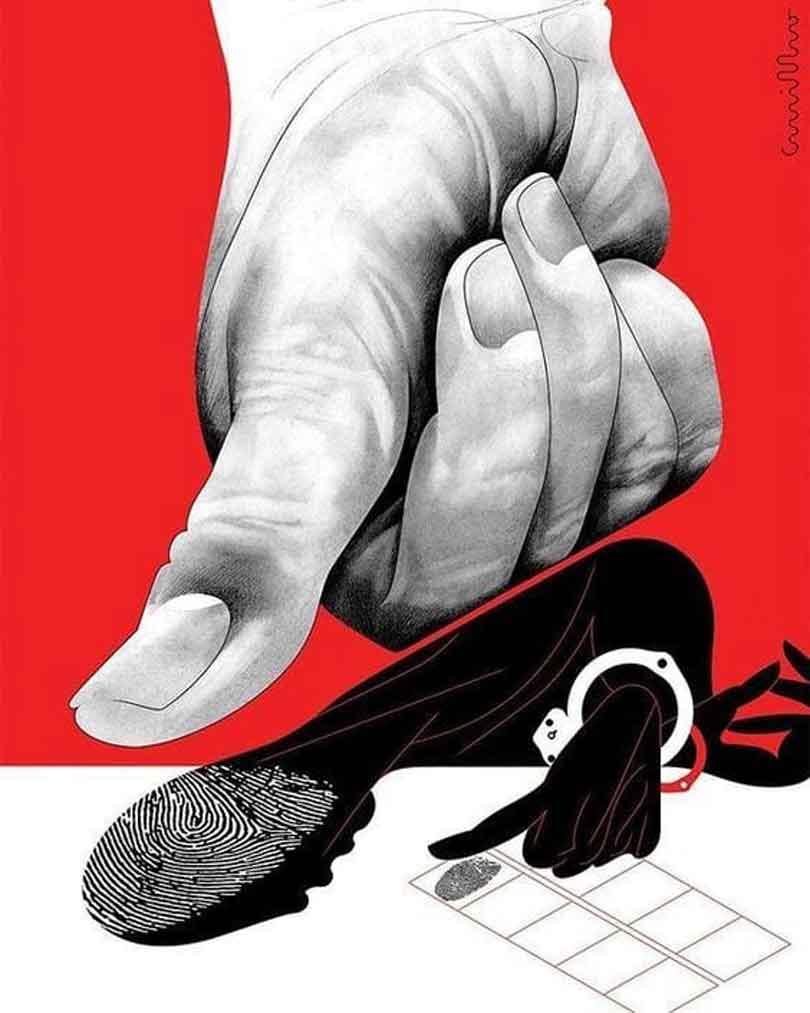
This creates a strange form of poverty that does not always look like poverty. People can be working and struggling at the same time. They can have qualifications and debt. They can have careers and no savings.
They can have monthly incomes and still be one emergency away from financial disaster. Perhaps one of the most uncomfortable parts of this situation is the pressure to look like everything is fine. We live in a society where appearance matters. Nobody wants to admit that they cannot afford something. Nobody wants to be the person who says, "I can't afford that" when friends are making plans. Nobody wants to explain why they are still living with their parents, why they cannot move out, why they are postponing marriage or why buying a car feels impossible.
So, people adapt. They stop going out as often. They delay replacing old phones and laptops. They avoid unnecessary medical appointments. They borrow when they have to. They put purchases on credit. They tell themselves they will save next month. Then next month arrives with another bill.
This is how financial stress becomes normalized. There is also a strange contradiction in modern work culture. We constantly tell young people to study hard, gain qualifications, build skills and work towards a successful career. And they do. They spend years studying. They collect degrees, certificates and experience. They enter the workforce expecting that all of this effort will eventually translate into independence.
But independence has become increasingly expensive.
For many young adults, moving out is no longer simply a personal decision. It is a financial calculation. Can they afford rent? Can they afford transport? Can they afford food? Can they still save anything after paying for everything else? Marriage becomes another calculation. Children become another calculation. Even having a pet can become a calculation.
At some point, life starts feeling less like something you are living and more like something you are budgeting. And perhaps that is one of the biggest consequences of the current cost-of-living crisis. It is not simply changing what people buy. It is changing the decisions people make about their lives.
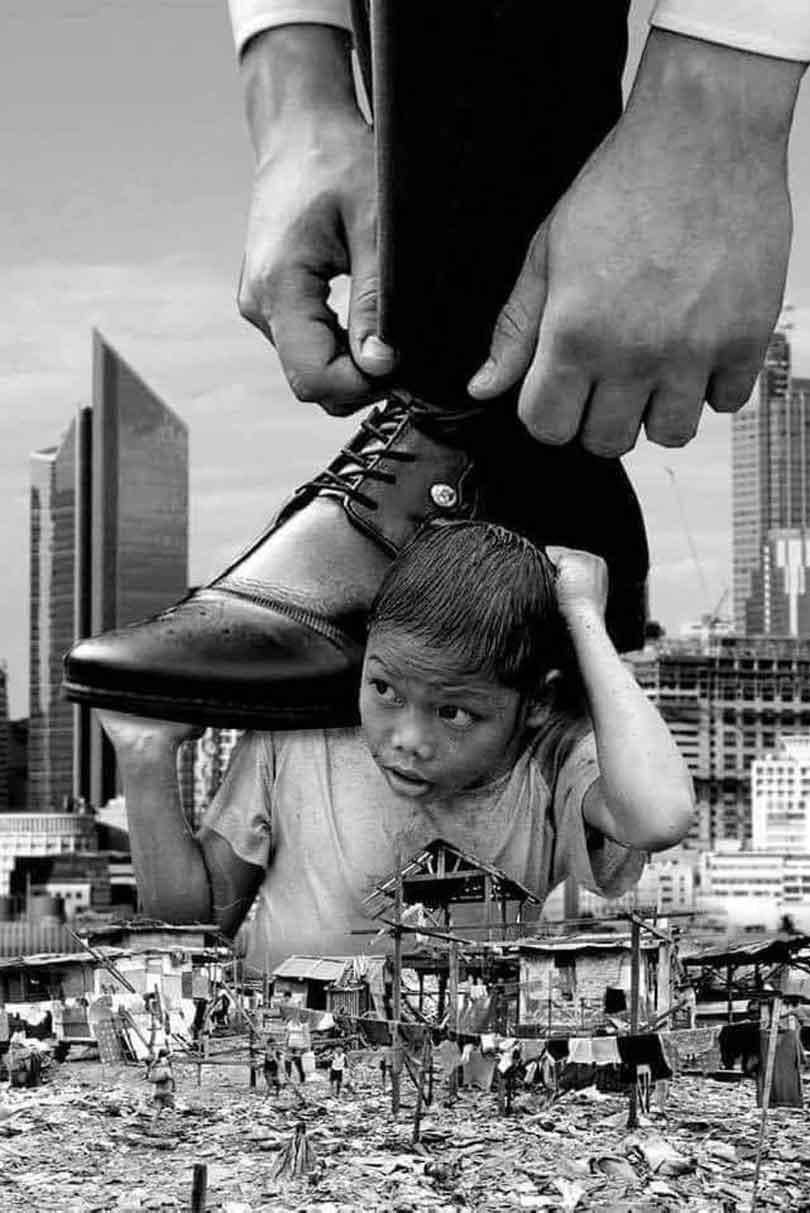
People are postponing major milestones because they cannot afford them. They are staying in jobs they dislike because financial security matters more than job satisfaction. They are working multiple jobs. They are taking on freelance work after their regular working hours. They are turning hobbies into side hustles because apparently even rest needs to become productive.
The side hustle culture is often presented as empowering. There is nothing wrong with earning extra income, of course. But there is something deeply concerning about a society where a person's full-time salary is not enough to give them enough time to rest.
When does ambition become exhaustion? When does productivity become exploitation? And how long can people realistically continue working more simply to maintain the same standard of living? We also need to question the idea that financial hardship is always caused by poor personal choices. Personal responsibility matters, but it cannot explain everything.
It is easy to tell someone to stop buying coffee, stop eating out, stop travelling or stop buying unnecessary things. But even if they eliminate every small luxury from their life, the larger problem does not disappear. Housing is still expensive. Food is still expensive. Transport still costs money. Healthcare still costs money. Education still costs money.
You cannot budget your way out of a structural problem forever. There is another uncomfortable issue here: the difference between surviving and living. Survival means having enough money to get through the month. Living means having enough space in your finances to enjoy your life, plan for the future and deal with unexpected situations without immediately falling apart.
A person who earns enough to pay every bill but has nothing left at the end of the month is surviving. A person who can save, invest, take a holiday occasionally, handle an emergency and make choices without constantly calculating every rupee has something closer to financial security.
We should not confuse the two. A full-time job should not automatically be considered proof that someone is financially comfortable. This becomes especially important when discussing younger generations. They are often criticised for being too demanding, too impatient or unwilling to make sacrifices. Older generations sometimes compare their own experiences with those of today's young workers and ask why young people cannot simply work hard and build a life like they did.
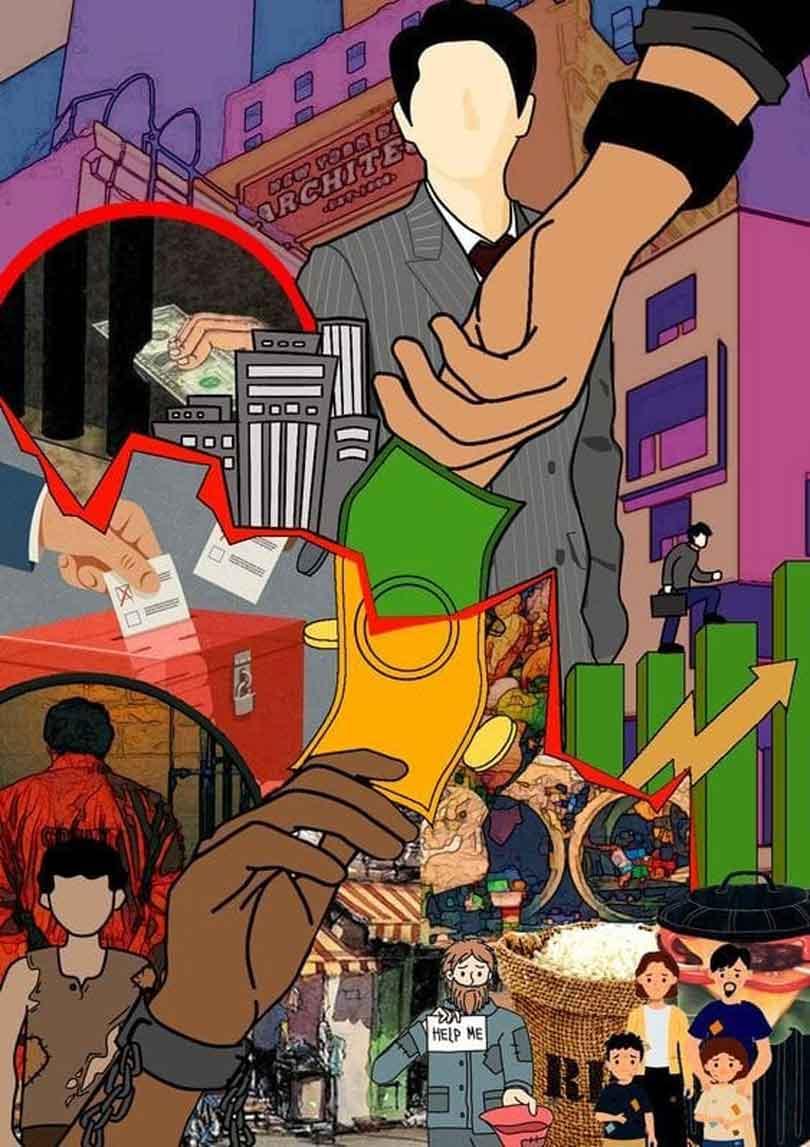
But the economic landscape has changed. The price of housing, education, transport and basic necessities does not remain frozen in the past. The same salary cannot automatically provide the same lifestyle it once did. Comparing generations without considering these differences creates a false narrative that young people simply do not know how to manage money.
Perhaps they do know. Perhaps they are simply trying to survive in a different economy. And there is a human cost to all of this that cannot be measured in spreadsheets. Constant financial insecurity affects relationships. It affects confidence. It affects mental wellbeing. It can create shame, anxiety and resentment. A person may begin to feel like they are failing even when they are doing everything society told them to do.
- Work hard.
- Study hard.
- Be responsible.
- Save money.
- Build a career.
And yet, somehow, the finish line keeps moving. That can be incredibly demoralising. The most dangerous part is when people begin to believe that struggling is simply what adulthood is supposed to feel like. Maybe it is not. Maybe constantly worrying about money should not be considered a normal part of being an adult. Maybe exhaustion should not be mistaken for ambition. Maybe working full-time should actually mean something more than having enough money to return to work the next day.
The solution is not simply to tell individuals to work harder. People are already working hard. The real conversation needs to be about wages, living costs, housing, taxation, employment conditions, financial education and the broader economic systems that determine how much of a person's labour actually translates into a decent life. Because there is something fundamentally wrong with an economy where a person can spend most of their waking hours working and still feel poor.
The new poor do not always look poor. They may have university degrees. They may work in offices. They may have professional titles. They may own smartphones and wear decent clothes. They may look perfectly fine from the outside. But behind closed doors, they are counting.
- Counting bills.
- Counting days until payday.
- Counting how much they can afford to spend.
- Counting how many emergencies they can survive.
And perhaps it is time we stopped measuring financial wellbeing simply by asking whether someone has a job. The better question is whether that job allows them to live. Because employment should provide more than survival. A person should be able to work, come home, rest, dream, make plans and occasionally enjoy the life they are working so hard to maintain. If someone spends their entire life working just to afford the privilege of continuing to work, then perhaps the problem is not that they are failing at adulthood. Perhaps the system has failed to keep up with the cost of being alive.