CRAFT WITHOUT BORDERS
MERCEDES BENZ FASHION WEEK SRI LANKA 2026
BY: RISHINI WEERARATNE
Across South Asia, a new conversation around fashion is taking shape, one where heritage, craftsmanship and contemporary design meet with effortless ease. From India to Pakistan, these designers are looking to generations of textile knowledge while finding entirely new ways to use it. Handwoven silks, traditional embroidery, archival fabrics and ingenious construction techniques appear alongside fluid silhouettes and modern tailoring. Sustainability, too, feels refreshingly natural rather than forced. What connects these five designers is a genuine respect for where things come from, and an excitement about where they might go next. The result is fashion that feels thoughtful, beautifully made and wonderfully individual.
RIAS JAIPUR BY ARSHIA BHARGAVA AND AVISHEK MANDAL
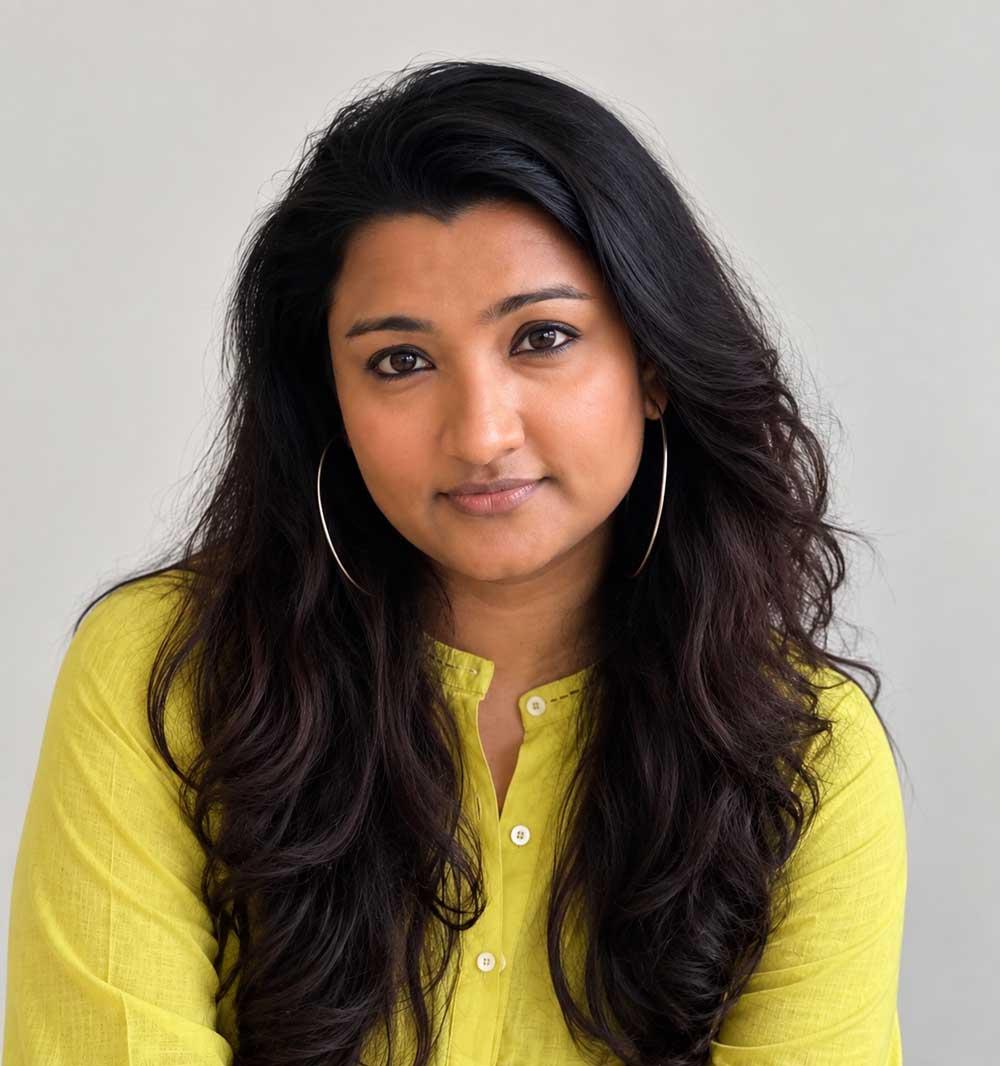
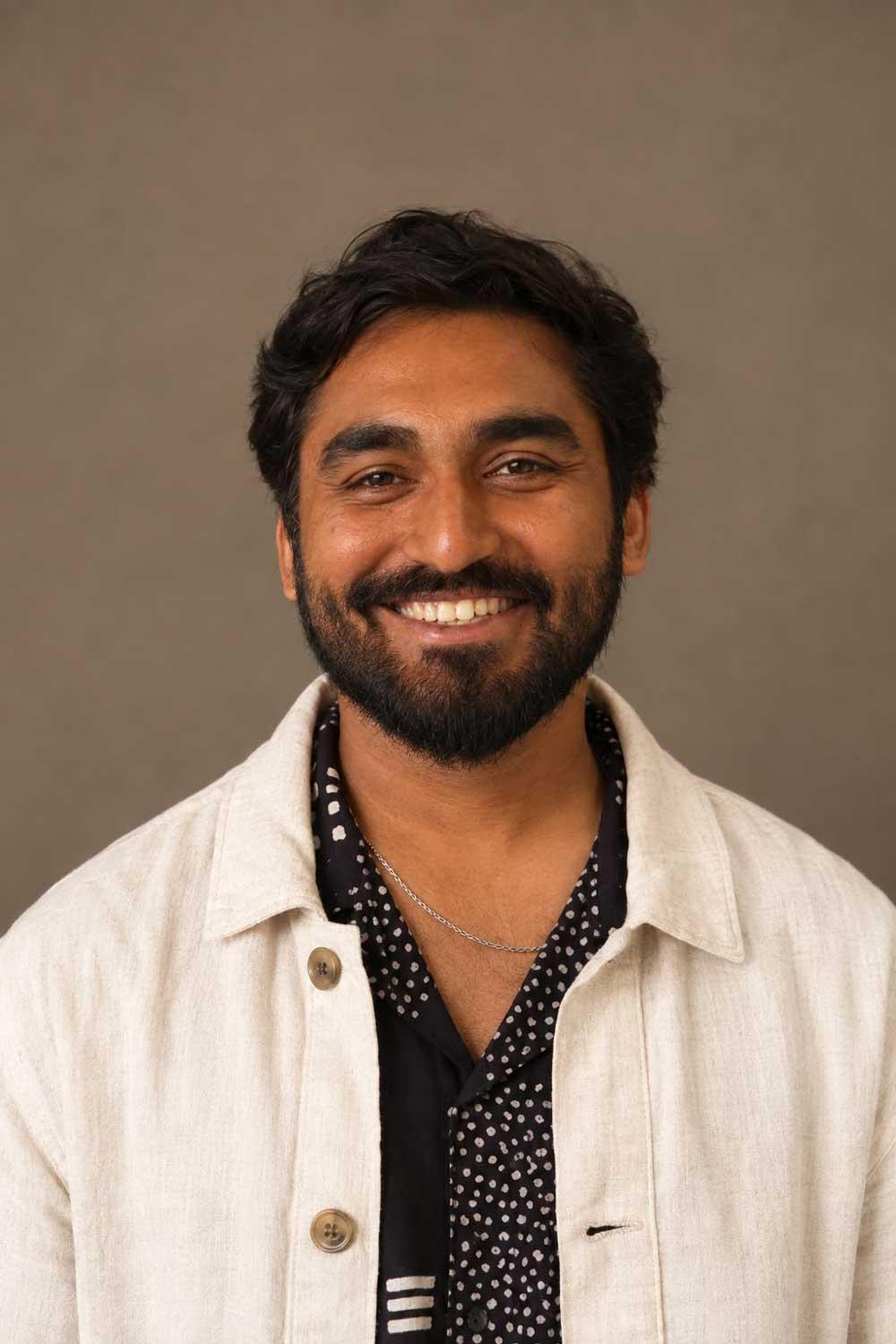
For Arshia Bhargava and Avishek Mandal, the duo behind Rias Jaipur, clothing is something to be lived in, but also something to be appreciated as art. Founded in 2018, the Indian label brings traditional craftsmanship into an easy, contemporary wardrobe, creating womenswear and gender fluid pieces with a wonderfully relaxed spirit. Both designers studied at the National Institute of Fashion Technology in Chennai, with Bhargava specialising in accessory design and Mandal in textiles. Today, they work closely with artisan communities across Rajasthan and West Bengal, creating handwoven and handcrafted textiles that celebrate generations of knowledge while finding a place within modern wardrobes. For the Future Craft Runway, Rias Jaipur presents DISTINCT, a collection that celebrates the beauty of individuality. At its heart is hand clamping, a process used in an intentionally organic way so that every piece develops its own pattern, colour and character. Created using handwoven and handspun mulberry silk, the fabrics have a richness that immediately draws the eye. Colour shifts unexpectedly, patterns emerge differently and texture becomes an important part of the story. No two pieces can ever be completely identical and therein lies much of their charm. These beautifully expressive textiles are then translated into silhouettes that feel wonderfully uncomplicated. Shapes are loose, fluid and easy to wear, allowing the fabric to move naturally with the body. There is craftsmanship in abundance, but never at the expense of comfort. It reflects the brand’s rather lovely philosophy of being able to live the art while wearing it. These are pieces designed to move easily between everyday dressing, celebrations and occasions, without feeling overly precious. There is also something refreshing about Rias Jaipur’s celebration of difference. In a world accustomed to perfect repetition, DISTINCT embraces the unexpected marks created by hand. For Bhargava and Mandal, craftsmanship is not about recreating the past exactly as it was. It is about keeping traditional knowledge alive by allowing it to evolve. The result is clothing that feels artistic, individual and entirely at ease in the present.
Arshia Bhargava
Avishek Mandal
URVASHI KAUR BY URVASHI KAUR
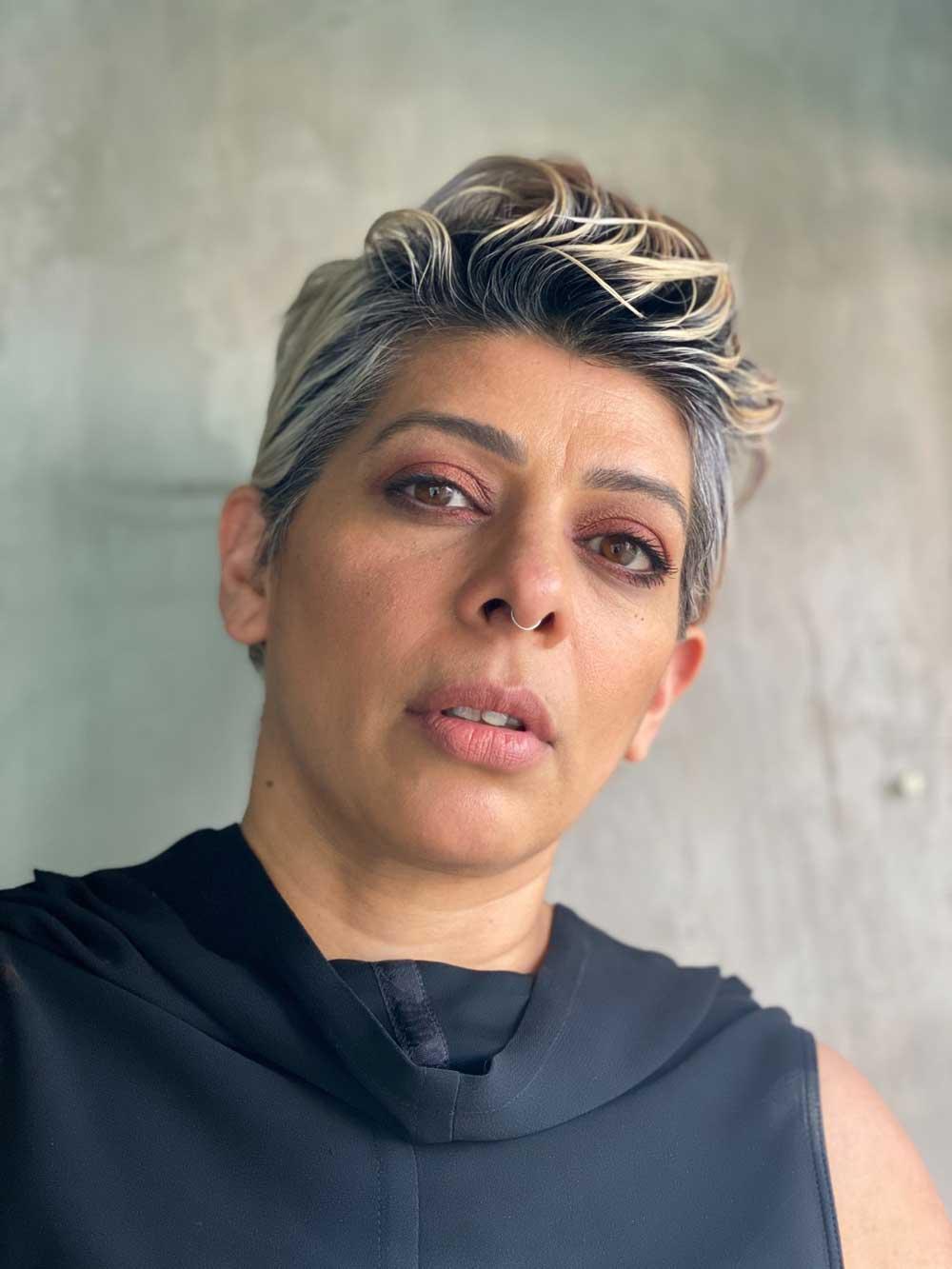
Urvashi Kaur
For New Delhi based designer Urvashi Kaur, fashion begins with looking again at what we already have. Since establishing her label in 2009, Kaur has built a thoughtful practice around Indian craftsmanship, material exploration and a belief that beautiful design does not always have to begin with something new. Working closely with artisan communities across India, she brings traditional techniques such as hand weaving, resist dyeing and embroidery into fluid contemporary clothing. Recycled textiles, natural materials and upcycled fabrics are equally important, giving her work a sense of resourcefulness that feels particularly relevant today. Her collection Yügen, presented on the Colombo Edit Runway, continues this conversation. An evolution of her longstanding Renew Project; it begins with a wonderfully simple idea. Nothing is ever truly waste. Post consumer and heirloom brocade sarees sit alongside handloom offcuts, test fabrics and remnants accumulated within the studio. Rather than hiding their previous lives, Kaur celebrates them. Fragments are layered, stitched and pieced together, with patchwork and visible repair becoming part of the beauty of each garment. There is something rather poetic about this approach. A seam is allowed to remain visible. An irregular surface is not corrected. The history of a fabric becomes something to celebrate rather than disguise. This openness extends to the way Kaur thinks about clothing itself. Her silhouettes are fluid, adaptable and unconstrained by conventional ideas around gender, body, season or occasion. The wearer is given space to make the clothes their own. Kaur’s creative world also stretches beyond fashion into art, film and performance, reflecting a curiosity that has always been central to her practice. Yet Yügen feels particularly intimate. It is a collection about memory, time and the quiet beauty of repair. Fabrics that might have been forgotten are given another chapter without losing the traces of the one that came before. For Kaur, sustainability is ultimately about more than materials. It is about reconsidering how we make, wear and value clothes, and finding beauty in what has already lived a life.
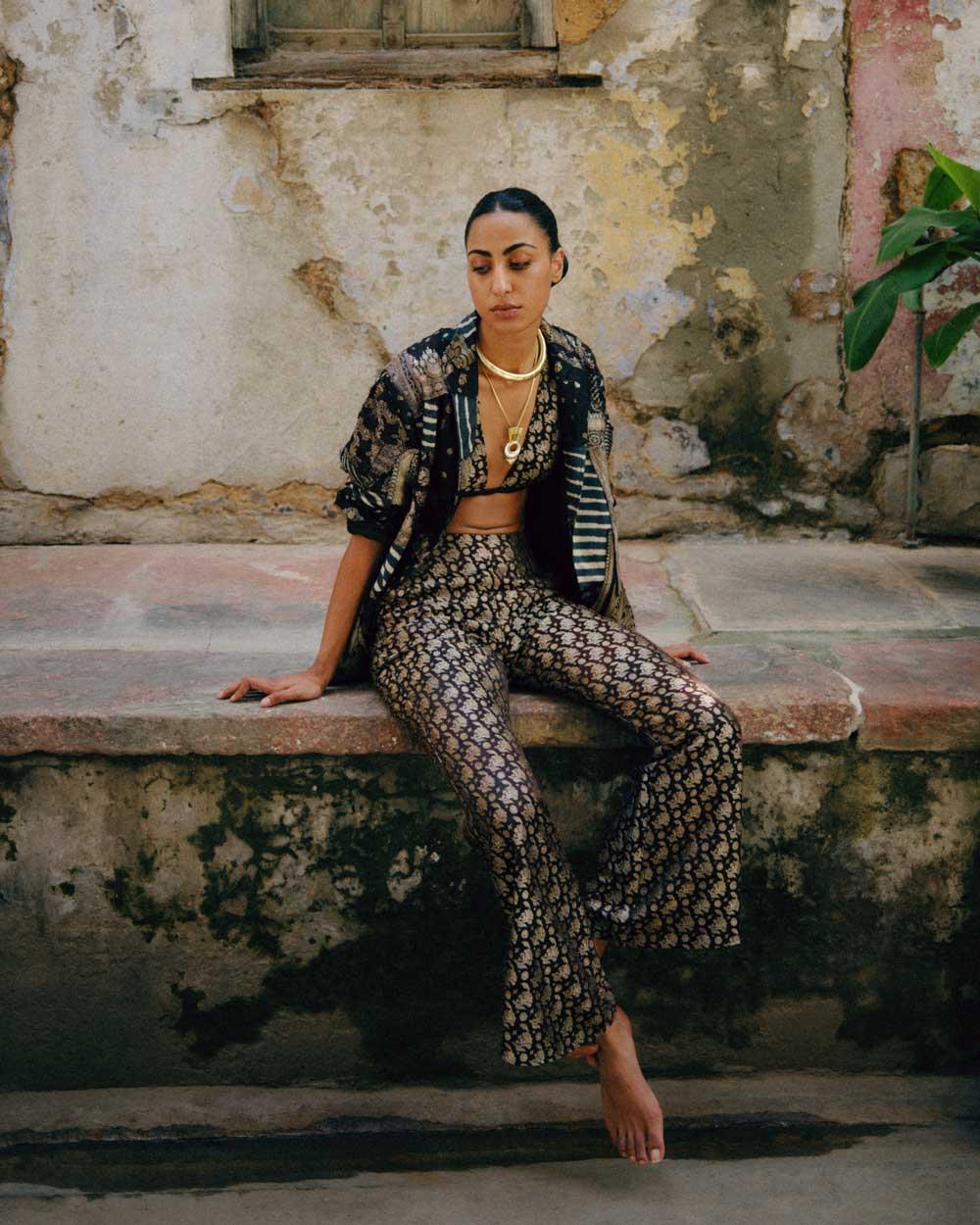
Urvashi Kaur by Urvashi Kaur
ASHWIN THIYAGARAJAN BY ASHWIN THIYAGARAJAN
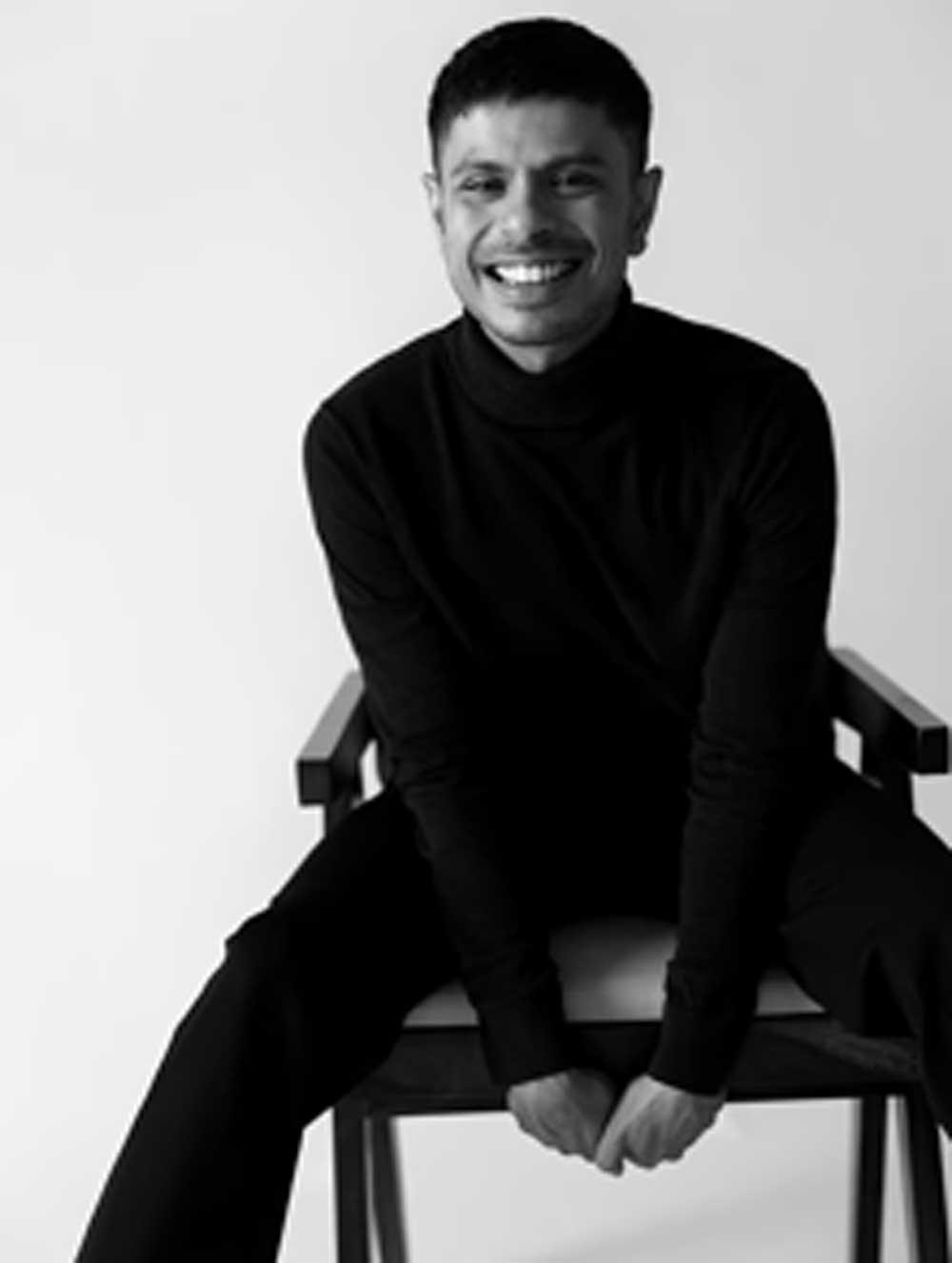
Ashwin Thiyagarajan
Ashwin Thiyagarajan took a rather unconventional route into fashion. The Chennai based designer began as a self-taught engineer before turning his attention to clothing, eventually building an eponymous label that brings together traditional Indian sensibilities and an unmistakably contemporary ease. More than a decade later, Thiyagarajan has dressed hundreds of celebrities and thousands of clients, developing a following that extends well beyond India. From South India to New Zealand and California, his clothes have found an audience among a global South Indian diaspora looking for pieces that feel connected to tradition without being restricted by it. For the Colombo Edit Runway, Thiyagarajan presents his Easy To Wear Festive Edit 26, a collection designed around versatility and celebration. The idea is refreshingly straightforward. Festive clothing should feel special, but it should also be easy to wear. The collection brings together unisex pieces that can be mixed, matched and styled in different ways. Some silhouettes are distinctly contemporary, while others begin with familiar classics before being reconsidered for the way people dress today. Custom block prints and hand embroidery bring personality and craftsmanship to the collection, creating detail without overwhelming the clothes. Organic cottons and silks have been chosen with comfort in mind, keeping the garments breathable while retaining the sense of occasion expected from festive dressing. There is a lovely practicality to the entire approach. Rather than creating clothes intended for a single moment, Thiyagarajan considers how pieces might move between celebrations, wardrobes and different wearers. That versatility is very much part of the label’s appeal. Tradition is present, but it does not dictate how something must be worn. Instead, familiar references are loosened up, simplified and given a little more freedom. For Thiyagarajan, contemporary Indian fashion appears to be less about choosing between old and new and more about enjoying both. His Festive Edit finds its charm somewhere in the middle, with clothing that feels celebratory and beautifully considered, yet wonderfully easy to make your own.
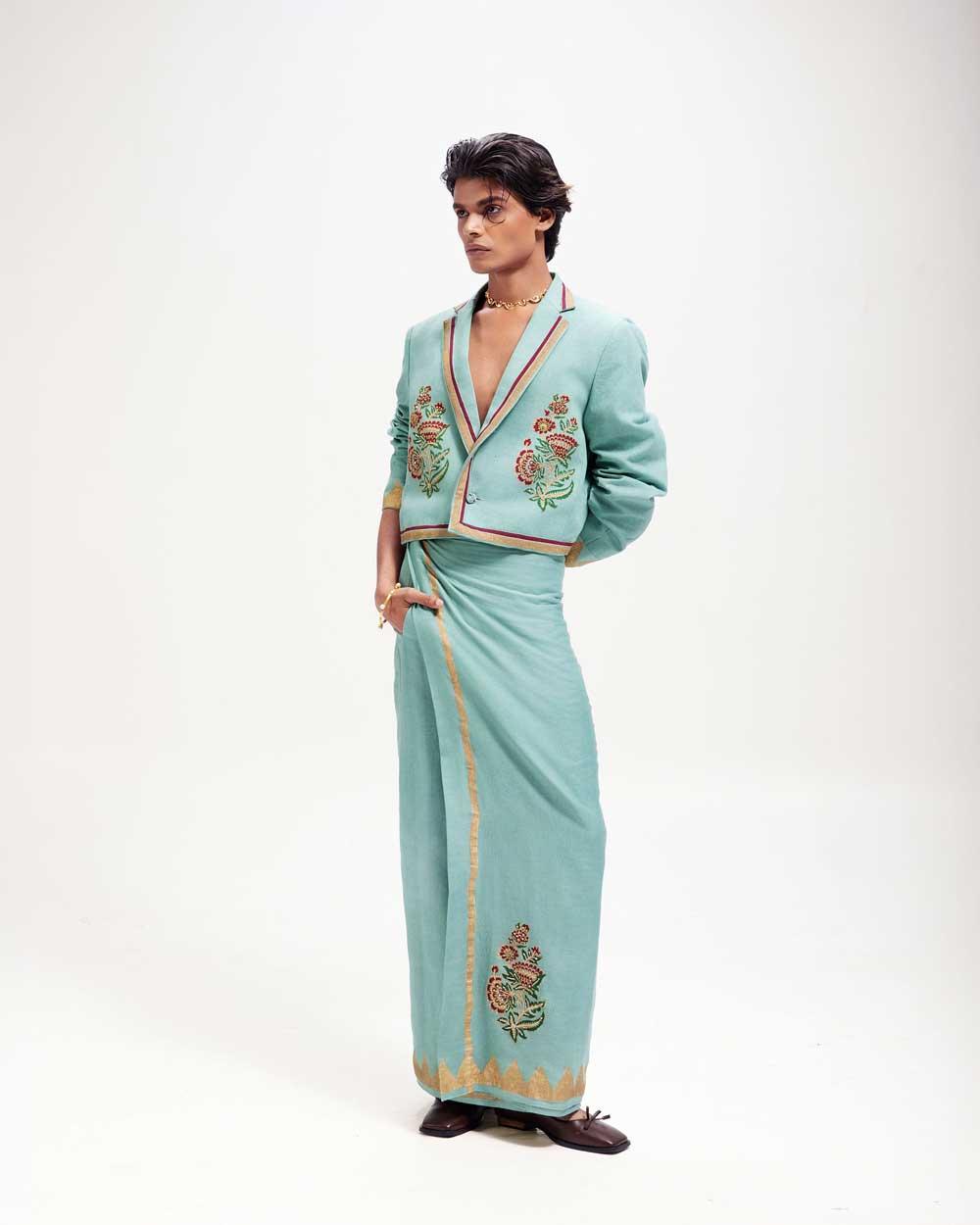
Ashwin Thiyagarajan by Ashwin Thiyagarajan
COLLECTED XX BY HAMZAH ASAD AND NAEL HAFEEZ
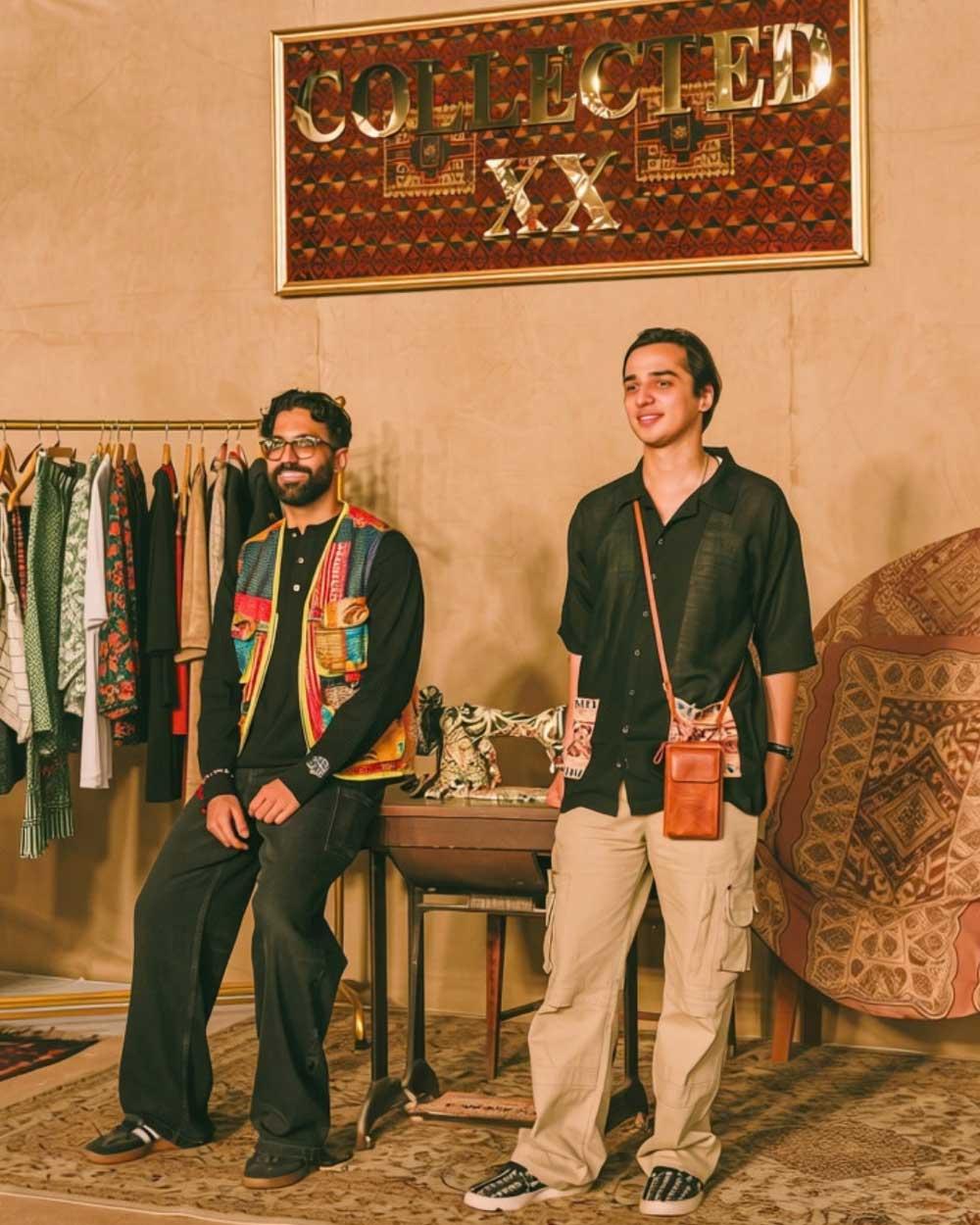
Hamzah Asad and Nael Hafeez
For Hamzah Asad and Nael Hafeez, the founders of Pakistani label Collected XX, fashion offers a way of keeping history very much alive. Established in 2023, the house brings together regional craftsmanship and contemporary architectural design, transforming traditional textiles into structured, gender-neutral clothing with a distinctly modern point of view. Before launching the brand, the founders spent a year travelling through artisan communities across Pakistan, including Kasur, Multan, Bahawalpur, Hala, Ghotki and Swat. Those relationships became an important foundation for Collected XX and its approach to craft. Pit loom weaving, block printing, manual jacquard, zardozi and Kashmiri threadwork all appear within the brand’s vocabulary. Yet these techniques are not treated as museum pieces. Instead, Asad and Hafeez place them within sharper, global silhouettes, allowing centuries old skills to take on an entirely new character. Their Destination Island Runway collection takes this idea a step further. At its heart is the transformation of the familiar and the forgotten. Everyday textiles traditionally associated with the home are lifted out of their original surroundings and reconsidered as fashion. Alongside them are vintage hand embellished panels more than thirty years old, carrying craftsmanship and traces of another time. These archival fragments are carefully treated, repaired and spliced into new garments. Fluid drapery meets strong tailoring, creating a collection that feels both romantic and architectural. There is something particularly beautiful about the idea of allowing old textiles to continue their journey. Rather than attempting to erase signs of age, Collected XX gives them a new context and a new audience. The result feels rather like a living archive. History remains visible, but it is never allowed to stand still. For Asad and Hafeez, preserving South Asian craftsmanship does not mean keeping it safely in the past. It means allowing those techniques and materials to move, change and participate in contemporary fashion. Collected XX brings that philosophy to life with clothing that feels rooted in history while confidently looking beyond it.
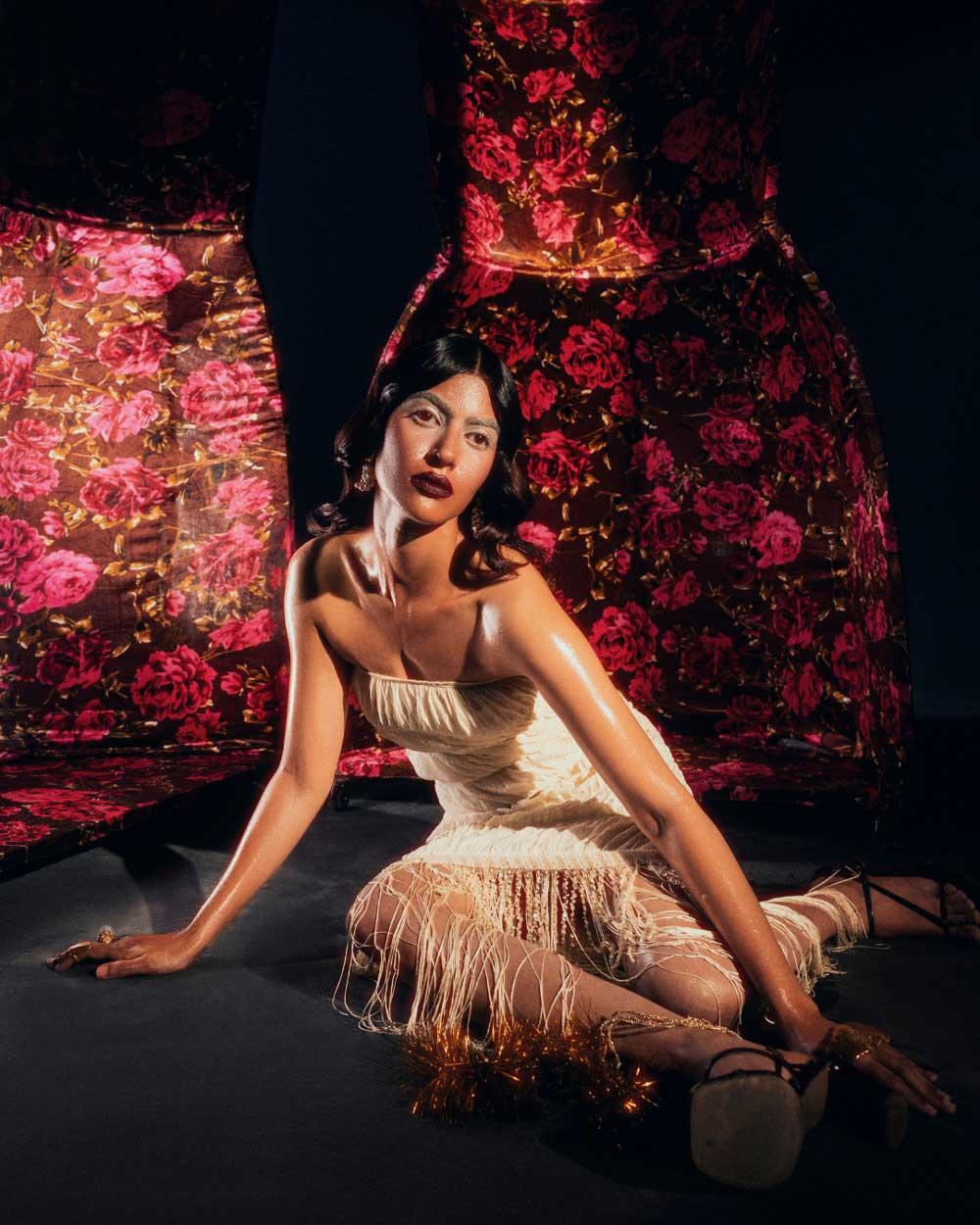
Collected XX By Hamzah Asad and Nael Hafeez
BUTTON MASALA BY ANUJ SHARMA
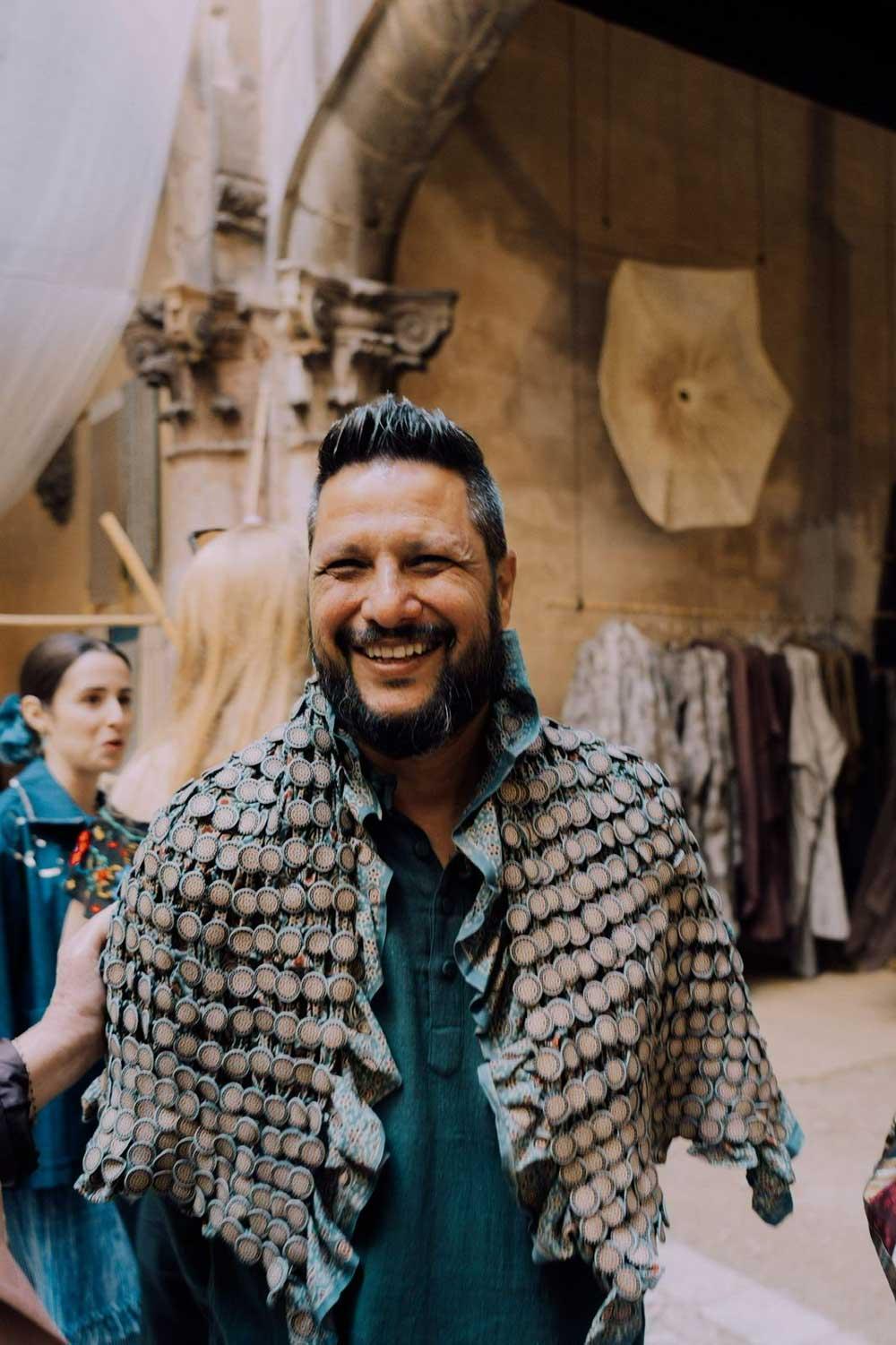
Anuj Sharma
For Indian designer Anuj Sharma, good design does not necessarily begin with more. Sometimes it begins with looking at what is already there and finding an entirely different way to use it. Born in Rajasthan and educated at the National Institute of Design, Sharma has built his practice around curiosity, resourcefulness and the belief that design should be as much about people as it is about clothes. His best-known project, Button Masala, challenges one of fashion’s most familiar assumptions by creating garments without cutting the fabric. Instead, buttons become points of connection, allowing pieces of cloth to be folded, gathered and shaped into clothing while remaining whole. It is wonderfully simple, but also surprisingly clever. For the Colombo Edit Runway, Sharma presents Dying Shadows, a collection inspired by that fleeting moment when daylight begins to disappear. Gold turns to amber, terracotta becomes deeper, indigo spreads across the sky and cream catches the final traces of light. Breathable cottons and fluid modal silks bring this changing landscape to life. Crisp cotton provides structure, while silk introduces softness and movement, echoing the feeling of an evening breeze. The Button Masala technique remains central. Because the fabric is not cut, construction becomes an act of preservation. Buttons give the textile form without permanently determining what that form must be. On the runway, this sense of possibility becomes part of the performance itself, with models changing their clothing to demonstrate how the pieces can transform. Circular Button Masala modules also create texture across the garments, catching the light differently as the wearer moves. The effect feels particularly suited to a collection concerned with the changing relationship between light and shadow. There is an appealing generosity to Sharma’s philosophy. He believes creativity should be shared and that design should encourage people to participate rather than simply observe. Dying Shadows captures that spirit beautifully. It is thoughtful without feeling complicated and sustainable without losing its sense of elegance. For Sharma, less material intervention does not mean less creativity. Quite the opposite. Sometimes a few buttons, a length of cloth and a little imagination are more than enough.
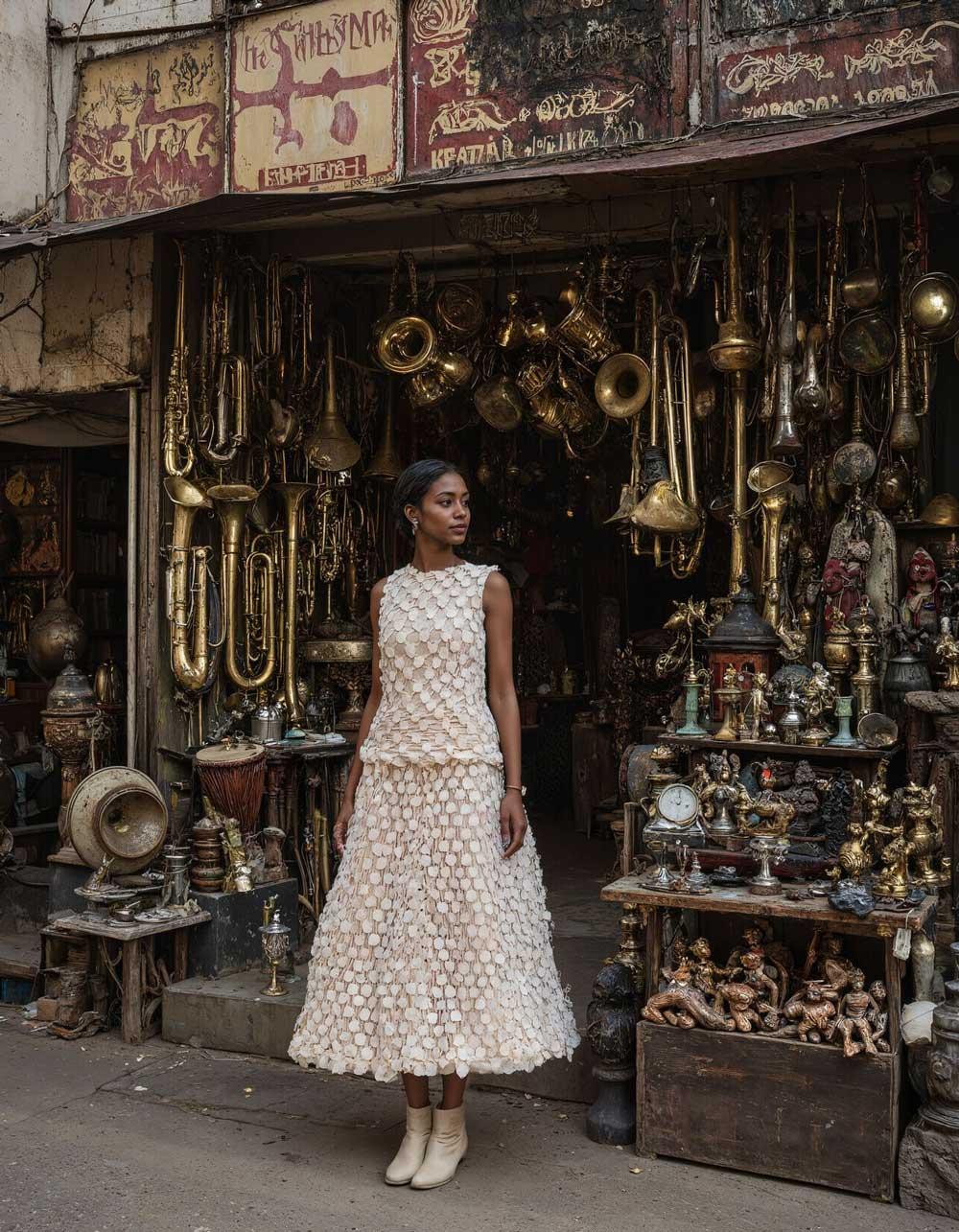
Button Masala by Anuj Sharma