SRI LANKA’S NEW DESIGN LANGUAGE: SIX DESIGNERS SHAPING CONTEMPORARY FASHION.
MERCEDES BENZ FASHION WEEK SRI LANKA 2026
BY: RISHINI WEERARATNE
Sri Lanka’s fashion story has always been closely tied to its extraordinary sense of place, but a new generation of designers is finding fresh ways to tell it. From childhood memories and ancient mythology to traditional craftsmanship and conversations around sustainability, these creatives are looking to the island’s past while designing firmly for the present. There is romance, experimentation and a wonderful respect for the hands behind each piece. Yet what makes their work particularly exciting is how personal it feels. Each designer approaches Sri Lankan identity differently, creating collections that are thoughtful, beautifully crafted and unmistakably their own.
PROJECT PRA BY PRAVEEN MUDALIGE
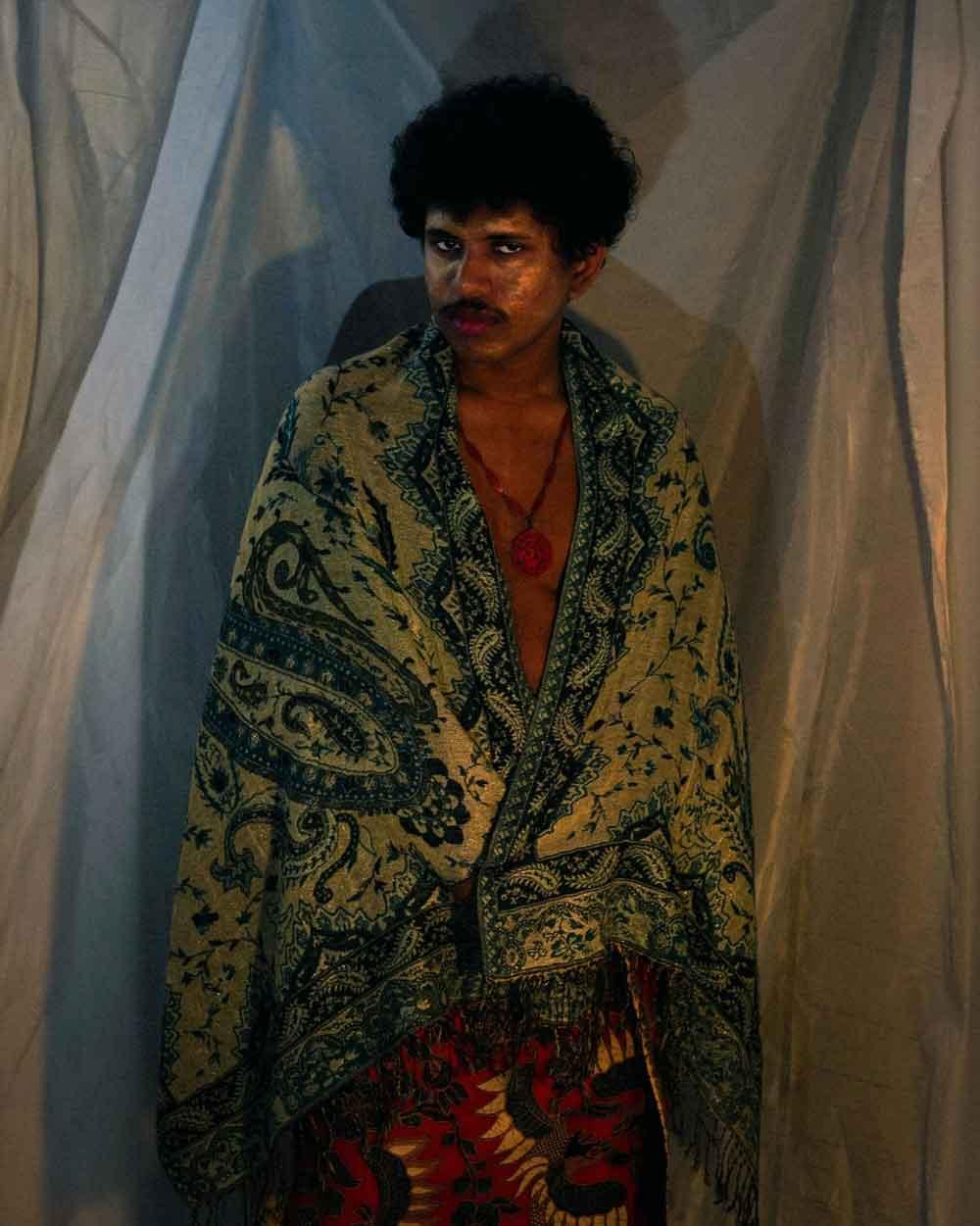
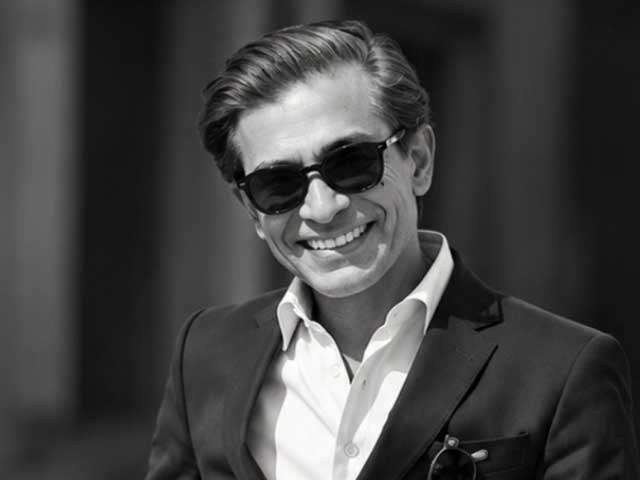
Praveen Mudalige
For Praveen Mudalige, founder and designer of Project Pra, fashion is about far more than clothes. It is a way of telling stories, of Sri Lanka, its mythology, its past and the many ways in which identity continues to evolve. His collection, ‘There Is a Serpent at the Dawn,’ shown on the Emerging Designers Runway, takes its inspiration from Suniyam Gambara, a fascinating figure in Sri Lankan mythology who transforms from a malevolent spirit into a benevolent protector. Mudalige draws a parallel between this transformation and Sri Lanka’s own journey from its colonial past into the complexities of a modern, postcolonial identity. The story unfolds through fifteen looks presented in three distinct phases. Traditional techniques such as knitting, artisanal weaving and embroidery sit alongside the rather unexpected, oil-lamp wicks, seashells and even electronics. It is an unusual mix, but that is precisely the point. Old and new, sacred and contemporary, handmade and technological all find their place within the same world. There is a distinctly Sri Lankan quality to the collection, yet it never feels nostalgic. Mudalige looks to folk art, mythology and traditional craftsmanship as starting points rather than something simply to be preserved.
He takes familiar references and gives them a new context, allowing them to speak to a contemporary audience. What makes Project Pra particularly interesting is this sense of constant evolution. Mudalige is not simply looking back at Sri Lanka’s history; he is considering what we carry forward from it, and how those stories change with us. With ‘There Is a Serpent at the Dawn,’ heritage feels alive, curious and wonderfully experimental; a reminder that sometimes the most interesting way forward begins by looking at where we came from.
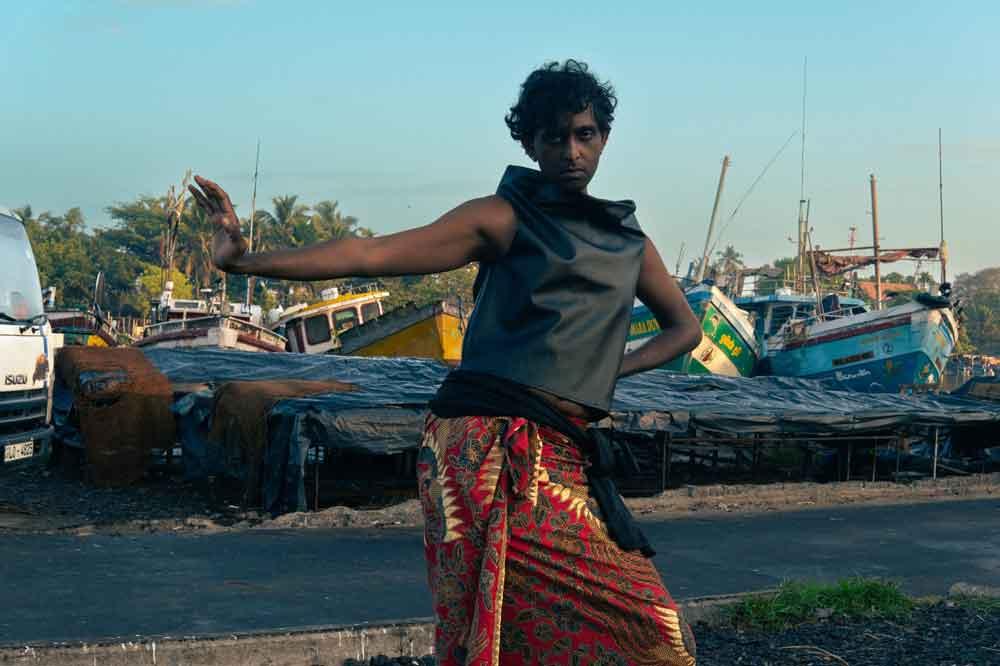
Project Pra
ONALI SILVA BY ONALI SILVA
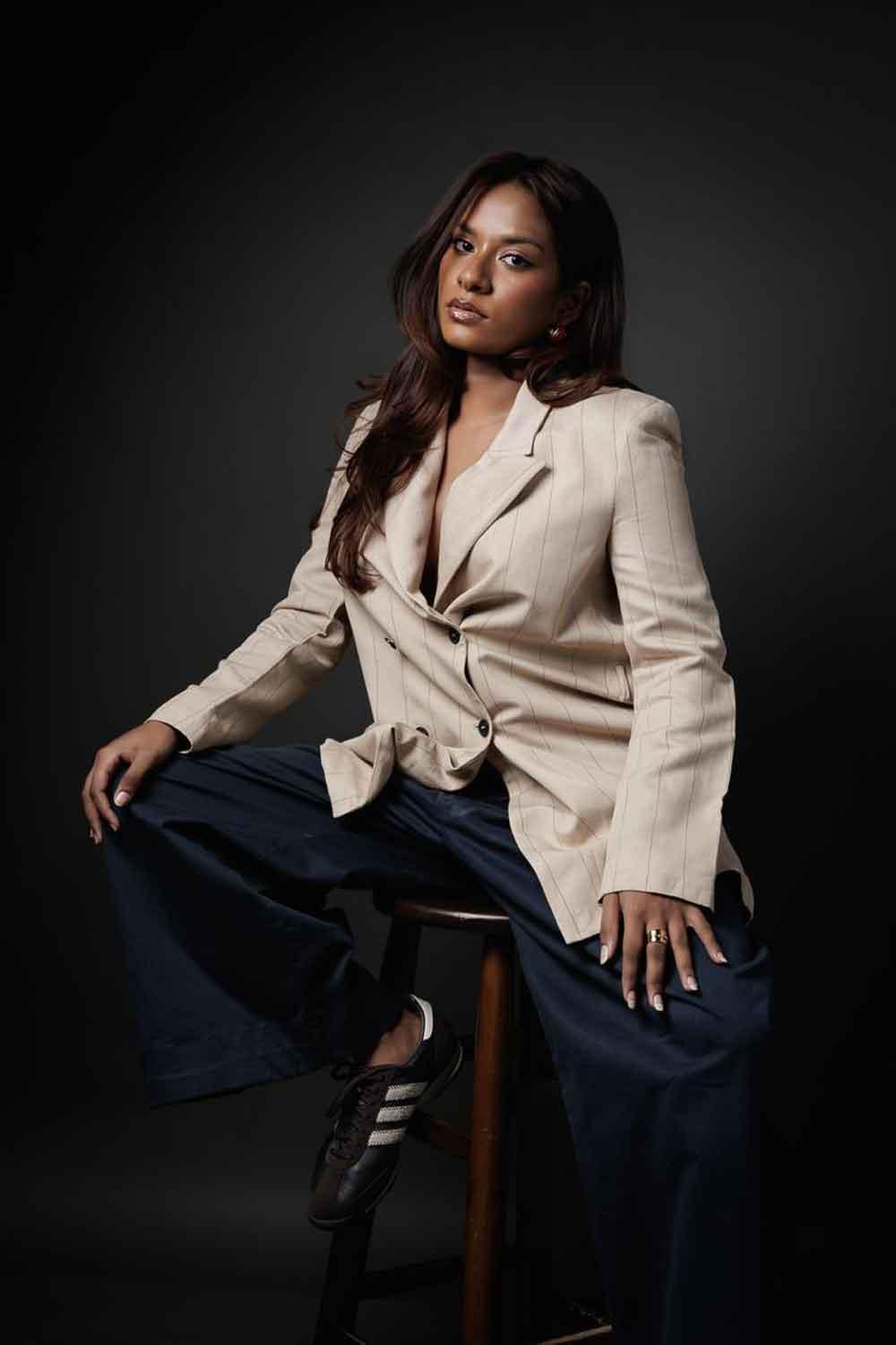
Onali Silva
For Onali Silva, inspiration begins with something wonderfully simple; a memory of home. Her collection, ‘Petals,’ created for the Destination Island Runway, looks back to her childhood in Sri Lanka and those familiar mornings when a gentle breeze would scatter fresh flowers across the streets. Petals would land on shoulders, become caught in hair and gather underfoot, carpeting the roads in colour. It is a small, almost everyday memory, but one that stayed with Silva. And it is this feeling, the way seemingly ordinary moments can become our strongest reminders of home, that sits at the heart of the collection. Silva brings that nostalgia into the present through a thoughtful exploration of Sri Lankan dress. Looking to silhouettes worn by both royalty and village women during the pre-colonial and colonial periods, she reinterprets their shapes rather than recreating them.
Pleating, wrapping and fluid tailoring give traditional references a fresh, contemporary ease. There is also an unexpected play of materials. Denim, perhaps the most familiar of everyday fabrics, sits alongside silk and delicate silk organza. The contrast works beautifully; denim brings structure and modernity, while the lighter fabrics introduce softness and movement. Hand-crocheted flowers, textured embroidery and floral fabric manipulation appear throughout, almost as though those childhood petals have found their way onto the clothes themselves. What makes ‘Petals’ particularly charming is its lightness. There is heritage here, certainly, but it never feels overly formal or nostalgic. Silva allows traditional references to sit naturally within a modern wardrobe, creating pieces that acknowledge the past while very much belonging to the present. At its heart, ‘Petals’ is about the traces that places leave with us. Flowers may fall and disappear, traditions may evolve and childhood streets may change, but certain memories have a way of staying remarkably vivid. Silva captures that sentiment with a gentle hand. Through silk, denim, embroidery and beautifully considered details, she turns a deeply personal memory into something wonderfully universal; that unmistakable feeling of being transported home by the smallest and most unexpected things.
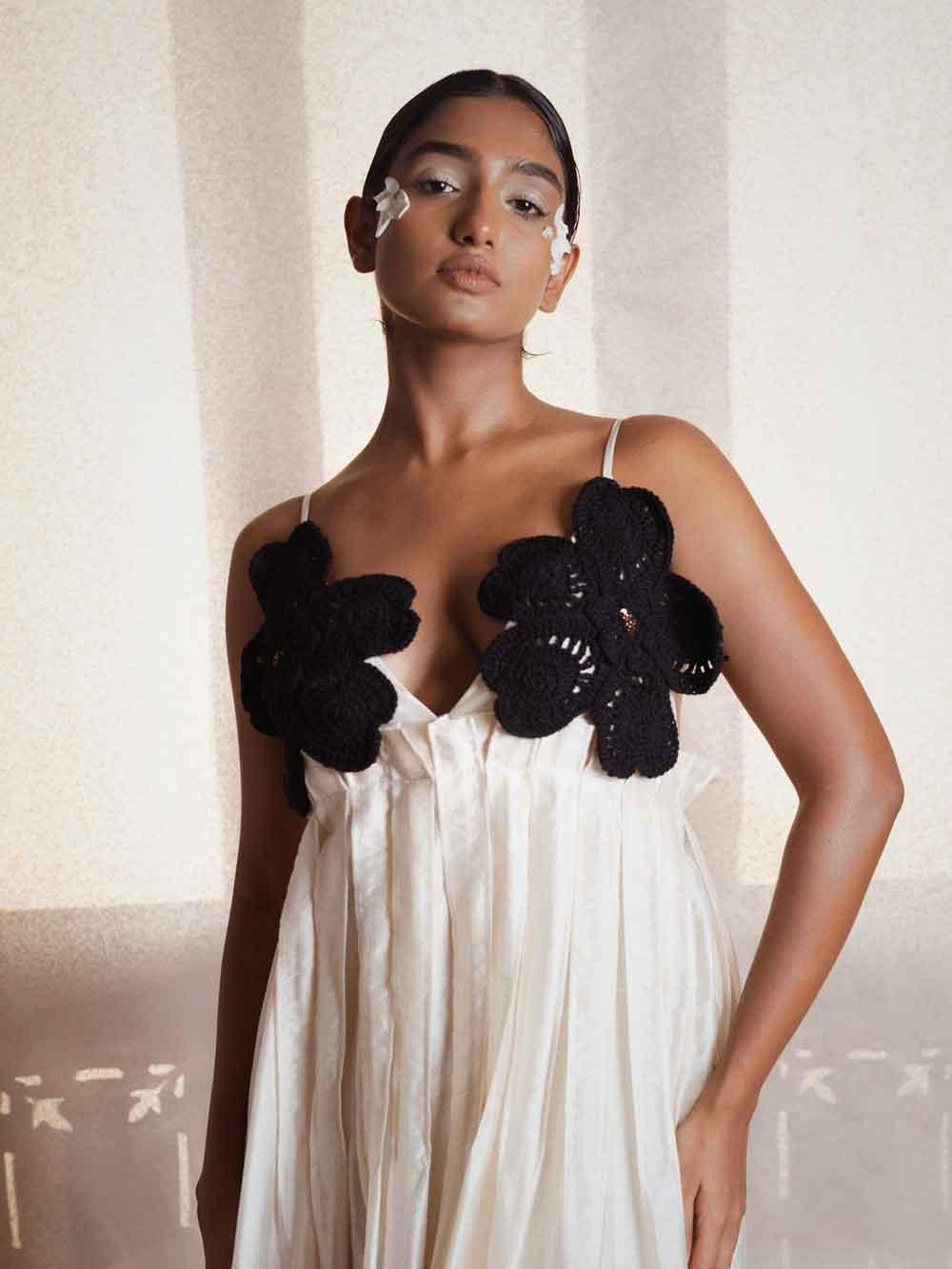
Onali Silva by Onali Silva
STUDIO DIMITRA BY DIMITRA I. SAHABANDU
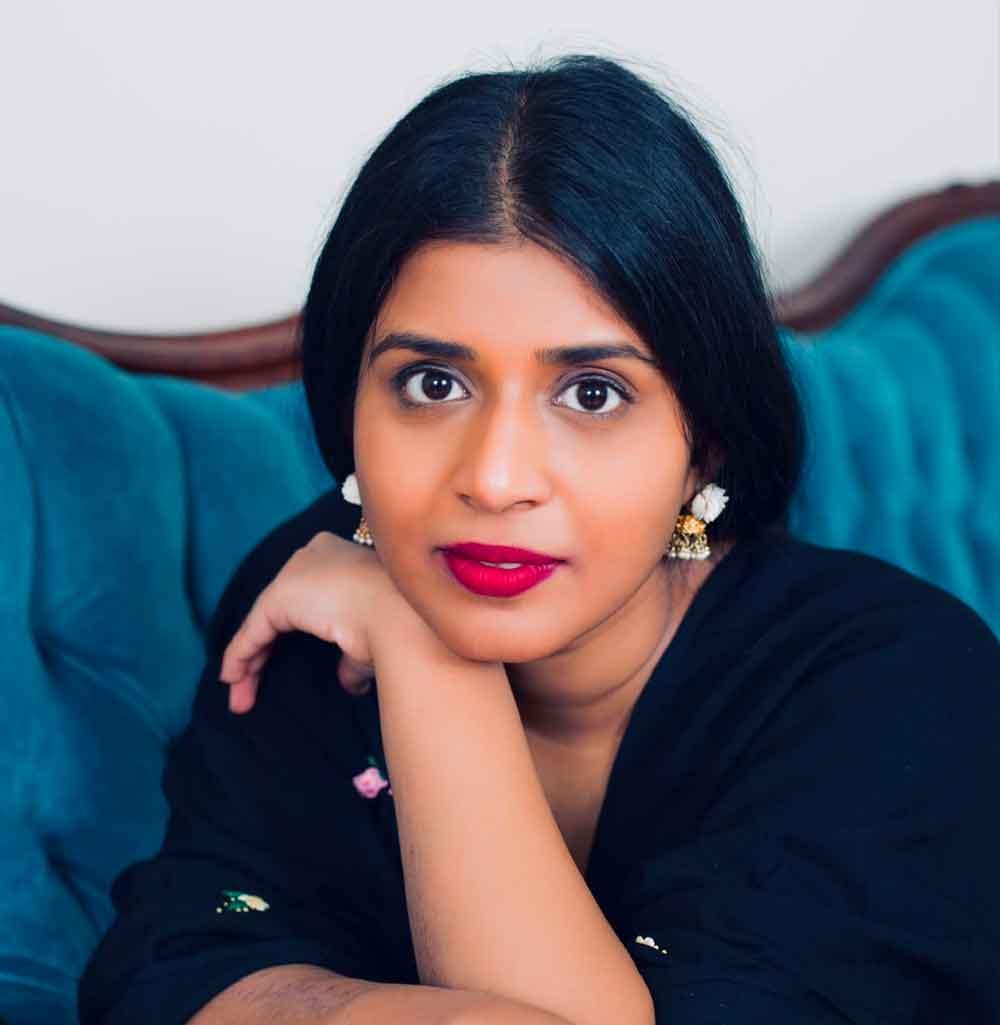
Dimitra I. Sahabandu
For Dimitra I. Sahabandu, founder and designer of Studio Dimitra, there is something rather special about taking things slowly. Founded in 2016, first in London and now based in Colombo, the label is built around hand embroidery, thoughtful craftsmanship and the charming idea of creating modern heirlooms; clothes designed to be loved, kept and remembered. Having studied at the Academy of Design Sri Lanka and the University of West London, Sahabandu has spent the past decade developing a distinctly romantic design language. Embroidery, patchwork and fabric manipulation sit at its heart, while inspiration comes from art, history, nature and memory. The result is a world that, as Sahabandu describes it, exists somewhere between reality and a dream. That dream comes beautifully to life in ‘Nocturnal Garden SS27.’ The collection imagines a secret garden after dusk, where artists, musicians, botanists, collectors and mythical creatures gather beneath the moonlight. Romantic dresses and fluid separates appear alongside embroidered shirts and sculptural patchwork jackets. Delicate hand-embroidered flowers bloom across organza, satin, gingham and corduroy, while preserved fabric remnants are cleverly given a second life through intricate patchwork. The colour story is equally enchanting. Butter yellow, dusky pink and sage green slowly give way to chocolate brown and midnight black, mirroring the transition from the final glow of sunset into night. Flowers creep along seams, float across sheer layers and emerge against darker fabrics, giving each piece the feeling of having been discovered somewhere within this imagined garden. But behind all the romance is a very real commitment to craft. Each piece is slowly created by Studio Dimitra’s all-woman artisan team, celebrating traditional skills while providing women with opportunities to earn independently through their craftsmanship. And perhaps that is where the real charm of Studio Dimitra lies. These are clothes with a story behind every stitch. In a fashion world that so often moves at remarkable speed, Sahabandu offers something gentler; beautifully considered pieces made with time, imagination and human hands, modern heirlooms intended to remain long after the season has passed.
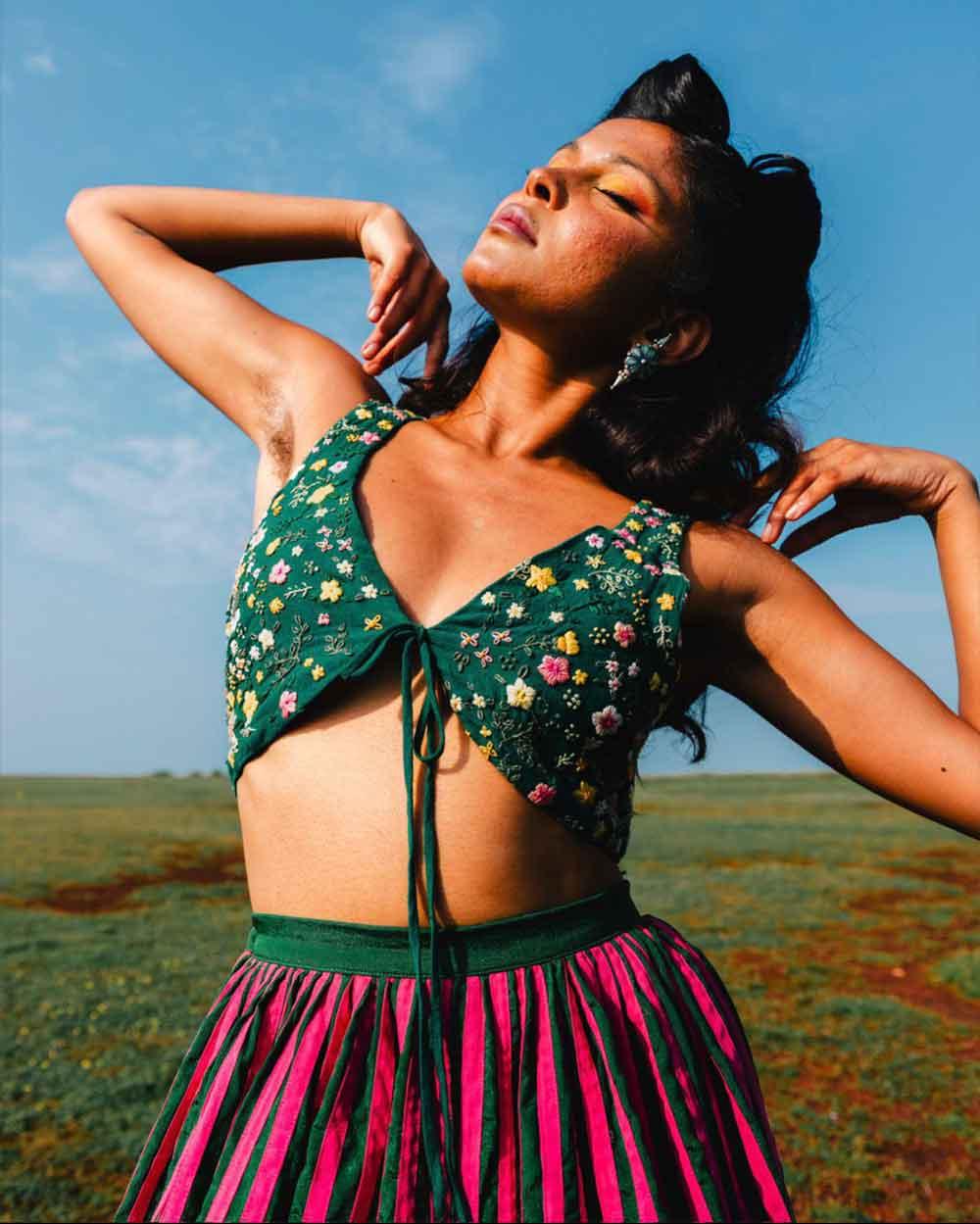
Studio Dimitra
DUDUCHAVA BY OLIVIA SIRIWARDANE

For Olivia Siriwardane, the designer behind Duduchava, fabric carries stories. It holds memories of people, places, traditions and the hands that have shaped it. Presented on the Emerging Designers Runway, her collection explores this idea through what she calls “material as the metaphor”, allowing the textiles themselves to become part of the story.
At the heart of Duduchava is a thoughtful relationship with craft. Handwoven cotton brocade, natural dyes and handcrafted motifs come together with contemporary layering and relaxed proportions. There is a rawness to the pieces, but also a sense of intention. Nothing feels overly polished or removed from the process of making. Traditional brocade weaving plays an important role, while botanical pigments create organic patterns and subtle irregularities across the fabrics. Rather than hiding these imperfections, Siriwardane celebrates them. They become reminders of the maker, the material and the natural processes behind each garment. The collection also reflects the idea of remaining a lifelong student of the earth. For Siriwardane, nature is not simply a source of colour or inspiration. It encourages a more considered way of creating, one that observes, preserves and respects the materials being used. Alongside the textiles are practical carriers, jewellery and accessories, bringing a sense of utility to the collection. This balance between beauty and function gives Duduchava a wardrobe that feels expressive while remaining grounded. The brand’s Vietnam chapter continues this conversation through botanical pigments, bold patterns and cultural exchanges at a grassroots level. It adds another layer to Duduchava’s interest in how craft and identity move between people and places. There is something refreshingly unhurried about Siriwardane’s approach. She does not treat traditional craft as something belonging only to the past. Instead, she allows it to evolve naturally within contemporary fashion. For Duduchava, the beauty of a garment lies as much in how it was made as in how it looks. Every weave, pigment and imperfect mark carries a little of its journey, making the material itself part of the story.
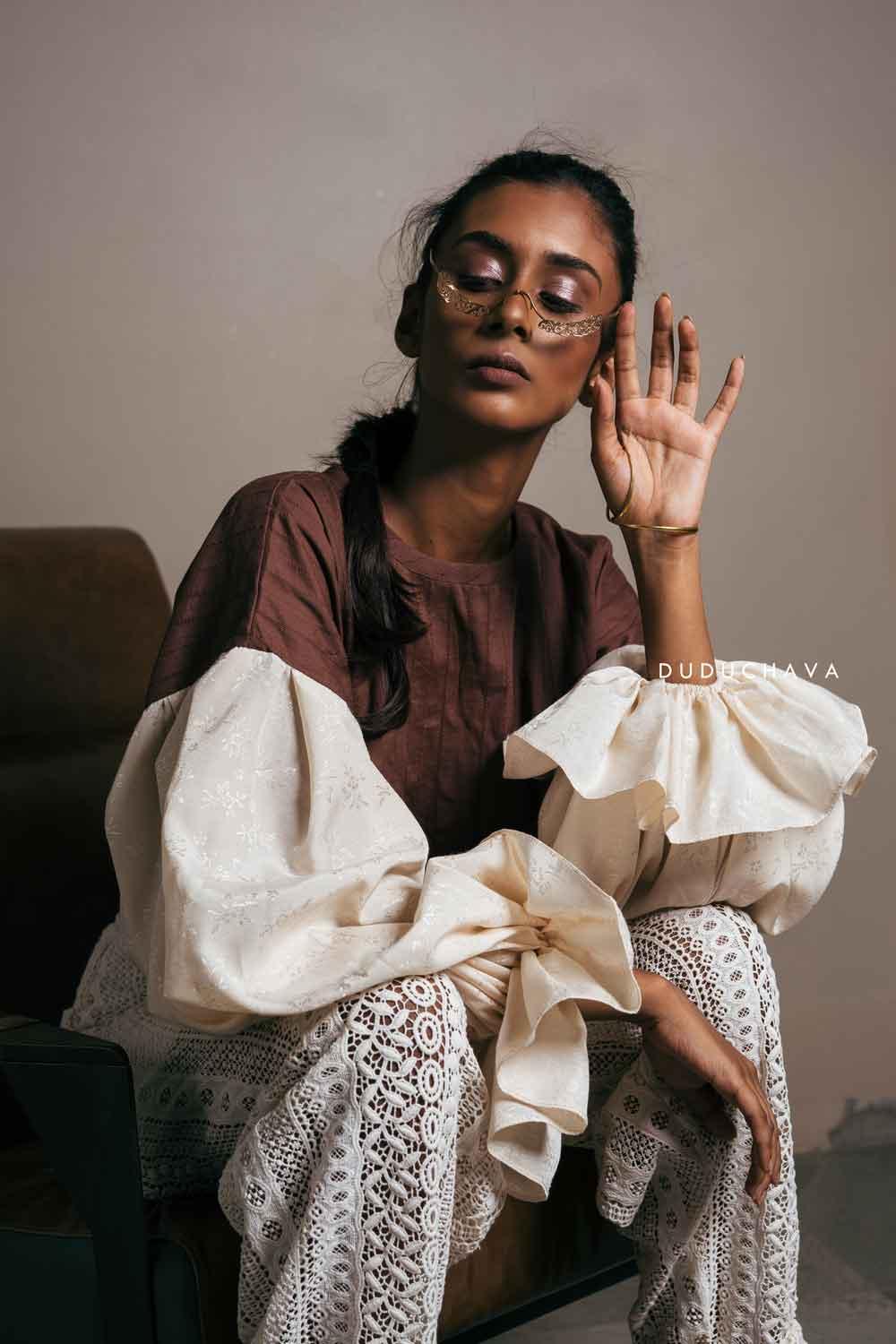
Duduchava
Olivia Siriwardane
CLIMAFUGE / C.FUGE BY SANDANI PERERA AND VOSITHA WIJENAYAKE

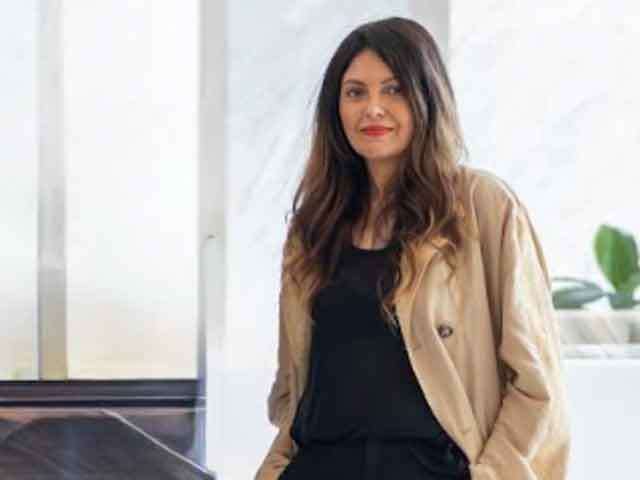
Sandani Perera

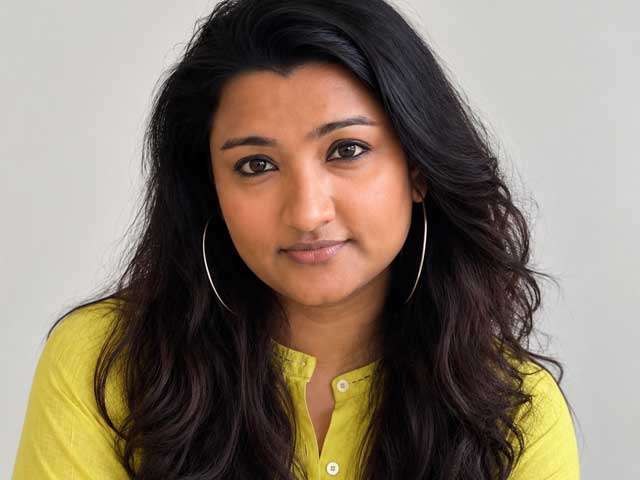
Vositha Wijenayake
For Sandani Perera and Vositha Wijenayake, the duo behind c.fuge, fashion comes with a sense of responsibility. The brand grew out of CLIMAFUGE’s work in Sri Lanka and Europe, supporting ethical, sustainable and climate friendly solutions, before developing into a fashion label with its own distinct identity. At its heart is a simple belief that beautiful clothes and conscious choices can exist together. c.fuge focuses on reducing its impact on the planet, encouraging ethical production and bringing the perspectives of the Global South into conversations around fashion, art and sustainability. For the Future Craft Runway, these ideas come together in a collection that feels soft, feminine and wonderfully wearable. Fluid silhouettes meet modern tailoring, while natural fabrics are combined with upcycled, damaged and discarded garments.Instead of seeing these materials as waste, Perera and Wijenayake give them another life. Discarded fabric is transformed into handcrafted embellishments, while existing garments become the starting point for something new. There is a certain charm in this approach. Rather than constantly searching for newness, c.fuge looks at what is already available and considers how it might be reimagined. Sri Lankan craftsmanship also has an important place within the collection. Delicate beeralu lace brings texture and detail to the clothes, connecting contemporary design with an enduring local craft tradition. A monochromatic palette keeps the overall look beautifully restrained, allowing the silhouettes, textures and handwork to take centre stage. What is particularly interesting about c.fuge is the way sustainability feels part of the design rather than an addition to it. The materials, techniques and craftsmanship all contribute to the same story. There is also a wider purpose behind the label. c.fuge works to create greater visibility for Global South perspectives while supporting designers through collaborations and fellowships internationally. For Perera and Wijenayake, the future of fashion does not necessarily mean making more. Sometimes it means looking again at what we already have. Through thoughtful materials, Sri Lankan craftsmanship and a lighter approach to consumption, c.fuge makes a convincing case for fashion that can be beautiful, considered and kind to the planet.
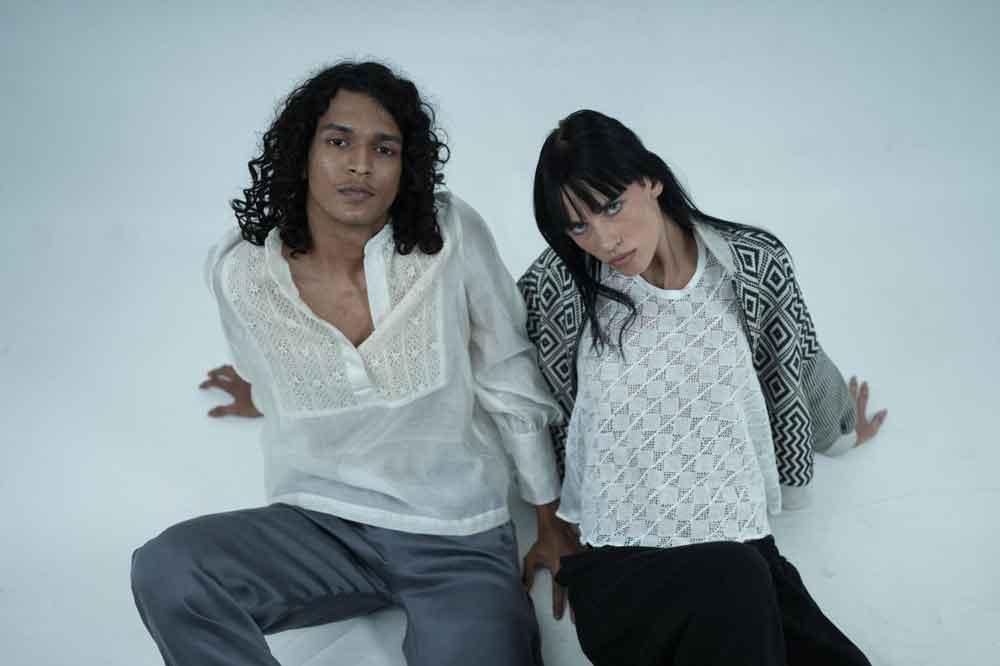
c.fuge
KING + LOIS BY RADHIKA PERERA-HERNANDEZ AND ROBERTO HERNANDEZ
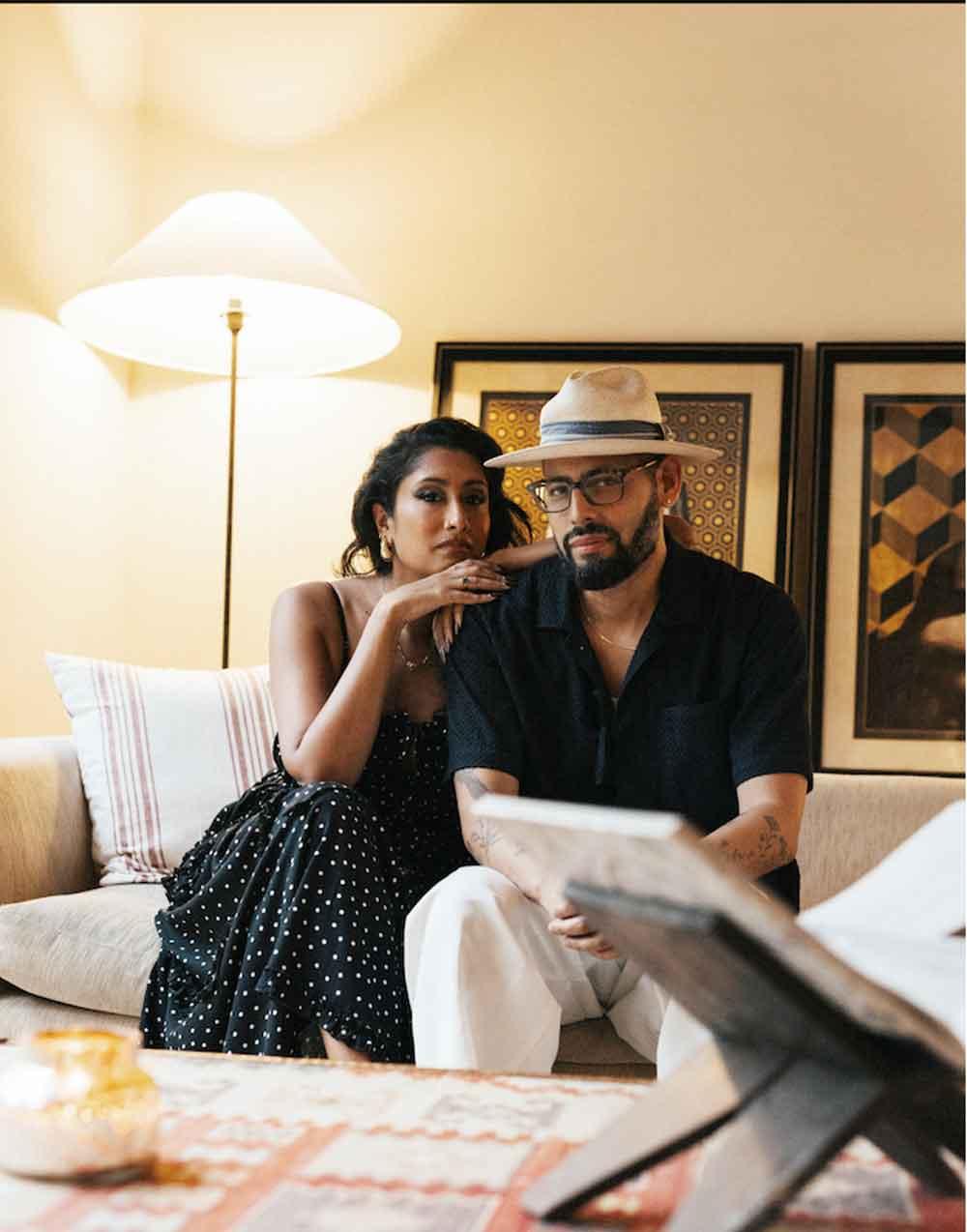
Radhika and Roberto Hernandez
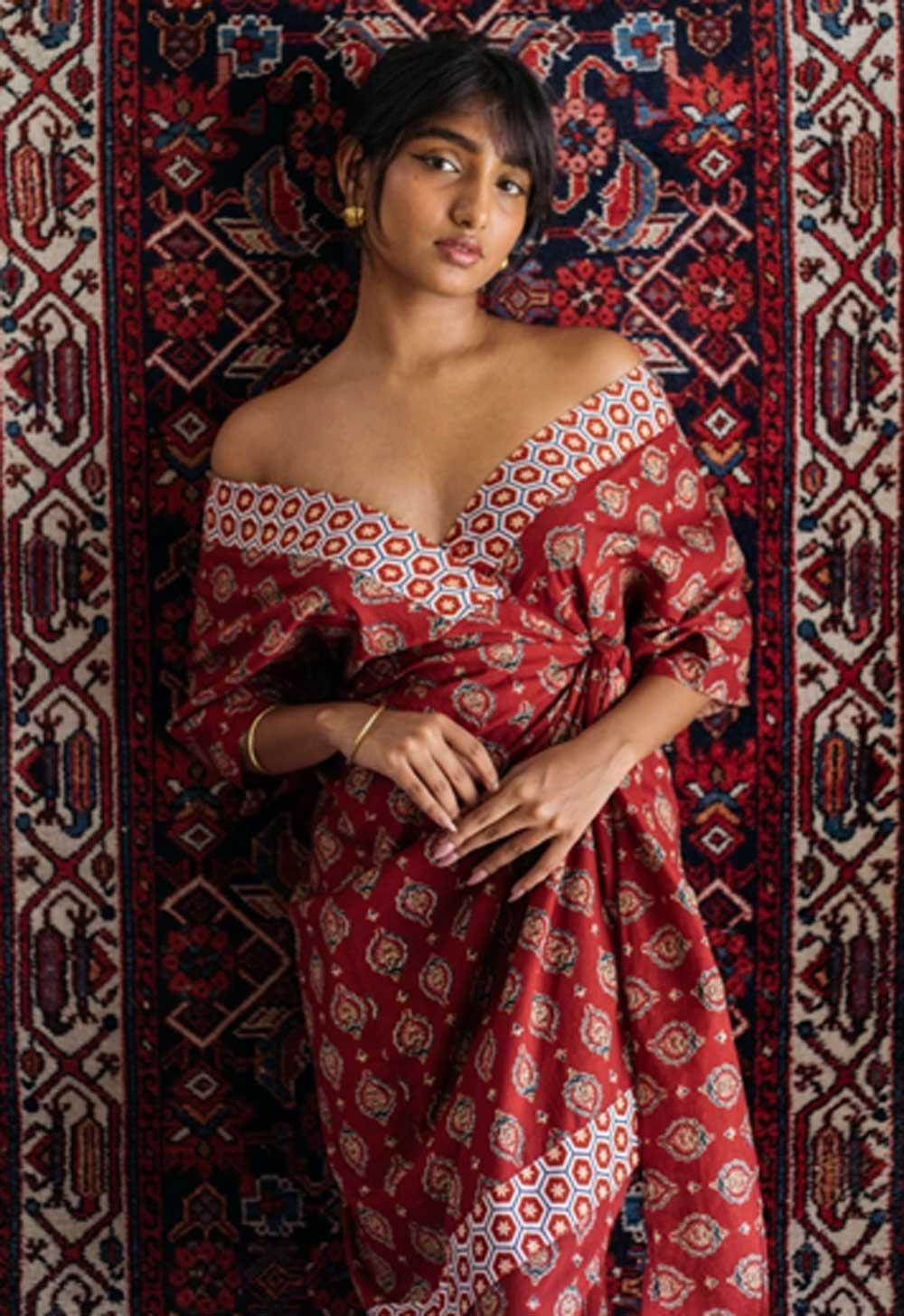
King + Lois is as much a story about life and travel as it is about fashion. Founded by husband and wife Radhika Perera-Hernandez and Roberto Hernandez, the Sri Lankan clothing house brings together their shared love of design, culture, craftsmanship and discovering new places. Their story began in New York City, where the couple met and fell in love, before eventually making a home in Sri Lanka with their two children. That journey between two very different worlds has naturally found its way into the brand. Sri Lanka’s landscapes, architecture, craftsmanship and wonderfully relaxed pace of life all influence the way King + Lois approaches design. There is a considered quality to everything they create. The brand works closely with local makers and manufacturing partners, producing its collections in small quantities and choosing natural fibres, locally sourced materials and limited production fabrics whenever possible. The idea is simple. Make clothes with personality and purpose and make them to last. For the Destination Island Runway, however, King + Lois turns its attention to something rather more emotional. The collection explores longing, contradiction and that familiar feeling of being pulled in two directions at once. There is the dreamer and the realist. Freedom and responsibility. Luxury and liberation. The desire to stay somewhere familiar while wondering what life might look like somewhere entirely different. These contradictions find their way beautifully into the clothes. Soft, fluid silhouettes move almost like water, only to meet sharper shapes and moments of structure. Romantic details appear alongside pieces that feel more restrained. Transparency meets concealment, while delicate finishes sit beside elements that appear intentionally undone. It is a collection that does not attempt to provide all the answers. Instead, King + Lois seems perfectly happy to live somewhere in between. Perhaps that is also what makes the brand feel so personal. Its founders understand both movement and belonging, having built a life influenced by different places and cultures. Their clothes carry that same spirit. For King + Lois, dressing is not necessarily about choosing between the dreamer and the realist. Sometimes, the most interesting place to be is somewhere between the two.
King + Lois