Behind the Invisibility Cloak
Nichol Fernando
Once in a while, I secretly wish for a superpower. Not flying, not time travel, not mind reading because honestly, knowing what everyone thinks sounds more like a punishment than a gift. Almost every time, I end up wanting an invisibility cloak, like the one in Harry Potter.
There is something strangely comforting about the idea of moving through the world unseen. To exist without being watched. To speak without being identified. To create without being judged. To feel without having to explain why.
That is the power of anonymity.
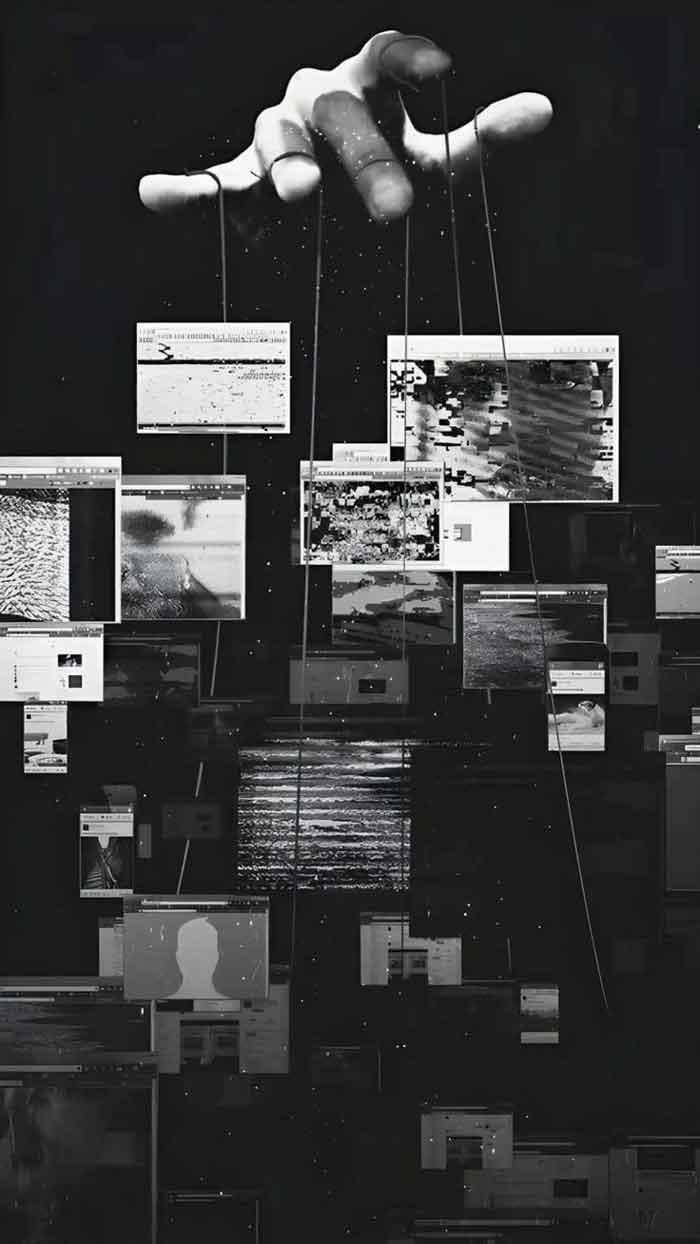
It is something we are all aware of, but I do not think we fully understand its magnitude. We see different sides of it every day. Sometimes, anonymity gives people the courage to create beautiful things. Other times, it gives people the freedom to be cruel without consequence. It is both a hiding place and a weapon. A relief and a risk. A comfort and a danger.
We observe it all the time. Some of the most honest, creative and vulnerable content online exists only because the person behind it feels protected by being hidden but on the other hand, there are also millions of hate comments, cruel messages, threats, insults and unnecessary opinions left behind by accounts with usernames like User167789212. The same anonymity that allows one person to confess something they could never say out loud allows another person to tear someone down without thinking twice.
The common denominator is confidence.
Anonymity gives people confidence. Confidence to create art. Confidence to start a blog. Confidence to reveal secrets. Confidence to ask for advice. Confidence to admit loneliness. Confidence to confess guilt. Confidence to say, “I am not okay,” but it also gives people confidence to leave hate comments, spread rumours, make threats and say things they would probably never have the courage to say face-to-face.
That is what makes anonymity so fascinating. It does not create a new person. It reveals what was already there.
We live in a world full of contradictions. It is a world where the fear of judgement is constantly validated. Everyone agrees that being judged is terrifying. Everyone understands the anxiety of being perceived. Yet at the same time, judgement is probably one of the least permanent things in our lives. People move on. People forget. People are far too busy worrying about themselves to think about us as much as we imagine they do.
Still, that knowledge does not stop the fear.
Human approval is somehow the most and least important thing in our lives. We tell ourselves we do not care what people think and maybe for a few hours, we even believe it. Then night comes, anxiety clocks in for its shift and suddenly our brain decides to replay every conversation, every message, every facial expression and every decision we have ever made.
That is where anonymity comes in.
Anonymity is a temporary break from being perceived. It is an invisibility cloak we wear when we want to escape the exhausting performance of being ourselves in public. It lets us exist without constantly adjusting our tone, expression, opinions or personality based on who might be watching.
It is the cloak we wear when we want to chase dreams, passions and hobbies freely. It is the cloak we wear when we want to release confessions, painful truths, strange thoughts, secret fears and pieces of advice we are too afraid to attach our names to. It can be soft. It can be healing. It can feel like finally breathing after holding your breath for too long, but, as we have seen, the same cloak can also be used to stain the world with hate.
That is the uncomfortable part. If we all walked around with masks covering our faces and identities, what would we do?
The answer is both interesting and dangerous.
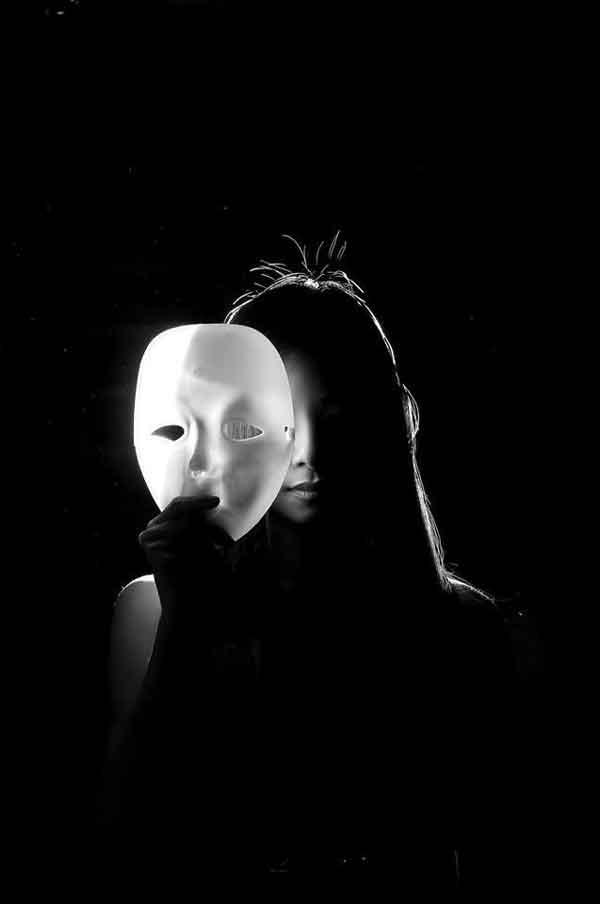
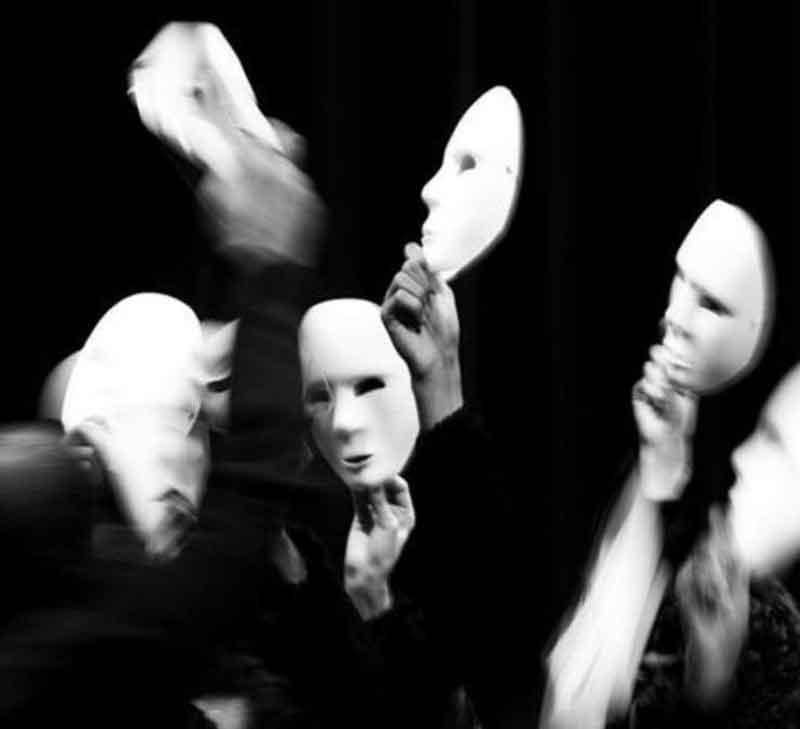
When human beings have no sense of accountability, when there is no name, face, family, job, school or reputation attached to their actions, we become capable of things we might never admit. I picture a faceless world, everyone wearing plain white masks, walking past each other without names or histories. In some ways, that image feels relieving. No pressure. No judgement. No reputation to protect. But in other ways, it is deeply disturbing.
Because if nobody knows who you are, what stops you?
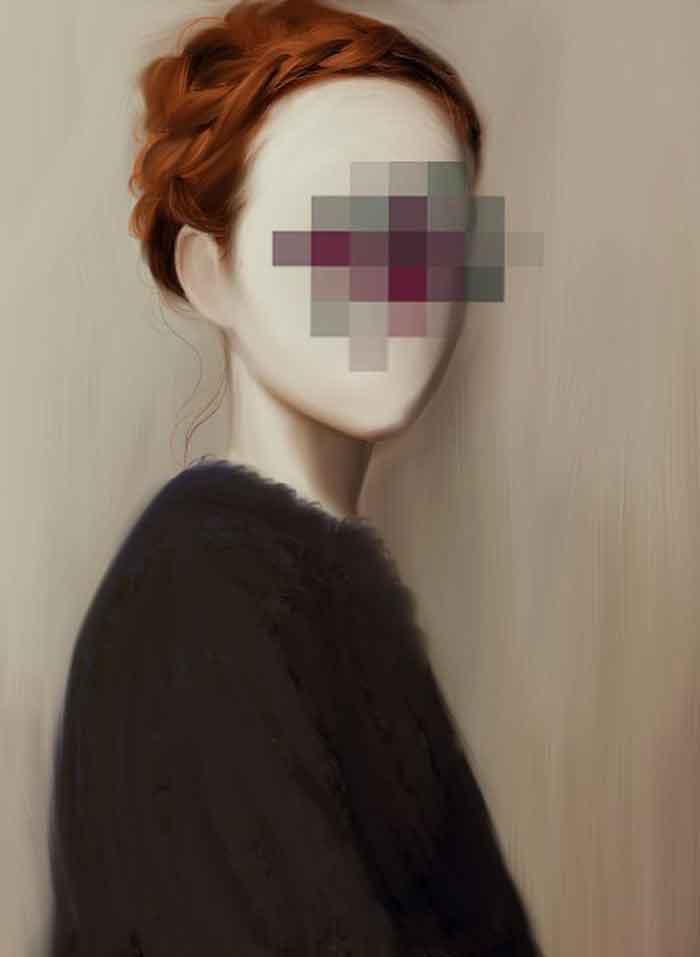
That is the frightening side of anonymity. Accountability is one of the invisible threads that keeps society functioning. We behave not only because we are good, but because we know there are consequences if we are not. Remove identity and sometimes you remove restraint, but I do not think anonymity is only about escaping consequences. I think it is also about seeking safety.
When we are faceless, we feel safer and when we feel safe, we act more honestly. We speak more freely. We follow our instincts. We stop performing. No matter how much we claim to be the most “real” versions of ourselves, the most honest version of a person can only be brought out when they feel safe enough to reveal it and often, that safety is strongest when there is no trace back to them.
That is why I understand the comfort of strangers.
Why is it that we sometimes find more comfort in people we do not know?
Maybe it is because strangers have no fixed version of us to compare us to. They do not remember who we were five years ago. They do not know our family, our habits, our mistakes or the role we are expected to play. They do not carry the same power to disappoint us. Their judgement feels lighter because it does not follow us home.
When we are familiar with someone, we tend to be guarded. We worry that our thoughts will change how a friend sees us, how a parent understands us, how a colleague treats us. Even when the people closest to us love us, there is still pressure. We want to be understood, but we also want to remain acceptable.
With strangers, there is a different kind of freedom. You can spill a thought into the world and walk away from it. You can be honest without watching someone’s face change in real time. You can be vulnerable without having to deal with the awkward silence afterwards.
That is ironic, because anonymity often comes from caring deeply about public perception. We hide because we care. Yet the hiding itself allows us to feel like we do not care at all.
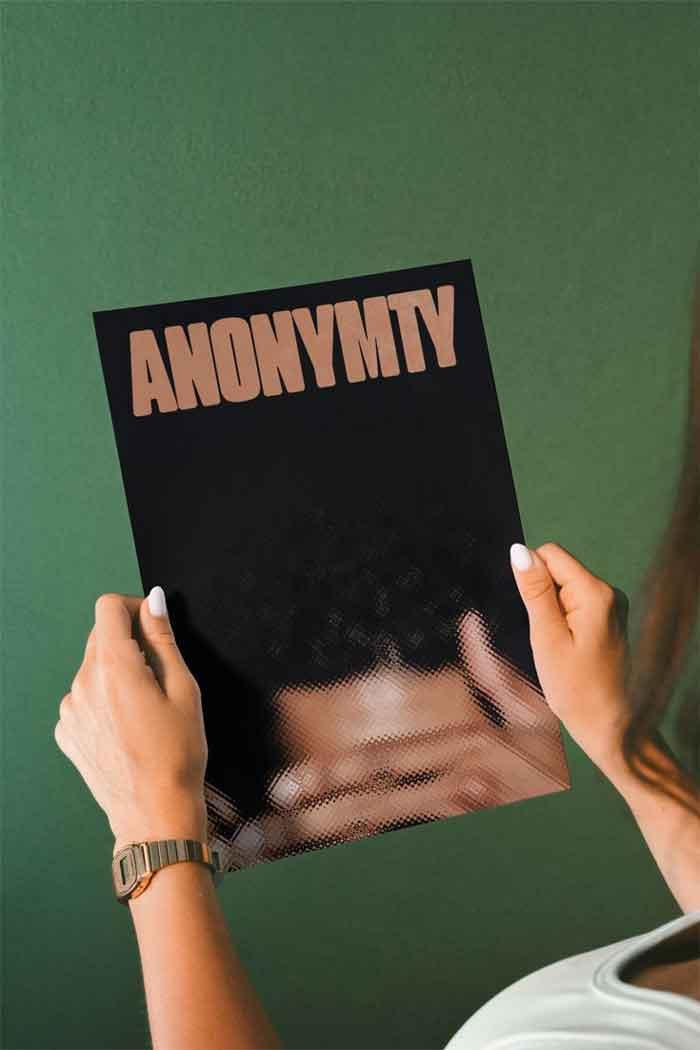
It is all a paradox.
Amy Edmondson explored a similar idea through her work on psychological safety. Her research showed that people are more likely to speak up when they feel certain they will not be punished, humiliated or embarrassed for doing so. That applies to workplaces, classrooms, friendships, families and even the internet. People do not open up just because they have something to say. They open up when they feel safe enough to say it.
Maybe anonymity is one of the modern world’s strangest forms of psychological safety.
It gives people a space to test their thoughts before the world attaches them to their identity. It lets them be honest before they are brave. It gives them a place to exist without the weight of being known but that comfort comes with responsibility.
Anonymity can protect vulnerability, but it can also protect cruelty. It can give a voice to the unheard, but it can also give power to the cowardly. It can be a shelter, but it can also be a mask worn by people who want to harm without being seen.
So maybe the question is not whether anonymity is good or bad. Maybe the question is what it reveals about us when nobody is watching because the invisibility cloak itself is not the problem.
The real question is what we choose to do once we put it on.