Understanding the Psychology Behind Serial Killer Victim Selection
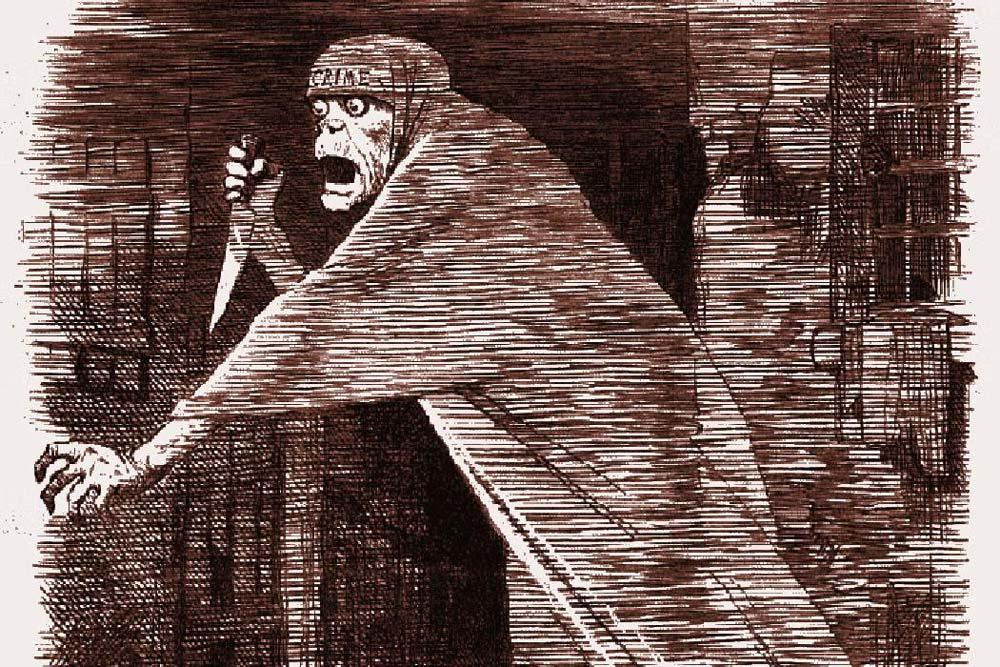
Jack the Ripper
Behind every victim chosen by a serial killer lies more than chance. The selection may appear random on the surface, yet beneath it often exists a calculated interaction between vulnerability, psychological projection, and the offender’s desire for control. To understand why certain individuals become targets, it is necessary to move beyond the crime itself and examine the mind that selected the victim.
The phenomenon of serial killer victim selection presents a complex intersection of offenders’ psychological drives and victims’ vulnerabilities. Typically, victimology research has concentrated on demographic factors - age, gender, location - but has failed to explore how a killer’s psychological contributors affect victim choice. By integrating models for criminal profiling, such as the DISC behavioural model, and psychopathy assessments, a killer’s mindset can be understood, despite the scarcity of research bridging this to victimology. To address this gap, quantitative survey data and qualitative case analyses can be integrated to determine how psychological factors - past trauma, dominance, emotional irregulation - affect victim selection amongst serial killers.
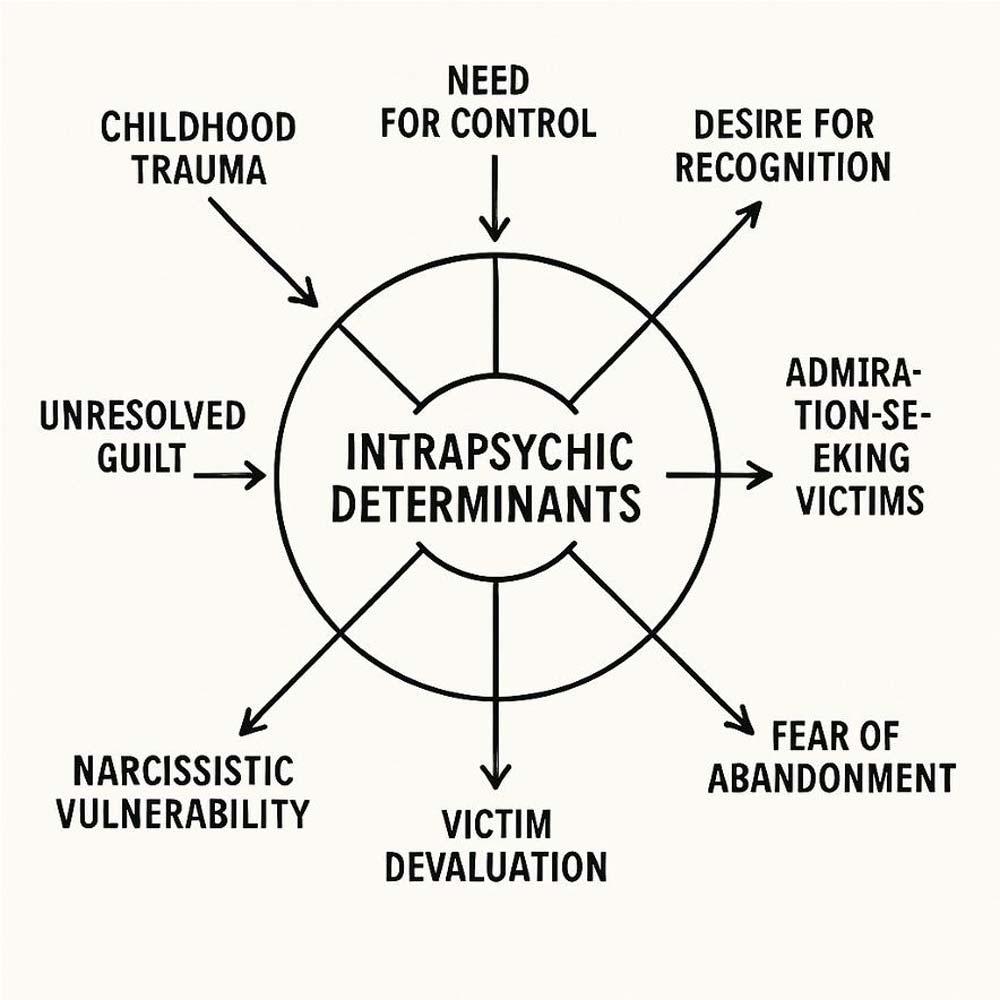
Adversity is a recurrent theme in the histories of serial killers, with many of them projecting their early-life oppressors onto victims who mirror those figures, enacting symbolic “retribution”. Interviews with killers like Edmund Kemper illustrate this pattern. The dismemberment and body positioning reflected displaced anger towards his mother. Additionally, many profilers claim that Ted Bundy’s victims unconsciously reminded him of the rejection from his first serious girlfriend. In Figure 1, the outcome of certain intrapsychic factors is demonstrated, linking internal determinants to their psychological strategy or victim profile. Some research has found that 90% of incarcerated offenders have experienced trauma, acknowledging that trauma is more likely to encourage chronic criminal behaviour.
Beyond these underlying psychological factors and histories of trauma, another critical factor warrants attention: the role of psychopathy in shaping a serial killer and their victim selection. Notorious criminals tend to score very high on Robert Hare’s Psychopath Checklist (35-40), whilst even a moderate score is considered dangerous. Not all killers are clinical psychopaths. Erikson’s focus is on general psychopathy and manipulation. When he notes that some serial killers aren't psychopaths, he is clarifying that clinical definitions can differ. Psychopaths excel at reading nonverbal cues; gait, posture, and eye contact, to identify “soft” targets. Experimental studies demonstrate that incarcerated psychopaths, when shown pedestrian videos, reliably pinpoint those they’d victimize based on anomalous walking speed or slumped posture. This highlights how victims’ unguarded body language and emotional instability serve as beacons for predatory offenders.
This connection between psychological traits and victim vulnerability is also useful when considering behavioural profiling models. The DISC model categorizes behavioural styles into Dominance, Influence, Steadiness, and Compliance. Applied to serial killers, high-Dominance individuals seek control through victim oppression, while high-Compliance offenders may choose submissive victims, reinforcing their power fantasies.
Case analyses reveal that victim-selection patterns align with DISC types. Dominant offenders, such as those scoring highly on dominance scales, prefer isolated victims against whom they can assert unquestioned authority. In contrast, Influence-oriented killers target socially active or attention-seeking victims, perhaps projecting their unmet desires for recognition onto them. This classification refines investigative profiling by predicting victim characteristics based on the offender’s DISC profile. This is further supported by the analysis of four notorious serial killers: Jeffrey Dahmer, Ted Bundy, Jack the Ripper, and Pedro Lopez.
Dahmer’s victim selection criteria were highly personalized and methodical, aligning with his DISC profile, which suggests high stability and compliance alongside covert dominance. He sought submissive males to fulfil fantasies of total control, reflecting internalized trauma and emotional void. His selections were rooted in a desire for control and a fear of abandonment.
 Similarly, Bundy demonstrated a DISC profile of high influence and covert dominance, which shaped his vengeful motives and methods. Bundy’s victims’ physical similarities and resemblance to his former girlfriend suggest narcissism and symbolic replacement. Additionally, he used charm, aligning with high influence, to lure his victims and then dominance to kill, which shows calculated manipulation driven by the unresolved rejection from his past.
In contrast, Jack the Ripper’s approach, mutilating his victims’ bodies and maintaining a consistent victim type, suggests a ritualistic desire for control, aligning with his DISC profile of high compliance with underlying dominance, as he indicated displacement aggression across his victims.
Finally, Lopez demonstrated a delusional saviour complex as he targeted young girls, claiming to rid the world of ‘evil’. Stemming from unresolved early trauma from sexual abuse, his victim choice reflected perceived purity and vulnerability, aligning with deeply psychotic dominance over innocence and stability in ritual.
An interview was conducted with an anonymous convicted murderer incarcerated in a Sri Lankan prison on the 27th of June 2025. Based on the responses, the subject has a DISC profile of high dominance and stability, as assertiveness was demonstrated alongside avoidance of confrontation. There is a concerning absence of influence and compliance, further solidifying the presence of the other two DISC traits. When asked why the victim was hurt, the response was: “Actually, I don’t know him at all.
All because of the money,” reinforcing the notion of opportunistic victimization, lacking a personalized motive. In contrast to the previously mentioned serial killers, this case reflects targeting based on vulnerability and opportunity, which aligns with dominance.
Regardless, the psychological strain is evident in his background, as the killer claimed that “money issues” were the reason for the crime. Although there’s reluctance to talk about the past, it is apparent that his upbringing, lack of support and instability may have played a role in justifying the violent act.
 Based on the findings of a recent survey, 68.3% of respondents believed that victims are vulnerable, defined as those who are alone, young, elderly, or socially isolated. Moreover, 46% of participants rated a 4 on a 5-point scale when asked how important control and dominance are in a killer’s selection process, supporting the theory that most killers feel satisfaction from having complete control over weak victims. Finally, the majority were in agreement that serial killers are more likely to pick victims who are easy to manipulate or overpower.
Overall, the findings offer a diverse exploration into the intricate relationship between a serial killer’s psychological state and their victim choices, combining behavioural profiling tools, such as the DISC model and psychopath checklist, to move beyond a surface-level analysis and explore the internal motivators that encourage violent behaviour. Findings from both the case study of the Sri Lankan offender and survey data demonstrate that factors like vulnerability, control and emotional instability play a major role in victim selection. Unlike popular serial killers, the Sri Lankan offender illustrated an opportunistic motive, with the survey responses echoing these patterns, as many believe that vulnerable individuals attract killers, linking dominance and desire for control. In summary, these patterns reinforce the idea that psychological factors - trauma, desire for dominance, emotional voids - are essential to understanding victim selection of serial killers and that recognizing patterns in this area offers valuable insights for both criminal profiling and violence prevention.
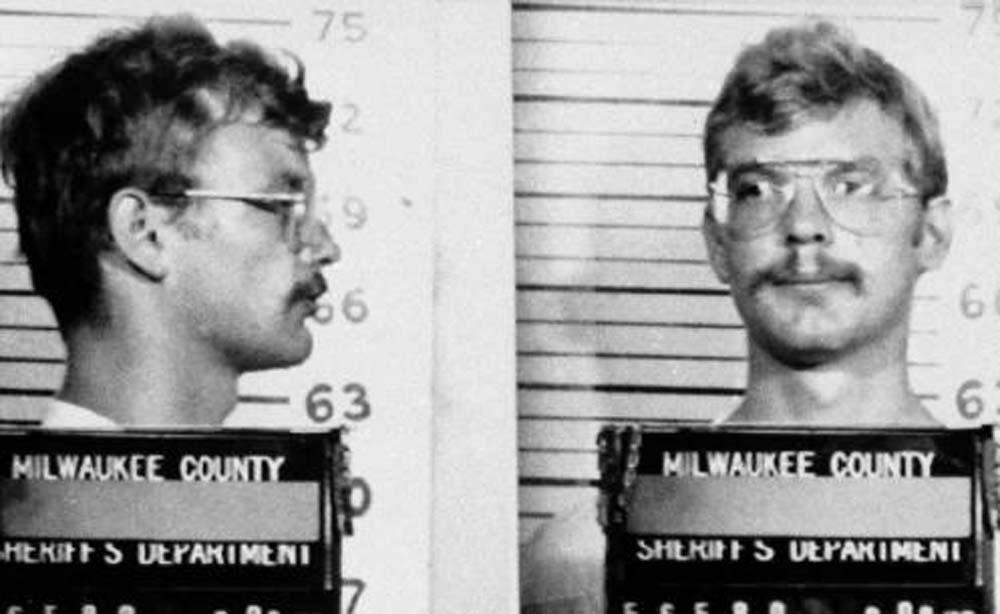
Jeffrey Dahmer
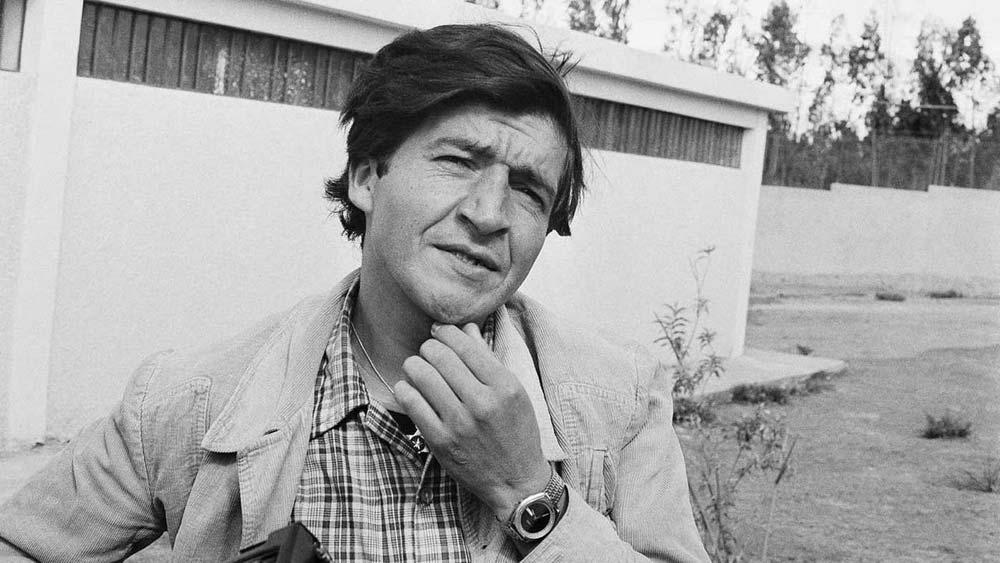
Pedro Lopez